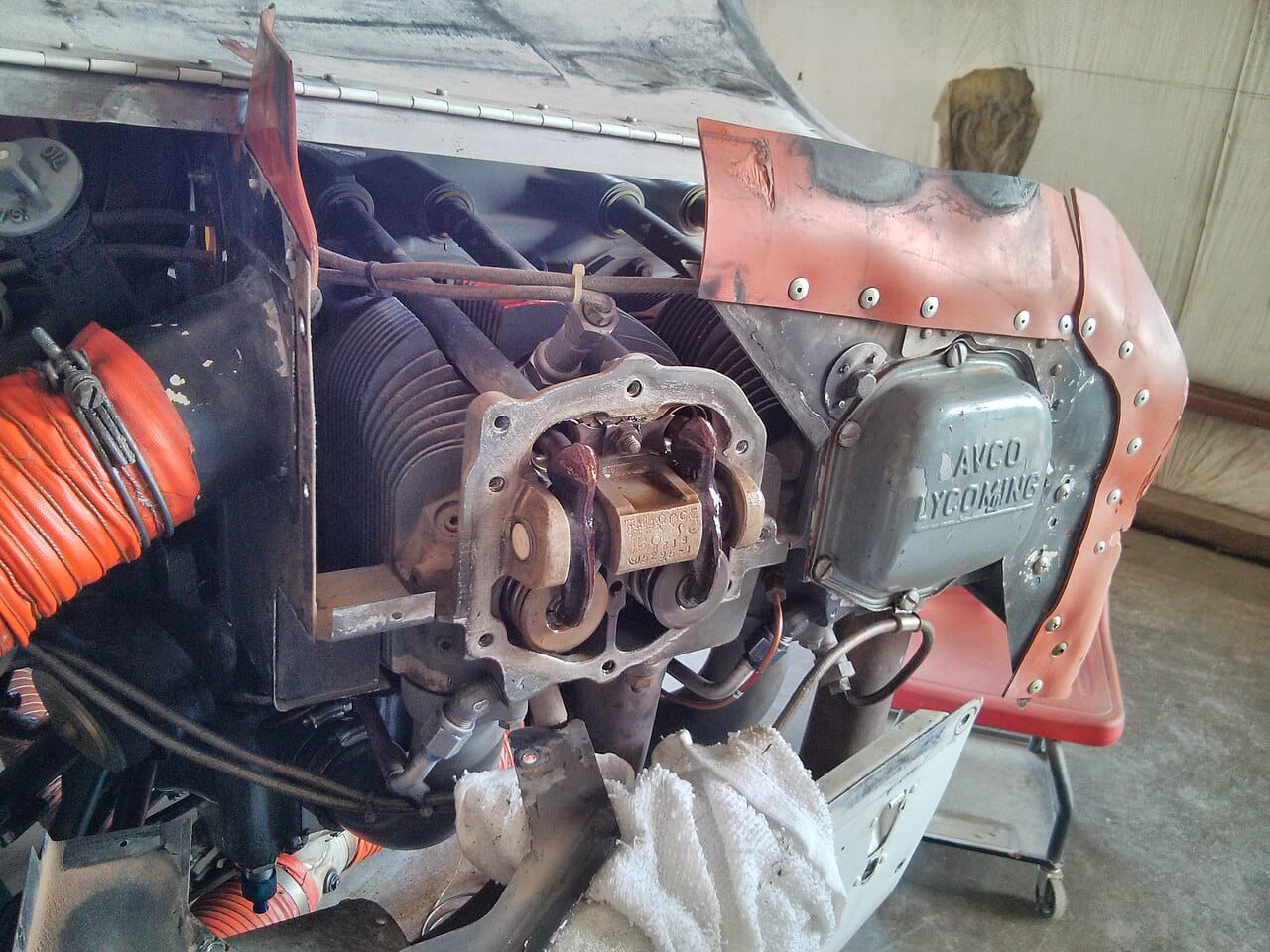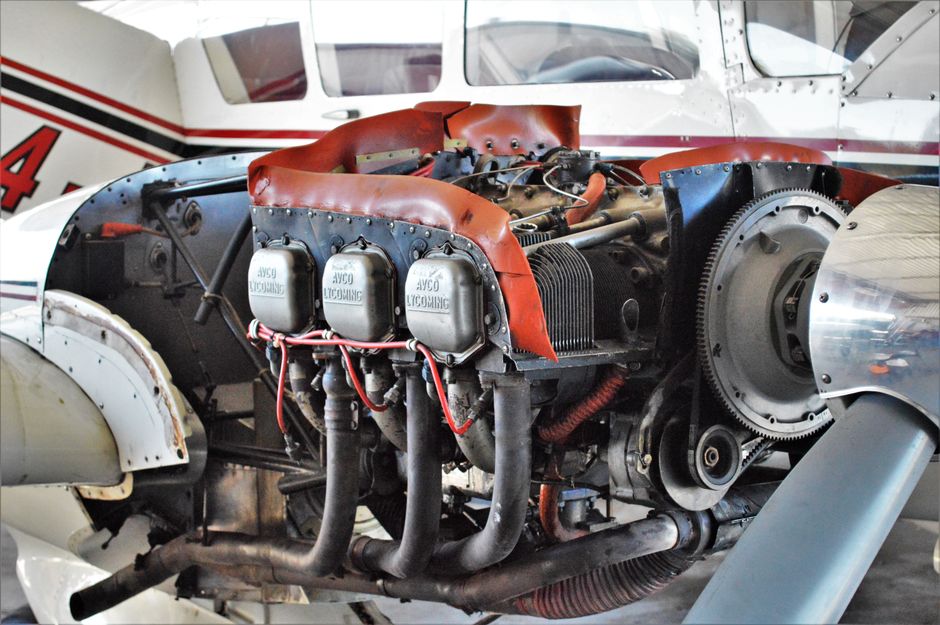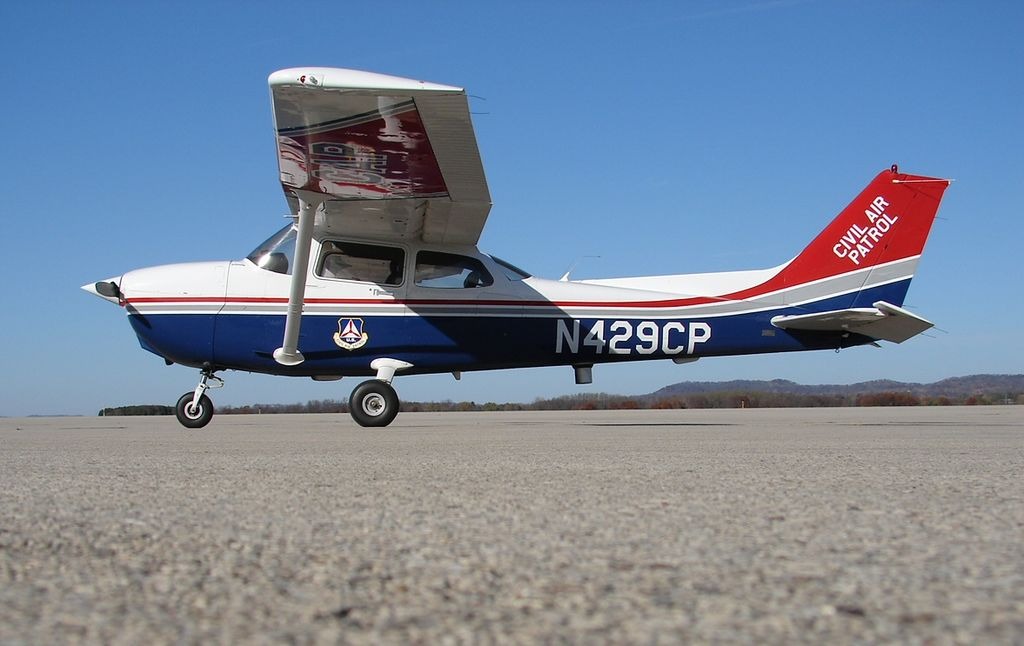
If you own a single-engine airplane, there's a good chance you have a Lycoming engine under the cowling. According to Lycoming, the company has built more than 325,000 piston aircraft engines and powers more than half the world's general aviation fleet. These engines power everything from flight school trainers to cross-country cruisers. They're tough and reliable. But like any engine, they don't last forever.
At some point, every aircraft owner faces the same big question: how much will an engine overhaul cost, and how long will my plane be grounded?
The answer depends on a lot of things. The type of engine you have matters. So does the shop you choose. The condition of your engine plays a huge role too. A clean, well-maintained engine costs less to overhaul than one that's been neglected.
The good news is that you can plan ahead. When you know what to expect, you can budget properly and avoid surprises. You can also make smart choices about when and where to have the work done.
Most owners find that a complete Lycoming overhaul runs somewhere between $25,000 and $60,000. That's a wide range, and we'll explain why. Turnaround times vary too, from just a couple of weeks to more than six months.
Let's begin by looking at what an overhaul actually involves and when your engine will need one.
Key Takeaways
How much will an engine overhaul cost? A typical Lycoming overhaul cost ranges from $25,000 to $45,000 for four-cylinder engines and $30,000 to $60,000+ for six-cylinder models, with turnaround times anywhere from 2 weeks (exchange engines) to 30+ weeks (factory). Your final price depends on engine type, parts choices, core condition, and the shop you select. Budget an extra $5,000 to $10,000 for firewall-forward items like hoses, mounts, and accessories.
| Factor | What to Expect |
| Four-cylinder overhaul (O-320, O-360) | $25,000 to $40,000 |
| Six-cylinder overhaul (IO-540, TIO-540) | $30,000 to $60,000+ |
| Factory rebuild (exchange) | $58,000 to $88,000+ |
| Factory new engine | $100,000+ |
| Field overhaul turnaround | 12 to 16 weeks typical |
| Factory turnaround | 20 to 30+ weeks |
| Exchange engine downtime | 1 to 2 weeks |
| Firewall-forward extras | $5,000 to $10,000 |
| New crankshaft (if needed) | Add ~$7,000 |
What Is an Engine Overhaul?
An overhaul is a complete teardown and rebuild of your aircraft engine. Think of it like a deep reset. The engine comes apart piece by piece. Every part gets cleaned, measured, and inspected. Worn parts get repaired or replaced. Then everything goes back together.
The goal is simple: make the engine safe and reliable for another full cycle of flying.
How the Process Works
The overhaul process follows a clear set of steps. First, the shop removes the engine from your airplane. Then they take it apart completely. This means removing the cylinder assemblies, the piston and connecting rods, the camshaft, and all the accessories.
Next comes cleaning. Years of oil, carbon, and grime get scrubbed away. This lets technicians see the true condition of each part.
After cleaning, every component goes through inspection. Steel parts like the crankshaft get checked for cracks using a process called Magnaflux. The crankcase halves get measured for wear and checked for damage. Cylinders get inspected inside and out.
Parts that pass inspection can be reused. Parts that don't get replaced with new ones. Lycoming publishes a list called Service Bulletin 240 that tells shops which parts must always be replaced. This includes things like:
- All gaskets, seals, and O-rings
- Exhaust valves and guides
- Piston rings and wrist pin bushings
- Hydraulic lifters
- Connecting rod bolts
- Magneto components (or complete replacement)
- Spark plugs and ignition harness
Once all the parts are ready, the engine gets reassembled. Technicians follow exact torque specs and clearances from the Lycoming manual. The rebuilt engine then goes through testing to make sure everything works properly.
Why Overhaul Matters
Aircraft engines work hard. They run at high power settings for hours at a time. Heat, vibration, and combustion take a toll on internal parts. Metal wears down. Seals dry out. Tolerances change.
An engine that's past its limits becomes less reliable. It might run rough, burn oil, or lose power. In the worst case, it could fail in flight.
A proper major overhaul addresses all of this. It restores the engine to a known, safe condition. You get fresh parts where they matter most. And you get documentation that proves the work was done correctly.
This matters for safety. It also matters for value. An airplane with a freshly overhauled engine is worth more than one with a run-out engine. Buyers and insurance companies both pay attention to engine time.
When Does Your Lycoming Engine Need an Overhaul?
Lycoming engines don't run forever between overhauls. There's a recommended limit on how long you can fly before the engine needs a teardown. This limit is called TBO, which stands for Time Between Overhaul.
Understanding TBO
TBO is measured in two ways: flight hours and calendar time.
Most Lycoming engines have a TBO of 2,000 hours. Some models are slightly different. For example, certain turbocharged engines have lower limits around 1,800 hours. Aerobatic engines often have reduced TBO as well because of the extra stress they endure.
But hours aren't the only factor. Lycoming also recommends a 12-year calendar limit. This means an engine should be overhauled by 12 years even if it hasn't reached its hourly TBO.
Why the calendar limit? Engines that sit unused have their own problems. Seals dry out and crack. Corrosion forms inside the engine. Gaskets deteriorate. An engine with only 500 hours but 15 years of age may actually be in worse shape than a well-flown engine at 1,800 hours.
Here's a quick reference for common Lycoming engines:
| Engine Model | Typical TBO |
| O-320 | 2,000 hours |
| O-360 | 2,000 hours |
| IO-360 | 2,000 hours |
| IO-540 | 2,000 hours |
| TIO-540 | 1,800 to 2,000 hours |
The FAA treats TBO as a recommendation for private (Part 91) operators. You're not legally required to overhaul at TBO. But there are good reasons to pay attention to it.
Signs Your Engine May Need Work Sooner
Sometimes engines tell you they need attention before reaching TBO. Watch for these warning signs:
- Low compression: Healthy cylinders should show compression in the mid-70s or higher during a differential compression test. Readings in the 60s or below suggest worn rings, valves, or cylinder walls.
- Metal in the oil: Finding metal particles in your oil filter or on the screen is a red flag. Small amounts of normal wear metals are okay. Larger flakes or chunks mean something is coming apart inside.
- High oil consumption: A quart every 8 to 10 hours is normal for many Lycoming engines. Burning a quart every 4 hours or less suggests worn cylinders or valve guides.
- Unusual noises: Knocking, ticking, or grinding sounds deserve immediate attention.
- Rough running: If the engine runs rough despite good magnetos and ignition, internal problems may be the cause.
Many Cessna trainers and personal aircraft fly well past TBO with careful monitoring. Others need work earlier. The condition of your specific engine matters more than any general guideline.
Regular oil analysis helps you track what's happening inside. Services like Blackstone Labs can spot developing problems early. This gives you time to plan rather than react to a surprise.
Factory vs. Field Overhaul: What's the Difference?
When overhaul time comes, you have choices. You can send your engine to Lycoming's factory in Williamsport, Pennsylvania. Or you can use an independent repair station. Both options can give you a quality engine. But there are important differences to understand.
Factory Options
Lycoming offers three levels of engines from their factory:
Factory New: Every single part is brand new. The engine has zero time since new and zero time since major overhaul. These engines come with a two-year warranty. A factory new engine costs around $100,000 or more depending on the model.
Factory Rebuilt: These engines are built to the same specs as new engines. Every part meets new-part tolerances. Some parts may be reconditioned rather than brand new, but they all meet the same standards. The big benefit here is that a rebuilt engine gets a new data plate and new logbook. The total time goes back to zero. This is called "zero-timing," and only the factory can do it. Factory rebuilds run around $58,000 to $88,000 depending on the engine model, plus you'll need to send back your old engine as a core.
Factory Overhauled: The factory tears down and rebuilds your engine or an exchange core. Parts meet service limits rather than new limits. The engine keeps its original total time but shows zero time SMOH (Since Major Overhaul). These cost less than rebuilds, typically around $50,000 to $60,000.
Field Overhaul
A field overhaul is done by an FAA-certified repair station that isn't the original manufacturer. Many excellent shops across the country specialize in Lycoming engines. Names like Penn Yan Aero, Ly-Con, and Zephyr have been doing this work for decades.
Field overhauls typically cost $25,000 to $45,000 for four-cylinder engines. Shops quote different prices based on:
- Cylinder choice: New OEM cylinders, aftermarket Millennium cylinders, or overhauled cylinders
- Limits: New limits vs. service limits
- Accessories: Some shops include magnetos, carb/fuel injection, and harness in the price. Others don't.
The quality of a field overhaul depends entirely on the shop. A good shop follows the same Lycoming overhaul manual and uses genuine or FAA-approved parts. They replace everything required by Service Bulletin 240. The result can be just as reliable as a factory engine.
Key Differences at a Glance
| Factor | Factory Rebuild | Field Overhaul |
| Zero-time logbook | Yes | No |
| Warranty | 2 years | Varies (1 to 3 years typical) |
| Cost | Higher ($58K to $88K+) | Lower ($25K to $45K) |
| Turnaround | 20 to 30+ weeks | 12 to 16 weeks typical |
| Your core parts | Exchanged | Can keep your parts |
Which Is Right for You?
A factory overhaul or engine rebuild makes sense if you plan to sell the airplane soon. Buyers like seeing zero-time engines and factory paperwork. It also makes sense if peace of mind is your top priority.
A field overhaul makes sense for first-run engines with good cores. If your crankshaft and crankcase are in great shape, why exchange them for unknown parts from the factory pool? You also save money and often get a faster turnaround.
The IO-360 in a Mooney, the O-320 in a Cherokee, or the O-360 in a Skyhawk: these engines all have plenty of qualified shops ready to overhaul them. Do your homework, check references, and ask the right questions. A well-chosen field shop can deliver excellent results at a fair price.
How Much Does a Lycoming Engine Overhaul Cost and How Long Will It Take?
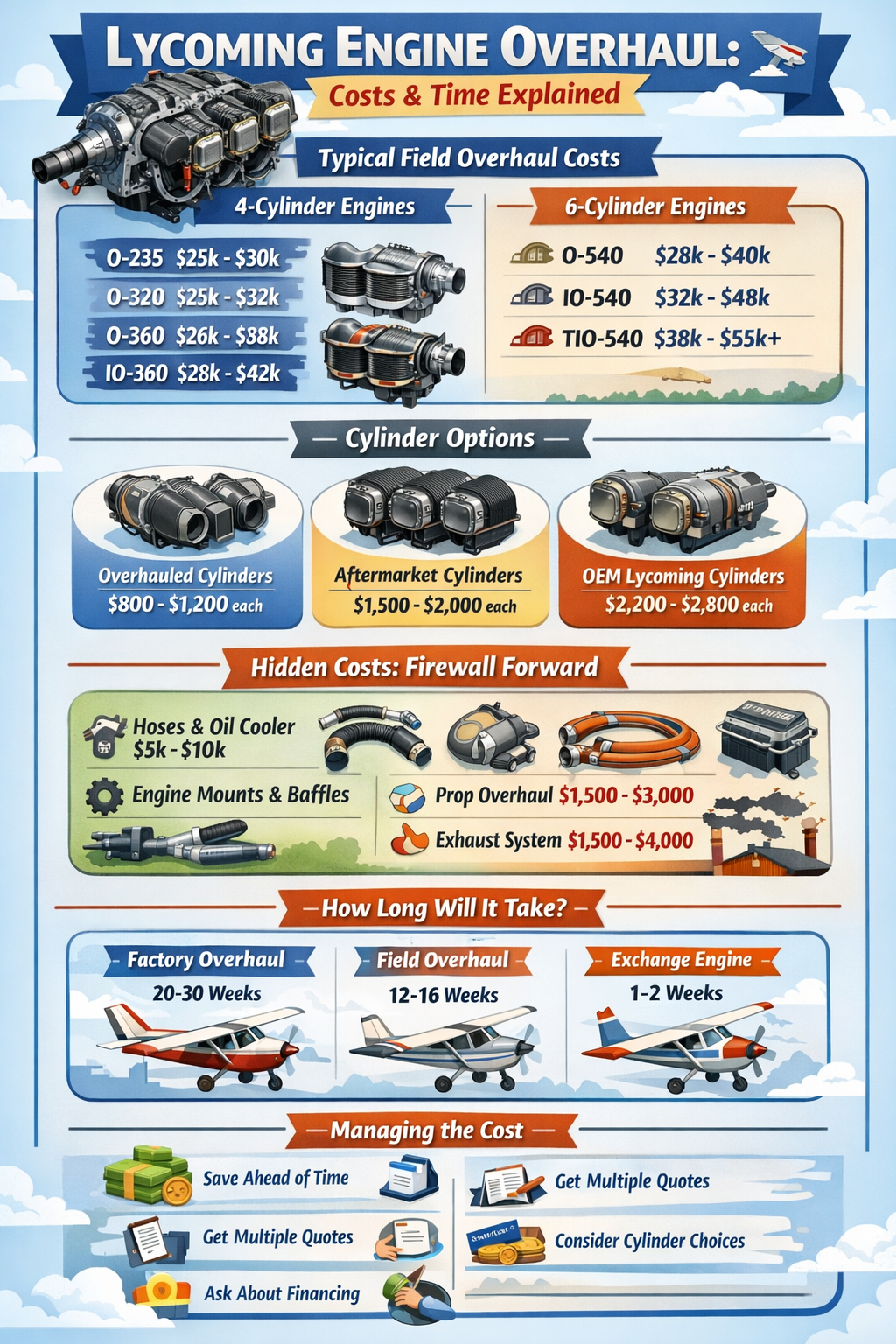
This is the big question. Every aircraft owner wants a straight answer. The truth is, there's no single number that works for everyone. Your overhaul cost depends on the engine model, the shop you choose, the parts you select, and the condition of your core.
But we can give you real numbers to help you plan and budget properly.
Current Price Ranges by Engine Type
Four-cylinder engines power most of general aviation. You'll find them in trainers, weekend flyers, and cross-country travelers all across America. Here's what field overhaul shops typically charge today:
| Engine Model | Typical Field Overhaul Cost |
| O-235 | $25,000 to $30,000 |
| O-320 | $25,000 to $32,000 |
| O-360 | $26,000 to $38,000 |
| IO-360 | $28,000 to $42,000 |
Six-cylinder engines cost more. They have more parts, require more labor, and demand more expertise. Here's what to expect:
| Engine Model | Typical Field Overhaul Cost |
| O-540 | $28,000 to $40,000 |
| IO-540 | $32,000 to $48,000 |
| TIO-540 (turbocharged) | $38,000 to $55,000+ |
Factory overhaul prices run higher across the board. A Lycoming factory overhaul typically costs $50,000 to $60,000. A factory engine rebuild runs $58,000 to $88,000 depending on the model. And a factory new engine? That starts around $100,000 and climbs from there.
Why such a wide range? Several factors push prices up or down. Let's break them down.
What Drives the Final Price
Cylinder choice makes a significant difference in your total bill. You have three main options:
- Overhauled cylinders: The shop rebuilds your existing cylinder assemblies with new rings, valves, and guides. This is the cheapest route if your cylinders are in decent shape. Expect to pay $800 to $1,200 per cylinder for this service.
- Aftermarket new cylinders: Companies like Superior Air Parts manufacture quality cylinders called Millenniums. Mechanics like these for their consistency and availability. They run around $1,500 to $2,000 per cylinder installed.
- OEM Lycoming cylinders: Factory new cylinders from Lycoming cost the most at $2,200 to $2,800 each. Supply has been spotty in recent years, so getting them can take extra time.
Core condition is the wild card in every overhaul quote. Shops provide base prices assuming your crankshaft, crankcase, and camshaft all pass inspection. If any major part needs replacement, your bill jumps fast.
Here's what replacement parts typically add:
- New crankshaft: approximately $7,000
- New crankcase: $5,000 to $8,000
- New camshaft: $1,500 to $2,500
An aircraft engine with multiple problems can cost $12,000 to $15,000 more than the base quote. That's why smart owners get a borescope inspection and oil analysis before committing to a shop. Knowing your engine's condition helps you budget accurately.
Accessories vary widely by shop. Some quotes include the magneto overhaul, carburetor or fuel injection service, spark plugs, and ignition harness. Others list these as extras. Always ask exactly what's included before comparing quotes.
The Hidden Costs: Firewall Forward
Here's where many owners get surprised. The engine overhaul price is only part of your total expense. You also need to address everything else in the engine compartment.
Budget an additional $5,000 to $10,000 for firewall forward items:
- Hoses: All rubber fuel, oil, and breather hoses should be replaced at overhaul. Rubber deteriorates from the inside out, so even hoses that look fine may be failing. A complete hose set runs $500 to $1,500 depending on your aircraft.
- Oil cooler: Many shops recommend overhauling or replacing the oil cooler. Overhaul costs around $500 to $700. A new unit runs $800 to $1,200.
- Engine mounts: Lord mounts compress and harden over time. Fresh mounts reduce vibration and protect your new engine. A set of four costs $300 to $600.
- Baffles: Sheet metal baffles and rubber seals direct cooling air through the engine. They crack and deteriorate with age. Replacement materials cost $500 to $2,000.
- Propeller governor: Constant speed props need governor service. Budget $800 to $1,200 for overhaul.
- Exhaust system: Check carefully for cracks. Cracked exhaust means replacement at $1,500 to $4,000.
- Removal and installation: Someone has to pull the engine and reinstall it. Labor runs $2,000 to $5,000 depending on the aircraft and shop rates.
The propeller itself probably needs attention too. Most props carry a TBO of 2,000 hours or 5 to 6 years. Add $1,500 to $3,000 for prop overhaul if yours is due.
For a Cessna 172 owner, the total firewall forward bill often reaches $35,000 to $50,000 when you add everything together. That's the real number to budget for.
If you want more details on this specific aircraft, check out our guide: Cessna 172 Engine Overhaul Time and Cost Explained for Plane Owners.
How Long Will Your Plane Be Grounded?
Turnaround time matters almost as much as cost. Here's what owners typically experience:
Factory overhaul or rebuild: Plan for 20 to 30 weeks. Some owners wait even longer. The factory runs a backlog, and parts shortages can stretch timelines further. If you need your plane back quickly, factory service may not be ideal.
Field overhaul at a repair station: Most established shops quote 12 to 16 weeks. This includes teardown, inspection, machining, parts ordering, assembly, and testing. If the shop discovers unexpected problems, add more time.
Exchange engine: This is the fastest path back to flying. You order a freshly overhauled engine from inventory. When it arrives, your mechanic swaps it for your old engine. Total downtime can be as short as 1 to 2 weeks.
The trade-off with exchange engines is cost and control. They run more expensive upfront. You also surrender your core, including any low-time piston assemblies and other serviceable parts.
Parts availability affects every timeline. Lycoming engine cylinders have been backordered for months at times. Smart owners ask shops to order parts before shipping the engine. This simple step can cut weeks off your wait.
A Real-World Example
Let's walk through a typical scenario. Say you own a 1975 Cessna 172M with an O-360 approaching 2,000 hours SMOH. You want a quality major overhaul without breaking the bank.
You get three quotes from reputable field shops:
- Shop A: $28,500 with overhauled cylinders, 14-week turnaround
- Shop B: $33,000 with new Millennium cylinders, 12-week turnaround
- Shop C: $31,000 with new Millennium cylinders, 16-week turnaround
All three include magneto overhaul, new harness, and spark plugs. Shop B has the best warranty at 3 years. Shop A offers 2 years. Shop C offers 1 year.
You also need firewall forward work. Your local mechanic quotes $4,500 for removal, installation, new hoses, mounts, and baffles. The prop shop wants $2,200 for propeller overhaul.
Your total comes to roughly $35,000 to $40,000 depending on which engine shop you choose. That's a big number, but now you know exactly what to expect.
Ways to Manage the Cost
Nobody loves writing a $40,000 check. Here are some strategies owners use:
Plan ahead. Start saving when your engine hits mid-time. If you fly 100 hours per year, you have 10 years to prepare. That's $4,000 per year or about $333 per month.
Get multiple quotes. Prices vary significantly between shops. Three quotes minimum gives you a realistic range.
Consider your cylinder options. New cylinders cost more but may last longer. Overhauled cylinders save money upfront but might need work sooner. Match the choice to your flying plans.
Ask about payment plans. Some shops offer financing or payment arrangements. The interest cost may be worth spreading out the hit.
Do the firewall forward work yourself. If you're comfortable with basic maintenance, you can save on labor by handling hose replacement and other simple tasks under mechanic supervision.
Time it with your annual. Combining the overhaul with your annual inspection saves duplicate labor charges for engine removal and systems checks.
The FAA allows Part 91 operators to fly past TBO, so you have some flexibility on timing. But don't push a tired engine too far. The cost of an in-flight failure far exceeds any overhaul bill.
When shopping for parts, you might wonder about used components. Our article onUsed vs Overhauled Parts: What's Safe to Buy on a Cessna 172? covers this topic in detail.
Conclusion
Planning for a Lycoming engine overhaul takes time and research. But now you know what to expect. Costs range from $25,000 for a basic four-cylinder field overhaul to well over $60,000 for factory options. Turnaround times vary from a couple of weeks with an exchange engine to six months or more for factory work.
The key is to start planning early. Get quotes from multiple shops. Understand exactly what's included in each price. Budget for firewall-forward items like hoses, mounts, and accessories. And don't forget the propeller, it probably needs attention too.
Your engine choice affects your airplane's safety, reliability, and resale value. Take the time to make a smart decision.
Looking for more aircraft ownership tips and maintenance guides? From buying advice to maintenance insights, we help pilots make informed decisions about their airplanes. Explore more articles and resources at Flying 411 today.
Frequently Asked Questions
Can I fly past TBO on my Lycoming engine?
Yes, if you operate under FAA Part 91 (private use). TBO is a recommendation, not a legal requirement. Many owners fly past TBO while monitoring compression, oil analysis, and overall engine condition. Commercial operators must follow stricter rules.
How much does it cost to ship an engine to an overhaul shop?
Shipping costs typically run $500 to $1,500 each way depending on distance and crating. Some shops include shipping in their quotes. Always ask upfront so you can budget accurately.
What is the difference between SMOH and SFOH?
SMOH means Since Major Overhaul. SFOH means Since Factory Overhaul. Both reset to zero after overhaul, but SFOH specifically indicates the work was done at the manufacturer's factory.
Do I need to overhaul my propeller at the same time as the engine?
It's highly recommended. Propellers have their own TBO (usually 5 to 6 years or 2,000 hours). Doing both together saves labor costs since the prop must come off anyway. It also ensures your whole powertrain is fresh.
Will my insurance rates change after an engine overhaul?
Many insurance companies offer better rates for aircraft with freshly overhauled engines. A run-out engine can make coverage more expensive or harder to obtain. Check with your insurer before and after overhaul.