Buying an airplane feels great on day one. The paint is clean, the logbooks are thin, and the panel still smells new. Then the market quietly gets to work on the price tag.
Every aircraft loses value over time. Some slide down slowly and politely. Others fall hard in the first few years, and the owner only learns about it when the plane goes up for sale. If you have ever wondered which aircraft depreciate fastest, the answer has less to do with the badge on the tail and more to do with supply, factory support, and timing.
Here is the encouraging part. Depreciation follows patterns, and those patterns repeat. The fastest droppers almost always share the same handful of traits, and once you can spot them, they are very hard to unsee.
Key Takeaways
Aircraft that depreciate fastest are usually brand-new models in their first year of ownership, very light jets, light jets sitting in a crowded resale market, and any aircraft built by a company that no longer exists. Value loss speeds up when a plane has no factory support, a shrinking parts supply, an outdated panel, or a giant maintenance bill coming due. Aircraft with strong demand, active production, and clean records tend to fall much more slowly.
| Aircraft Group | Typical Speed of Value Loss | Main Reason |
| Factory-new aircraft (year one) | Fastest single drop | The plane becomes "used" the moment it changes hands |
| Very light jets and entry-level jets | Fast | Small fleets, thin demand, high running costs for the size |
| Orphaned or out-of-production models | Fast and often permanent | No factory backing, tightening parts supply |
| Light jets in crowded segments | Moderate to fast | High inventory levels and heavy competition |
| Older midsize jets near big inspections | Moderate to fast | Looming maintenance costs get priced into the deal |
| Aircraft with damage history or record gaps | Fast, at any age | Buyers discount uncertainty every single time |
| Popular trainers and utility singles | Slow | Steady demand from schools, clubs, and working owners |
| Well-supported turboprops | Slow | Mission flexibility and strong resale demand |
Flying411 is an online aviation marketplace where buyers and sellers can see what real aircraft, engines, and parts are listed at right now. Watching live listings is one of the simplest ways to understand how a model is holding its price.
What Aircraft Depreciation Really Means
Depreciation is simply the gap between what you paid and what someone else will pay you later. That is it. No mystery.
For aircraft owners, depreciation usually shows up as the single largest cost of ownership. It beats fuel. It beats hangar rent. It often beats maintenance. The tricky part is that it stays invisible until the day you sell.
There are two ways people talk about this word, and mixing them up causes a lot of confusion.
Book Value vs. Market Value
Book value is an accounting number. Your accountant writes down the value of the aircraft over a set schedule for tax purposes. It follows a formula.
Market value is what a real buyer will pay on a real day. It follows supply and demand, and it does not care about your spreadsheet.
A plane can be nearly written off on paper and still sell for a healthy sum. The reverse also happens. Understanding aircraft valuation methods and how appraisers weigh age, hours, equipment, and condition helps you see why the two numbers rarely match.
Good to Know: Appraisers generally look at three things before anything else: total time on the airframe, time remaining on the engines, and the quality of the logbooks. Paint and interior matter, but they sit lower on the list than most owners expect.
How the Depreciation Curve Works
Aircraft do not lose value in a straight line. The curve is steep at the start and flattens out later, a lot like a new car but stretched over decades instead of years.
Industry sources generally describe the pattern this way:
- Year one. The biggest single drop. A new aircraft becomes a used aircraft the moment the registration changes hands, and figures in the low double digits are commonly cited for this first hit.
- Years two through five. The decline continues but slows down, often landing in the mid single digits per year for many business aircraft.
- Years five through fifteen. A steadier, gentler slide. The aircraft is now a known quantity in the used market.
- After fifteen years or so. The curve flattens toward a residual floor. At this stage the plane is worth what its parts, engines, avionics, and remaining useful life are worth to a working owner.
That last stage is why a well-kept forty-year-old single can hold a stable price for years while a five-year-old jet keeps sliding. The old plane already took its beating.
Why It Matters: The first owner absorbs the steepest part of the curve. That single fact drives a huge share of the pre-owned market, and it is one of the strongest arguments for buying used instead of new.
Fun fact snippet: many aircraft brokers say the second owner of an aircraft often gets the best deal of anyone in the chain, since the plane is still modern but has already shed its steepest losses.
What Makes One Aircraft Drop Faster Than Another
Two aircraft can be the same age, the same class, and the same price when new, then part ways badly at resale. The reasons are fairly consistent across the used aircraft market.
Here is what moves the needle:
- Production status. A model still rolling off the line has a factory behind it, funding parts, service bulletins, and technical support. When production ends, that safety net starts to fray.
- Fleet size. Big fleets create data, competition among shops, and a healthy parts pool. Tiny fleets create uncertainty, and uncertainty is expensive.
- Engine coverage. Aircraft enrolled in hourly engine programs tend to hold value better, because the next buyer knows exactly what the engine future costs.
- Avionics. A modern panel sells. An orphaned panel with no upgrade path scares buyers away.
- Upcoming maintenance events. A big inspection or an engine overhaul sitting just around the corner gets subtracted from the price, usually in full.
- Damage history and records. Repairs may be perfect and still cost you at resale. Missing logbooks cost even more.
- Market cycles. Interest rates, fuel prices, and the broader economy all push values up and down regardless of how nice your plane is.
- Mission flexibility. Aircraft that can do several jobs well have more potential buyers. More buyers means firmer prices.
- Operating costs. A thirsty, complex, hard-to-crew aircraft narrows its own buyer pool. Running the operating cost per hour before you buy tells you a lot about future resale demand.
Pro Tip: Before falling in love with a specific model, count how many are currently listed for sale and how long they have been sitting. A model with dozens of stale listings is telling you something important about its residual value.
Which Aircraft Depreciate Fastest in Today's Resale Market
Now for the main event. These nine categories consistently show the steepest value loss, based on how the pre-owned market behaves year after year. Note that these are patterns, not verdicts on any single aircraft. A great example of a "fast depreciating" type can still be a wonderful plane to own.
1. Factory-New Aircraft in Their First Year
This one applies across the board, from piston singles to large cabin jets. The moment a new aircraft is delivered and titled, it joins the used market, and the used market prices it accordingly.
The drop is real even if the plane has almost no hours on it. A buyer looking at a one-year-old aircraft compares it to a brand-new one, then expects a discount for the privilege of not being first.
- Applies to nearly every make and model
- Bigger in dollar terms as the purchase price climbs
- Often the single largest year of loss in the aircraft's life
Owners who buy new for tax reasons or for a specific spec often accept this hit knowingly. Trouble arrives when a buyer assumes the plane will hold its sticker price. It will not.
2. Very Light Jets and Entry-Level Jets
Very light jets promised jet travel at a friendlier price. Many delivered on the flying part. The resale part has been rougher.
The problem is structural. These aircraft carry jet-level maintenance, jet-level insurance, and jet-level training requirements while offering limited cabin space and range. The pool of buyers who want that trade is smaller than the pool of aircraft chasing them.
Some entry-level jet programs also went through ownership changes, production pauses, or bankruptcies, which made buyers cautious about long-term support. Caution shows up directly in the price.
3. Orphaned Models From Manufacturers That Shut Down
This is the fastest and cruelest category. When a manufacturer stops production or closes entirely, the aircraft becomes an out-of-production aircraft with no one funding its future.
What follows is predictable:
- Parts get harder to source, then more expensive
- Service bulletins and engineering support slow down or stop
- Insurance and financing get trickier
- Buyers demand a discount for all of the above
The business aviation world has several well-documented examples. Programs that ended in bankruptcy have seen values settle at a small fraction of their original delivery prices, and those discounts tend to be permanent rather than temporary. Even brands that were later absorbed by a larger company often trail their still-in-production competitors on resale.
Heads Up: "Cheap to buy" and "cheap to own" are two different things. An orphaned jet with an attractive asking price can carry parts lead times and shop bills that erase the savings in a single year.
4. Light Jets Sitting in a Crowded Pre-Owned Market
Light jets are popular, which sounds like good news. It cuts both ways.
Popular segments have lots of aircraft in circulation, and when inventory rises, sellers compete on price. Even well-regarded light jets with strong reputations can show meaningful percentage losses over their first five years, simply because there are always alternatives on the market.
The lesson here is not to avoid light jets. It is to buy the right one at the right point on the curve, and to understand how new versus used markets behave differently before signing anything.
5. Older Midsize Jets Facing Major Maintenance Events
An aging jet approaching a heavy inspection, a gear overhaul, or an engine event carries an invisible bill on its wing. Buyers see it. Brokers see it. Appraisers definitely see it.
Value drops sharply as those events approach, then partially recovers after the work is done and paid for. This creates a sawtooth pattern that catches inexperienced sellers off guard.
Three things soften the blow:
- Enrollment in an hourly engine maintenance program
- Recent completion of a major inspection cycle
- Clean, complete, well-organized records
If any of those are missing, expect a steeper discount.
6. Aircraft With Obsolete Avionics and No Upgrade Path
Panels age faster than airframes. A twenty-year-old airframe can be structurally sound and still feel ancient in the cockpit.
The value question is simple. Can the panel be upgraded at a sensible cost? If yes, the aircraft holds a floor. If the model has no approved modern upgrade, or the upgrade costs more than the plane is worth, values sink.
This hits light aircraft especially hard. When an avionics package costs a large share of the hull value, only the best-equipped examples move quickly, while everything else sits.
Keep in Mind: Regulatory deadlines have a habit of resetting values across an entire fleet. Aircraft that were easy to bring into compliance held up well. Aircraft that were not took a lasting hit.
7. Cabin-Class Piston Twins and Older Light Twins
Piston twins were once the step-up dream. Today many of them face a shrinking audience.
The math works against them. Two engines mean two overhauls, two sets of accessories, and higher insurance, all while modern high-performance singles deliver similar speed with lower running costs. Fuel prices only sharpen that comparison.
Some twins hold their own thanks to specific missions, strong parts support, or cult followings. Many others sell slowly and at prices that surprise their owners. The choice between piston, turboprop, or jet matters more for resale than most first-time buyers realize.
8. Light Sport and Niche Recreational Aircraft
Light sport aircraft fill a genuine need and are a joy to fly. As financial assets, they have a mixed record.
New light sport models often carry prices close to those of capable legacy certified aircraft, but the resale pool is thinner. Fewer buyers, fewer financing options, and fewer flight schools using them all limit demand. Niche one-off designs and low-production kit-built types can be even harder to move, since value depends heavily on who built the aircraft and how well.
Well-known homebuilt designs with big owner communities behave differently and can hold value quite well. The pattern favors popularity and support, not novelty.
9. Any Aircraft With Damage History, Record Gaps, or Run-Out Engines
This category ignores class entirely. It applies to a training single and a large cabin jet alike.
Buyers pay for certainty. Take certainty away and the discount arrives immediately.
- Damage history follows an aircraft forever, even after flawless repairs
- Missing or sloppy logbooks raise questions no seller can fully answer
- Run-out engines get subtracted at close to full overhaul cost
- Corrosion findings can turn a sale into a salvage conversation
Careful verifying maintenance history protects buyers from paying too much, and it protects sellers from unpleasant surprises during a deal.
Flying411 connects owners with certified A&P mechanics, avionics specialists, and MRO providers who can bring a tired aircraft back to marketable condition before it ever hits the listings.
How Much Value Does an Aircraft Lose Each Year?
Exact numbers vary by model, market, and moment, so treat any single figure with healthy skepticism. Still, the general shape of aircraft depreciation rates is fairly consistent across sources.
| Stage of Ownership | Commonly Cited Pattern | What Drives It |
| First year | The steepest drop of the whole curve | New becomes used |
| Years 2 to 5 | Continued decline at a slower pace | Newer models arrive, warranties expire |
| Years 5 to 15 | Steady, moderate annual decline | Aging systems, rising maintenance |
| Beyond 15 years | Flattening toward a residual floor | Value tied to condition and utility |
Two aircraft in the same class can post noticeably different annual rates, and over a long ownership period those small gaps compound into large sums. That is why buyers who study a specific model's history usually do better than buyers who rely on rules of thumb. Learning how aircraft valuation methods treat depreciation gives you a much sharper read on any listing.
Do Helicopters Depreciate Faster Than Airplanes?
Helicopters follow the same basic curve, with a few extra wrinkles.
Rotorcraft carry more life-limited components, and those components have hard replacement schedules. As a helicopter approaches those limits, value drops in visible steps rather than a smooth slope. A machine with fresh components can be worth dramatically more than an identical one nearing overhaul.
Helicopter values also swing with the industries they serve. When energy, tourism, or utility work slows down, used inventory piles up quickly. When those sectors recover, values firm up again. Popular training and utility models with large fleets tend to hold up best.
What Happens at the Very End of the Curve
Eventually every aircraft reaches a point where the sum of its parts is worth more than the whole. That is when the part-out conversation starts.
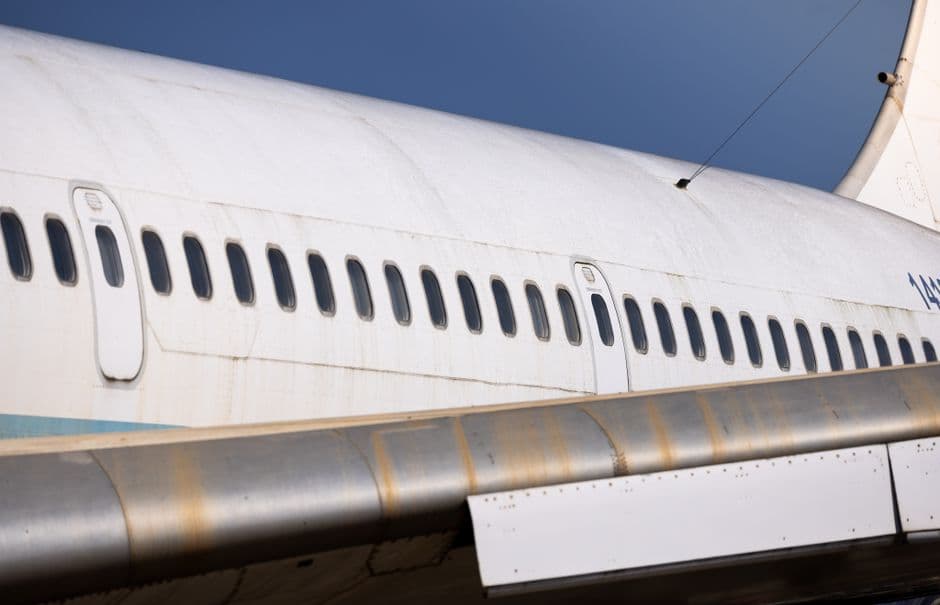
Airliners show this most clearly. Large transport aircraft leave service on a schedule driven by fuel efficiency and maintenance economics, and the story of where retired airliners end up is a useful window into how the same logic plays out for smaller aircraft. Engines, landing gear, and avionics often hold the most residual value, which is exactly how parting out works at the fleet level. Even a retired widebody can carry meaningful value in components, and looking at a retired 747's parts value makes the concept easy to picture.
The same principle protects general aviation owners. A well-equipped aircraft rarely goes to zero, because someone always needs the panel, the prop, or the engine.
Fun Fact: In many end-of-life cases, engines are said to represent a very large share of an aircraft's remaining value, which is why engine condition dominates so many resale conversations long before retirement.
Which Aircraft Tend to Hold Value Best
It helps to look at the other end of the spectrum, since the traits are mirror images.
Aircraft with strong resale reputations usually share these features:
- Still in production with an active factory and healthy parts supply
- Large fleets with plenty of shops, mechanics, and training available
- Flexible missions that appeal to private owners, charter operators, and businesses
- Modern, upgradeable avionics with a clear path forward
- Predictable operating costs that new buyers can budget with confidence
In practice this describes popular trainers and utility singles, widely used turboprops, well-supported turbine twins, and the market-leading models in each business jet class. These aircraft still depreciate. They just do it gently.
Quick Tip: If you plan to sell within five years, model resale value before you buy. A slightly more expensive aircraft with a slower decline can cost you far less overall than a cheaper one that falls hard.
How to Slow Down Depreciation on Your Aircraft
You cannot stop depreciation, but you can absolutely influence how much of it you eat. Owners who treat resale as part of ownership consistently do better.
- Keep flawless records. Organized, complete logbooks are one of the cheapest value protections available.
- Fly the airplane. Regular use is kinder to engines and systems than long periods of sitting.
- Stay current on inspections. A plane that is behind on maintenance signals neglect, fairly or not.
- Choose upgrades that buyers want. Avionics, engine monitors, and safety equipment usually return more than cosmetic work.
- Consider engine and maintenance programs. Coverage transfers certainty to the next owner.
- Address small issues early. Deferred squawks turn into findings during a pre-purchase inspection.
- Time your sale. Selling into strong demand beats selling into a glut, and selling before a major maintenance event beats selling right on top of one.
- Present the aircraft properly. Clean paint, tidy interiors, and a professional listing all shorten time on market. Solid guidance on prepping a plane for sale pays for itself.
Sellers who also lean on smart pricing strategies avoid the trap of overpricing early, going stale, and then chasing the market downward. Running a quick aircraft value estimate before you list gives you a realistic starting number instead of a hopeful one.
Ready to see where your aircraft stands? Flying411 makes it easy to check your number, compare live listings, and move when the timing is right.
Tax Depreciation Is a Different Animal
Owners often hear "depreciation" and think of tax deductions rather than resale losses. Both matter, and they are not the same thing.
Tax rules in the United States allow qualifying business aircraft owners to deduct a portion of the purchase price over time, and recent legislation has expanded first-year expensing options for aircraft that meet business use requirements. Those deductions can significantly change the after-tax cost of ownership.
They do not change what a buyer will pay you later. Market depreciation keeps doing its thing regardless of how the aircraft is treated on a tax return. The tax side of a sale also brings its own considerations, including sales and use tax exposure that varies by state.
Rules change, and eligibility depends on specifics. A qualified aviation tax professional is worth every penny here.
Common Myths About Aircraft Depreciation
A few ideas circulate widely and cause real financial pain.
Myth: Older aircraft always depreciate faster. Often the opposite is true. Aircraft that already reached their residual floor can hold steady for years while newer models keep sliding.
Myth: Low total time always means high value. Very low time can signal a plane that sat unused, which brings its own problems. Buyers weigh condition and records alongside hours.
Myth: Upgrades always pay for themselves. Some do. Many return only a portion of their cost. The ones that help most are the ones buyers in that segment already expect.
Myth: A good deal is always a good deal. An aircraft priced far below its peers usually has a reason. A thorough pre-purchase inspection and proper title and lien checks reveal what the asking price is hiding.
Myth: Depreciation only matters to sellers. Buyers pay for it too, in the form of the value they will lose during their own ownership period.
What This Means for Buyers and Sellers
For buyers, depreciation is a shopping tool. Knowing which segments fall fastest tells you where the bargains live and where the traps are. Working with experienced acquisition consultants helps you separate the two, and understanding the broker side of the business makes those conversations far more productive.
For sellers, depreciation is a clock. Every month a plane sits unlisted or overpriced, the market moves a little further away. Getting the paperwork right, including FAA registration details, keeps a deal from stalling at the finish line.
For both sides, the healthiest mindset is simple. An aircraft is a tool that costs money to own, and depreciation is part of that cost. Managed well, it is predictable. Ignored, it is expensive.
Thousands of aircraft, engines, and parts listings sit on Flying411 right now, along with the professionals who service them. Start browsing before your next move.
Conclusion
So, which aircraft depreciate fastest? Brand-new aircraft in year one, very light jets, orphaned models with no factory behind them, crowded light jet segments, and any aircraft carrying damage history or a big maintenance bill. The common thread is uncertainty. Buyers pay a premium for confidence and demand a discount for doubt.
The flip side is genuinely good news. Every one of those factors can be researched before you buy and managed while you own. Choose a model with real support, keep your records spotless, fly the airplane, and sell it when the market is friendly. Do that, and depreciation becomes a line item instead of a nasty surprise.
Smart owners fly the airplane and watch the numbers. Start both at Flying411, where the listings, the professionals, and the market data live under one roof.
Frequently Asked Questions
Does an aircraft ever appreciate in value?
It happens, though rarely as a straight-line investment. Certain classic, warbird, and highly sought-after models have gained value over long periods, and short-term market spikes can lift prices across whole segments.
How often should I get my aircraft appraised?
Many owners get a formal appraisal every few years, and sooner if they are refinancing, updating insurance, settling an estate, or preparing to sell. Market conditions can shift meaningfully in a short time.
Does hangaring an aircraft affect its resale value?
Yes, usually in a positive way. Consistent hangar storage helps protect paint, interiors, avionics, and seals from weather and sun damage, and buyers notice the difference right away.
Do financed aircraft depreciate differently than owned ones?
The aircraft itself does not care how it was paid for, but financing changes your exposure. If values fall faster than the loan balance, an owner can end up owing more than the aircraft is worth at sale time.
Is it better to sell an aircraft before or after an engine overhaul?
It depends on the model and the market. Fresh engines usually raise the asking price, but not always by the full cost of the overhaul, so many sellers compare both scenarios with a broker or appraiser first.