Buying an airplane feels exciting, but it also brings a lot of responsibility. One of the biggest steps is making sure the aircraft you want has clean, complete, and correct paperwork. These documents show what the plane has been through, what repairs it received, and how well past owners cared for it. A strong paper trail helps you see real facts—things like logbook entries, repairs, routine inspections, and any major work that supports safe flying.
Many buyers feel nervous at first because these documents cover a lot of technical ground. But once you understand how aviation professionals review an aircraft logbook, the process becomes easier to follow. You start to see how each detail fits into the bigger picture of an airplane’s past, making the transition to the next section feel natural as we look at the basics of this important process.
What Is Aircraft Logbook And Maintenance History Verification?
Aircraft logbook and maintenance history verification is the process of reviewing all documents tied to an airplane’s past. These documents act as proof of maintenance records, repairs, inspections, and instructions that help confirm the aircraft’s airworthiness. This review gives buyers real confidence because it shows what’s been done over the life of the airplane and what may still need attention before safe operation.
When a maintenance professional performs this review, they look at the entire set of paperwork, which may include aircraft maintenance logbooks, propeller logs, airframe log, and other forms. These papers help confirm faa compliance, compliance with ads, and regulatory requirements that keep the airplane airworthy and compliant under federal regulations. Every document also helps confirm that records must follow the faa’s rules.
Verification matters because aircraft owners make decisions in the long term based on these documents. For example, when it comes time to sell, a buyer expects clear proof of maintenance work. Documents must include the detailed account of the maintenance, maintenance schedules, overhaul details, and routine maintenance. This paperwork is essential for tracking how well the airplane has been cared for and forms the backbone of record-keeping in the aviation industry.
During the process, the reviewer checks aircraft records for a discrepancy, duplication, missing pages, digital logbooks, unreadable text, or incomplete entries. Each log must be legible, complete, and easy to follow. Many reviewers also confirm that the documents adhere to 14 cfr, part 43, far part 91, fars, and federal aviation rules.
The paperwork also shows items like total time, airframe, engine repairs, modifications, major alteration notes, supplemental type certificates, and markings to show compliance with airworthiness directives. Any description of work, work performed, or work order attaches to these entries. You may also see faa form, faa form 337, or references to 337 approvals. If an owner or operator replaced a propeller, installed stcs, or made changes requiring an alteration, it must appear here.
Good records help protect the value of your aircraft and support safe aviation operation. Every aircraft’s history also depends on maintenance tracking, future inspections, and routine documentation so the airplane stays safe to fly. Good paperwork protects both the aircraft owner and the buyer. Clear documentation makes it easier for an a&p mechanic to confirm safety and compliance during any annual inspection.
Verification also helps confirm that logbooks must follow maintenance manuals, avoid errors, and include all records required by the faa and ntsb. Some buyers also request physical copies to compare with digital files. Others want confirmation that the owner’s documents do not conflict with the ntsb reports.
At the end of the process, buyers feel more comfortable. They understand the airplane, the aircraft’s maintenance, and the true resale value. They also feel ready to move to steps that show how experts look deeper into the paperwork before finalizing a sale.
How Experts Verify Aircraft Logbooks
When experts review aircraft maintenance logbooks, they follow a structured process. First, they gather every document tied to the airplane’s past, including aircraft maintenance records, past maintenance tasks, and any pages tied to maintenance history. This wide review helps confirm that everything aligns with federal aviation rules and faa and ntsb expectations.
Here is a clear view of the process:
HOW EXPERTS VERIFY AIRCRAFT LOGBOOKS
| Step | What Experts Check | Why It Matters |
| 1 | Page order and legible text | Confirms that documents are readable and complete. |
| 2 | Matching logbook entries and work order details | Shows alignment between paperwork and real work. |
| 3 | Discrepancy or missing pages | Helps ensure all documents are accurate. |
| 4 | Compliance with ads and 43.11 notes | Confirms legal compliance. |
| 5 | Total time tracking | Shows real aircraft usage and aging. |
| 6 | Maintenance tracking consistency | Supports safe planning for future inspections. |
| 7 | Propeller logs, engine papers, and airframe log | Confirms correct coverage of every major system. |
| 8 | Faa form 337, major alteration, and stcs | Confirms upgrades match approvals. |
| 9 | Maintenance manuals alignment | Confirms work followed required steps. |
| 10 | Check for duplication, missing invoice, or false documents | Helps prevent fraud. |
Experts then check the details against aircraft’s history. They compare entries from day one through the latest routine inspections. They also confirm that the documents adhere to regulatory requirements in 14 cfr, part 43, and far part 91. Each record must link to a real action taken on the airplane, creating a clean, understandable narrative.
During verification, experts pay attention to small mistakes like spelling errors, unmarked corrections, or incomplete description of work notes. These small issues may point to bigger problems in documentation. If the expert sees unclear record-keeping, they may request older physical copies or missing pages. They also confirm that the owner’s name, certificate number, and aircraft’s identification match across every form.
Next, the expert reviews airworthiness notes and confirms the airworthy status using aviation records. They check that all work aligns with faa form rules and follows legal advice standards. For example, an inspection entry must clearly connect to the exact work performed. If they see something that looks incomplete, they may ask the owner or operator for backup proof.
Some experts also confirm that digital logbooks match paper logs. Digital files must align with records required in the aviation system. Reviewers also check that each document follows familiarize guidelines for proper logbook management, logging routine, and records must formatting.
When experts compare entries like aircraft’s maintenance, maintenance tasks, and maintenance schedules, they create a full picture of the airplane’s past. This helps confirm safety and compliance and supports better buying decisions.
The expert also checks maintenance work for signs of prior damage, poor repairs, or incomplete entries. They want to ensure that the airplane remains compliant with all federal regulations. The goal is simple: confirm the airplane is safe, documented correctly, and ready for a responsible buyer.
By the end, a buyer understands if the airplane meets regulatory requirements, supports safe flying, and matches true ownership details. This careful review protects the aircraft owner and helps maintain clean records throughout the aviation industry.
WHAT BUYERS SHOULD LOOK FOR IN VERIFIED RECORDS
Buying an airplane becomes much easier when you know what to look for in the paperwork. The records help you see the airplane’s true condition and help you avoid a major pitfall during the purchase. A careful review shows if the aircraft was cared for or if something feels off. When you follow a simple checklist, you can look at each part of the documentation with confidence.
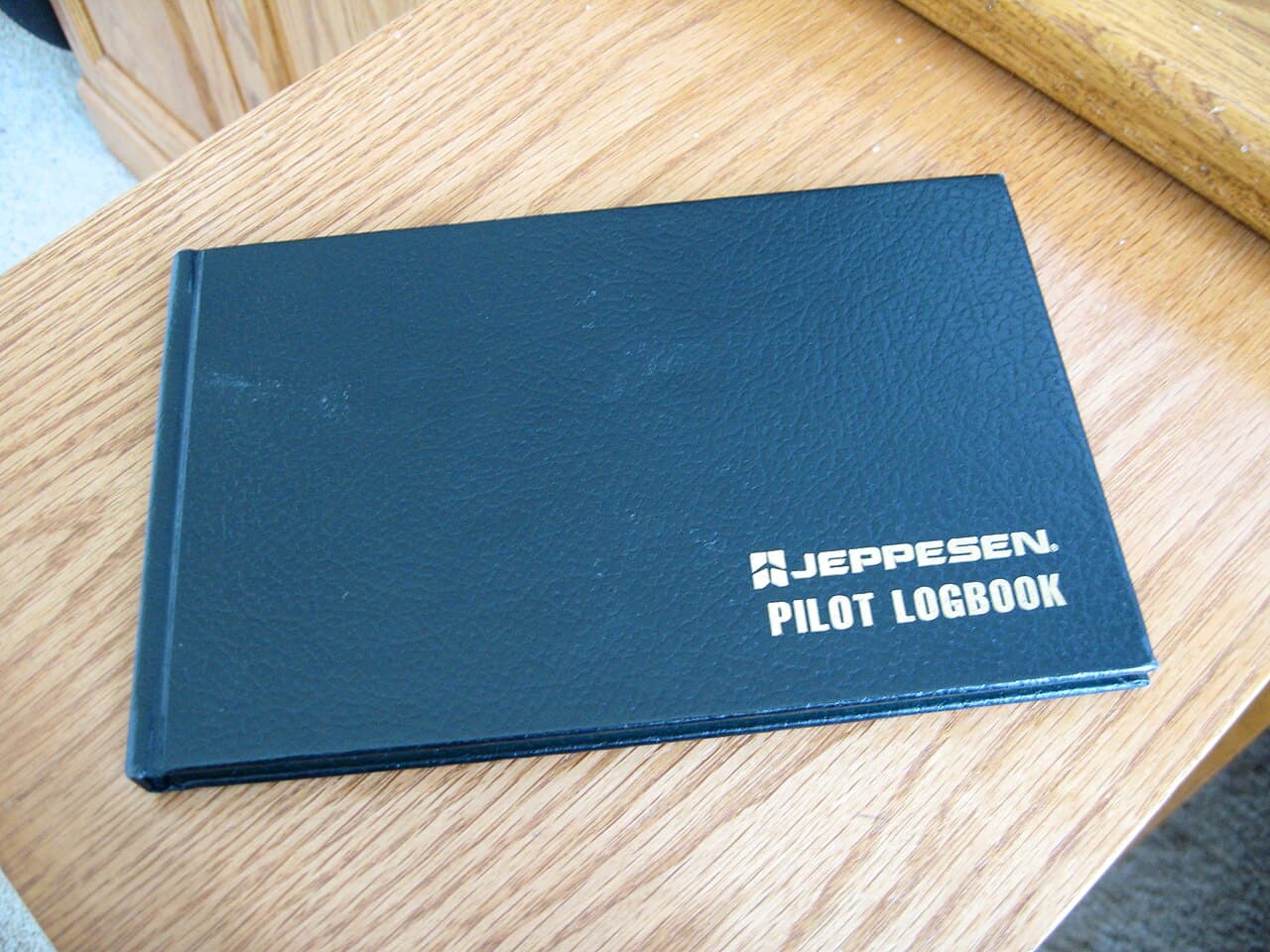
One of the most important pieces of paperwork is the logbook. This book holds the full story of the airplane’s past and helps you understand how it was maintained. These pages show maintenance records, repairs, checks, and notes from mechanics. The goal is to make sure the picture is complete and nothing important is missing.
A good review starts with the basics. Every buyer should move through these items step by step so the process stays calm and clear.
CHECKING FOR COMPLETE ENTRIES
When you open the records, the first thing you want to see is clean, complete logbook entries. These entries show real actions taken by mechanics. You may see notes describing a repair, a replacement, or a scheduled check. A clear entry helps you understand how the airplane was treated over time.
Look for:
- Dates that match the order of work
- Clear writing
- Easy-to-read signatures
- Smooth timelines that show steady care
If something feels out of order, take a moment to pause and examine the details. Missing pages or odd formatting can be early signs that you should ask more questions.
REVIEWING INSPECTION AND COMPLIANCE NOTES
Next, check if past work followed faa rules. These rules protect safety and give owners guidance on how to care for the airplane. Each major inspection should appear in the paperwork with all the details. When an airplane receives proper checks at the right times, you can trust that it was handled correctly.
You should also look for notes connected to airworthiness directives. These items show if important corrections were made after safety notices were issued. When a plane stays updated on these requirements, it remains safe and reliable.
CONFIRMING STRUCTURAL AND PART DETAILS
One important part of the records is knowing the true condition of the airplane’s structure. Details connected to the airframe help you understand the long-term wear on the airplane. You want to see:
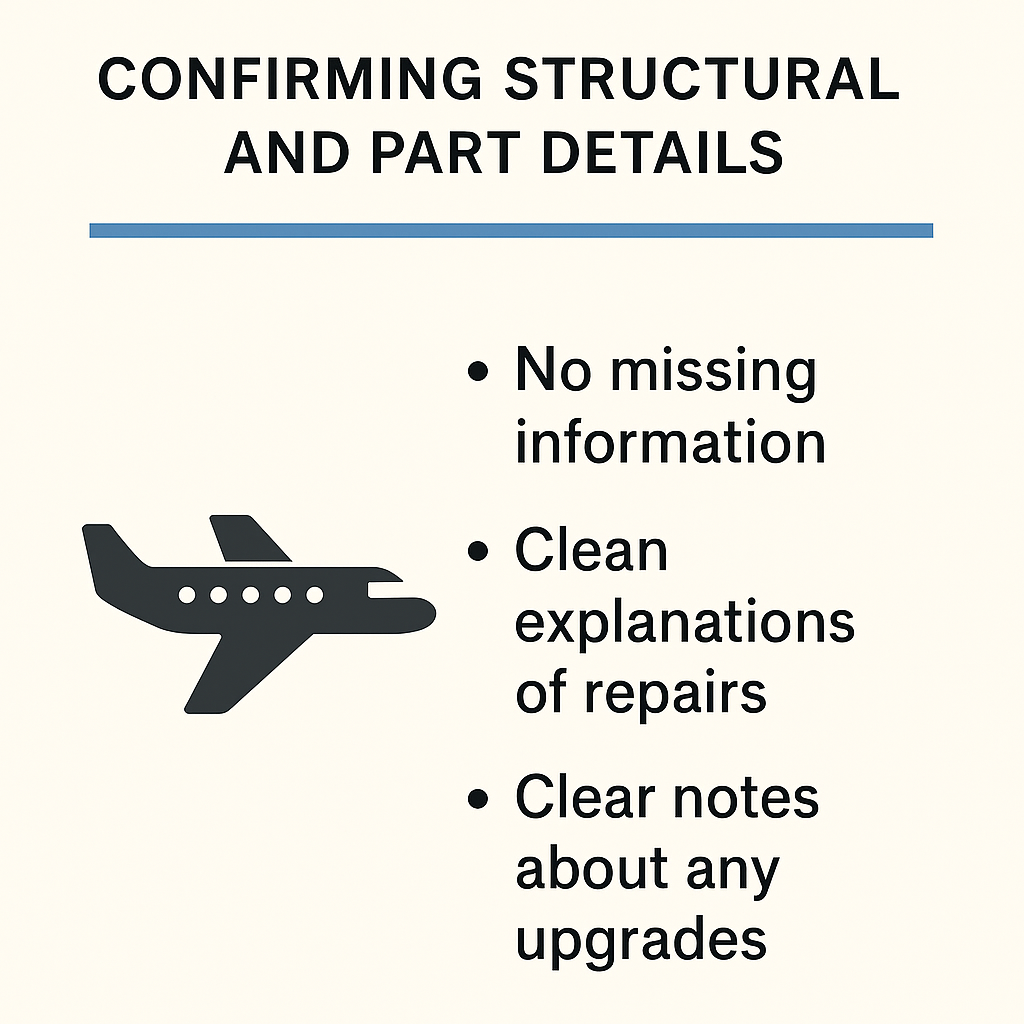
Think of it as checking the backbone of the airplane. If the structure is strong and well-documented, you can feel good about moving forward.
The records should also mention parts like the propeller, landing gear, and any other components that influence flight. Each note should connect to real work and explain when it happened.
CONFIRMING AIRWORTHINESS AND OVERALL HEALTH
Another big step is checking the airplane’s airworthiness. This shows if the airplane meets the required standards for safe flight. When you see proper notes and updates in the aircraft maintenance records, you can feel more confident. Good paperwork gives you evidence, not guesses.
Look for entries tied to:
- Annual reviews
- Major repairs
- System updates
Everything should follow the rules and stay compliant with safety standards. If you ever see a discrepancy, write it down and talk to the seller or a trusted mechanic. Even small mismatches matter because they can point to larger problems.
VERIFYING TIME AND TRACKING DETAILS
One of the most important items in the records is total time. This number shows how long the airplane has flown during its lifetime. A buyer should compare this number across all documents to make sure it matches. When the numbers line up, you know the airplane has been tracked properly.
If anything looks inconsistent, you should ask questions. This helps protect you from purchasing something that was not recorded correctly.
CONFIRMING MODIFICATIONS AND REPAIRS
Any major updates to the airplane must be shown clearly. For example, if the owner made an alteration, it should be listed with clear notes. The entry should say why the work was done, how it was done, and who performed it. Every detail helps you understand the airplane’s true state.
The paperwork should include:
- Dates
- Descriptions of the work performed
- References to parts used
These items help you see the full picture of how the airplane changed over time.
Some modifications require special forms. You may also see notes tied to approvals or paperwork filed after significant updates. Clean documentation helps ensure the airplane is still fully airworthy after all changes.
VERIFYING COMPLIANCE AND DOCUMENT RULES
All logbooks must follow certain rules. One important piece is confirming the mechanic’s certificate number. This shows that the person who signed the entry was qualified to complete the work. When you see this number, you know a trained professional reviewed the repair or inspection.
Another part of the review includes checking any major overhaul. Big repairs like these need complete paperwork. They should show the method used, the parts replaced, and the time it happened. Each item helps you confirm long-term reliability.
A clean overhaul entry usually includes:
- Notes on what was replaced
- Test results
- Compliance checks
If the entry is missing these details, you should ask for clarification.
ENSURING EVERYTHING MATCHES THE AIRPLANE ITSELF
At the end of the review, all records should match the physical airplane. Every entry should connect to a real part, system, or repair. Look at the serial numbers and identification stamps. They should line up with the airplane you are considering.
This final review step protects you from errors or mix-ups. It also helps you feel secure that the airplane you see is the airplane described in the books.
FINAL THOUGHTS ON RECORD VERIFICATION
Taking the time to understand aircraft paperwork might feel slow at first, but the effort pays off. You gain a clear view of how the airplane was treated over the years. You also avoid surprises later, which helps you make a smart buying decision.
When you look at these documents with a careful eye, you protect your investment and create peace of mind. Each small detail helps you build trust in the airplane and its past.
If everything checks out and the records feel clean, you can move forward with confidence.
CONCLUSION
Good aircraft logbook and maintenance history verification gives you a clear view of an airplane’s true condition. It helps you see the care it received, the work it needs, and the level of trust you can place in its past. When you understand how these documents work, you feel more confident as a buyer and more prepared to protect the long-term health of the airplane. If you want expert support with the full process, visit https://flying411.com/ to learn more about aircraft logbook and maintenance history verification: what buyers need to know and explore trusted help for your next purchase.
FAQs
1. WHAT IF A LOGBOOK IS MISSING?
Missing documents can be replaced with affidavits and supporting invoices. A mechanic may also review the aircraft to confirm basic safety status.
2. HOW LONG SHOULD LOGBOOKS BE KEPT?
Keep them for the entire life of the aircraft. They support resale and long-term safety.
3. CAN I USE ONLY DIGITAL LOGS?
Digital logs help, but always keep paper copies, since some buyers prefer physical records.
4. WHO CAN SIGN MAINTENANCE ENTRIES?
An A&P or repair station usually signs them, depending on the type of work completed.
5. WHAT IF I SEE A MISTAKE IN THE RECORDS?
Ask a mechanic to review it. They may correct it with a clear, signed entry.