Buying an airplane is a big moment, and most people want to feel confident before they sign anything. A clear look at the machine helps you understand what you’re getting into before you spend real money. Think of the steps ahead as a friendly walk-through that helps you understand the true condition of an aircraft you are considering so you can move forward with confidence.
What Are Aircraft Pre-Purchase Inspections?
A pre-purchase inspection is a deep look at an aircraft to understand its real shape before someone buys it. When a buyer is looking at buying a used aircraft, they want to know how well it was taken care of, what it can do, and what issues might show up later. A seller benefits too, because the details help avoid problems during talks. This type of review gives both sides a full picture of the general condition of the airplane and helps everyone make smart choices.
A full inspection checks many areas, from the airframe and engine to the avionics and inside equipment. A trained mechanic or technician steps through the airplane carefully and checks for corrosion, delamination, old parts, and signs of past damage. They also read through the logbook to confirm past work and understand the age of the aircraft. When the inspection is usually done correctly, it saves surprises and keeps people from dealing with big expenses later.
You might also hear the term pre-buy inspection, prebuy, or ppi. These terms all point to the same idea: making sure the airplane is airworthy and free from hidden issues. The inspector checks if past work followed manufacturer’s rules, oem guidance, and any faa requirements. They even confirm if forms like the 337 were filed during repairs or major modifications. This helps confirm the airplane meets proper airworthiness standards and follows the correct inspection program.
A deep review also helps spot problem areas that may not be easy to see. For example, old mx work, major repair signs, or poor alteration work can show up in small clues. The person doing the review may use tools like a borescope to look inside parts of the engine without opening it up fully. They check compression, past overhaul work, and any signs the airplane might soon need an engine program or other big service.
The whole process becomes an agreement between the buyer and the seller. A good inspector supports both sides by giving an unbiased report. This allows the buyer and seller to negotiate in a fair way and handle any discrepancy found during the review. In the end, both sides gain peace of mind, and the buyer gets a clear idea of how the airplane will fly, what they may need to rectify, and how much downtime they might face once they take ownership.
During these reviews, people may compare different aircraft, from a Cessna to a Gulfstream, because every aircraft has its own needs. The make and model influences the work, the manual steps, and the effort needed to confirm if the airplane is ready. The goal stays simple: understand the condition of an aircraft so you can move forward with a clean, confident plan.
How To Conduct Aircraft Pre-Purchase Inspections Step By Step
Here is a clear table that lays out the entire pre-purchase inspection process so you can track each part carefully and stay organized:
| Step | Description |
| Step 1 | Review the flight manual, maintenance manual, and all records, including the logbook. |
| Step 2 | Look at past work, repair signs, alteration notes, and check 337 forms. |
| Step 3 | Find a mechanic or a&p who understands the airplane’s make and model. |
| Step 4 | Let the mechanic first look at major systems like the engine, airframe, and landing gear. |
| Step 5 | Allow the inspector to inspect deeper parts using tools such as a borescope. |
| Step 6 | Check the avionics, oem equipment, and any signs of needed upgrade work. |
| Step 7 | Compare the results to the inspection program for that aircraft. |
| Step 8 | Look for airworthiness issues, problem areas, or hints of major repair work. |
| Step 9 | Use the findings to negotiate the price or request a rectify plan. |
| Step 10 | Confirm the pre-purchase inspection done matches the manual and the airplane is airworthy. |
A step-by-step check helps you understand all parts of an airplane clearly. Start by reviewing the previous owner records and going through items like annual inspection notes and any annual done in the past year. When an airplane shows a fresh annual, it does not always mean it is in perfect shape, so the extra review still helps. Follow the checklist line by line so nothing gets skipped.
When you start the hands-on part, the mechanic or technician looks at the airframe and scans for corrosion, loose rivets, or weak points. They read through the maintenance manual to understand past modification work and compare it to the manual instructions. The goal is to learn what the airplane has been through and what signs point to problems that might matter during ownership.
Next, the engine gets a close look. The mechanic studies it for leaks, signs of old work, and wear. They may check compression, oil samples, and past overhaul notes. Some folks use engine program results if the airplane is enrolled, so they can see costs ahead. These details help ensure the aircraft should be inspected to avoid big surprises.
Then, the avionics get attention. This part shows how well the systems work and what might need an upgrade soon. Older screens or radios may still work fine, but it’s good to know when things might fail later. The inspector writes down every detail so the buyer can understand the full picture without guessing.
Once the hands-on work is complete, the review moves to paperwork. This part checks if past work followed faa rules, if form 337 was filed when needed, and if the aircraft meets its inspection program rules. This also confirms if it meets ap or company standards and keeps the plane airworthy.
Last comes the negotiation stage. The buyer takes the findings and talks with the seller. This may mean adjusting price, planning repairs, looking at ways to limit downtime, or asking the seller to fix issues before closing the deal. When everything makes sense, the buyer gets peace of mind. The airplane feels like a smart choice, and they’re ready to fly with confidence.
WHY AIRCRAFT PRE-PURCHASE INSPECTIONS MATTER
A careful look at an airplane before you buy it protects your money, your time, and your safety. People often think they already know what they’re getting, but a closer check can reveal things they didn’t expect. A good review helps you match the airplane to your needs and gives you clear facts you can trust. It also helps you stay calm during the buying experience because the steps feel organized and predictable.
A full review fits neatly into the world of aviation, where details matter and safety comes first. Even a small issue can change how a plane performs, so a thorough look helps you avoid long-term problems. Think of it as a routine step that supports smart buying. You get to see how the airplane was treated, how it runs today, and how it might behave in the future.
A buyer’s goal is simple: understand what the airplane can do and what it might need later. Every aircraft may have tiny issues that weren’t obvious during a quick visit. Missing paperwork, old repairs, or small leaks can show up easily once someone trained takes a closer look. When you slow down and check each system carefully, you get a stronger view of the airplane’s history. This helps a prospective owner avoid stress after the purchase. Real facts make choices easier.
WHY DETAILS MATTER
Each aircraft has different needs. Some have newer parts. Some have older paint or long service histories. A careful check helps you see what you’re truly buying. The buyer learns what needs fixing, what works fine, and what may need attention soon.
A full pre-buy inspection also helps the seller. It builds trust because both sides now look at the same facts. Honest results help both parties work toward a fair deal. The mechanic doing the job supports this with a careful approach that keeps confusion away.
WHAT THIS REVIEW SHOWS YOU
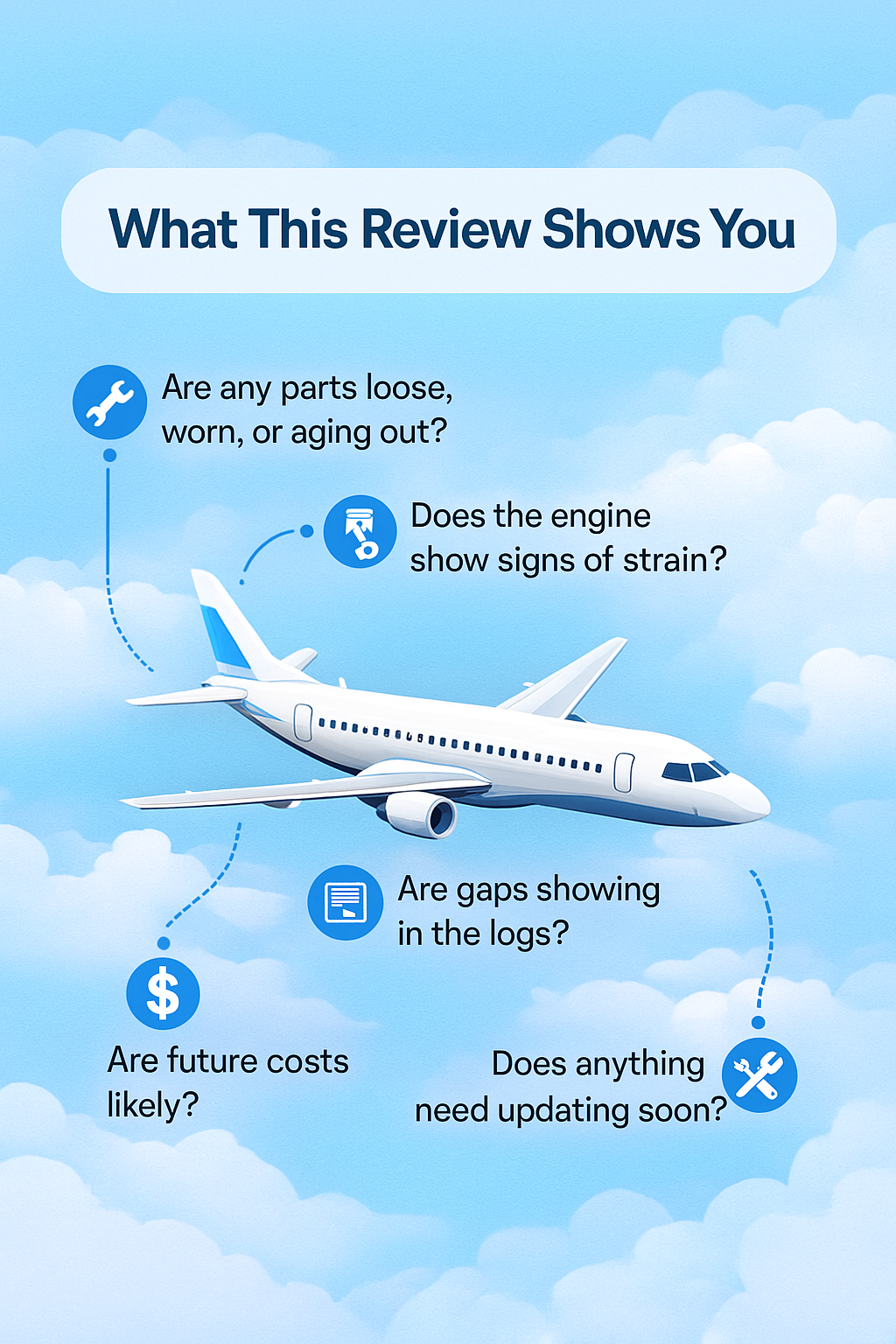
When you see information clearly, your steps become easier to plan. You know where to spend money. You know what upgrades can wait. You know how the airplane will behave once you start flying it.
Another major part of this check is airworthiness. A plane must meet rules that keep it safe to fly. If any parts fall short, a trained person can point those out early. This gives you time to plan repairs or talk about lowering the price. It helps keep stress low.
RECORDS YOU SHOULD NOT SKIP
A big part of the inspection process is reading the airplane’s history. The logbook tells the story of the plane. It shows who worked on it, when work happened, and how different parts changed over time. A good record keeps surprises away.
A careful reader checks for:
- Gaps in entries
- Proper signatures
- Details on past repairs
- Regular service dates
- Matching numbers and forms
When the logs look clean, everyone feels safer moving forward.
HOW IT HELPS BOTH SIDES
A full review supports the buyer and seller. Both sides get the same information. Both sides see the same facts. This helps each person talk honestly and reach agreements with less stress. If repairs are needed, the buyer asks for help. If everything looks good, the seller feels confident in the price.
A careful look also helps everyone understand timing. If work needs to be done, it’s easy to plan for downtime. If the airplane is strong and ready, it can move to the next owner quickly.
HOW THE INSPECTOR CHECKS THE PLANE
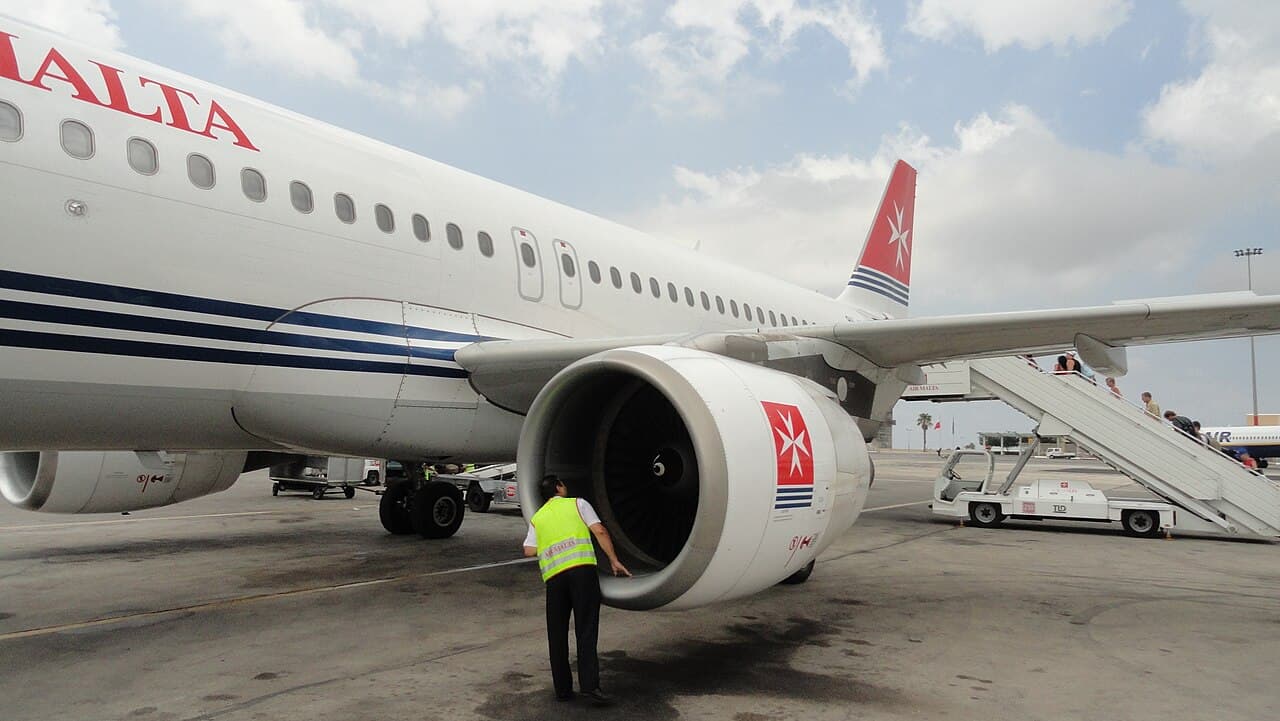
During the hands-on part of the job, someone trained will inspect all major areas. They check the wings, the cabin, the tail, and every key system. They look for cracks, leaks, and other clear signs of wear. They also check the wiring, screens, radio systems, and gauges. Nothing is rushed. Everything gets the right amount of time.
If any modification happened during the airplane’s past, the expert will compare the work to official rules. These rules come from the faa, the manuals, and accepted service steps. This protects the new owner. It makes sure the airplane follows rules that keep it safe in the long run.
Another common task is checking for corrosion. Rust and metal wear can spread slowly and quietly. A trained person knows where trouble hides and how to spot it early. Seeing these signs sooner helps you make smart choices.
HOW IT AFFECTS YOUR FINAL CHOICE
When all parts of the review are complete, the inspector gives you the results clearly. They explain what they saw and what it means. They help you understand which items need attention soon and which ones can wait. They also help you see what the airplane does well.
This part helps you make your final choice with confidence. You know what repairs may cost. You know how soon the next service should happen. You know the airplane’s strengths. With this clarity, you can move forward without worry.
A strong report also shows how well the airplane performs overall. When the structure, engine, and systems look healthy, the path ahead becomes smooth. You feel ready to fly without surprises. A sense of comfort helps you enjoy the purchase instead of stressing about hidden issues.
WHY THE RIGHT HELP MATTERS
A review works best when a trained expert handles it. They know what to look for and how to explain their findings in a simple, useful way. They understand how small clues point to larger issues, and they share that knowledge clearly. This keeps you from guessing, which keeps you safe.
When you see the whole picture, you feel stronger and more sure of your decisions. You understand the airplane better. You understand the costs ahead. You feel more prepared. You also avoid stepping into a purchase that might bring stress later on.
A careful check gives you a view of the airplane that feels fair, steady, and honest. It helps you ask the right questions, plan your next steps, and protect your wallet. With facts in hand, the buying experience becomes steady and smooth, and you can move forward with confidence.
CONCLUSION
A well-planned pre-purchase inspection process gives you confidence and protects your budget. You get clear facts about the airplane, and you can plan for any future work without stress. When you understand the steps and follow them closely, the whole experience feels smooth. If you want support or a place to start browsing, visit Flying411.com to learn more about HOW TO CONDUCT AIRCRAFT PRE-PURCHASE INSPECTIONS and explore helpful tools for your next airplane purchase.
FAQs
1. WHAT DOES A PRE-PURCHASE INSPECTION INCLUDE?
It includes a record review, a hands-on systems check, and a deep look at the engine, airframe, and avionics to confirm the plane’s real condition.
2. HOW LONG DOES A PRE-PURCHASE INSPECTION TAKE?
Many inspections take one to three days, depending on the aircraft and how detailed the review needs to be.
3. WHO SHOULD PERFORM A PRE-PURCHASE INSPECTION?
A certified mechanic or inspector with experience on that specific make and model should do the review.
4. CAN PROBLEMS FOUND DURING THE INSPECTION AFFECT PRICE?
Yes. Buyers often use inspection findings to talk through pricing, repair requests, or adjustments before closing.
5. IS A PRE-PURCHASE INSPECTION REQUIRED BY RULES?
No. It’s optional, but most experts recommend it because it helps prevent unexpected costs and future repair issues.