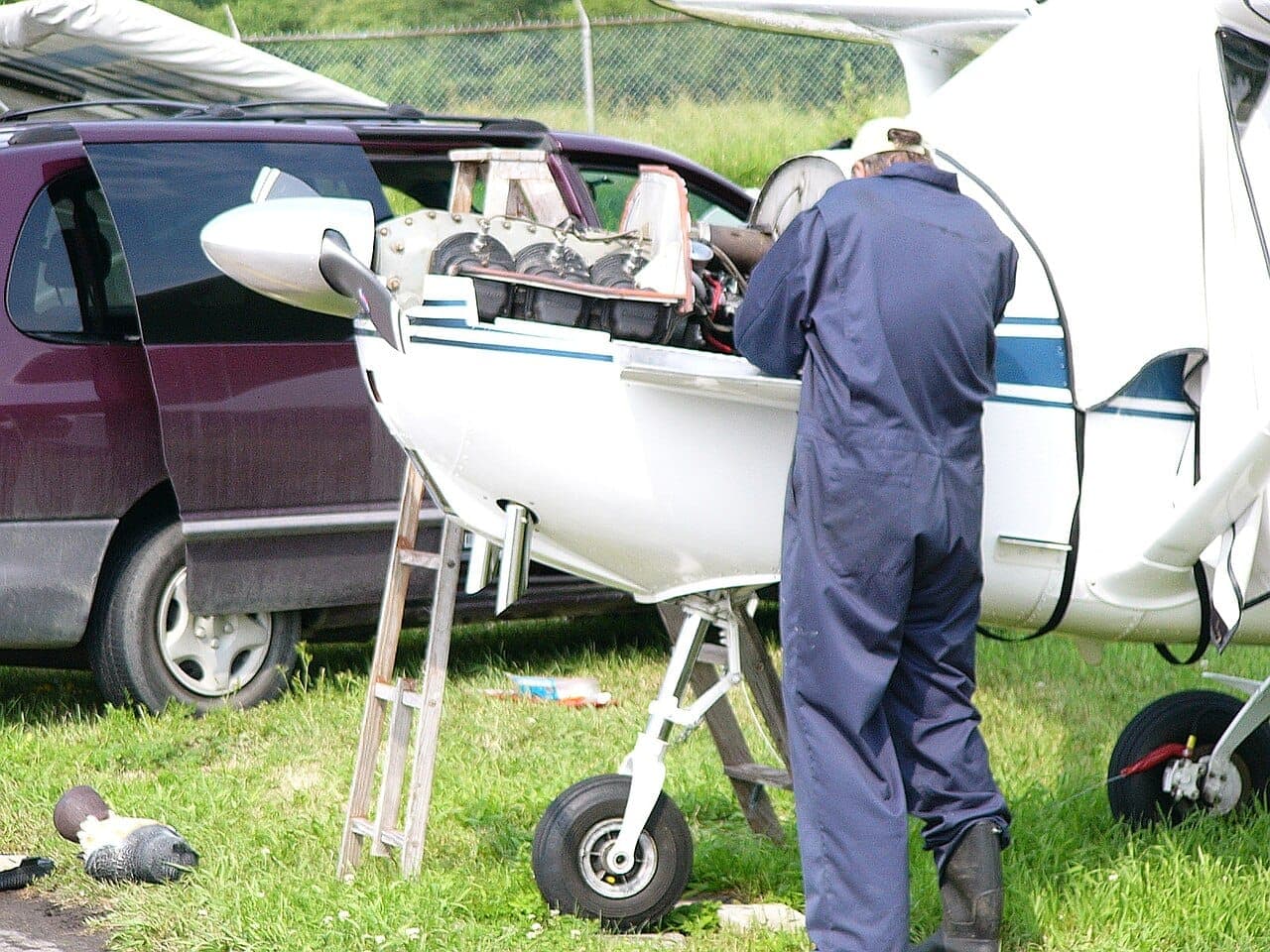

Federal regulation 14 CFR Part 43, Appendix D spells out exactly what an annual inspection has to cover — fuselage, cabin and cockpit, engine and nacelle, landing gear, wings, empennage, propeller, radio, and every other installed item. The pre-buy inspection gets zero words. It appears nowhere in the Federal Aviation Regulations. A pre-buy evaluation has no FAA-prescribed inspection scope, certification requirement or standard report format. A buyer can hire an aircraft specialist or other knowledgeable evaluator, although maintenance performed during the evaluation must comply with the applicable FAA rules and be carried out by properly authorized personnel.
That asymmetry is the whole story behind pre-buy inspection vs annual inspection. One is a legal minimum standard with a government-written checklist. The other is whatever you pay a mechanic to go look at. Buyers get hurt when they assume the regulated one covers the unregulated one's job.
The Short Answer
An annual inspection answers one question — is this airplane legally airworthy today? A pre-buy answers a different one — is this airplane worth what the seller is asking, and what will it cost me over the next two years? If you already own the aircraft, you need the annual and nothing else. If you are buying, you need a pre-buy done by a shop you hired, and the smartest version of that is to have your shop perform the annual inspection as the pre-buy, with you paying for the extra digging. A fresh annual signed off last month by the seller's friend is not a substitute, and treating it like one is how buyers inherit $20,000 of deferred maintenance on a $90,000 airplane.
What the Annual Inspection Actually Covers
Under 14 CFR Section 91.409(a), most standard-category general aviation aircraft must receive an annual inspection within the preceding 12 calendar months and be approved for return to service by an appropriately authorized person, typically an A&P mechanic holding Inspection Authorization. However, Section 91.409 provides exceptions for certain aircraft operating under alternative inspection programs or special airworthiness certificates. The scope comes from Part 43 Appendix D, which starts by requiring the mechanic to remove or open all necessary inspection plates, access doors, cowling and fairings, and to clean the aircraft and engine first. You cannot inspect what you cannot see.
From there it is a group-by-group list. Controls for travel and security. Engine section for fuel and oil leaks. Internal engine condition, judged by cylinder compression and by metal on the screens and sump plug. Landing gear, shock units, brakes, tires. Wing and center section attach bolts. Propeller blades for nicks and the hub for oil leaks. Radios and antenna mounts. Under 14 CFR 43.15(c), the mechanic also has to run the engine and check power output, idle, magneto drop and fuel and oil pressure.
Here is the catch. The annual is a pass/fail test against a minimum. A cylinder showing 62/80 on a differential compression test may be acceptable, but the result must be evaluated against the engine manufacturer's inspection criteria, leakage location, engine condition and any other applicable maintenance guidance. A tired but functional autopilot passes. Faded paint, a cracked interior panel, a GPS with a database three years out of date, logbooks with a two-year gap in the middle — none of that makes an airplane unairworthy, so none of it has to appear in the annual sign-off. The IA is being asked whether the airplane is safe and legal, not whether it is a good deal.
Heads Up: If an IA opens up your airplane and finds it unairworthy, 14 CFR 43.11 requires that the owner be given a signed and dated list of the discrepancies. That list becomes part of the airplane's story. Our guide on what happens when an IA won't sign your annual walks through what that means for both parties.
Edge: Annual — nothing else gives you a federally defined scope and a legal return to service.
What a Pre-Buy Covers That an Annual Never Will
A good pre-buy spends as much time in the paperwork as in the airplane. That means reading every logbook page from delivery forward, building an airworthiness directive compliance list and checking that recurring ADs are actually being complied with on schedule, pulling every FAA Form 337 to find major repairs and alterations, and running a title and lien search through the FAA Registry in Oklahoma City. A clean airplane with a lien on it is still a problem you own after closing.
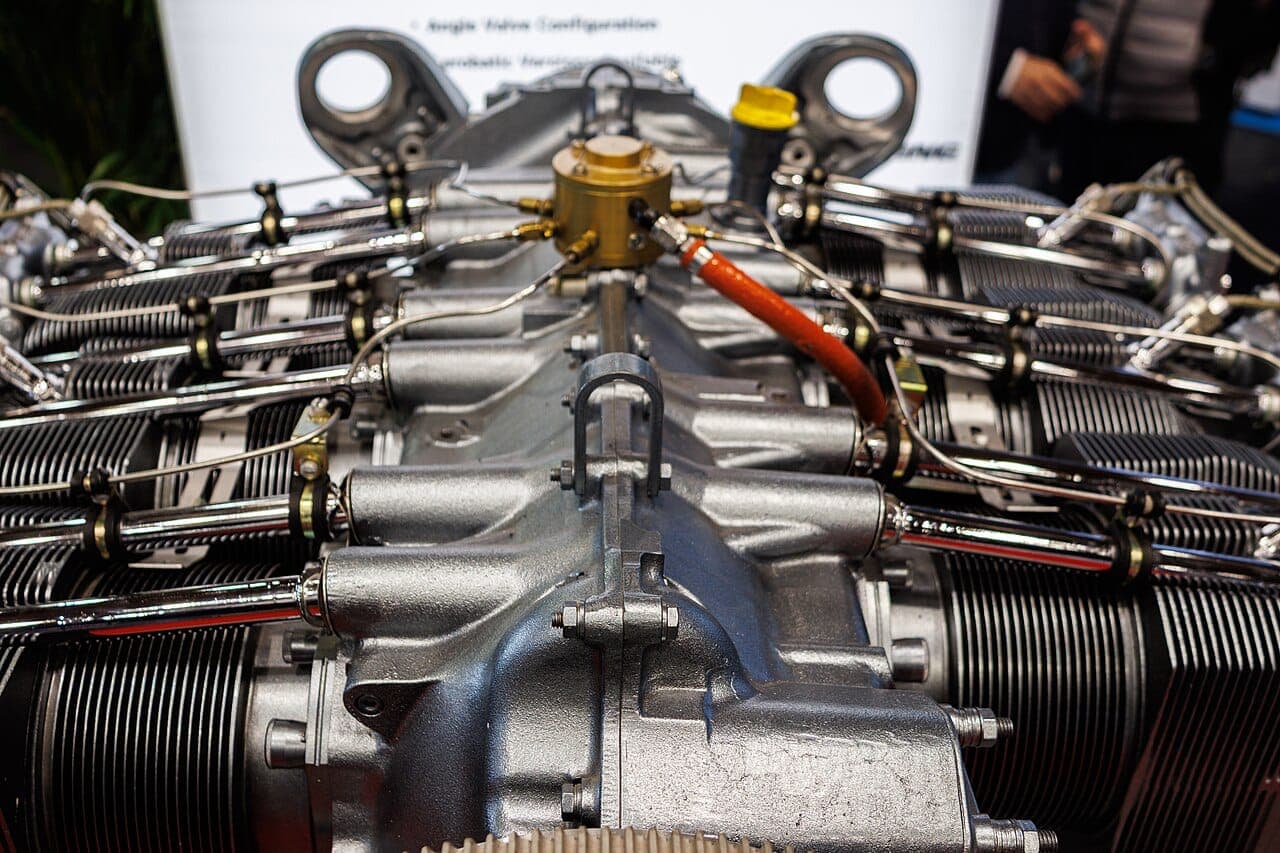
On the airframe, a pre-buy goes looking for the things that cost money rather than the things that are illegal. Corrosion in the belly, under the floorboards and around the battery box. Wing spar and carry-through condition. Evidence of a repaired gear-up landing. Borescope images of every cylinder, not just compression numbers. Oil analysis history and whether the trend is going the wrong way. Calendar-limited items — prop overhaul, ELT battery, hoses, and on a helicopter the 12-year and overhaul limits that can dwarf the purchase price. Our R44 Raven pre-purchase guide is a good example of how type-specific that list gets.
A thorough pre-buy may include a test flight to evaluate handling, engine performance, avionics and other systems under operating conditions. Unlike the engine ground run required before approval following certain annual inspections, a pre-buy flight is not automatically included and should be agreed upon in advance. Does the autopilot hold altitude? Does the airplane fly straight with the ball centered? Do the avionics talk to each other? Does anything smell like fuel in the cabin? A mechanic signing an annual is not required to fly your airplane.
Keep in Mind: A pre-buy report has no legal standing. It is advice, not a return to service. The airplane you buy still needs a current annual before you can legally fly it home unless a ferry permit is arranged.
Edge: Pre-buy — it covers condition, records, title and cost exposure, which is everything a buyer is actually paying to learn.
| Factor | Annual inspection | Pre-buy inspection |
| Required by regulation | Yes — 14 CFR 91.409(a), every 12 calendar months | No — not defined anywhere in the FARs |
| Scope set by | 14 CFR Part 43, Appendix D | The buyer and the shop; type club checklists are the common baseline |
| Who may perform it | An appropriately authorized person, typically an A&P holding Inspection Authorization | No specific FAA certificate required for the evaluation itself; regulated maintenance requires appropriately authorized personnel |
| Engine internals checked | Compression check and screens/sump plug inspection required | Compression plus borescope of every cylinder, oil analysis history |
| Logbook and AD audit | AD status must be current; depth of research varies by shop | Full records review, 337s, damage history, gap analysis |
| Title and lien search | Not part of it | Standard, through the FAA Registry |
| Test flight | Generally not required; applicable engine ground-run requirements under Section 43.15(c) | Optional; arrange in advance with the seller and inspection provider |
| Output | Logbook entry returning aircraft to service, or a signed discrepancy list under 14 CFR 43.11 | A written report with no legal weight |
| Typical inspection labor, piston single | About 12–20 hours before any repairs | About 4–12 hours depending on depth |
| Typical cost, piston single (2025–26 shop rates) | $1,500–$3,500 for the inspection; $3,000–$6,000 all-in with routine squawks | $800–$2,500 for a thorough one; $400–$700 for records-and-walkaround only |
| Typical cost, light piston twin | $3,500–$7,000 for the inspection alone | $2,500–$6,000 |
Flying411 keeps listings, model guides and ownership costs in one place, so you can compare how much inspection risk comes with each type before you ever book a shop.
What Each One Should Cost
General aviation piston shop labor is running roughly $90 to $160 an hour across most of the United States as of 2025, with coastal metro areas and turbine-rated facilities higher. Everything below scales off that number.
For a Cessna 172 or Piper Cherokee, expect the annual inspection itself — opening, inspecting, running, closing, paperwork — to land between $1,500 and $3,500. The variable is what gets found. A well-maintained airplane flown 120 hours a year often closes out near $3,000 all in. One that sat outside in Florida for three years can double or triple that, and corrosion found at annual is the single most expensive surprise in light aircraft ownership.
A pre-buy on the same airplane runs $800 to $2,500 depending on how far the panels come off. The cheap version — a records review and a visual walkaround — is worth something, but it will not find a cracked wing spar carry-through or a hidden 337. Spending under $1,000 to evaluate a $120,000 purchase is false economy. On a light twin, budget $2,500 to $6,000. On a turboprop or light jet, a proper pre-buy at a factory-authorized service center routinely runs $10,000 to $40,000 and more, because it includes engine borescopes, a records audit that can take a week, and often a functional check flight. On those airplanes the inspection is a rounding error against the purchase price; on a $60,000 trainer it is not, which is why buyers in that bracket cut corners and get burned.
Add a few hundred dollars for a title and lien search and typically $500 to $1,000 for an escrow service. Both are cheap insurance.
Pro Tip: Agree in writing, before the airplane goes in the air, who pays for what. The common and fair split: the seller covers repairs required to make the aircraft airworthy and sign the annual; the buyer covers the extra labor for the deeper look, and either walks, renegotiates or buys based on what turns up.
Edge: Annual — it costs more, but you were going to pay for it anyway. The pre-buy is the add-on, and it is the cheapest money in the transaction.
Can a Fresh Annual Replace a Pre-Buy?
No — not when the seller arranged it. Think of it like a used car with a current state inspection sticker. The sticker proves the brakes and lights worked on the day someone looked. It says nothing about the transmission, the accident history, or whether the title is clean.
Three specific problems with leaning on a seller's fresh annual. First, the IA who signed it had no reason to go looking for trouble; the person paying wanted a signature, not a punch list. Second, the annual's standard is airworthy, not good — a mechanic can legally sign an airplane with four cylinders at the low end of acceptable and an engine 200 hours past TBO, because neither condition is automatically unairworthy on a Part 91 aircraft. Third, you have no relationship with that mechanic and no way to ask follow-up questions.
There is a version that does work, and it is what experienced buyers do: the annual-in-lieu-of-pre-buy. You pick the shop, ideally one that knows the type. The airplane goes to that shop. The shop performs a full Appendix D annual with the owner's authorization, and you pay on top for a borescope of every cylinder, a complete logbook and AD audit, a title search and a check flight. You get the legal inspection you were going to need anyway plus the buyer's-eye evaluation, from one mechanic, in one visit.
Heads Up: Some sellers refuse an annual-in-lieu, and they have a reason. If the IA finds the aircraft unairworthy and the deal collapses, the seller is left holding a signed 43.11 discrepancy list and a logbook entry that the next buyer will read. A flat refusal is not automatically a red flag, but ask why, and consider a non-annual pre-buy at a neutral shop instead.
One more wrinkle: timing. If the airplane is already six months into its annual cycle, an annual-in-lieu resets the clock and you get a full 12 months. If the annual was signed three weeks ago, redoing it wastes most of its value — in that case buy a thorough standalone pre-buy at an independent shop and read the just-completed annual's work order line by line. A short work order after a long annual is a tell.
Edge: Pre-buy — a seller's annual proves legality on one day. Only an inspection you commissioned protects your money.
Which One Should You Buy?
The first-time buyer shopping a $90,000 to $150,000 Skyhawk or Cherokee. Annual-in-lieu-of-pre-buy at a shop you choose, not the seller's. Budget $2,500 to $4,000 for the combined inspection and go in expecting to spend more on squawks. Work through a type-specific list first — our Cessna 172 pre-buy checklist is a good template even for other types — and pay attention to avionics, since only some panel upgrades hold their value at resale.
The buyer looking at an airplane that has been sitting. A standalone pre-buy first, before you commit to anything. Seized controls, corroded cylinders, dead fuel bladders and rodent damage are discovery items, and you want them found cheaply before an annual-in-lieu turns into a $15,000 rebuild on someone else's airplane. Start with what to inspect on an airplane that sat for a year, then decide whether it is even worth the shop visit.
The twin, turboprop or helicopter buyer. Full pre-buy at a type-authorized facility, no exceptions, and treat the engine reserves as part of the purchase price. On turbines the inspection question becomes a maintenance-event question — a PT6A hot section versus full overhaul decision can swing a deal by six figures, and you need to know where the engines sit before you sign.
The experimental buyer. Different rules entirely — an owner-built aircraft gets a condition inspection, not an annual, and the builder's logs matter more than anything a mechanic can see. Our RV-6A buying guide covers how that changes the inspection.
Flying411 keeps asking prices, specs and maintenance guides together, so you can compare what inspection depth each price bracket actually justifies.
Spend the Money Before You Sign, Not After
The honest framing of pre-buy inspection vs annual inspection is that they are not competitors at all. The annual is a recurring legal obligation you will carry every 12 months for as long as you own the airplane. The pre-buy is a one-time purchase of information, bought before you have anything to lose. Buyers who confuse the two end up paying for both anyway — once at closing and again when the first real annual under their ownership opens the airplane up properly.
Once the deal closes and the inspection is behind you, plan the handover carefully too; our piece on the first flight after an annual applies just as much to the flight home from a pre-buy shop.
Flying411 keeps aircraft listings and ownership guides in one place, so you can compare candidates on condition and cost rather than on photographs.
When you are ready to compare listings, visitFlying411 and see what is on the market today.