You just spent $25,000 on new avionics for your Cessna 172. The panel looks amazing. Flying feels better than ever. But here comes the hard question: will you get that money back when you sell?
Most pilots don't. The truth stings a little. According to industry experts, avionics upgrades typically return only 50-75% of their total cost at resale. That means your $25,000 upgrade might add just $12,500 to $18,750 to your selling price.
But some upgrades do better than others. Way better. A modern GPS system can return 80% of what you spent. A fancy interior? Maybe 40%. The difference matters when you're planning what to install.
Here's what gets interesting. Some upgrades don't really add value at all. They just keep you from losing it. Think about ADS-B. You need it to fly almost anywhere. Without it, your plane sits on the market forever. Nobody wants to buy your problem.
So which upgrades actually pay off? Let's look at what buyers really care about and where your money goes furthest.
Key Takeaways
The best upgrades for resale value are GPS systems (60-80% return), ADS-B transponders (50-75% return), and glass displays like dual Garmin G5s (50-70% return). Autopilots cost more but add serious value for the right buyers. Paint and interior work help your plane sell faster but don't add much to the price. Never upgrade just to sell—you'll lose money. Do it because you want better flying while you own the plane.
| Upgrade Type | Typical Cost | Value Added | Return Rate |
| GPS (GTN 650/750) | $17,000-$23,000 | $10,000-$18,000 | 60-80% |
| ADS-B Transponder | $6,000-$8,000 | $3,000-$6,000 | 50-75% |
| Dual G5 Displays | $8,000-$11,000 | $5,000-$8,000 | 50-70% |
| Autopilot (GFC 500) | $15,000-$20,000 | $7,500-$14,000 | 50-70% |
| Interior Refresh | $5,000-$12,000 | $2,000-$6,000 | 40-50% |
| Paint Job | $8,000-$15,000 | $5,000-$10,000 | 50-65% |
Why Aircraft Parts Need Paper Trails
Every part on your airplane needs a story. Not the fun kind. The boring, paperwork kind.
When you buy a used part for your Cessna, you need proof it came from a legal source. This proof comes in forms. Yellow tags. Form 8130-3 from the FAA. Logbook entries. These papers show the part was made correctly, fixed correctly, or removed from another aircraft the right way.
Why does this matter so much? Three big reasons:
- Your mechanic won't install it without papers. No papers means no installation. Period. Most mechanics won't risk their license on mystery parts.
- Your insurance might not cover problems. If an undocumented part fails and causes damage, your insurance company can refuse to pay. You eat the whole cost.
- You can't legally fly. The FAA says every part must be traceable. Flying with undocumented parts breaks federal rules. Get caught and you face fines or worse.
Let's talk about what good paperwork looks like. A yellow tag shows a certified repair station worked on the part. It lists what they did and when. Form 8130-3 proves the part meets FAA standards. Some parts come with a manufacturer's certificate. Others need entries in logbooks from mechanics with the right credentials.
The paper trail protects everyone. It shows the part got inspected. It shows someone qualified said the part works and is safe. Without these papers, you're gambling with your life and your wallet.
Think about your Cessann 172 sitting in the hangar. Every prop, every gauge, every radio needs documentation. When you mod or upgrade something, that paperwork gets added to your airframe logs. Future buyers will check those logs. They'll trace every part. Missing papers scare buyers away or tank your selling price.
Smart pilots keep copies of everything. Some scan documents and store them digitally. Others keep physical files. Either way works. The key is having proof when someone asks for it.
The Hidden Costs of Skipping Parts Checks
Buying cheap parts without checking them costs way more than you save. The price tag tricks you. You see a deal and grab it. Then the real bills start coming.
First, your mechanic opens the box. No paperwork inside. He can't install it. You just wasted the part cost plus shipping. Now you need to buy the right part anyway. You're out double the money.
But it gets worse. Say you find a mechanic who'll install it anyway. Bad idea. Really bad. Here's what can happen:
- The part fails. You're flying along and something breaks. Now you need an emergency landing. Maybe you damage the plane. Maybe you get hurt. The cheap part just got very expensive.
- Annual inspection fails. Your mechanic finds the undocumented part during annual. Now you must remove it and buy a legal one. You pay for removal, new part, and installation. Three bills instead of one.
- Insurance denial. Something goes wrong with the sketchy part. Your insurance investigates. They find out the part had no papers. They refuse to pay your claim. You're stuck with a $50,000 repair bill on a $100,000 plane.
- Resale disaster. You try to sell your 172. The buyer's mechanic does a pre-purchase inspection. He finds parts without documentation. The buyer walks away. Or demands a huge price cut. Your shortcut just cost you thousands at selling time.
Let's look at a real example. A pilot bought a used avionics radio for $800. Great price. It should have cost $1,500. No yellow tag came with it. His mechanic refused to install it. He bought a proper one for $1,500. Total cost? $2,300 for a $1,500 radio. Plus, he wasted weeks waiting for parts.
Another story. A Cessna owner found a bargain on a prop. Saved $2,000 on the purchase. But it came from a salvage yard with incomplete paperwork. During his next annual, the inspector red-tagged it. Removal and replacement cost $4,000 in labor alone. Plus the cost of a proper prop. His $2,000 savings turned into a $6,000 loss.
The pattern repeats over and over. Pilots see a deal. They skip the paperwork check. They pay later. Sometimes way later. Sometimes in ways that really hurt.
Checking parts takes time. Maybe an hour to verify documents and call suppliers. That hour saves thousands. It might save your life. Parts fail for a reason. Documented parts have a history. You know they got tested. You know they work. Mystery parts are mystery for a reason.
Understanding the Basic Rules for Used Parts
The FAA doesn't mess around with parts. They set clear rules. Follow them and you stay safe and legal. Ignore them and you risk everything.
Used parts fall into categories. Each category has different rules. Let's break it down simple:
Standard Parts - These are basic hardware. Bolts. Nuts. Washers. You can buy these from regular suppliers. They don't need special paperwork if they meet certain standards. But even these need to be the right grade for aircraft use.
PMA Parts - This means Parts Manufacturer Approval. A company that isn't the original maker got FAA approval to make the part. PMA parts are legal alternatives. They must come with proper paperwork proving they're PMA approved.
Serviceable Parts - These came off other airplanes. They can be reused if they meet standards. They need a yellow tag or Form 8130-3. Someone certified must inspect them and say they're good to go.
Owner-Produced Parts - You can make some parts yourself. Seriously. But you must follow the rules. Your mechanic must approve the part. It must match the original exactly. This works for simple stuff like brackets or fairings. Not for critical parts like engine components.
Here's what you absolutely need for legal used parts:
- Traceability - You must prove where the part came from. Was it removed from another legal aircraft? Did a certified shop rebuild it? Can you show the chain of custody?
- Condition - Someone qualified must inspect the part and document its condition. They must say it meets standards for installation.
- Proper forms - You need Form 8130-3 or a yellow tag from a certified repair station. Some parts need manufacturer certificates. Your mechanic knows which forms apply to which parts.
Let's talk about STC parts. That stands for Supplemental Type Certificate. These are modifications the FAA approved for specific aircraft models. When you buy an STC part, you need the STC paperwork plus the part documentation. Both matter. The STC proves the mod is legal for your plane. The part papers prove your specific part is good.
Example time. You want to do a 180 hp engine upgrade on your Cessna 172. This needs an STC. Companies like Penn Yan and Air Plains have STCs for converting your O-320 to an O-360. You must buy their kit with their STC. The STC paperwork becomes part of your airframe logs forever.
Same deal with avionics upgrades. Installing a new GPS? The installer needs the right forms. They document what they installed and when. This goes in your logs. Future buyers will check these entries. Clean logs with proper documentation make your plane worth more.
Some pilots keep a separate file for major mods. They store copies of STC paperwork, installation records, and photos. Smart move. When you sell, you hand this file to the buyer. It shows you did things right. It adds value.
The bottom line? Used parts are fine. But they must be legal. They must have papers. They must meet standards. Skipping these rules doesn't just break the law. It risks your safety and your wallet. Do it right every time.
The Upgrades That Actually Add Money to Your 172
GPS Systems That Buyers Want
Modern GPS units top the list for smart upgrades. Buyers pay real money for good navigation systems. The Cessna 172 market proves this every day.
The Garmin GTN 650 and GTN 750 lead the pack. These touchscreen units replace old radios and GPS boxes. They do everything. Navigation. Communication. Approach capability for instrument flying. The 650 costs around $10,000 to $13,600 for the unit alone. Add $7,000 to $10,000 for installation. Your total? About $17,000 to $23,000.
What do you get back? Here's the good news. These units return 60% to 80% of your investment at resale. That $20,000 installation adds $12,000 to $16,000 to your selling price. You lose some money. But not as much as other upgrades.
Why do buyers pay extra for GPS? Three main reasons:
- They need it for flying. Modern airspace requires navigation equipment. LPV approaches need WAAS GPS. Buyers want planes they can fly anywhere.
- It's expensive to install. Buyers know what GPS costs. They'd rather pay you a bit extra than deal with installation themselves.
- It works with everything else. Good GPS units talk to autopilots, tablets, and other avionics. The whole panel works better.
Let's compare to older units. A plane with a 1990s GPS sells for $15,000 to $30,000 less than one with a GTN 650. Buyers see old navigation gear as a problem they must fix. They discount heavily for it.
The GTN 750 costs more but adds more value too. Its bigger screen and extra features appeal to serious IFR pilots. If your aircraft targets that market, the 750 makes sense.
Other good options exist. The Garmin GNX 375 combines GPS and ADS-B transponder in one unit. It costs less than a GTN 650. It adds good value for buyers who want basic capability.
One warning. Don't install GPS on a plane worth less than $40,000. The numbers don't work. Your upgrade costs more than the plane's total value. Buyers won't pay enough extra to justify it.
ADS-B: The Upgrade You Must Have
ADS-B isn't optional anymore. The FAA requires it for most airspace. Without it, your Cessna can't fly into busy areas. Can't fly above 10,000 feet altitude. Can't fly in lots of places pilots actually want to go.
This makes ADS-B different from other upgrades. It's not about adding value. It's about not killing your resale price. A plane without ADS-B sits on the market. Buyers walk away. Or they offer you $10,000 to $15,000 less because they know they must install it.
The Garmin GTX 345 gives you the best package. It's a transponder with ADS-B Out and ADS-B In. Out means you broadcast your position. The rule requires this. In means you receive traffic and weather. Not required but super useful.
Cost breakdown:
- Hardware: $4,000 to $5,000
- Installation: $2,000 to $3,000
- Total: $6,000 to $8,000
Value added to resale:
- With ADS-B: Your plane sells at normal market price
- Without ADS-B: Buyers discount $8,000 to $15,000
Do the math. Installing ADS-B costs $6,000 to $8,000. Not having it costs $8,000 to $15,000 in reduced selling price. You actually come out ahead by installing it. Plus, you get to use the traffic and weather features while you own the plane.
The GTX 345 beats the cheaper GTX 335. The 335 does ADS-B Out only. No traffic. No weather. The 345 costs about $1,500 more but adds way more utility. Buyers prefer it.
Some planes use different ADS-B solutions. Tail beacons work. UAT systems work. But panel-mounted transponders like the GTX 345 add the most value. They look professional. They integrate better.
Timing matters with ADS-B. The 2020 deadline passed. Prices dropped after the rush. Good news for you. Installation costs less now. Shops have more availability. Parts are easier to find.
One last point. ADS-B compliance helps planes sell faster. Not just for more money. Faster. Buyers shopping for 172s skip planes without it. They don't even look. Your plane gets more showings. More interest. More offers.
Glass Displays: Modern Instruments That Add Value
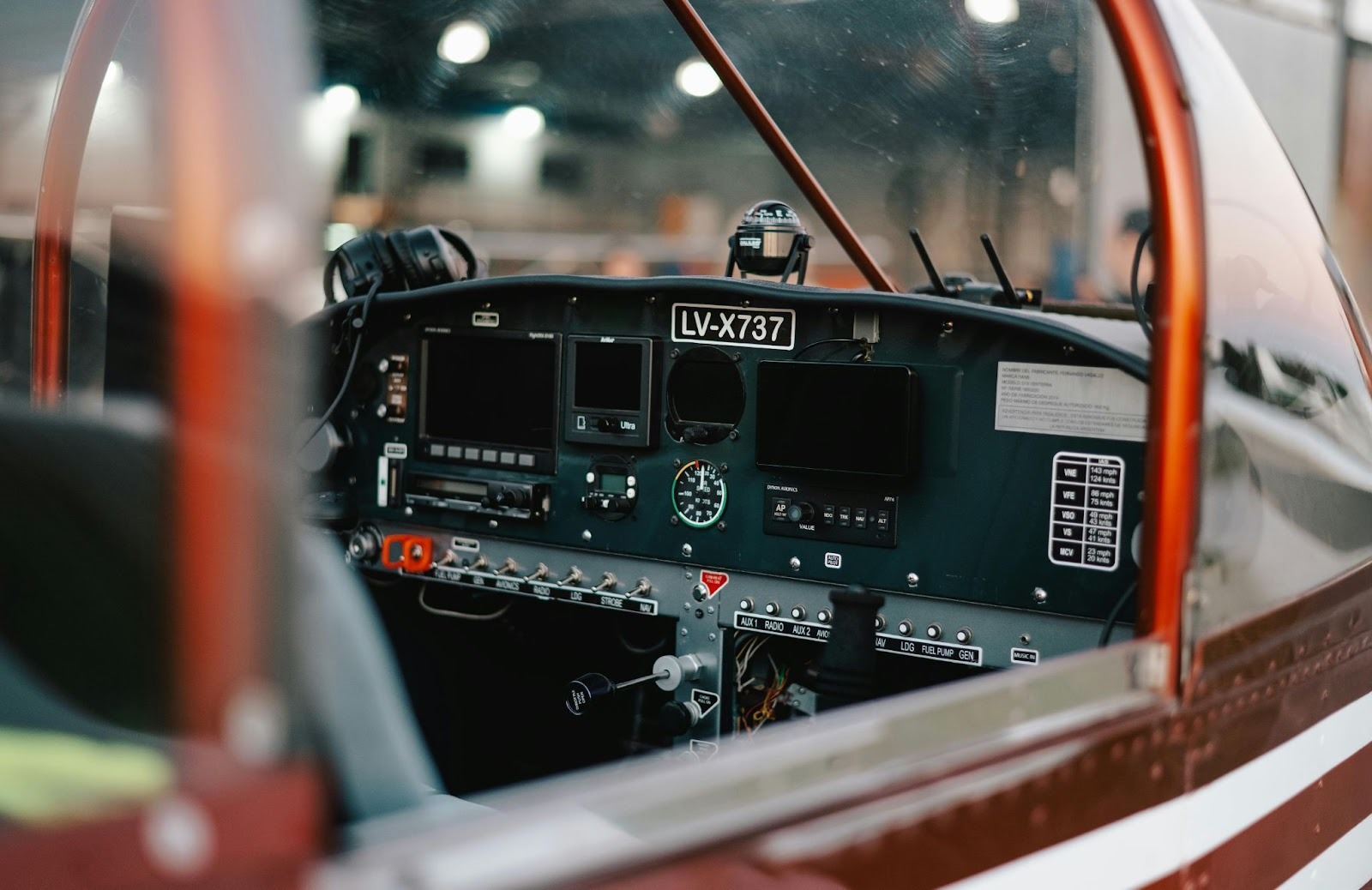
Dual Garmin G5 displays transform an old panel into something modern. They replace your vacuum-powered attitude indicator and heading indicator. Digital. Reliable. Sharp-looking.
Old gyro instruments fail. The vacuum pump dies. Gyros tumble. Repairs cost money. Smart buyers see old steam gauges as future maintenance bills. They either skip your plane or discount it heavily.
The G5 fixes this problem. Each unit costs $2,400 to $3,000. Installing two runs $3,000 to $5,000 total. Your all-in cost? About $8,000 to $11,000.
Return at resale? You get back $5,000 to $8,000. That's 50% to 70% of your money. Not amazing. But respectable. And you get benefits while you own the plane.
Why buyers like G5 displays:
- No vacuum pump. That's one less thing to break. One less annual maintenance item. Lower operating costs.
- Better reliability. Solid-state instruments don't tumble or fail like gyros. They work or they don't. No slow degradation.
- Modern appearance. Glass displays look current. They make a 1970s airplane feel newer. Buyers notice this.
- Backup capability. One G5 can back up the other. You have redundancy. Safer for instrument flying.
The G5 also qualifies your plane as a TAA. That means Technically Advanced Aircraft. Student pilots need TAA time for certain certifications. Flight schools and training buyers pay extra for this capability.
Compare to full glass panels. A G1000 retrofit costs $40,000 to $60,000. Crazy expensive. The value added doesn't justify that cost on older 172s. Dual G5s give you 80% of the benefit for 20% of the price.
The Garmin GI 275 offers another option. It's newer and more capable than the G5. Costs more too. About $4,000 to $5,000 per unit. Better for high-end installations where you want premium features.
One catch. Pre-1976 Cessna 172 models need special panel modifications to fit even the G5. The panel opening is too small. Six Pack Aero makes an STC kit to fix this. But it adds cost and complexity. Later models install easier.
Installation matters. Some shops mount G5s beautifully. Others do sloppy work with visible wires and poor alignment. Good installation adds value. Bad installation hurts it. Pick your shop carefully.
Autopilots: Expensive But Valuable
Autopilots cost serious money. The Garmin GFC 500 runs $15,000 to $20,000 installed. Maybe more depending on your plane. That's a lot of cash for a Cessna 172.
But here's the thing. Autopilots add real value for the right buyers. Pilots who fly IFR pay extra for capable autopilots. They know what difference it makes on a long flight or in the clouds.
The numbers:
- Cost: $15,000 to $20,000 (full install)
- If you have G5s already: About $7,000 (much cheaper)
- Value added: $7,500 to $14,000
- Return rate: 50% to 70%
You lose money on paper. But the absolute dollar amount added is high. A plane with a modern autopilot sells for $7,500 to $14,000 more than one without. That's real money.
The GFC 500 needs a G5 or GI 275 for its attitude reference. If you already installed G5 displays, adding the autopilot later costs way less. The expensive parts are already in. You just add the servos and controller.
What makes autopilots valuable:
- IFR capability. Modern autopilots fly approaches. They track GPS courses perfectly. They make single-pilot IFR safer and easier.
- Fatigue reduction. Long cross-country flights get tiring. Autopilots let you rest. Monitor systems. Plan ahead. Stay sharper.
- Safety features. The GFC 500 includes envelope protection. It keeps you from stalling or over-speeding. It can level the wings if you get disoriented.
GPSS matters too. That's GPS Steering. It lets the autopilot track GPS courses directly. Without GPSS, autopilots only follow heading bugs. GPSS makes the whole system work smoothly. Buyers care about this detail.
Who pays extra for autopilots? Instrument-rated pilots. Older pilots who value reduced workload. Pilots who fly long trips regularly. But VFR-only recreational flyers? They won't pay much extra for autopilot capability they won't use.
Match the upgrade to your market. If you're selling to a training school, autopilots matter less. Students must hand-fly. But if you're targeting IFR pilots buying for travel, autopilots add serious appeal.
The reality check. Many older 172s are worth $60,000 to $80,000. A $20,000 autopilot install equals 25% to 33% of the plane's value. You'll never recoup that percentage. But if you fly IFR regularly and plan to keep the plane five years, the utility justifies the cost.
The Upgrades That Don't Pay Off
Let's talk about money losers. Some upgrades make your plane nicer. They don't make it worth more. Much more. Interior work tops this list.
A full interior refurbishment costs $5,000 to $12,000. New seats. Fresh carpet. Nice sidewalls. It looks fantastic. Smells new. Feels luxurious.
Value added? Maybe $2,000 to $6,000. Often less than 50% return. Sometimes as low as 40%.
Why so bad? Interior is personal. Subjective. Your taste isn't the buyer's taste. You picked blue. They wanted tan. You chose leather. They prefer cloth. One person's upgrade is another person's disappointment.
Buyers expect interiors to be worn on older planes. They budget for eventual replacement. Seeing a new interior is nice. But they won't pay huge money for it. They'd rather negotiate a good price and update the interior themselves later.
Paint works the same way. A fresh paint job costs $8,000 to $15,000. Professional shops charge more for complex designs. Multiple colors. Detailed striping.
Value added? About $5,000 to $10,000. Return rate of 50% to 65%. Not terrible. But not great either.
Paint helps your plane sell faster. It looks better in photos. It attracts more showings. But buyers know paint doesn't affect how the plane flies. They care more about engine time and avionics than paint scheme.
The worst offense? Over-upgrading. Some owners put $60,000 in avionics into a $50,000 airframe. The math never works. Their upgrade package costs more than the whole plane is worth.
Buyers won't pay full value for this. They see a plane worth $50,000. Maybe they'll pay $65,000 to $70,000 for the nice panel. But they won't pay $110,000. The owner loses $40,000 to $45,000 of upgrade cost.
This happens a lot with engine upgrades. A Penn Yan 180 hp conversion costs $35,000 to $50,000. Great upgrade. Transforms performance. But it only adds $15,000 to $30,000 to resale value. You lose $20,000 minimum on that deal.
When does it make sense anyway? When you plan to keep the plane long-term. When your engine needs overhaul anyway. When the performance gain matters more than the money.
Never upgrade to sell. Do it to enjoy. The flying experience is the return. The resale value is just a bonus.
How Much Money You'll Actually Get Back
The Math on Popular Upgrade Packages
Let's run real numbers. You want to upgrade your Cessna 172 with a complete panel package. Here's what it looks like:
Package One: Basic IFR Panel
- Garmin GTN 650 GPS: $17,000
- Garmin GTX 345 transponder: $7,000
- PS Engineering audio panel: $3,000
- Total cost: $27,000
Value added: $15,000 to $20,000
Money lost: $7,000 to $12,000
You pocket about 55% to 75% of your investment. Not terrible. You get modern avionics that make flying easier and safer. You enjoy them for years. Then you get most of the money back.
Package Two: Full Glass Panel
- Garmin GTN 750: $20,000
- Dual Garmin G5: $10,000
- Garmin GTX 345: $7,000
- Audio panel: $3,000
- Total cost: $40,000
Value added: $24,000 to $30,000
Money lost: $10,000 to $16,000
Return rate drops to 60% to 75%. But the absolute value added is higher. Your plane sells for a lot more than one with steam gauges.
Package Three: Complete Modern Panel
- Garmin GTN 750: $20,000
- Dual G5: $10,000
- GFC 500 autopilot: $18,000
- GTX 345: $7,000
- Audio panel: $3,000
- Engine monitor: $4,000
- Total cost: $62,000
Value added: $35,000 to $45,000
Money lost: $17,000 to $27,000
Big upgrade. Big cost. Still lose money. But you get a 172 that flies like something worth $100,000 more.
The pattern is clear. You never get dollar-for-dollar return. Ever. The bigger the upgrade, the more actual dollars you lose. But the percentage return stays roughly the same across packages.
Now let's talk about timing. When you install matters.
Install and keep five years: You enjoy the upgrades for hundreds of flight hours. The cost spreads over lots of trips. The value you get from better flying justifies the loss at sale.
Install and sell in one year: Terrible plan. You pay full installation cost. You barely use the gear. You immediately lose $10,000 to $30,000 depending on package size. Don't do this.
Some pilots ask if they should upgrade before selling. Almost never. Spend $40,000. Add $25,000 to selling price. Lose $15,000. Better to sell as-is. Let the buyer spend the money if they want.
Exception? If your avionics are so old nobody wants them. If you have 1970s radios. No GPS. No ADS-B. Then you must upgrade something. But keep it minimal. Add ADS-B compliance. Maybe a basic GPS. Don't go crazy.
Why You Shouldn't Upgrade Just to Sell
Here's the honest truth every pilot needs to hear. Upgrading your plane to increase resale value is a losing strategy. Almost always.
The math works against you. You spend $20,000. You get back $12,000 to $15,000. You lose $5,000 to $8,000. Every single time.
Why do people still do it? They trick themselves. They think their plane is special. They believe buyers will see the value and pay full price. Buyers don't. They never do.
Buyers think like buyers. They see used airplane parts. They discount for age. They factor in risk. They compare to other planes on the market. They offer what comparable planes sell for. Not what you spent.
The smart play? Upgrade for you. Install the avionics you want. Fly the plane. Enjoy it. Get your money's worth through better flying. When you sell, you'll lose some money. But you already got the real value.
Think about it differently. That $20,000 GPS upgrade gives you years of better navigation. Safer approaches. Easier flight planning. Less stress. More capability. More trips you can take. That's worth something. A lot of something.
When sale time comes, the resale value is bonus money. Not the main event. You already got paid in experiences and utility.
Only upgrade to sell if:
- Your gear is dangerously obsolete. We're talking 1980s equipment that makes your plane unsellable.
- You need ADS-B for compliance. This one pays for itself by avoiding price cuts.
- The upgrade is cheap and high-return. Maybe a $2,000 fix that adds $2,500 in value. Rare but possible.
Otherwise? Keep your money. Sell the plane as-is. Let the buyer decide what they want. You'll lose less money this way.
Some owners disagree. They say their nice panel helped their plane sell faster. True. But faster doesn't mean more money. And the time value rarely justifies losing thousands on upgrades.
Be honest with yourself. Are you upgrading to fly better? Or gambling that buyers will pay more? One is smart. One is expensive hope.
Making Smart Upgrade Choices for Your 172
Match Upgrades to Your Plane's Value
Your plane's worth determines how much you should spend. This rule sounds obvious. Pilots break it constantly.
A $40,000 172 shouldn't get a $60,000 panel. The math is silly. You now own $100,000 of airplane. But it only sells for $55,000 to $65,000. You lost $35,000 to $45,000. That's not an upgrade. That's lighting money on fire.
How much is reasonable? Most experts say keep upgrades to 30% or less of aircraft value. Some stretch to 50% if the plane has low time and good bones.
Examples:
$50,000 plane: Budget $15,000 to $25,000 for upgrades
$80,000 plane: Budget $25,000 to $40,000 for upgrades
$120,000 plane: Budget $35,000 to $60,000 for upgrades
These ranges make sense. They improve the plane significantly. They don't bury you in losses at sale time.
But what if you want more? What if you love your plane and want the ultimate panel?
Then accept reality. You're not investing. You're spending. You're buying enjoyment. You'll lose money when you sell. That's okay if you understand it going in.
Some pilots keep planes forever. Or close to it. Twenty years. Thirty years. For them, upgrade limits matter less. They spread the cost over decades. The yearly cost per hour becomes tiny.
Other pilots trade up every five years. For them, upgrade costs hit hard. They never recoup the investment. They should keep modifications minimal.
Think about your airframe too. An old plane with 8,000 hours? Don't dump money in. It's lived its life. A newer plane with 2,000 hours? Better candidate for upgrades. You'll use them longer.
Engine time matters. If your Lycoming needs overhaul in 200 hours, wait. Do the overhaul first. Then think about panel upgrades. Otherwise, you're putting gold rims on a car that needs an engine.
Location affects this too. Planes in busy training markets get beaten up. Lots of students. Hard landings. Fast wear. Lower resale values. Less justification for expensive upgrades.
Planes in private owner markets? Often worth more. Better maintained. Lower hours. They justify nicer upgrades that appeal to discriminating buyers.
Buy Already-Upgraded Planes When Possible
Here's a secret that saves you thousands. Let someone else take the upgrade loss.
Remember the math? A $20,000 upgrade adds $12,000 to $15,000 in value. The first owner loses $5,000 to $8,000. You can be the second owner. You pay the $12,000 to $15,000. You get the $20,000 system.
You pocket the difference. $5,000 to $8,000 in free value. The seller paid for the privilege of installing nice avionics. You get the benefit.
This works all the time. Check listings. Compare planes. One has a $40,000 panel and costs $20,000 more than a similar plane with old avionics. Buy the upgraded one. You saved $20,000 over doing it yourself.
The same propeller logic applies to engine upgrades. A 180 hp conversion costs $40,000. It adds $20,000 to resale. Find a plane already upgraded. Pay the extra $20,000. You just saved $20,000 over converting a stock plane.
Buyers sometimes worry about used avionics. Will they work? Are they current? These are fair questions.
Here's how to check:
- Verify equipment age. GPS units older than 10 years might be obsolete soon. Newer stuff is safer.
- Check for database subscriptions. Are they current? Can you transfer them?
- Look at installation quality. Good shops do clean wiring. Bad shops create problems.
- Get a pre-purchase inspection. Have an avionics shop check everything. They'll find issues.
If the upgrades check out? Buy it. You get instant capability for half the price.
One warning. Don't buy junk. Some planes have outdated upgrades. A GPS from 2005 isn't valuable. Neither is a 1990s autopilot. Make sure the upgrades are current enough to be useful.
Look for these timeframes:
- GPS: 2015 or newer preferred
- Transponders: Must have ADS-B (2020+ ideal)
- Autopilots: 2017 or newer digital systems
- Glass displays: Any age G5 is fine (introduced 2016)
Older than these ranges? The upgrade might not add much value. You're buying dated technology that you'll want to replace soon.
The Best Time to Upgrade
Timing matters. Upgrade at the right moment and the pain lessens. Wrong moment and you waste money.
Best times to upgrade:
When something breaks. Your old GPS dies. You need a replacement anyway. Now's the time to go modern. You'd spend money no matter what. Might as well spend it on something current.
When your mission changes. You got your instrument rating. Now you need IFR avionics. Or you're taking longer trips and want an autopilot. The new capability justifies the cost.
After a major overhaul. You just spent $30,000 on a new engine. Your plane will be around for years. Now makes sense to upgrade the panel. You'll use it for the engine's whole life.
When you plan to keep the plane long-term. Five years minimum. Ten years better. The longer you keep it, the more use you extract. The cost per hour drops.
Worst times to upgrade:
Right before selling. Terrible. You pay full price. Add little value. Lose maximum money.
When the plane has high time. Your airframe has 10,000 hours. It's tired. Why dump money into it? Fly it as-is or sell it cheap.
When you're unsure about keeping it. Maybe you'll sell. Maybe you'll keep it. Don't upgrade until you decide. You might waste the money.
When better technology is coming soon. New products get announced. Wait a few months. The new stuff might be worth having.
Market timing matters too. In strong markets, planes sell fast and for good money. Upgrades add value because buyers compete. In weak markets, planes sit. Buyers lowball. Upgrades return less.
The 2020 to 2023 period showed strong markets. Planes sold quickly. Sellers got top dollar. Upgrades paid off better than usual. But that cycle ended. Markets softened. Returns dropped.
Watch market trends. If prices are rising, upgrades might pay better. If prices are falling, hold off. Wait for stability.
Some pilots use a five-year rule. Upgrade only if you'll keep the plane five more years minimum. Over five years, the cost per flight hour becomes reasonable. Under five years, you never break even on enjoyment value.
Your age matters too. Older pilots might not fly enough years to justify big upgrades. Younger pilots have decades to use the new gear. Calculate your likely flight hours over your ownership period.
Conclusion
Upgrading your Cessna 172 costs money. You won't get it all back. That's reality. But some upgrades return way more than others.
GPS systems give the best financial return at 60% to 80%. ADS-B keeps you from losing money. Glass displays and autopilots add value for serious buyers. Interior and paint? They help you sell faster but don't boost the price much.
The real lesson is this. Upgrade for better flying. Install the avionics that make your trips safer and easier. Enjoy them while you own the plane. The resale value is a bonus. Not the goal.
Match your upgrades to your plane's worth. Don't put a $60,000 panel in a $40,000 airplane. Buy already-upgraded planes when you can. Let someone else take the first-owner loss.
And remember. The best upgrade is the one you'll actually use for years. The money you get back is just numbers. The flying you do is what matters.
Ready to find your next Cessna 172? Whether you're looking for one with modern avionics already installed or a clean platform for your own upgrades, Flying411 connects you with quality aircraft listings across the country. Browse our selection today and find the plane that fits your mission and budget.
Frequently Asked Questions
How long should I keep my 172 after upgrading to break even on the cost?
You won't break even financially. Upgrades return 50% to 80% of costs at resale. But you can maximize value by keeping the plane five to ten years minimum. Over that time, the cost per flight hour becomes reasonable. Think of it as paying for better capability rather than recovering the investment. The more you fly during your ownership, the better the value proposition becomes.
Will modern avionics help my plane sell faster even if I don't get full value back?
Yes. Planes with current GPS, ADS-B, and glass displays attract more buyers and sell significantly faster. Buyers shopping for 172s often skip listings with outdated panels entirely. Your plane gets more showings, more serious inquiries, and sells in weeks instead of months. Speed matters when you're paying hangar rent and insurance on a plane you're trying to move.
Can I install avionics myself to save money and improve my return?
Only if you're qualified and the parts allow owner-produced work. Most avionics installations require a certified technician because they involve major alterations. You can do some simple tasks like running wires under supervision. But transponders, GPS units, and autopilots must be installed by properly certified shops. Trying to DIY complex avionics creates liability issues and can make your plane unsellable.
Should I finance avionics upgrades or pay cash?
Pay cash if possible. Avionics financing comes with interest costs that worsen your return on investment. If you must finance, keep the term short. Three years maximum. Remember you're borrowing money for something that immediately loses value. The longer the loan, the worse the economics become. Only finance if you absolutely need the capability right now and can't wait to save.
What happens to my upgrade value if technology changes and newer systems come out?
Your upgrades depreciate as newer technology arrives. A GTN 650 from 2015 isn't worth as much as one from 2023. Plan for 10% to 20% value erosion over five years as better systems hit the market. This is normal. Cars do it. Electronics do it. Aviation equipment does it too. Buy current technology that will stay relevant for at least five to seven years.