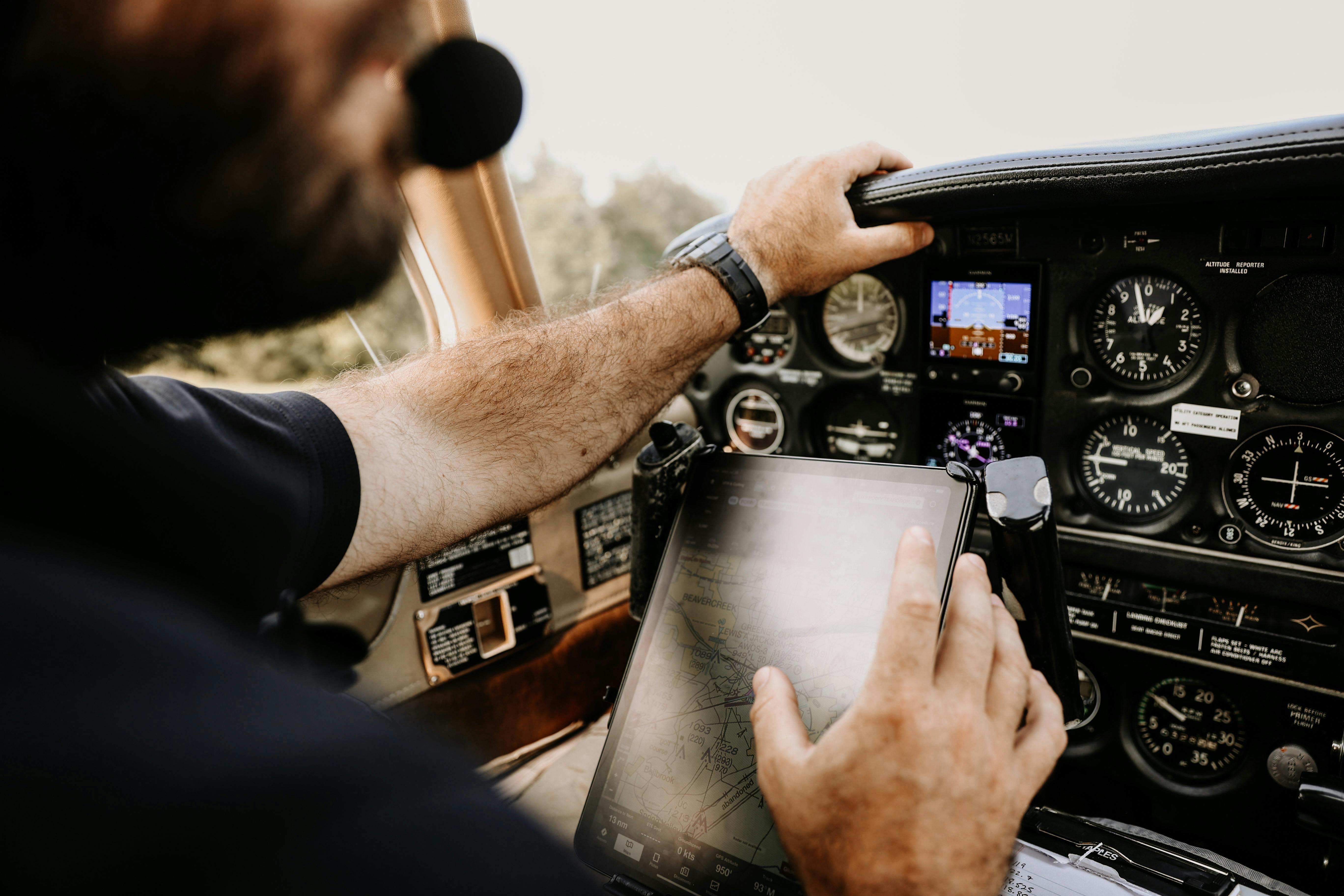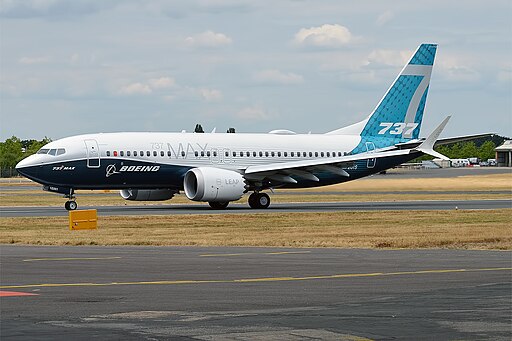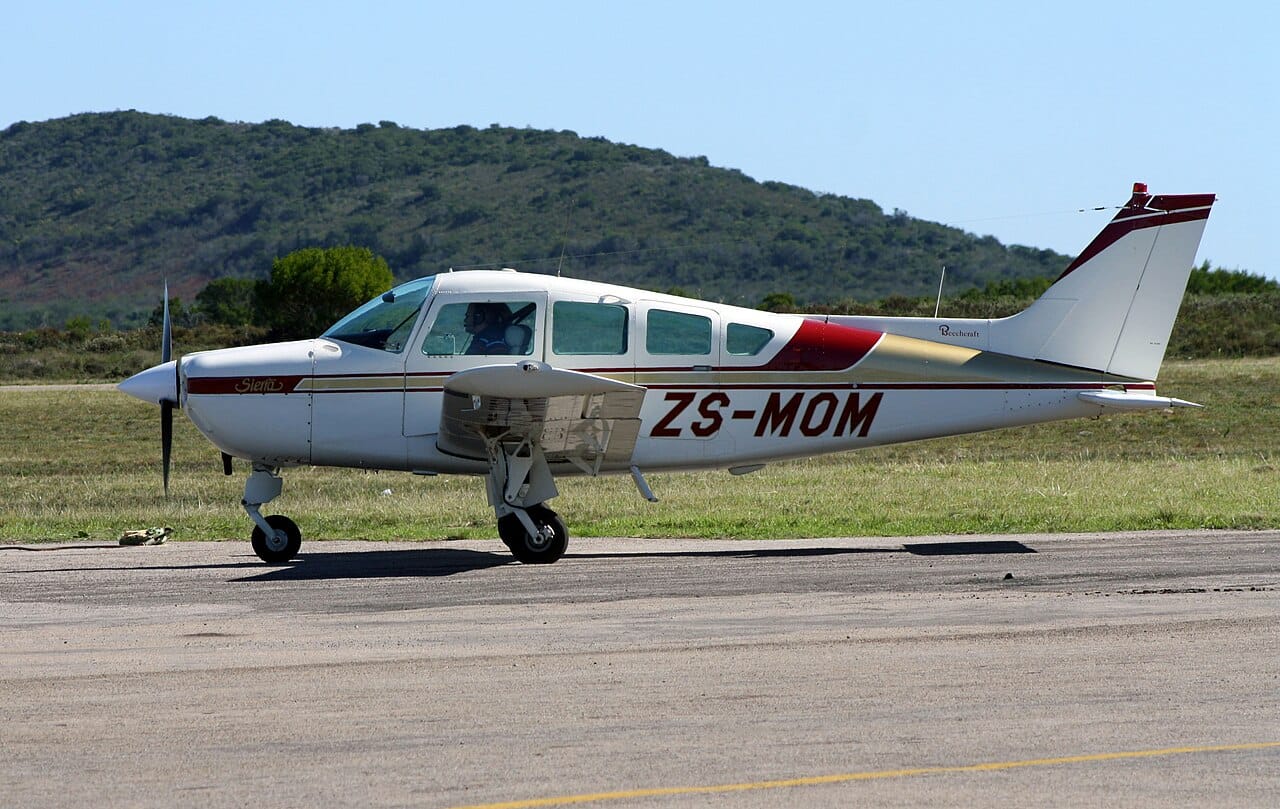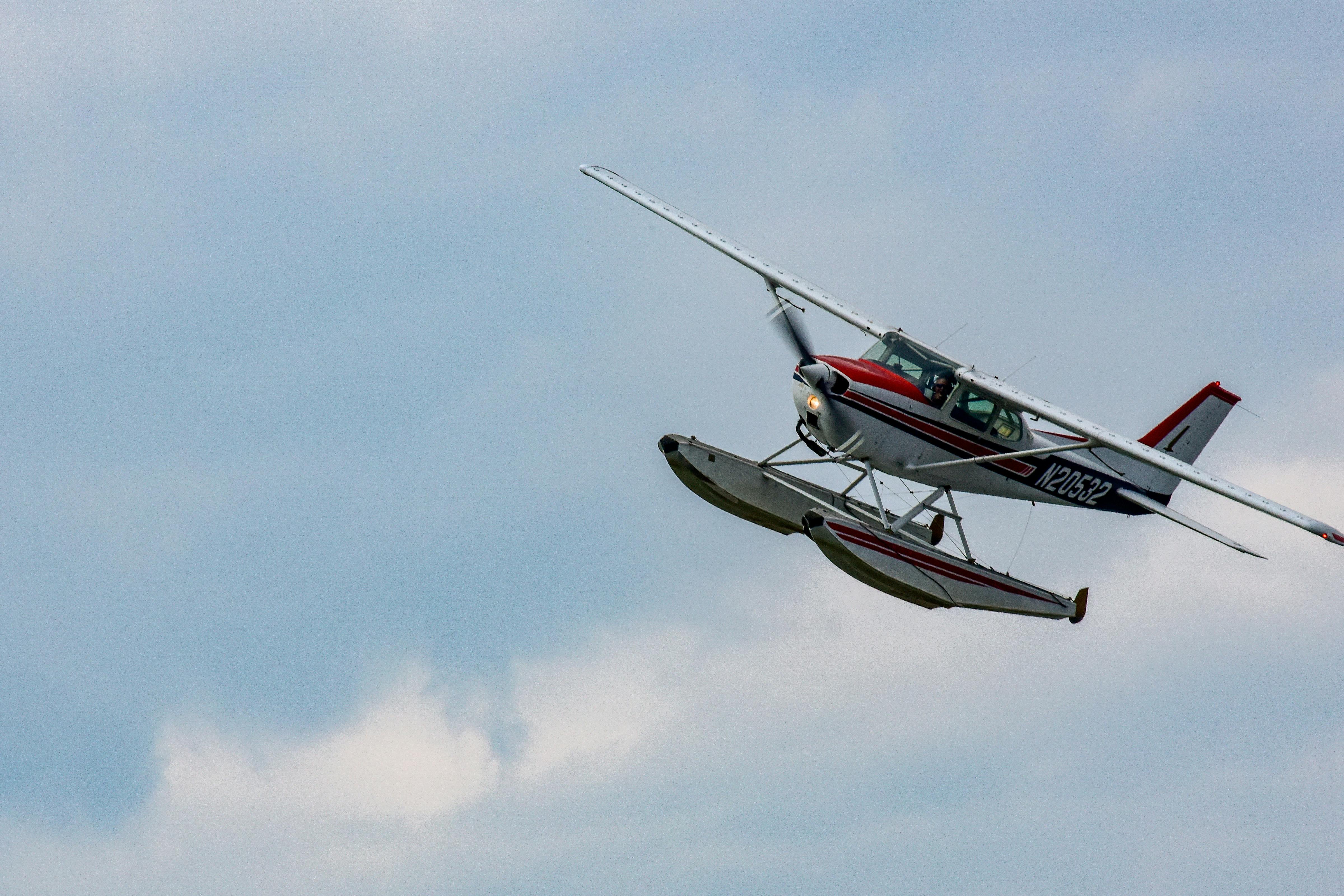
There's a moment every pilot remembers. The wheels lift off the runway, the ground tilts away, and suddenly the world looks smaller and bigger at the same time. For some people, that moment becomes a hobby. A weekend habit. A reason to wake up early on Saturdays and check the weather before the coffee finishes brewing.
Flying as a hobby is one of those pursuits that sounds out of reach until you actually look into it. It's not reserved for retired airline captains or millionaires with private jets parked behind their houses. Plenty of regular people, with regular jobs and regular budgets, fly small planes purely for fun. They take their kids on $100 hamburger runs to nearby airports. They join flying clubs. They tinker with old Cessnas in hangars on quiet afternoons.
Of course, the sky isn't free, and neither is the path to it. There are licenses to earn, costs to plan for, and habits to keep up so the skills don't fade.
The good news is that the barrier to entry is lower than most people think, and the rewards have a way of paying back the effort. The sky has a strange way of changing people who spend time in it.
Key Takeaways
Flying as a hobby means earning a pilot certificate and flying small aircraft for personal enjoyment, not for pay. Most hobby pilots start with a Sport Pilot or Private Pilot certificate, train at a local flight school, and fly single-engine planes on weekends. It takes a real commitment of time and money, but it's far more accessible than most people assume.
| What You Need to Know | The Short Answer |
| Common entry license | Sport Pilot or Private Pilot certificate |
| Typical training time | A few months to a year (varies widely) |
| Where to learn | Local flight schools or flying clubs |
| Most common hobby aircraft | Light single-engine planes like Cessna 172s, Piper Cherokees, and LSAs |
| Medical requirement | Class 3 Medical or BasicMed for private pilots; self-certification for sport pilots |
| Ongoing requirement | Flight reviews every 24 months and regular practice to stay sharp |
| Biggest costs | Flight training, aircraft rental or ownership, fuel, maintenance, insurance |
Flying411 is built for exactly this kind of pilot. The marketplace and blog connect new and experienced aviators with aircraft, parts, and the people who keep them flying.
What It Means to Fly as a Hobby
Flying as a hobby simply means flying for personal enjoyment rather than for a paycheck. You aren't shuttling paying passengers or hauling cargo for hire. You're flying because you love it, the same way someone else might love sailing, motorcycle riding, or restoring old cars.
Most hobby pilots fly on weekends or evenings when the weather cooperates. They might take short trips to nearby airports for lunch, fly family members to a vacation spot a few hundred miles away, or just go up for an hour to practice landings and clear their head. Some join flying clubs and share aircraft with other members. Others save up and buy their own plane, which becomes a long-term project as much as a vehicle.
The hobby looks different for different people. A retired teacher in Florida might fly a Light Sport Aircraft along the coast on calm mornings. A software engineer in Colorado might own a backcountry-capable taildragger and land on grass strips in the mountains. A college student might rent a Cessna from a flight school every other Saturday to keep their skills fresh. Same hobby, very different shapes.
Good to Know: "Hobby pilot" isn't an official license category. It's just shorthand for people who hold a pilot certificate and fly for personal reasons. The actual certificate you hold (Sport, Recreational, Private, etc.) determines what you can legally do.
The Licenses That Open the Door
You can't legally fly a powered aircraft as the pilot in command without some kind of certificate from the FAA (or the equivalent aviation authority in your country). For hobby flying, three certificate options come up most often.
Sport Pilot Certificate
The Sport Pilot certificate is the lowest-barrier entry point in the US. It requires a minimum of 20 flight hours of training, though most students need more in practice. Sport pilots can fly Light Sport Aircraft (LSAs), which are smaller, slower planes with weight and speed limits.
The big appeal is that you don't need a traditional FAA medical certificate. A valid US driver's license is enough to self-certify your health, as long as you haven't been denied an FAA medical in the past. That makes Sport Pilot a popular choice for older pilots and anyone with minor health concerns that might complicate a medical exam.
Limits to be aware of:
- One passenger only
- Daytime flying only
- Limited to LSAs with specific weight, seating, and speed restrictions
- No flying in Class A airspace and limited operations in busier airspace without extra endorsements
Recreational Pilot Certificate
The Recreational Pilot certificate sits between Sport and Private. It requires a minimum of 30 flight hours and lets you fly slightly larger aircraft than a Sport Pilot can, but with stricter passenger and distance limits than a Private Pilot. In practice, very few people pursue this certificate because the Private Pilot path offers more flexibility for a similar amount of training time. It's worth knowing exists, but it isn't the typical choice.
Private Pilot Certificate
The Private Pilot certificate is the most common path for serious hobby pilots. It requires a minimum of 40 flight hours, though the national average tends to fall higher, often in the 60 to 75 hour range. You'll need to pass a written knowledge test, a practical flight test (called a checkride), and hold at least a Class 3 Medical certificate or qualify under BasicMed.
What you can do with a Private Pilot certificate:
- Fly most small single-engine aircraft
- Carry multiple passengers
- Fly at night
- Fly cross-country trips
- Fly into most airports, with extra training for towered fields and complex airspace
- Add ratings later, such as instrument or multi-engine
Pro Tip: If you think you might want to fly larger or faster aircraft someday, or carry more than one passenger, start with the Private Pilot certificate from day one. The extra training time pays off in long-term flexibility.
The Aircraft Hobby Pilots Fly
The aircraft side of the hobby is where things get fun. There's a wide range of planes that fit different budgets, missions, and personalities. Most hobby pilots gravitate toward one of a handful of categories.
Light Single-Engine Planes
This is the bread and butter of general aviation. Cessna 172s, Piper Cherokees, Diamond DA40s, and Cirrus SR20s are common examples. They seat two to four people, fly at modest speeds, and are widely available at flight schools, rental fleets, and on the used market. If you want to compare two of the most common training and ownership platforms, the Cessna 172 versus Piper Cherokee comparison is a useful starting point.
These planes are forgiving, reliable, and supported by a huge network of mechanics and parts suppliers. For anyone considering ownership, a deep dive into solid beginner-friendly options can help narrow the field before you ever touch a logbook.
Light Sport Aircraft
LSAs are designed for the Sport Pilot rule. They're lighter, simpler, and often less expensive to operate than a traditional four-seater. Many have modern glass cockpits and look more like sport cars than old-school airplanes. Common examples include the Icon A5, the Flight Design CT, and the Tecnam P92.
Helicopters
Yes, people fly helicopters as a hobby too. It's less common because helicopters cost more per hour to train in and operate, but for those drawn to vertical flight, it's a different kind of magic. Robinson R22s and R44s are the most common training and personal helicopters. If you're curious about the rotorcraft side, looking at helicopters that suit beginner pilots and which models are easiest to fly is a good place to begin.
Gliders, Ultralights, and Experimentals
Beyond traditional certificated aircraft, there's a whole world of low-cost flying. Gliders (sailplanes) need no engine and offer a quiet, soaring experience. Ultralights have their own FAA category (FAR Part 103) and require no pilot certificate at all in the US, though training is still strongly recommended. Experimental and homebuilt aircraft, like the popular Van's RV series, let owners build their own planes in their garages over a few years.
Fun Fact: Some of the most active aviation communities in the country are built around homebuilt aircraft. The annual EAA AirVenture event in Oshkosh, Wisconsin draws hundreds of thousands of aviation fans every year and is widely considered one of the largest gatherings of its kind in the world.
What Flying as a Hobby Really Costs
Cost is the question everyone asks first, and it deserves a straight answer. Flying isn't cheap, but it's also not as outrageous as people imagine if you plan it well. The trick is understanding that you're paying for two different things: training, and then ongoing flying.
Training Costs
Earning a Private Pilot certificate typically runs into the low five figures when you add up instructor fees, aircraft rental, books, exams, and the checkride. Sport Pilot tends to be less expensive because of the lower hour requirement and smaller aircraft. Costs vary significantly by region, the type of aircraft you train in, and how consistently you fly. Pilots who fly two or three times a week usually finish in fewer total hours than pilots who fly once every other week, because skills fade between lessons.
A rough breakdown of what goes into training:
- Aircraft rental, billed by the hour (wet rate includes fuel)
- Flight instructor fees, billed by the hour
- Ground school, online courses, or books
- FAA written test fees
- Medical exam (if required)
- Designated Pilot Examiner fee for the checkride
- Headset, charts, and basic gear
After You Have the Certificate
Once you're certified, the costs settle into a different pattern. If you rent, you pay an hourly rate every time you fly. If you join a flying club, you usually pay an initiation fee, monthly dues, and a lower hourly rate. If you own an aircraft, the math shifts again.
Aircraft ownership comes with fixed costs (hangar or tiedown, insurance, annual inspection, database subscriptions) plus variable costs (fuel, oil, engine reserve, maintenance). Many first-time owners are surprised by the hidden expenses that come with a plane like a Cessna 172, which can quietly add up over a year.
For pilots weighing the buy-versus-rent decision, here's how the trade-offs generally line up:
| Option | Best For | Watch Out For |
| Renting | Newer pilots flying under 50 hours/year | Availability, scheduling, hourly rates add up fast |
| Flying club | Pilots flying 50–100 hours/year | Membership fees, shared scheduling |
| Partnership | Pilots flying regularly with similar goals | Disagreements, shared maintenance decisions |
| Sole ownership | Pilots flying 100+ hours/year or wanting full control | High fixed costs, full responsibility for everything |
If ownership is on your radar, doing your homework before you sign anything is essential. A walkthrough of what to know when buying a plane as a beginner covers the kind of details that catch first-time buyers off guard.
Flying411 makes the buying side of aviation easier with listings of new and used airplanes, helicopters, jets, and turboprops from trusted manufacturers, plus engines and certified parts.
Ongoing Costs People Forget About
A few line items tend to sneak up on new hobby pilots:
- Currency requirements. To carry passengers, you need three takeoffs and landings in the past 90 days. Staying current means flying regularly, which costs money even when you don't have a specific destination in mind.
- Flight reviews. Every 24 months, you need a flight review with an instructor.
- Recurrent training and rating add-ons. Many pilots add an instrument rating, tailwheel endorsement, or complex airplane endorsement over time.
- Subscriptions. Aviation chart apps like ForeFlight, weather services, and database updates.
Keep in Mind: Costs vary widely by region, aircraft type, and how often you fly. The numbers are real, but they're also flexible. Many hobby pilots stretch their flying dollar by sharing aircraft, flying smaller planes, and being smart about where they keep them based.
The Time Commitment Most People Underestimate
Money gets all the attention, but time is often the bigger limiting factor for hobby pilots. Training is intense in the beginning. Once you're certified, the time investment shifts toward staying current and improving.
A realistic look at the time you'll spend:
- During training: Two or three flight lessons per week, plus ground study at home. Expect a few months to a year from start to checkride, depending on your schedule and weather.
- After certification: Most active hobby pilots fly somewhere between 25 and 100 hours per year. Less than that and skills start fading. More than that and the costs climb fast.
- Weather days: A lot of planned flights get canceled because of weather, especially in winter or summer thunderstorm season. Build flexibility into your expectations.
Heads Up: Going long stretches without flying is the single most common reason hobby pilots feel rusty or nervous. Skills are perishable. If you can't commit to flying at least once a month after getting certified, the hobby will start feeling like a chore.
Health and Medical Requirements
For Private Pilot operations, you'll need either a third-class FAA medical certificate or qualify for BasicMed. BasicMed allows pilots with a valid driver's license and certain medical conditions to fly without a traditional FAA medical, as long as they've had a physical with a state-licensed physician and completed an online medical course. It came along to make general aviation more accessible to pilots with managed health conditions.
Sport Pilots don't need an FAA medical at all. A driver's license is enough, provided you haven't been denied an FAA medical in the past.
Most healthy adults pass the third-class medical without issue. Common disqualifying conditions are limited, and many can be managed with a Special Issuance medical or through BasicMed. If you're worried about a specific condition, talk to an Aviation Medical Examiner (AME) before starting training so you know where you stand.
Why People Get Hooked
Cost and logistics aside, there's a reason flying as a hobby has held strong appeal for over a century. The experience itself is unlike anything else.
A Different View of the World
From a few thousand feet up, familiar landscapes look brand new. Rivers reveal patterns you'd never see from the ground. Cities shrink to tidy grids. Mountains stretch to the horizon. Even short flights over local terrain often surprise people who've lived in the area their whole lives.
Real Freedom of Movement
A car is locked to roads. A plane isn't. With a Private Pilot certificate and a modest single-engine plane, you can fly hundreds of miles in an afternoon, land at small airports, and skip the entire highway system. Pilots routinely fly to weekend getaways, family events, and vacation spots that would be a multi-day drive otherwise.
A Built-In Community
Aviation has one of the friendliest communities of any hobby. Walk into any small airport and you'll find pilots happy to talk. Pilot associations like the EAA (Experimental Aircraft Association) and AOPA (Aircraft Owners and Pilots Association) host fly-ins, pancake breakfasts, and airshows that turn flying into a social activity. Many lifelong friendships start in a hangar.
A Hobby That Keeps Teaching
There's always something more to learn. Instrument flying, mountain flying, aerobatics, tailwheel flying, seaplane ratings, backcountry flying, the list goes on. Even after decades, most pilots will tell you they're still picking up new skills.
Why It Matters: Hobbies that combine physical skill, mental challenge, and time outdoors have a way of staying meaningful for life. Flying checks all three boxes, plus a strong social element. That's part of why so many pilots stick with it for decades.
Reasons to Consider Flying as a Hobby
The pull toward aviation is different for everyone, but several reasons come up over and over again from hobby pilots. Each one tends to deepen the longer you stay in the hobby.
- It expands your sense of what's possible. Going from passenger to pilot rewires how you see travel, distance, and your own capabilities. The first solo flight is a moment most pilots never forget.
- It's a true skill-based pursuit. Unlike hobbies you can pick up casually, flying demands focus, knowledge, and steady practice. That challenge is part of the appeal.
- It opens up beautiful, off-the-beaten-path destinations. Small airports across the country sit in places you'd never think to drive to. Some have nearby restaurants, beaches, parks, or scenic overlooks.
- It builds discipline and decision-making. Pilots are trained to assess risk constantly. The mindset spills over into other areas of life.
- It connects you to a global community. Pilots everywhere speak the same basic language. You can walk onto an airfield in another state, or another country, and feel at home.
- It's a hobby you can grow with. From a basic Sport Pilot certificate to advanced ratings, there's always a next step if you want one.
- It gives you a healthier relationship with weather, geography, and the natural world. You start paying attention to wind, clouds, and terrain in ways most people never do.
How to Start Flying as a Hobby
Knowing you want to fly is one thing. Taking the first step is another. The process is more approachable than it looks if you break it down.
Step 1: Take a Discovery Flight
Most flight schools offer an introductory lesson at a relatively low price. You'll sit in the left seat with an instructor next to you, take off, and actually fly the plane for a few minutes. This is the best way to find out if the reality matches the dream. Some people love it. Others realize it's not for them, and that's valuable information either way.
Step 2: Pick a Flight School or Club
Once you're hooked, find a school or club that fits your budget, schedule, and goals. Visit a few before committing. Ask about aircraft availability, instructor experience, and how often students actually fly.
Step 3: Decide Which Certificate to Aim For
Most aspiring hobby pilots pick between Sport Pilot and Private Pilot. The right answer depends on your goals, budget, and health.
Step 4: Start Ground School Early
Don't wait until you've started flying to begin the book work. Online courses from companies like Sporty's, King Schools, or Gleim let you get a head start on the knowledge side. Passing the FAA written test early gives you more time to focus on flying.
Step 5: Fly Consistently
This is the single biggest factor in how quickly and affordably you'll finish training. Pilots who fly two or three times a week tend to finish in fewer hours. Pilots who fly once every two weeks often need many more hours because each lesson begins with re-learning what they forgot.
Step 6: Plan for After the Checkride
Think about what you want to do with the certificate before you finish training. Will you rent, join a club, or buy? Many new pilots find themselves at a crossroads right after the checkride, unsure how to keep flying affordably. Looking at options like planes that suit new pilots, smart first-airplane choices, or affordable beginner planes can help you map out the next move before you're scrambling for one.
Quick Tip: If you're seriously thinking about buying, weigh the new versus used aircraft market carefully. The right choice depends on how much you'll fly, your budget, and how much hands-on maintenance you're willing to take on.
Ready to take the next step? Browse aircraft, parts, and aviation services on Flying411 to find the right fit for your hobby flying goals.
The Challenges Worth Knowing About
Every hobby has trade-offs. Flying has a few that catch new pilots off guard.
- Weather will cancel plans. A lot. Build flexibility into your expectations.
- Currency takes effort. The hobby rewards consistency. Sporadic flying gets expensive and feels less safe.
- Costs are real. Even with smart choices, flying costs more than most ground-based hobbies. Plan the budget honestly.
- Maintenance is mandatory, not optional. Aircraft need regular inspections and care, by law and by safety.
- Risk exists. General aviation has a higher accident rate than commercial aviation. Training, discipline, and good decision-making bring that risk way down, but it's never zero.
- Family buy-in helps. If your household isn't on board with the time and money, the hobby gets harder to enjoy.
Heads Up: None of these challenges are deal-breakers. They're just realities to plan around. Pilots who go in with their eyes open tend to enjoy the hobby for decades. Pilots who underestimate the commitment often burn out within a year or two.
Conclusion
Flying as a hobby is one of the most rewarding pursuits a person can take on. It costs real money, demands real time, and asks for steady commitment, but it gives back something most hobbies can't: a completely new perspective on the world. Whether you stick to slow flights along the coast in a Light Sport Aircraft or eventually build up to cross-country trips with the family, the hobby grows with you.
The path forward is clearer than most people think. Take a discovery flight. Pick a school. Start the ground work. Fly often. Stay curious. The pilots flying right now were all beginners once, and many of them will tell you it's the best decision they ever made.
When you're ready to look at aircraft, parts, or aviation services that fit a hobby-flying lifestyle, Flying411 is the marketplace built to help you get there.
Frequently Asked Questions
How old do you need to be to start flying as a hobby?
You can start taking flight lessons at any age, but the FAA requires you to be at least 16 to fly solo and 17 to earn a Private Pilot certificate. For a Sport Pilot certificate, the minimum age is also 17.
Can you fly as a hobby with corrective lenses or glasses?
Yes. Many pilots fly with glasses or contacts. The FAA medical certificate simply requires that your vision be correctable to 20/40 or better in each eye separately, depending on the class of medical you need.
Is flying as a hobby safe for families?
General aviation has more risk than commercial flying, but well-trained pilots who fly regularly, maintain their aircraft properly, and make conservative weather decisions have a strong safety record. Many hobby pilots fly with their families for years without incident.
Do you need your own plane to be a hobby pilot?
Not at all. Many hobby pilots rent from flight schools or join flying clubs, which spread the cost across multiple members. Ownership becomes more practical for pilots flying a high number of hours per year.
How long does a typical pilot certificate stay valid?
Pilot certificates themselves don't expire. To keep flying legally, though, you need to complete a flight review every 24 months, stay current with takeoffs and landings if carrying passengers, and maintain your medical certificate or BasicMed status.