Learning to fly a helicopter is one of the most rewarding things a person can do. There is nothing quite like lifting off the ground and hovering in place for the first time. But before that moment happens, you have to make one of the most important decisions of your flight training journey — what helicopter to learn on.
The choice matters more than most beginners expect. The wrong helicopter can make training harder, more expensive, and in some cases, less safe. The right one sets you up for a smooth, confident path from your first hover all the way to your pilot certificate.
Whether you are dreaming of a certified career in aviation, want a license for personal weekend flying, or are curious about more accessible ultralight options, the best helicopters for beginner pilots span a wide range of sizes, costs, and categories. Getting to know your options before you step into a cockpit is the smartest first move you can make.
Key Takeaways
The best helicopters for beginner pilots are the Robinson R22, Robinson R44, Guimbal Cabri G2, and Schweizer 269C for certified flight training — while the Mosquito XE series offers a more accessible ultralight path for recreational flyers. Each option comes with its own trade-offs in cost, comfort, safety features, and long-term usefulness. Choosing the right one depends on your budget, your physical size, your flying goals, and which aircraft your local flight school has available.
| Helicopter | Type | Best For | Approx. Hourly Training Cost |
| Robinson R22 | 2-seat piston | Budget-conscious beginners | ~$200–$280/hr |
| Robinson R44 | 4-seat piston | Comfort + advanced training | ~$400–$515/hr |
| Guimbal Cabri G2 | 2-seat piston | Safety-focused training | ~$430–$450/hr |
| Schweizer 269C | 3-seat piston | Larger students, steady pace | ~$250–$350/hr |
| Mosquito XE (Part 103) | Ultralight single-seat | Recreational, no license needed | Build/own cost |
Flying411 is a trusted resource for pilots and aviation enthusiasts looking for honest, practical guidance on aircraft options, flight training, and personal aviation decisions.
Why Your First Helicopter Choice Matters More Than You Think
Most people assume that any helicopter will do for learning the basics. That assumption can cost you time, money, and frustration.
Helicopters are not like cars. Each model flies differently, responds to inputs differently, and demands different levels of attention from the pilot. The wrong trainer can overwhelm a new student or create bad habits that are hard to unlearn later.
Why It Matters: The helicopter you train on shapes the muscle memory, habits, and instincts you carry into every flight for the rest of your career. Choosing wisely at the start pays dividends for years.
Flight schools do most of the filtering for you — they tend to stock the most practical and cost-effective training aircraft. But knowing why certain helicopters are favored for beginners helps you ask better questions, pick the right school, and spend your money wisely.
What Makes a Helicopter "Beginner-Friendly"?
Not every helicopter is built with new pilots in mind. A good beginner helicopter typically shares several traits:
- Predictable, forgiving handling that does not punish small control errors too harshly
- Low operating costs so you can log more flight hours within a reasonable budget
- Wide availability at flight schools, meaning instructors are familiar with it
- Enough rotor inertia to give pilots a reasonable window to respond during autorotation practice
- A good safety record under real-world training conditions
Pro Tip: Ask any flight school how many hours of dual instruction are required before solo flight in their training helicopter. This number tells you a lot about how demanding the aircraft is for new pilots.
The Best Helicopters for Beginner Pilots
Here is a close look at the most trusted options for first-time helicopter students and recreational flyers, covering certified trainers and ultralight alternatives.
Robinson R22: The World's Most Common Trainer
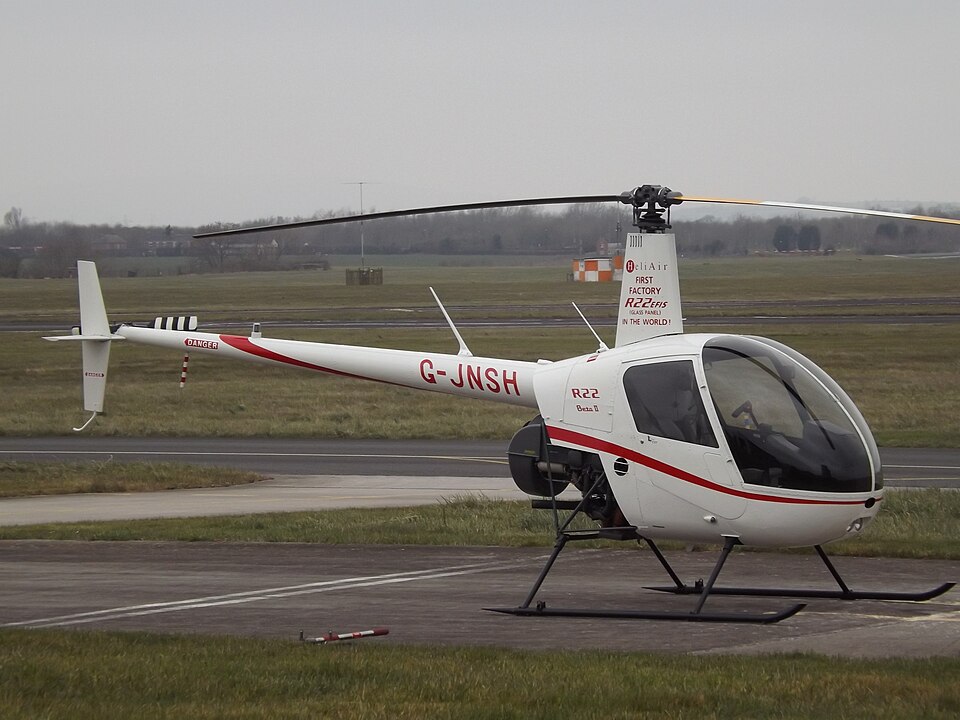
The Robinson R22 has been the go-to training helicopter at flight schools around the world for decades. It is a lightweight, two-seat piston helicopter built around simplicity and low operating costs — which is exactly why so many schools use it.
The R22 is not without its quirks. It was not originally designed as a trainer. Its low-inertia rotor system makes it quite responsive — some say "twitchy" — which means it demands sharp attention and quick reflexes from the pilot. In the event of an engine failure, a student has a very short window to react and initiate an autorotation. This makes the R22 a demanding but highly effective teaching tool. As many instructors put it, if you can fly an R22 well, you can fly almost anything.
| Feature | Detail |
| Seats | 2 |
| Engine | Lycoming O-360 piston |
| Max Speed | Approx. 102 knots |
| Cyclic Design | Unique T-bar configuration |
| Typical Hourly Rental | ~$200–$280 with instructor |
Good to Know: The FAA's SFAR 73 regulation requires R22 instructors to have at least 50 hours in the R22 model and 200 total helicopter hours before they can teach in one. This rule adds an important layer of quality control to R22 training environments.
The R22 is widely available, parts are easy to source, and conversion to other aircraft types after training is generally smooth. Its low hourly cost makes it the most budget-friendly path to a private pilot certificate for most students.
One real limitation is the cabin. The R22 is a snug fit for taller or larger pilots, and the weight restrictions can be an issue for some students. If that applies to you, the R44 or Schweizer 269C are better fits.
Robinson R44: More Room, More Comfort, Higher Cost
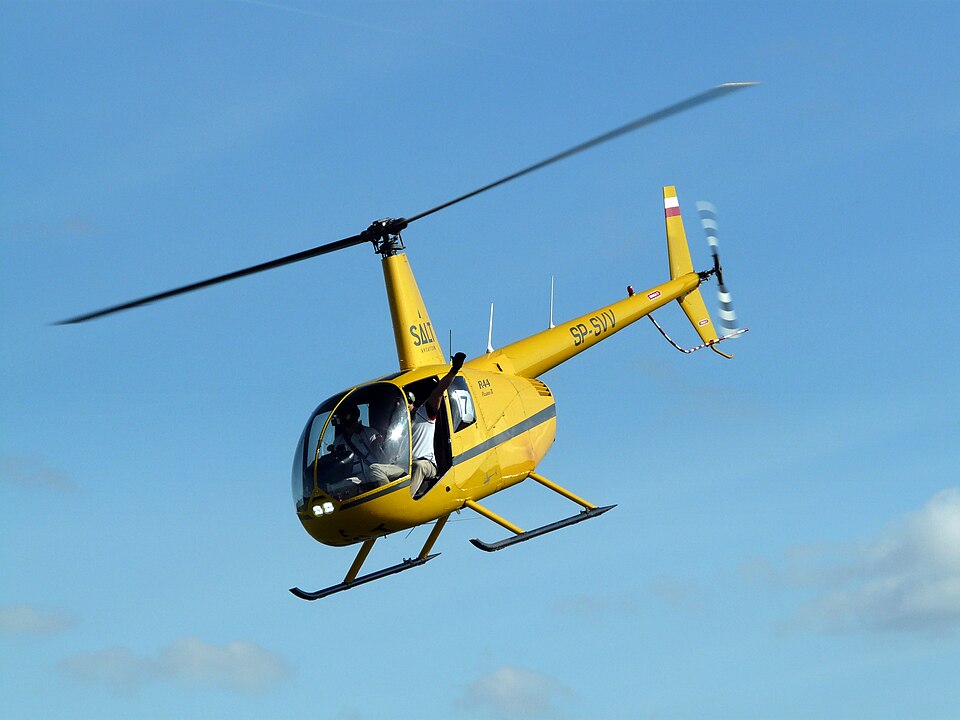
The Robinson R44 is the larger sibling of the R22, and in many ways it is the more comfortable training helicopter of the two. It seats up to four people, has a wider cabin, and uses hydraulically assisted controls — a feature the R22 lacks.
The R44's heavier rotor system gives it more inertia than the R22, which translates into a longer reaction window during autorotation practice. This makes the aircraft a bit more forgiving for new students, which is part of why some schools and students prefer starting on it despite the higher cost.
Fun Fact: The Robinson R44 is said to be one of the world's most popular privately owned helicopters, with thousands of units delivered since its first flight in 1990.
Training in an R44 typically costs significantly more per hour than the R22. Many students choose to begin their training on the R22 and then complete a short conversion course on the R44 — a strategy that can save a meaningful amount of money overall.
The R44 Raven II variant adds a fuel-injected engine, which eliminates concerns about carburetor icing — a real weather-related hazard in certain climates. It also makes the aircraft well-suited for instrument training, which the older R22 setup can make more difficult.
If you are exploring personal helicopter ownership after training, Flying411's guide to the cheapest helicopter for personal use is a great place to start your research.
Guimbal Cabri G2: The Safety-First Trainer
The Guimbal Cabri G2 is a newer entrant in the training helicopter world, and it has been making serious inroads at flight schools across the United States, the UK, New Zealand, and beyond.
Designed by Bruno Guimbal, a former Eurocopter engineer, the Cabri G2 was built from the ground up with safety and training in mind. It is the only two-seat piston helicopter certified to both EASA CS27 and FAR 27 standards, and it incorporates technologies typically found only on much larger or military aircraft.
Key safety features include:
- A high-inertia, three-bladed rotor that offers exceptional autorotation performance
- A Fenestron enclosed tail rotor that reduces the risk of tail rotor strikes
- Energy-absorbing seats and airframe structure designed for crash protection
- A crash-resistant fuel tank and automatic carburetor ice protection
- A modern glass cockpit (Electronic Pilot Management system)
Keep in Mind: Training in the Cabri G2 tends to cost more per hour than training in a Robinson R22 — typically in the range of $430 to $450 per flight hour. However, its forgiving flight envelope and turbine-like power management make it excellent preparation for pilots who plan to eventually fly larger commercial or turbine aircraft.
The Cabri is not subject to the same strict special training requirements that apply to Robinson helicopters, which can reduce the minimum dual instruction time required before solo flight. For motivated students, this can partially offset the higher hourly cost.
If you value safety systems and a modern cockpit experience from day one, the Cabri G2 is hard to beat.
Schweizer 269C: The Spacious Alternative
The Schweizer 269C (also sold as the Hughes 300C) is a three-seat piston helicopter with a long, respected history in flight training. It is a practical choice for students who find the Robinson R22 too cramped — the 269C offers a noticeably roomier cabin that accommodates taller and broader pilots more comfortably.
Its flight characteristics are generally described as stable and predictable. The aircraft does not have the R22's twitchiness, which some instructors see as both a strength and a limitation — it is easier to learn on but may not develop the same level of fine motor control as quickly.
Heads Up: The Schweizer 269C is less common at flight schools than Robinson aircraft. This can make it harder to find qualified instructors and may limit your options when it comes time to build additional hours or pursue an instructor rating.
The 269C's operating costs tend to fall between the R22 and R44. It lacks the advanced avionics of the Cabri G2, but its simplicity and comfort make it a solid choice for the right student.
One practical note: the Schweizer has a relatively low maximum airspeed compared to some other trainers, which can limit certain training scenarios. It is best thought of as a steady, comfortable learning platform rather than a versatile cross-country machine.
Mosquito XE and XEL: The Ultralight Option
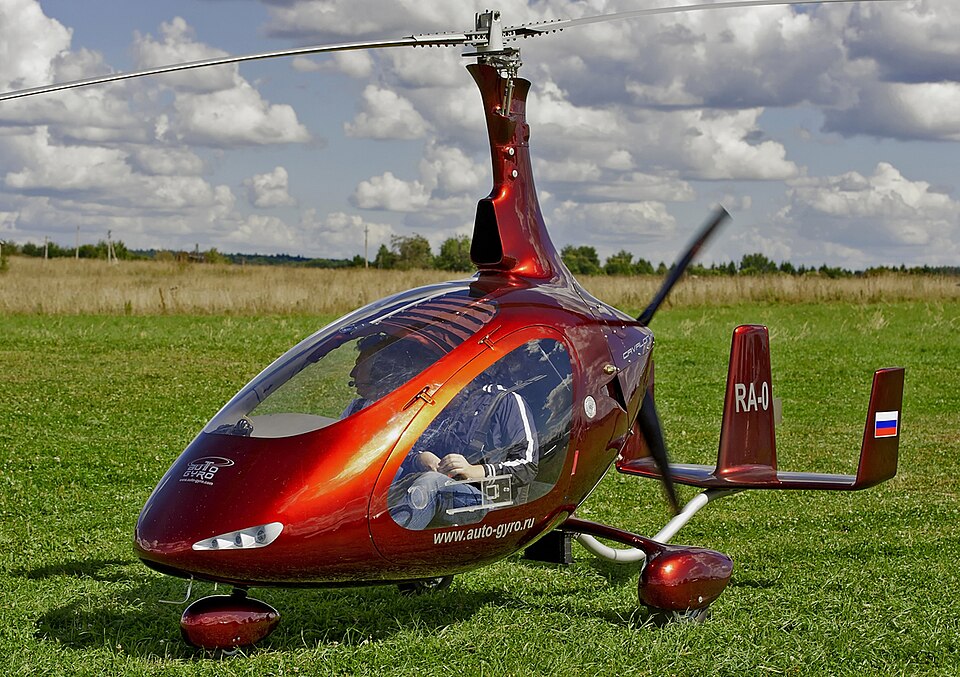
Not every aspiring rotorcraft pilot wants to pursue a full FAA helicopter certificate. For those interested in recreational flying on a more modest budget, the Mosquito XE series — produced by Composite-FX in Florida — offers a fascinating alternative.
The Mosquito XEL is designed to comply with FAA Part 103 ultralight regulations. Under Part 103, a qualifying ultralight can be flown in the U.S. without a pilot certificate, though training is strongly encouraged and widely considered essential for safety. You can read more about ultralight helicopter rules to understand how Part 103 applies to your situation.
The Mosquito XE series uses a two-cylinder, two-stroke engine and fiberglass composite construction. It is a single-seat aircraft, which means all flying is done solo — there is no room for a flight instructor in the aircraft itself. Ground-based and simulator instruction plays a bigger role in the learning process.
Fun Fact: Composite-FX actually builds a financial incentive into the Mosquito purchase price — buyers who log a minimum of 10 hours of dual instruction in a comparable aircraft before their first solo Mosquito flight receive a discount on their purchase.
Pricing for the Mosquito XE series starts at roughly $53,000 in kit form, with factory-finished models running higher. This is significantly more affordable than a certified two-seat trainer helicopter, making it an appealing entry point for recreational pilots.
That said, the Mosquito comes with important caveats. It is a demanding aircraft to fly safely, particularly given its single-seat layout that puts the student in the cockpit alone from the start. If you are considering this path, learning how to fly an ultralight helicopter and understanding ultralight helicopter requirements are essential first steps. You should also familiarize yourself with ultralight helicopter safety considerations before committing to this route.
For those interested in the most affordable entry points into ultralight rotorcraft, Flying411's breakdown of the cheapest ultralight helicopter options is a helpful companion read.
Bell 206 JetRanger: The Advanced Beginner's Turbine Step
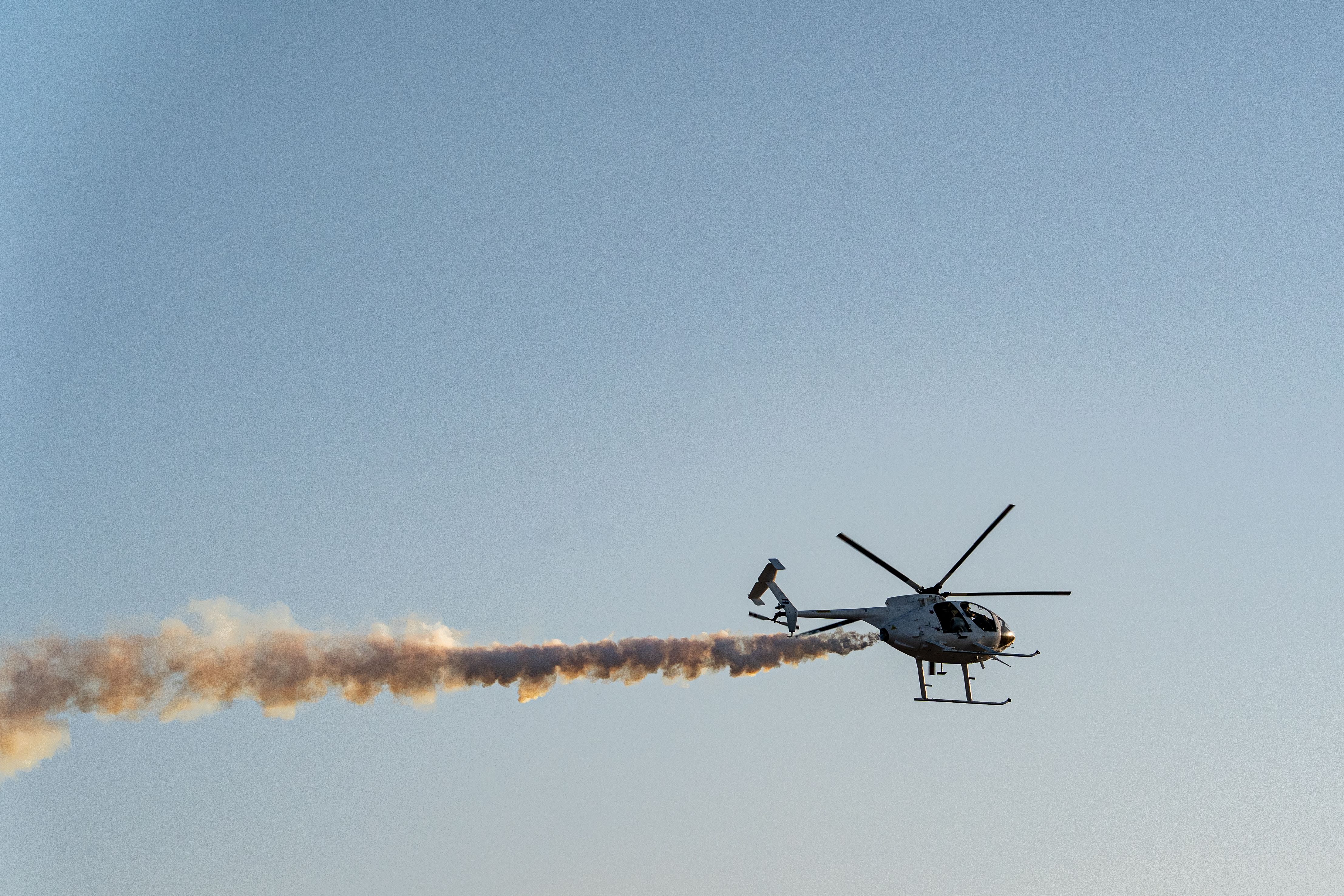
The Bell 206 JetRanger deserves a mention here not as a first-hour trainer but as a logical next step for serious students who have completed their basic training and are eyeing a commercial or professional path.
The 206 is a turbine-powered helicopter with a storied history in law enforcement, air tours, utility operations, and executive transport. It is considerably more complex and expensive to fly than the piston trainers above, but it bridges the gap between basic training aircraft and commercial-class helicopters in a practical way.
Pro Tip: If your long-term goal involves professional helicopter work, ask your flight school whether they offer a Bell 206 transition program after your private pilot certificate. Starting that conversation early helps you plan your training budget more accurately.
How to Choose the Right Helicopter for Your Training
With several solid options on the table, the right choice usually comes down to a few key factors.
Your Budget
Hourly training costs vary widely across these aircraft. The R22 is typically the most affordable option for logging hours toward a private certificate. The R44 and Cabri G2 cost significantly more per hour but offer real advantages in comfort and safety systems.
Do the math honestly. If getting a private certificate requires roughly 40 to 60 hours of flight time, a $100 per hour difference in rental rates can translate to thousands of dollars over the course of training.
Your Physical Size
The R22 is famously snug. Taller, larger, or heavier pilots may find it genuinely uncomfortable or even outside the aircraft's weight limitations. The R44, Cabri G2, and Schweizer 269C all offer more space. Never overlook this — an uncomfortable cockpit is a distracted cockpit.
What Your Local Schools Fly
This is often the deciding factor in practice. There is little point in researching the perfect training helicopter if no school within a reasonable distance operates one. Call ahead. Ask what aircraft they use and why. A good instructor in an R22 will teach you more than a mediocre one in any other aircraft.
Your Long-Term Goals
Planning to fly commercially? Prioritize the Cabri G2 or R44, both of which prepare you well for the transition to turbine aircraft. Flying for fun on weekends? The R22 or even an ultralight path might be entirely sufficient. Knowing where you want to end up shapes which on-ramp makes the most sense.
Quick Tip: Visit at least two or three flight schools before committing. Sit in the aircraft, ask about instructor experience, and request a discovery flight. Most schools offer them at a reasonable cost, and that first flight tells you more than any article can.
Training Helicopter Comparison at a Glance
| Helicopter | Seats | Best Fit | Cabin Size | Avg. Hourly Cost | Notes |
| Robinson R22 | 2 | Budget learners | Compact | ~$200–$280 | Twitchy but effective; very widely available |
| Robinson R44 | 4 | Comfort + all-around | Spacious | ~$400–$515 | Easier autorotations; higher cost |
| Guimbal Cabri G2 | 2 | Safety-focused students | Moderate | ~$430–$450 | Best safety features; turbine prep |
| Schweizer 269C | 3 | Larger pilots | Roomy | ~$250–$350 | Stable; less common at schools |
| Mosquito XEL | 1 | Recreational ultralight | N/A (solo) | Buy/build cost | Part 103; no license required |
Note: Hourly costs are approximate figures based on commonly reported training rates and will vary by region and school.
What to Expect During Helicopter Flight Training
Understanding the training process helps set realistic expectations before you book your first lesson.
Most students working toward an FAA Private Pilot Certificate (Rotorcraft/Helicopter) will need a minimum of 40 flight hours, with at least 20 of those flown with an instructor. In practice, the average student takes longer — most complete their training somewhere between 50 and 70 hours total.
The first several hours focus on basic aircraft control: hovering, pedal turns, and small translational movements. Hovering is genuinely one of the hardest skills in aviation to master, and most new students are surprised by how much concentration it demands. Patience at this stage pays off later.
Good to Know: Ground school is a required part of helicopter pilot training. You will study aerodynamics, weather, FAA regulations, navigation, and emergency procedures before your checkride. Many students use a combination of in-person and online ground school to fit study time around their schedules.
After hovering comes forward flight, then traffic patterns, then autorotation practice, then navigation, and finally the practical test (checkride) with an FAA examiner. The entire process is methodical and builds confidence step by step.
Flying411 offers a wide range of guides to help you navigate every stage of your rotorcraft journey — from your first lesson to your first aircraft purchase. Explore the resources at Flying411 to plan your path forward.
Conclusion
Choosing the right helicopter to learn on is one of the best investments you can make as a new pilot. The Robinson R22 remains the most accessible and widely available starting point for most students. The Robinson R44 offers more comfort and a gentler learning curve at a higher price. The Guimbal Cabri G2 delivers cutting-edge safety and turbine-like handling for those who want the best training platform available. The Schweizer 269C serves students who need more space and a stable, unhurried pace. And for those drawn to recreational ultralight flying, the Mosquito XE series opens a door that does not require a pilot certificate to walk through.
None of these is a perfect fit for everyone. The best starting point is an honest conversation with a qualified flight school, a discovery flight in the aircraft they use, and a clear picture of where you want your flying life to take you. The best helicopters for beginner pilots are ultimately the ones that match your goals, your budget, and your body — and that get you into the air safely.
Ready to take the first step? Flying411 has the resources, guides, and real-world information to help you move from curious to certified — at your own pace, with confidence.
Frequently Asked Questions
What is the easiest helicopter to learn to fly for a complete beginner?
Many flight instructors consider the Robinson R44 the most forgiving helicopter for complete beginners, thanks to its spacious cabin, heavier rotor system, and hydraulically assisted controls. The Guimbal Cabri G2 is also highly regarded for its wide safety margin and intuitive handling.
Can I fly a helicopter without a pilot's license?
In the United States, you can fly a qualifying FAA Part 103 ultralight helicopter without a pilot certificate. The Mosquito XEL is one example that is designed to meet those requirements. However, training is strongly recommended regardless of legal requirements, as ultralight helicopters still demand real skill to fly safely.
How many hours does it take to get a helicopter pilot license?
The FAA requires a minimum of 40 flight hours for a Private Pilot Certificate in the rotorcraft/helicopter category, including at least 20 hours of dual instruction. In practice, most students log between 50 and 70 hours before passing their checkride.
Is it harder to learn to fly a helicopter than an airplane?
Most pilots and instructors say yes, particularly in the early stages. Helicopters require simultaneous coordination of multiple controls — cyclic, collective, and tail rotor pedals — and hovering demands a high level of fine motor control that takes time to develop. That said, many pilots find helicopter flying deeply rewarding precisely because of this challenge.
What should I look for in a helicopter flight school?
Look for a school with experienced, current instructors, a well-maintained fleet, transparent pricing, and a clear curriculum that matches your goals. It is also worth asking about their checkride pass rate, how many hours students typically need before solo flight, and what aircraft they use and why. A discovery flight at the school is the best single way to evaluate whether it is the right fit for you.