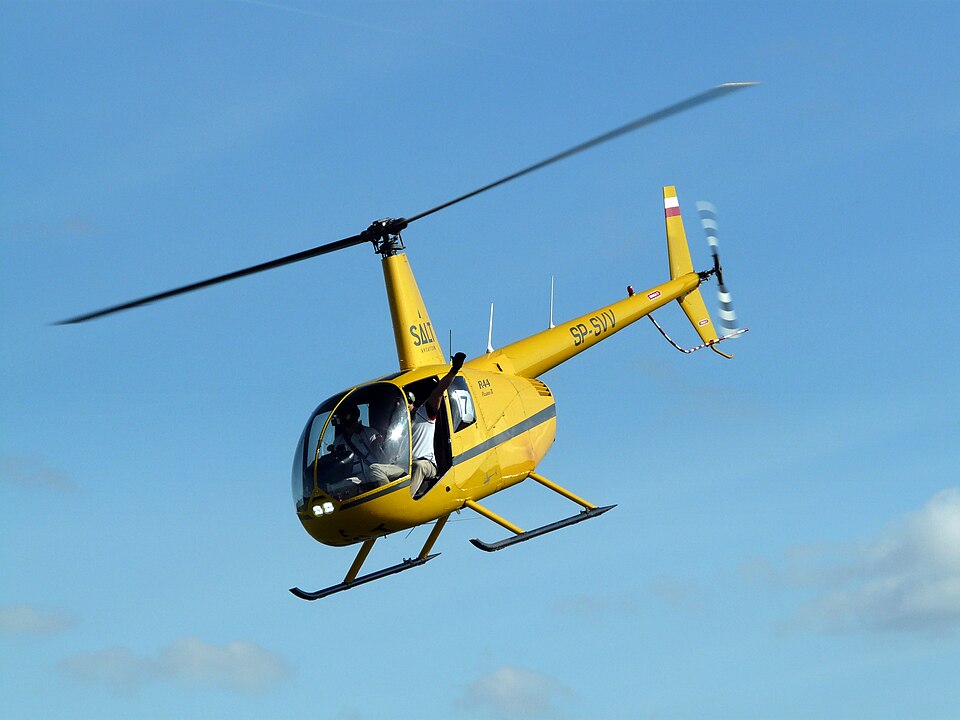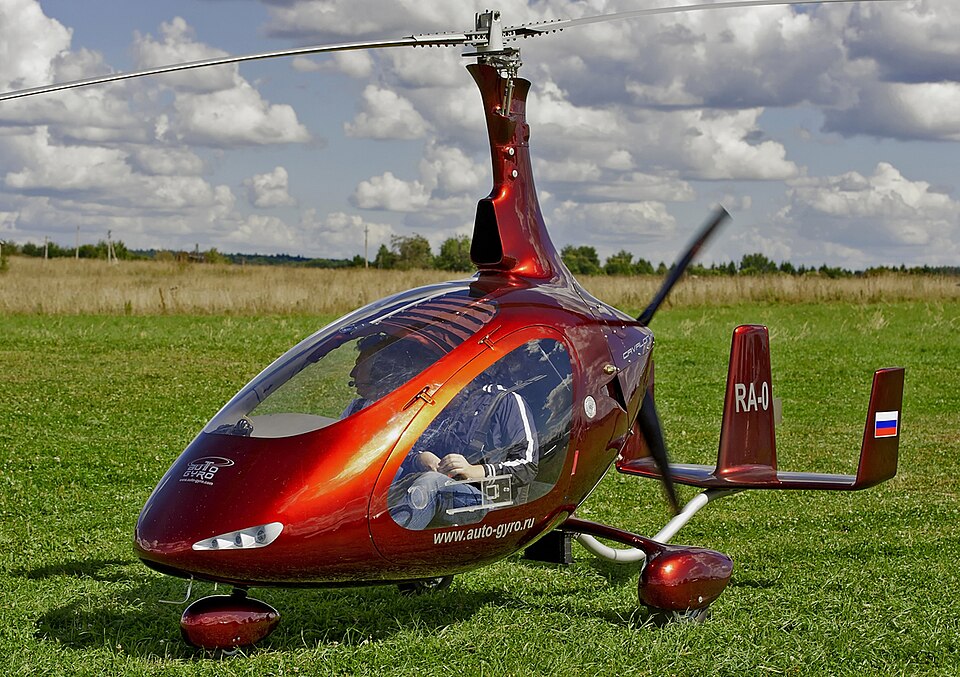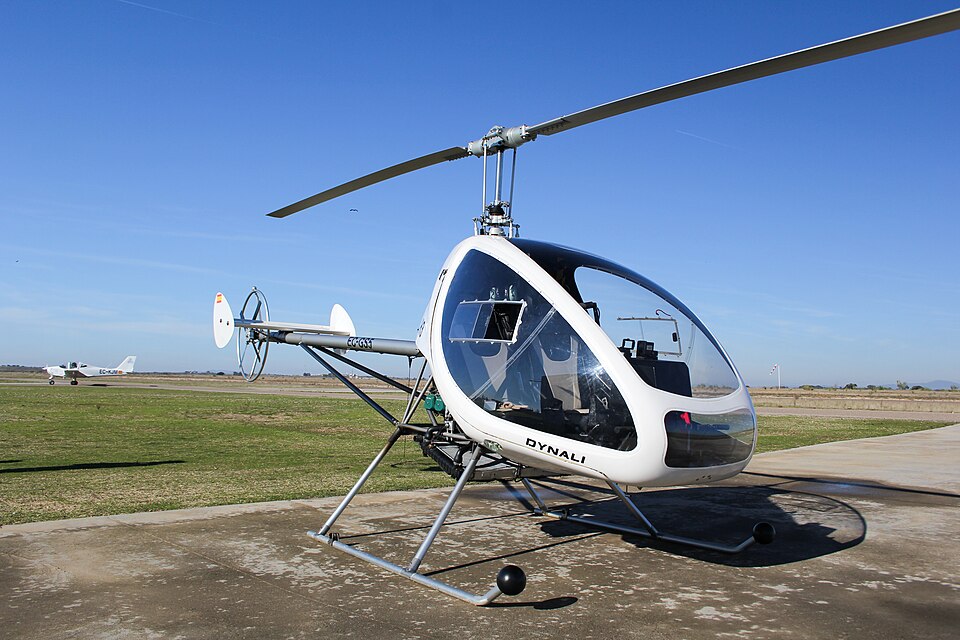
There is something magnetic about the idea of a tiny helicopter lifting off from your backyard. No airline tickets. No long security lines. Just you, a few hundred pounds of rotor and engine, and the open sky. Ultralight helicopters make that dream feel almost affordable. But they also come with a question that hangs in the air as persistently as rotor wash: how dangerous are ultralight helicopters, really?
The short answer is that they carry real risk, but that risk is shaped far more by the person in the seat than by the machine itself. Understanding why that is true, and what you can do about it, is the difference between a long flying career and a very short one. Every factor, from the loose regulations that govern these aircraft to the unique aerodynamics that make a helicopter nothing like a car, plays a role in the safety picture.
Key Takeaways
Understanding how dangerous ultralight helicopters are comes down to one key idea: risk exists, but it is manageable. Ultralight helicopters sit in a category with minimal government oversight, meaning the pilot is responsible for nearly everything. Without required training, certifications, or airworthiness standards, beginners can legally climb in and fly, which is exactly what makes the category risky. With proper training, disciplined pre-flight habits, and realistic self-assessment, many pilots fly these aircraft safely for years.
| Topic | Key Point |
|---|---|
| Regulation | FAA Part 103 requires no pilot certificate or medical exam |
| Primary risk factor | Pilot error, not mechanical failure |
| Weight limit (powered) | Under 254 lbs empty weight |
| Fuel limit | No more than 5 U.S. gallons |
| Training required | None legally, but strongly recommended |
| Main emergency procedure | Autorotation, which requires practice |
| Best safety habit | Pre-flight inspection every single flight |
| Airspace restriction | No flight over congested areas |
If you are researching ultralight helicopters and want clear, experience-based guidance on flying and buying, Flying411 is a great place to start. The site covers everything from beginner questions to advanced aircraft decisions.
What Exactly Is an Ultralight Helicopter?
Before talking about danger, it helps to know exactly what you are dealing with. Under FAA Federal Aviation Regulation Part 103, an ultralight vehicle is defined as a single-seat aircraft used for sport or recreation that weighs less than 254 pounds empty, carries no more than 5 U.S. gallons of fuel, and holds no airworthiness certificate.
This definition includes helicopters. So an ultralight helicopter is a rotorcraft that falls within those weight and fuel limits and is flown for personal enjoyment rather than commercial use.
Good to Know: FAA Part 103 also covers three-axis planes, weight-shift aircraft, gyroplanes, and even balloons. Any powered aircraft that meets those size and weight limits qualifies, including some very small rotorcraft.
How Ultralight Helicopters Differ from Full-Size Helicopters
The differences go beyond just size. Full-size helicopters like the Robinson R44 or the Bell 206 are certified aircraft. They have passed rigorous airworthiness testing. Their pilots hold FAA certificates and have logged specific training hours. The aircraft must be maintained on strict schedules by licensed mechanics.
Ultralight helicopters have none of those requirements. They are not required to be registered. Their pilots do not need a certificate. There is no required maintenance log. The FAA intentionally kept Part 103 lean, with the philosophy of minimum necessary regulation. That freedom is part of the appeal, but it is also part of the hazard.
Popular Models in the Ultralight Helicopter Category
A handful of ultralight helicopter designs have built a following among enthusiasts. If you are curious about specific models and what they cost, take a look at this overview of the cheapest ultralight helicopters on the market today.
The Real Risk Factors: What Actually Causes Ultralight Helicopter Accidents
This is the section worth reading carefully. Because while the headlines about helicopter crashes often focus on mechanical failures, the data tells a different story.
Fun Fact: According to analysis by the U.S. Joint Helicopter Safety Analysis Team, loss of control in flight, striking objects during low-altitude operations, and unintentional flight into bad weather conditions accounted for roughly 47 percent of fatal helicopter crashes in a recent five-year study period. These are all pilot behavior issues, not hardware problems.
Pilot Error Is the Dominant Cause
Across general aviation, pilot error is thought to account for roughly half of all accidents. Helicopter accidents follow a very similar pattern. For ultralight helicopter pilots, who often have no formal training whatsoever, the proportion driven by human judgment mistakes is likely even higher.
What kinds of errors? The list includes:
- Flying in weather beyond the pilot's skill level, especially low clouds or poor visibility
- Improper handling of autorotation when an engine fails
- Loss of situational awareness at low altitude
- Poor decision-making about go or no-go conditions
- Overconfidence in early solo hours
The good news is that all of these are trainable. They are not random or unpredictable. They are patterns that proper instruction can address before they become accidents.
The Low-Altitude Problem
Helicopters, including ultralights, are often flown close to the ground. That is part of what makes them useful and fun. But low altitude is also where the math turns against you fast. If an engine fails or a mechanical issue develops at 50 feet, there is very little time to respond.
This is directly tied to what pilots call the height-velocity diagram, sometimes nicknamed the "dead man's curve." It describes combinations of altitude and airspeed from which a safe autorotation landing is extremely difficult or impossible. Flying inside that envelope is a known risk. Most ultralight helicopter pilots are never taught this concept formally, which is a serious gap.
Heads Up: Some ultralight helicopter designs have low-inertia rotor systems. In the event of engine failure, the pilot has only seconds to lower the collective and initiate autorotation before rotor speed decays to a dangerous level. Missing that window can be fatal.
Mechanical Failures: Real but Less Common Than You Think
Engine failures and component failures do happen. In the broader helicopter accident record, system component failures have been cited in roughly 28 percent of accidents analyzed in major safety studies. But many of those failures were maintenance-related, not random mechanical disasters. Deferred maintenance, missed inspections, and undocumented repairs increase the odds dramatically.
For ultralight helicopters, the risk is amplified by the fact that no maintenance tracking is legally required. A diligent owner who logs every inspection, replaces components on schedule, and works with knowledgeable mechanics can keep a machine in excellent condition. An owner who ignores maintenance or cuts corners is flying a ticking clock.
Understanding the FAA Part 103 Regulatory Landscape
The regulatory framework surrounding ultralight helicopters is, to put it plainly, minimal by design. FAA Part 103 was created in 1982 with an explicit goal: provide for safety in the national airspace with the least amount of regulation possible.
Here is what that looks like in practice.
| Requirement | Certified Aircraft | Ultralight (Part 103) |
|---|---|---|
| Pilot certificate | Required | Not required |
| Medical examination | Required | Not required |
| Aircraft registration | Required | Not required |
| Airworthiness certificate | Required | Not required |
| Maintenance tracking | Required | Not required |
| Minimum age | Required | None specified |
| Night flight | Allowed with endorsement | Not permitted |
| Passenger carriage | Permitted (with rating) | Not permitted |
Why It Matters: The absence of required certification is a double-edged situation. It lowers the barrier to entry and keeps costs down, which makes flying accessible. But it also means there is no gatekeeping. Someone with no aeronautical knowledge can legally operate an ultralight helicopter on their first day.
That said, Part 103 does include operational rules. Pilots must fly only in daylight, must avoid congested areas, must yield to all certified aircraft, and must not create hazards to persons or property on the ground. These are real restrictions, even if enforcement is limited.
How Dangerous Are Ultralight Helicopters Compared to Other Aircraft?
Context matters here. All personal aviation involves elevated risk compared to driving or commercial air travel.
For the broader helicopter category, the fatal accident rate in the United States was around 0.73 per 100,000 flight hours in recent years, according to the U.S. Helicopter Safety Team. For small private planes, the comparable figure has run somewhat higher. Commercial airliners operate at a tiny fraction of either number.
For ultralight aircraft specifically, hard current data is difficult to find because these vehicles are not registered and not tracked by the FAA the way certified aircraft are. That data gap is itself a safety concern. What research does suggest is that inexperience is the strongest predictor of accidents across all ultralight categories. The aircraft are often less stable and less forgiving than certified machines, and the pilots often have less training.
Pro Tip: If you are comparing ultralight helicopters to full-size ones, be careful about applying general helicopter safety statistics to the ultralight category. The regulatory gap, the typical pilot profile, and the aircraft design standards are all meaningfully different.
The 9 Most Common Dangers of Flying Ultralight Helicopters
This is where we get specific. These are the real-world hazards that experienced pilots, instructors, and accident investigators point to again and again.
1. No Training Requirement
This may be the single biggest danger. The law does not require you to know anything before flying an ultralight helicopter. You can read a manual, watch some videos, and legally take off. That is a recipe for disaster. Helicopter flight is genuinely complex. The controls interact in non-intuitive ways, and the learning curve is steep. Skipping instruction is not brave. It is statistically dangerous.
If you want to understand what the learning process actually involves, this guide on how to fly an ultralight helicopter gives a realistic picture of what you will face.
2. Autorotation Demands Real Skill
When a helicopter engine fails, the pilot must enter autorotation immediately. This is a controlled descent that uses the energy of the spinning rotors to cushion the landing. It works, but it has to be done correctly and quickly. Analysis of helicopter accidents found that autorotation-related incidents, both actual emergencies and training attempts gone wrong, appeared in roughly 32 percent of the accidents studied.
For ultralight pilots with no instruction, autorotation is often a concept they have read about but never practiced. That gap between theory and muscle memory is exactly where accidents happen.
3. Low-Inertia Rotor Systems
Some ultralight helicopters have lightweight rotor systems that spin down quickly when power is lost. Unlike a large helicopter with heavy blades that keep spinning from sheer momentum, these low-inertia systems give the pilot only a few seconds to react. That is not enough time for a pilot who has never practiced the procedure.
4. Minimal Structural Margins
Certified aircraft are designed and tested to specific structural standards. Ultralight helicopters are not required to meet those standards. Some are designed by skilled engineers who exceed certification levels voluntarily. Others are not. Without formal testing, the actual structural limits of a given airframe may be unknown to the pilot.
5. No Weather Avoidance Training
Spatial disorientation, flying into instrument meteorological conditions (IMC) with no instrument skills, is consistently listed among the leading causes of fatal helicopter accidents. When outside visual references disappear, a pilot without instrument training can lose control within seconds. Ultralight helicopters are not equipped for instrument flight, and most ultralight pilots have no instrument training. Flying into clouds or heavy fog can be lethal.
Keep in Mind: FAA Part 103 prohibits ultralight operations when flight visibility drops below certain minimums, but a pilot who is already in deteriorating conditions may not recognize the danger until it is too late to turn back safely.
6. No Required Pre-Flight Inspection Standard
For certified aircraft, there are detailed pre-flight checklists developed by manufacturers and refined over thousands of flight hours. For ultralights, the pilot sets their own standard. Many experienced ultralight pilots develop rigorous routines. Beginners may not know what to look for or may not realize how quickly small issues become big ones at altitude.
7. Height-Velocity Diagram Exposure
As mentioned earlier, the height-velocity diagram defines altitude and airspeed combinations from which safe autorotation is extremely difficult. Many ultralight helicopters are flown right inside that envelope on takeoff and landing, the two riskiest phases of any flight. Understanding this diagram is critical for every helicopter pilot, certified or not.
8. Ground Resonance
Ground resonance is a mechanical phenomenon that can occur when a helicopter is on the ground with rotors spinning. If the rotor system falls out of phase, violent vibrations can build rapidly and destroy the aircraft in seconds. It is more common in certain rotor designs and can be triggered by a hard landing or uneven ground. Pilots who are not trained to recognize and respond to it instantly are at serious risk.
9. Limited Crashworthiness
Ultralight helicopters are light, small, and often have minimal structural protection for occupants. In a crash, there is less between the pilot and the impact than in a certified aircraft with full crashworthy design. This does not mean crashes are automatically fatal, but it does mean the margin for error is smaller.
If you are weighing ultralight options against certified light helicopters, Flying411 has detailed comparisons and buyer guidance that can help you make a smarter choice for your skill level and goals.
How Pilot Training Changes Everything
The data is consistent: trained pilots have better outcomes. This does not require a full commercial rating. Even a focused course of instruction with a certified flight instructor who specializes in helicopters can dramatically reduce risk.
What should that training cover?
- Hovering fundamentals, which is harder than it looks and takes real time to master
- Normal takeoffs and landings, including from confined areas
- Autorotation practice, repeatedly, until it becomes automatic
- Emergency procedures specific to the aircraft type
- Weather decision-making, including when not to fly
- The height-velocity diagram and how to stay out of danger zones
Many ultralight pilots also choose to earn a Private Pilot certificate for helicopters even though the law does not require it. This adds cost and time upfront but provides a level of knowledge and skill that genuinely saves lives.
Quick Tip: If formal training is not accessible in your area, seek out an instructor who can at least supervise your first several flights and provide structured ground school on emergency procedures. Some instruction is always better than none.
If you are curious about the full-size helicopter learning path, this piece on how to start a turbine helicopter gives insight into what advanced rotorcraft training looks like.
Comparing Ultralight Helicopters to Other Personal Aircraft
It helps to see where ultralight helicopters fit in the broader landscape.
| Aircraft Type | Training Required by Law | Certification | Typical Speed | Relative Cost |
|---|---|---|---|---|
| Ultralight helicopter | No | None | 40-70 mph | Low |
| Certified light helicopter | Yes | FAA certificated | 80-120 mph | Moderate-high |
| Turbine helicopter | Yes | FAA certificated | 120-170 mph | High |
| Ultralight fixed-wing | No | None | 30-60 mph | Low |
| Light sport aircraft | Yes | FAA sport pilot cert | 60-120 mph | Moderate |
If you want to understand the cost side of the equation, articles on the cheapest helicopter for personal use and on light turbine helicopter options give useful price context at different points in the market.
For a broader look at how helicopters compare to fixed-wing aircraft on safety, this analysis of whether helicopters are safer than planes is worth reading before you decide which direction to go.
Practical Safety Habits That Reduce Your Risk
You do not need a law requiring you to be safe. You need habits. Here are the ones that matter most for ultralight helicopter pilots.
Before every flight:
- Do a full walkaround inspection, every time, no exceptions
- Check fuel quality and quantity
- Check all fluid levels and connections
- Verify rotor head and blade condition
- Check weather, including conditions at your intended altitude
During flight:
- Stay within your actual skill level, not your hoped-for skill level
- Maintain an altitude and airspeed that keep you outside the most dangerous portions of the height-velocity diagram when possible
- Never push into deteriorating weather
- Continuously scan for obstacles, power lines, and other aircraft
General habits:
- Log your hours even though the law does not require it
- Keep a maintenance record for your aircraft
- Practice autorotation regularly with an instructor
- Join a local ultralight club or organization for peer knowledge
Fun Fact: Many experienced ultralight pilots say the most dangerous thing they ever did was fly in the first 50 hours without an instructor. The consensus is almost universal: get instruction, even if the law says you do not have to.
Conclusion
Ultralight helicopters are not inherently suicidal machines, but they are genuinely unforgiving of ignorance and inattention. The combination of minimal regulatory oversight, complex aerodynamics, and the physical demands of rotorcraft flight creates real risk for pilots who go in unprepared. The core question, how dangerous are ultralight helicopters, has an honest answer: as dangerous as you allow them to be.
Respect the machine, invest in training, follow disciplined pre-flight habits, and stay honest about your limits. That combination does not eliminate risk, but it moves the odds dramatically in your favor. Many pilots spend decades flying these aircraft without incident because they took the responsibility seriously from day one.
Ready to take the next step? Flying411 has the guidance, comparisons, and real-world insights to help you fly smarter, from your first research question to your first solo flight and well beyond.
Frequently Asked Questions
Do you need a license to fly an ultralight helicopter?
Under FAA Part 103, no pilot certificate is required to fly an ultralight helicopter in the United States. However, voluntary training with a certified flight instructor is strongly recommended for safety.
Can an ultralight helicopter autorotate safely in an engine failure?
Yes, if the pilot has practiced the procedure and the aircraft has sufficient altitude at the time of failure. Some ultralight designs have low-inertia rotor systems that require an extremely fast response, making regular practice essential.
What is the weight limit for an ultralight helicopter?
Under FAA Part 103, a powered ultralight vehicle, including a helicopter, must weigh less than 254 pounds empty weight, not counting floats or emergency safety devices like a ballistic parachute system.
Are ultralight helicopters allowed to fly over cities?
No. FAA Part 103 prohibits ultralight vehicle operations over congested areas of a city, town, or settlement, or over any open-air assembly of persons.
How long does it take to learn to fly an ultralight helicopter?
There is no set requirement, but most instructors suggest a minimum of 20 to 40 hours of dual instruction before solo flight, with continued mentored practice after that. Helicopter hovering alone typically takes many hours to master consistently.