Owning a helicopter sounds like something reserved for billionaires and action heroes. But the truth is a lot more accessible than most people think. While helicopters are never exactly cheap, the market for personal rotorcraft has grown steadily, and today there are real options at price points that might surprise you.
From single-seat ultralight kits you build in your garage to certified two-seat piston helicopters used by flight schools around the world, the range is wide.
If you have been wondering what the cheapest helicopter for personal use actually looks like — and how much it truly costs to own one — this guide has you covered from purchase price all the way to what lands in your monthly budget.
Key Takeaways
The cheapest helicopters for personal use start at roughly $22,000 to $30,000 for basic ultralight kits, with the most popular certified options landing in the $250,000 to $500,000 range new. Kit-built and experimental aircraft offer the lowest entry prices but require significant build time, skill, and planning. Certified piston helicopters like the Robinson R22 and R44 sit at a higher price but offer FAA certification, established support networks, and proven safety records. Beyond the purchase price, annual ownership costs — including insurance, hangar fees, maintenance, and fuel — add tens of thousands of dollars per year even for the smallest models.
| Helicopter | Approx. Price | Seats | Type |
| Skycraft Scout Kit | ~$22,000 | 1 | Ultralight Kit |
| Composite FX XE (Mosquito XE) | ~$57,000 kit / ~$76,000 finished | 1 | Experimental Kit |
| Composite FX XE 290 | ~$55,000 kit / ~$70,000 finished | 1 | Experimental Kit |
| HeliCycle | ~$75,500 kit | 1 | Experimental Kit |
| Safari 400 | ~$133,400 complete kit | 1-2 | Experimental Kit |
| Rotor X A600 Turbo (Phoenix) | ~$108,550 kit | 2 | Experimental Kit |
| AK1-3 Sanka | ~$29,995 used / ~$180,000 new | 2 | Certified Piston |
| HeliWhale Afalina | ~$120,000 | 2 | Light Piston |
| RotorWay EXEC-162F | ~$165,000 used | 2 | Experimental Kit |
| Enstrom 280FX | Used market | 2-3 | Certified Piston |
| Guimbal Cabri G2 | ~$450,000 new | 2 | Certified Piston |
| Robinson R22 Beta II | ~$375,000 new | 2 | Certified Piston |
| Robinson R44 Raven II | ~$375,000–$500,000 new | 4 | Certified Piston |
Prices are approximate and subject to change. Always verify current pricing directly with manufacturers or dealers.
Flying411 is a trusted resource for aviators looking to make smarter decisions about aircraft ownership, flight training, and aviation news. If you are exploring helicopter ownership for the first time, Flying411 is a great place to start.
Why Are Helicopters So Expensive in the First Place?
Before jumping into the list, it helps to understand why helicopters cost what they do. This context makes the "affordable" options feel even more meaningful.
Helicopters are mechanically complex machines. The rotor system alone involves dozens of precisely engineered moving parts that must meet strict FAA safety standards. Those parts are expensive to manufacture, expensive to maintain, and expensive to replace when they reach their time limits.
Unlike fixed-wing aircraft that can glide in an emergency, helicopters rely on a process called autorotation to land safely if the engine fails. That requires training, experience, and a well-maintained aircraft. Insurance companies know this, which is why premiums run higher than most people expect.
Add in the cost of certified avionics, fuel, hangar space, annual inspections, and engine overhauls, and the numbers grow fast. However, some clever engineering and the homebuilt aircraft movement have pushed entry-level prices lower than ever.
Good to Know: In the U.S., experimental and amateur-built aircraft fall under FAA rules that allow significant cost savings compared to certified airplanes. This is why so many affordable helicopter options come in kit form.
Kit Helicopters vs. Certified Helicopters: What Is the Difference?
This is the most important distinction to understand before shopping for a personal helicopter.
Certified (Type-Certificated) Helicopters
These are factory-built helicopters that hold an FAA Type Certificate. They must meet specific design, manufacturing, and safety standards. Mechanics who work on them must be FAA-certified, and parts must meet aviation-grade specifications. Examples include the Robinson R22, Robinson R44, and Guimbal Cabri G2.
Pros: Safer resale value, established parts supply, widely accepted by flight schools and insurance companies, and can be used for commercial operations.
Cons: Significantly more expensive to buy and maintain.
Experimental and Amateur-Built (Kit) Helicopters
These are aircraft built from kits under the FAA's Experimental/Amateur-Built category. You build the aircraft yourself — typically spending hundreds to thousands of hours — and the FAA only requires a one-time airworthiness inspection once the build is complete. Examples include the Mosquito XE, Safari 400, and HeliCycle.
Pros: Much lower purchase price, flexible maintenance rules that allow owner maintenance, and the personal satisfaction of building your own aircraft.
Cons: Require significant building time and skill, harder to insure, cannot be used for commercial purposes, and may have limited resale value.
Pro Tip: If you are new to aviation, a certified helicopter is almost always the safer and more practical choice for personal use, even if the upfront cost is higher.
The 13 Cheapest Helicopters for Personal Use
Here is a detailed look at each model, from the most affordable all the way up to the most practical certified options.
1. Skycraft Scout Kit — Starting Around $22,000
The Skycraft Scout is one of the most affordable entry points into personal helicopter ownership in the world. At around $22,000 for the basic kit, it is aimed squarely at the DIY aviation enthusiast on a tight budget.
It is a single-seat ultralight design, which means it is intended for recreational flying rather than cross-country travel. The trade-off for the low price is a significant build investment and the limitations that come with ultralight flying. Still, for someone who wants to get into the air without spending a fortune, the Skycraft Scout is worth researching.
2. AK1-3 Sanka — Around $29,995 Used
The AK1-3 Sanka is one of the most affordable two-seat helicopters on the market. Used examples have been found for around $29,995, while new units come in closer to $180,000.
It runs a four-cylinder Subaru EJ25 engine — the same boxer engine found in many Subaru vehicles — which is known for solid reliability. The AK1-3 has an official range of around 217 miles and a top speed of roughly 110 mph. It is not a powerhouse, but it is a reasonable option for transportation and personal flying.
One big advantage: because it uses a car-derived engine, fuel costs can be lower than aircraft that require expensive aviation fuel. The AK1-3 is reportedly popular as a flight training tool, since its controls translate well to other helicopter types.
Fun Fact: The AK1-3 Sanka uses the same 2.5-liter Subaru boxer engine found in many consumer vehicles. That means parts are widely available and generally affordable compared to dedicated aviation powerplants.
3. Composite FX XE 290 (Mosquito XE 290) — Around $55,000 Kit / $70,000 Finished
The Composite FX XE 290 is widely cited as one of the most affordable factory-finished options available. At around $55,000 as a kit or $70,000 finished, it sits in a budget category almost no other helicopter can touch.
The XE 290 is a single-seat experimental helicopter powered by a water-cooled, fuel-injected 800cc engine putting out around 90 horsepower. The helicopter series is affectionately nicknamed "Mosquito" — and you will see why the moment you look at one. It is tiny.
Because it only seats one, the XE 290 is best for solo recreational flying rather than practical transportation. That said, for pilots who simply want the experience of flying their own helicopter without spending a fortune, it is hard to beat.
4. Composite FX XE (Standard Mosquito XE) — Around $57,000 Kit / $76,000 Finished
The standard Composite FX XE is the sibling model to the XE 290, powered by a two-cylinder MZ202 air-cooled two-stroke engine producing around 64 horsepower. It is slightly lighter than the XE 290 and a touch more affordable as a kit.
Like the XE 290, it is a single-seat experimental aircraft. Composite FX describes it as having "exceptional auto-rotation capability and strong tail rotor authority," which are important safety characteristics in any helicopter. If budget is the primary driver and you are comfortable building from a kit, either Mosquito model is worth a close look.
Quick Tip: Both Mosquito XE models require you to purchase add-ons like a radio, transponder, and electronics system separately. Factor these into your total budget when comparing prices.
5. HeliCycle — Around $75,500 Kit
The HeliCycle is a single-seat experimental helicopter powered by a Solar T62 engine — a compact gas turbine originally designed as auxiliary power for ground support equipment. That turbine engine is a notable feature because gas turbines are generally more reliable than piston engines, even if this one was not originally designed for helicopter use.
The HeliCycle can be purchased as a kit for around $75,500. At that price, it is one of the few helicopters in the world available new for under $100,000. Range is approximately 160 miles on a full tank, which is modest but sufficient for recreational flying.
One buyer reportedly used a HeliCycle to fly cross-country, though the trip required many fuel stops. That gives you a sense of both the machine's capability and its limitations.
6. Safari 400 — Around $133,400 Complete Kit
The Safari 400 is a well-known name in the experimental helicopter world. It comes as a complete kit that includes everything needed for flight, with pricing around $133,400 for the full package. Safari Helicopter, the manufacturer, is based in Florida and has built a reputation for producing well-supported kits.
The Safari 400 uses a Lycoming IO-360 engine — a well-regarded aviation powerplant with a strong track record — making this one of the more serious experimental helicopter options on the list. It can carry one or two people depending on configuration.
Safari also offers a "flight ready" option where they build the helicopter to your specifications. This is a great choice for buyers who want a custom-built personal helicopter but do not want to invest the build time themselves.
Keep in Mind: Safari prices have evolved over the years. Always contact the manufacturer directly for the most current pricing, as kit prices can shift based on material and component costs.
7. Rotor X A600 Turbo (Phoenix A600) — Around $108,550 Kit
The Rotor X A600 Turbo, also marketed as the Phoenix A600, is a two-seat kit helicopter introduced around 2021. It builds on the heritage of the older RotorWay A600 design, a kit that was popular among homebuilders for years before Rotor X acquired and updated it.
At around $108,550 for the kit, it sits in the middle of the experimental helicopter range. The turbo system and design upgrades make it one of the more capable kit helicopters available, and the two-seat configuration makes it genuinely useful for personal travel rather than purely solo fun.
8. HeliWhale Afalina — Around $120,000
The HeliWhale Afalina is a two-seat helicopter produced by a Russian manufacturer that made waves when it was released around 2015. Priced at roughly $120,000, it was specifically designed to bring helicopter ownership within reach of private buyers who found traditional options too expensive.
The Afalina offers a range of around 470 miles at a cruise speed of roughly 120 mph — respectable numbers for a light helicopter in this price range. It received considerable interest from buyers looking for an affordable two-seater capable of real-world travel.
Availability in the U.S. market may be limited, so prospective buyers should research import requirements and parts support carefully before pursuing this option.
Heads Up: Always verify parts availability and maintenance support before purchasing a helicopter from an overseas manufacturer. Spare parts delays can ground your aircraft for months if the supply chain is thin.
9. RotorWay EXEC-162F — Around $165,000 Used
The RotorWay EXEC-162F is a two-seat experimental helicopter that has been popular among homebuilders for decades. Used examples from around 2015 can be found for approximately $165,000, making it a well-priced option for someone seeking a capable two-seater with an established community behind it.
RotorWay had a strong following because the kits were well-documented and supported, and because the aircraft performed well once built. Finding a well-maintained used EXEC-162F is a reasonable path into personal helicopter ownership with more capability than the ultralight options at the lower end of this list.
10. Enstrom 280FX — Used Market
The Enstrom 280FX Shark is a certified piston helicopter made by Enstrom Helicopter, a Michigan-based company with a long history in personal aviation. It seats two to three people and is powered by a turbocharged piston engine.
New Enstrom models carry premium pricing, but used 280FX helicopters can be found in the used aircraft market at significantly lower prices, making them one of the more accessible certified options for personal buyers. Enstrom helicopters have a reputation for reliability and a relatively strong owner community in the U.S.
The 280FX is worth considering for anyone who wants a certified helicopter — with all the safety and resale advantages that brings — but is not ready for the price of a new Robinson.
Why It Matters: Certified helicopters like the Enstrom 280FX can be used for commercial operations such as aerial photography or flight instruction, which can help offset ownership costs in ways that experimental aircraft cannot.
11. Robinson R22 Beta II — Around $375,000 New
The Robinson R22 is the most recognized entry-level certified helicopter in the world. It has been in production since 1979 and is the aircraft that introduced tens of thousands of pilots to helicopter flying.
As of mid-2025, the R22 Beta II carries a base factory price of around $375,000 new. Used examples range widely depending on condition, hours, and history — from around $85,000 for older machines to well over $300,000 for low-time examples. The R22 uses a Lycoming O-360 engine derated for helicopter use, and the aircraft has a published 2,200-hour or 12-year overhaul requirement.
Operating costs are among the lowest of any certified helicopter. When flown around 500 hours per year, factory-estimated operating costs land in the range of roughly $190 per hour, covering insurance, overhaul reserves, fuel, and maintenance.
The R22 is a two-seater — one pilot and one passenger — with a cruise speed around 89 knots. It is not spacious, but it is genuinely fun to fly and well-supported by a global network of Robinson dealers.
If you want to learn more about the mechanics of piston-powered personal helicopters, this piston-powered ultralight helicopter guide covers the key differences in detail.
Flying411 covers everything from aircraft comparisons to ownership guides. If you are narrowing down your helicopter options, Flying411's resources can help you make a more informed decision before you buy.
12. Guimbal Cabri G2 — Around $450,000 New
The Guimbal Cabri G2 is a French-designed two-seat certified helicopter that has earned a strong reputation as a training aircraft and personal helicopter. It received EASA type certification in December 2007 and has since built a following among flight schools and private owners worldwide.
The Cabri G2 is built around a composite airframe, which contributes to its lightweight performance and durability. It has been adopted by flight schools specifically because of its safety features and modern design. Priced at around $450,000 new, it is toward the upper end of the light helicopter price range, but its modern engineering and safety reputation justify the premium for many buyers.
For a deeper look at how light turbine helicopters compare, the best light turbine helicopter guide at Flying411 is worth reading as a reference.
13. Robinson R44 Raven II — Around $375,000–$500,000 New
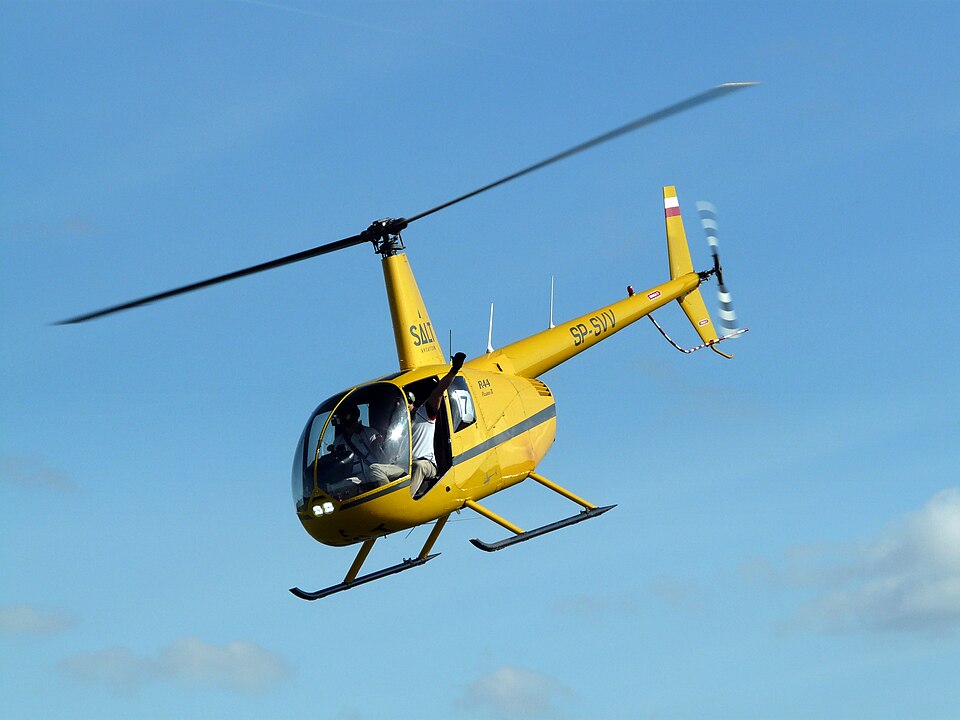
The Robinson R44 Raven II is perhaps the most practical personal helicopter on this list. It seats four people — two in front, two in back — and offers a range of around 348 miles with a top speed near 149 mph. It is a genuine transportation tool, not just a recreational toy.
New pricing hovers between $375,000 and $500,000 depending on configuration and options, though used examples can be found for considerably less. The R44 shares Robinson's reputation for reliability and low operating costs, and its four-seat capacity makes it genuinely useful for family travel or business use.
The R44 is widely considered the most popular personal helicopter in the world among aviation enthusiasts. Its combination of performance, reliability, and relative affordability has kept it at the top of the personal helicopter market for decades.
How Much Does It Really Cost to Own a Personal Helicopter?
The purchase price is just the beginning. Before committing to any helicopter, you need to understand the full cost of ownership. Here is a realistic breakdown.
Ongoing Annual Costs to Budget For
- Insurance: Hull and liability insurance for a light piston helicopter like the R22 or R44 can run anywhere from a few thousand dollars to $30,000 or more per year, depending on pilot experience, aircraft value, and coverage level. Less-experienced pilots typically pay higher rates.
- Hangar or tie-down fees: Hangar costs vary widely by location. Expect anywhere from roughly $200 to $1,500 or more per month, depending on the airport and region. Some owners in rural areas pay less; urban airports charge significantly more.
- Fuel: Light piston helicopters burn roughly 8 to 12 gallons per hour of aviation fuel. At current fuel prices, expect to budget around $150 to $250 per flight hour just for fuel, depending on the aircraft and your location.
- Annual inspections and maintenance: Even without major repairs, annual inspections and routine maintenance on a certified helicopter can run $5,000 to $20,000 per year or more.
- Engine and component overhaul reserves: Helicopter engines and rotors have defined time limits called Time Between Overhaul, or TBO. Owners need to set aside money each hour they fly to cover these costs when overhaul time arrives. For an R22, this reserve is estimated at roughly $90 per hour flown.
- Pilot training and currency: All pilots need to maintain their certificates and stay current. Budget for recurrent training annually.
A Rough Annual Cost Example
For a used Robinson R44 bought for around $350,000 and flown roughly 100 hours per year, realistic annual costs might look something like this:
| Cost Category | Approximate Annual Cost |
| Hangar or tie-down | $6,000–$15,000 |
| Insurance | $8,000–$20,000 |
| Fuel (100 hrs) | $15,000–$25,000 |
| Maintenance and inspections | $10,000–$20,000 |
| Overhaul reserves | $5,000–$10,000 |
| Miscellaneous / training | $3,000–$6,000 |
| Total Estimate | $47,000–$96,000/year |
These are rough figures and will vary significantly based on aircraft condition, location, and how much you fly.
Fun Fact: Helicopter ownership costs are often compared to buying a second home. The purchase price is the down payment, and the annual operating costs are like your ongoing mortgage, insurance, utilities, and maintenance rolled into one.
Kit vs. Certified: Which Type Is Right for You?
The choice between a kit helicopter and a certified model comes down to more than just price. Here is a simple framework to help you decide.
Choose a kit helicopter if:
- Budget is your primary constraint and you are comfortable with a very low price in exchange for significant build time
- You enjoy building and have mechanical aptitude
- You plan to use the helicopter purely for solo recreational flying
- You are not concerned with commercial use or resale value
Choose a certified helicopter if:
- You want an aircraft with a known safety record and FAA certification
- You plan to carry passengers regularly
- You want to use the helicopter for any commercial purpose
- You want a smoother path to financing, insurance, and resale
For most personal buyers in the U.S., the Robinson R22 or R44 represents the best balance of price, capability, safety support, and long-term ownership practicality. The kit options make sense for adventurous builders with modest budgets, but they come with real trade-offs.
If you are also weighing a helicopter against a small fixed-wing aircraft, the helicopter vs. plane comparison guide at Flying411 breaks down the key differences in operational costs, utility, and licensing.
What You Need to Fly a Personal Helicopter in the U.S.
Buying a helicopter is one thing. Flying it legally is another. Here is what you need to know before you take off.
Pilot Certification
To fly a helicopter in the U.S., you need at minimum a Private Pilot Certificate with a Helicopter Rating from the FAA. Training typically involves a minimum of 40 hours of flight time, though most students need more. The cost of helicopter pilot training in the U.S. generally runs anywhere from around $15,000 to $40,000 or more depending on the flight school, aircraft type, and location.
Robinson R22 and R44 pilots also need a special endorsement under FAA Special Federal Aviation Regulation 73 (SFAR 73), which covers the unique handling characteristics of low-inertia rotor systems.
FAA Medical Certificate
All helicopter pilots flying certified aircraft need a valid FAA Medical Certificate. The class required depends on how you intend to use the aircraft.
Registration and Airworthiness
Every aircraft operated in U.S. airspace must be registered with the FAA and maintain a current airworthiness certificate. For certified helicopters, this means annual condition inspections. For experimental aircraft, requirements vary.
Pro Tip: If you are learning to fly a helicopter with the goal of owning one, it is worth training in the same model you plan to buy. Transitioning between helicopter types requires additional training, and familiarity with your specific machine is a safety advantage.
For an interesting look at how helicopters compare to planes in terms of safety considerations, Flying411's article on are helicopters safer than planes is a useful read.
Tips for Buying a Used Helicopter on a Budget
For most personal buyers, the used market is where the real bargains live. A used helicopter in good condition can cost a fraction of new pricing while offering many years of reliable service. Here are the key tips.
- Always get a pre-purchase inspection. Have a certified aircraft mechanic inspect any helicopter you are serious about buying. They can catch problems you would not see on your own.
- Review maintenance records carefully. Comprehensive, well-organized records are a sign of a well-cared-for aircraft. Missing or incomplete records are a red flag.
- Check component times. Many helicopter parts have specific life limits measured in flight hours. Know how close major components are to overhaul time, because that expense will land in your budget.
- Use a reputable broker. Aviation brokers who specialize in helicopters know the market and can help you avoid overpaying or buying a problem aircraft.
- Consider the parts supply. For less common models, spare parts can be hard to find and expensive. Stick with models that have strong dealer networks and parts availability.
- Verify insurance availability. Some older or more exotic helicopter models are difficult to insure. Always get insurance quotes before finalizing a purchase.
If you are ready to take the next step in your helicopter buying journey, Flying411 has guides, aircraft comparisons, and resources to help you fly smarter — not harder.
Conclusion
Owning a personal helicopter is a real possibility for people who plan carefully and understand the full picture of ownership costs. The cheapest helicopter for personal use starts at just a few tens of thousands of dollars for an ultralight kit — though that comes with real limitations. For practical personal transportation, the Robinson R22 and R44 remain the gold standard of affordable certified helicopters, balancing acquisition cost, reliability, and long-term value in a way that few competitors can match.
The key is going in with realistic expectations. The purchase price is only the first check you will write. Insurance, hangar fees, fuel, maintenance, and overhaul reserves add up fast, and the true cost of ownership is almost always higher than buyers first expect.
Do your research, fly in several models before committing, and build your budget around the full cost — not just the sticker price.
When you are ready to take that next step, Flying411 is ready to help you navigate the world of personal aviation with the information you need to make a confident decision.
Frequently Asked Questions
What is the cheapest helicopter you can legally fly in the U.S.?
Some ultralight kit helicopters — such as certain Mosquito XE models or the Skycraft Scout — can be built and flown for well under $100,000. However, you must comply with FAA Experimental/Amateur-Built rules and hold the appropriate pilot certificate.
Can I land a personal helicopter in my backyard?
In many rural and suburban areas, landing a helicopter on private property is legally possible, but local zoning laws, noise ordinances, and HOA rules may restrict it. Always check local regulations and consult an aviation attorney if you plan to operate from a private landing site.
How long does it take to build a kit helicopter?
Build times vary widely depending on the kit and the builder's experience. Some simpler kits can be completed in a few hundred hours, while more complex two-seat kits may take 1,000 hours or more. Most builders take one to several years to complete their aircraft.
Is it hard to get a helicopter pilot's license?
Obtaining a Private Pilot Certificate with a Helicopter Rating requires a minimum of 40 flight hours under FAA rules, though most students log more hours before they are ready for the checkride. The training is challenging, particularly hovering and autorotations, but it is achievable for most motivated students with proper instruction.
What is the most affordable certified helicopter to maintain?
The Robinson R22 Beta II is widely considered one of the most economical certified helicopters to operate in the world. Its piston engine, relatively simple systems, and large global support network help keep maintenance costs lower than turbine-powered alternatives. Factory-estimated operating costs at 500 annual hours have historically been in the range of roughly $190 per hour, though real-world costs vary.