What to Know When Buying a Plane
Did you know? In 2023 alone, more than 2,800 general aviation aircraft were delivered globally, highlighting that more people are entering private aviation than ever before.
Buying a plane is a big step. It gives you freedom, convenience, and control over your travel. But it also comes with many responsibilities. If you're asking yourself "what to know when buying a plane," you're in the right place. This guide breaks down everything you need to consider.
Why You Do You Want a Plane?
Before anything else, ask yourself why you want an airplane. This one question helps narrow your choices.
- Are you planning short leisure trips?
- Do you want a plane for business?
- Are you learning to fly?
- Do you want to fly cross-country?
Each use case refers to a different aircraft type. Knowing your "mission" is step one. Think about how often you'll fly and where you'll go. Consider how many people you’ll bring with you. This helps you choose a plane that fits your real needs.
Set a Realistic Budget
A plane's price is only the beginning. Here are the actual costs to expect:
One-Time Costs:
- Plane purchase price
- Pre-purchase inspection
- Loan Down Payment and Fees
Ongoing Costs:
- Fuel and Oil
- Hangar or tie-down rental
- Routine maintenance
- Annual inspections
- Insurance
- Unexpected repairs
Even inexpensive planes for novices might have significant recurring costs. So, prepare for the total cost, not just the sale price. Certain expenses, such as fuel, insurance, and inspections, tend to increase year after year. Other charges, such as part replacement or plane storage during inclement weather, may surprise you.
New vs Used Planes
Both new and older airplanes have advantages and downsides:
New Planes:
- Fewer issues.
- Latest technology
- More expensive
Used Planes:
- Cheaper upfront
- It's possible that repairs are necessary
- There can be a lack of modern features
If this is your first plane, a used one could be preferable. But only if it's in decent shape. Older aircraft can still perform correctly if properly maintained. Before buying, always check the service history and get it inspected by a recognized professional.
Do a Pre-Buy Inspection
This is a must. A pre-buy inspection helps you avoid costly mistakes.
Hire a certified mechanic to check:
- Engine condition
- Avionics and instruments
- Logs and records
- Signs of damage or wear
If problems are found, you can ask the seller to fix them or negotiate a lower price. Always speak up about what the mechanic finds. You don’t want to pay full price for a plane that needs expensive repairs. Taking this step can save you a lot of money and trouble later.
Know Where You'll Keep the Plane

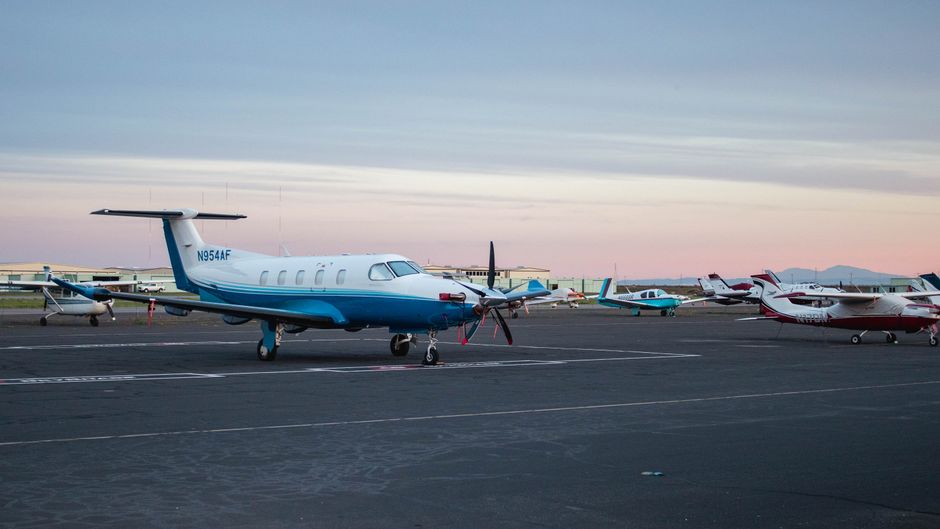
Once you own an aircraft, you'll need to decide where to store it. Your main options are a hangar or a tie-down. A hangar offers protection from the elements and added security, but it typically comes at a higher cost. A tie-down is more affordable, though it leaves your aircraft exposed to weather conditions. It's important to check availability in your area before making a purchase, as hangar space can be limited or difficult to secure in some locations.
Learn the Rules and Paperwork
Flying a plane means staying legal.
You’ll need to:
- Register the plane with the FAA
- Keep up with maintenance logs
- Follow airworthiness rules
- Pass yearly inspections
These rules aren’t hard. But they do matter. Understanding them early helps you avoid trouble. Following the rules keeps your plane legal and safe. It also helps you avoid fines or flying problems later on.
Plan for Insurance
Aircraft insurance is required, and it varies by
- Your flying experience
- Type and age of the plane.
How frequently and where do you fly? New pilots typically receive higher compensation. Some may require additional training before becoming insured. Insurance companies want to ensure that you can fly the jet safely. Additional lessons or flight hours may be required before they approve your coverage. This helps to lessen the likelihood of accidents.
Take the Right Training
Even if you're already a pilot, each aircraft is unique and may require additional preparation. You may need a checkout flight, transition training, or a specific number of hours to qualify for insurance. Investing in training not only boosts your safety and confidence but can also help lower insurance costs over time. It allows you to become more comfortable flying different planes and better prepared to handle adverse weather or emergency situations. Training with an experienced instructor helps you develop good habits in a supportive environment where you can ask questions and improve your flying skills.
Think About Resale Value
What if you want to sell the plane later?
Ask yourself:
- Is this model in demand?
- Will it be easy to maintain?
Are parts available? A plane that holds value is easier to sell. That gives you options if your needs change. You won’t feel stuck with a plane that no longer fits your needs. It also makes it easier to upgrade to a different aircraft in the future.
Join a Type Club
Type clubs are groups that support specific aircraft models. They're an excellent source of assistance.
Benefits include:
- Maintenance Tips
- Safety updates
- Parts and Upgrade Advice
- Stories from actual owners.
Joining one can save you money and prevent mistakes. You can ask questions and receive responses from others who own the same type of plane. They can discuss what works well and what issues to watch out for. This can help you make better decisions and gain confidence as an owner.
Choose the Right Plane for Your Mission
The ideal plane depends on your objectives. Consider:
- How far will you fly?
- How many passengers will you carry?
- Which airports will you use?
- Weather conditions that you may encounter
Short, easy flights are common with inexpensive planes, such as the Cessna 150 or Piper Cherokee, which are ideal for beginners. These airplanes are simple to fly and inexpensive to maintain. They're also suitable for practicing takeoffs and landings. Many rookie pilots use these models to develop experience and confidence.
Understand Ownership vs Shared Options
You don't necessarily need to own an entire plane to enjoy the benefits of private aviation. Alternatives such as partnerships, fractional ownership, and leasing can significantly reduce costs. These options offer financial flexibility but also come with limitations. For instance, you may need to share flight time or adhere to rules set by other co-owners or the leasing company. It's important to fully understand these trade-offs and determine whether you're comfortable with the restrictions before choosing this path.
Be Ready for Surprises
Aircraft ownership is rewarding, but it can also be unpredictable. You might encounter sudden repairs, unexpected schedule changes, or upgrades you didn’t anticipate. The more flexible your mindset, the smoother your ownership journey will be. Since surprises are an inherent part of the experience, staying calm and adaptable is crucial. Being prepared to handle changes not only reduces stress but also makes your flying experience more enjoyable and manageable.
Conclusion
So, what should you know when buying a plane? The list may seem long, but it's manageable with the right approach. Begin by understanding why you need an aircraft and establish a realistic budget based on your specific needs. Decide whether a new or used plane suits you best, and always get a thorough inspection before finalizing the purchase. Plan ahead for storage and insurance, and ensure you're familiar with aviation rules and regulations. Most importantly, never skip training; even experienced pilots benefit from it. Whether you're investing in a premium jet or exploring affordable planes for beginners, being well-informed is key to making a safe and confident decision.
Frequently Asked Questions
1. What is the average cost of buying an airplane?
When deciding what to know before buying a plane, you should consider the annual ownership costs. These can cost anywhere from $5,000 to $30,000 or more, depending on the type of aircraft, maintenance, fuel, insurance, and storage.
2. Are 20-year-old aircraft safe?
Yes, many 20-year-old planes are safe if they have been properly maintained and have complete service records. When purchasing a plane, it is important to understand that maintenance history and current airworthiness take precedence over age.
3. What credit score is required for purchasing an airplane?
If you're financing, most lenders like a credit score of at least 700. When purchasing a plane, it is critical to recognize that credit has a significant impact on your down payment, interest rates, and loan terms.
4. What are the downsides of owning an airplane?
Ongoing spending, unforeseen maintenance costs, and required training are all significant problems. A significant part of what to consider when purchasing a plane is that ownership entails more than just the original cost; it also requires time, knowledge, and ongoing maintenance.
5. Is an airplane a good investment?
An airplane is usually not considered a financial investment, as most depreciate over time. Still, what to know when buying a plane includes realizing it’s an investment in time savings, flexibility, and personal freedom, not necessarily profit.