Learning to fly is exciting, but picking the right airplane can feel confusing. Many new pilots face the same first big choice, and it often comes down to Cessna 172 vs Piper Cherokee.
Both planes have trained thousands of pilots across the USA. They look similar on paper, yet they feel different in the air. Those small differences can shape how confident and comfortable a new pilot feels from day one.
Before jumping into details, it helps to understand why these two planes keep showing up at airports and schools everywhere.
Key Takeaways
The main difference between the Cessna 172 and the Piper Cherokee is how they handle and how they are built, even though both are popular training and travel airplanes. The Cessna 172 has high wings, great visibility, and very stable flying, which makes it a favorite for new pilots. The Piper Cherokee has low wings, a smoother ride in wind, and a more “car-like” feel on landing. Both are safe, reliable, and easy to fly, but they feel different in the air and on the ground.
| Feature | Cessna 172 | Piper Cherokee |
| Wing position | High wing | Low wing |
| Visibility | Great downward view | Better side view |
| Stability | Very stable | Smooth and steady |
| Landing feel | Easy and forgiving | Feels like driving a car |
| Cabin comfort | Upright seating | Wider, lower seating |
| Training use | Very common | Very common |
| Best for | Learning and travel | Learning and travel |
Which Plane Is Better for New Pilots?
For a new flyer, safety and comfort matter first. Both airplanes are built for learning. Many schools like the cessna 172 because it feels steady and calm. The high wing design helps with seeing the runway and judging height during landing. That makes early lessons less stressful.
The piper cherokee family sits closer to the ground. Its low wing layout gives a different feel in turns. Some students say it feels smooth and connected. Others need time to adjust. Neither plane is wrong. They simply teach skills in slightly different ways.
Here is how many instructors explain it to a student pilot:
- The Cessna forgives small mistakes.
- The Piper rewards smooth control.
- Both build strong habits for later flying.
This is why the 172 vs Cherokee debate never ends. Each plane helps pilots learn to fly safely and with confidence.
What Is the Cessna 172 and Why Do Pilots Like It?
The Cessna 172, often called the Skyhawk, is one of the most common training aircraft in the world. Many flight school fleets rely on it because it is tough, simple, and easy to fly. Pilots trust it for daily lessons and long practice flights.
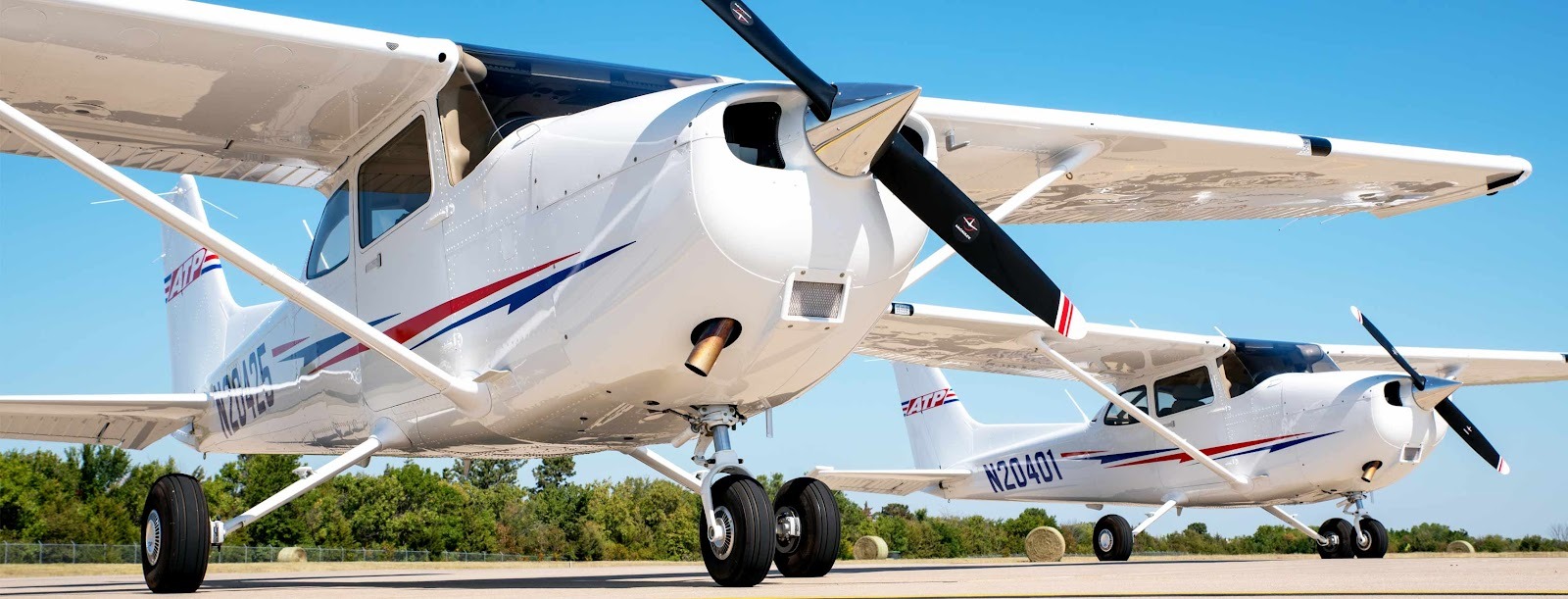
The plane uses a high-wing design. This puts the wings above the cabin and gives a clear view of the ground. During learning to land, this view helps students judge height and speed. The cockpit feels upright, and the controls move in a predictable way.
Power options vary across models. Some older versions use 150 hp, while others run 160hp or 180hp engines. These hp models give enough climb for training without feeling fast. Many schools like the balance between performance and control.
Other features pilots talk about include:
- Strong airframe built for daily use
- Simple avionics that reduce distractions
- A reliable fuel tank system with a clear fuel selector
- Solid fixed gear that handles student landings well
Pilots also like the wide support network. Parts are easy to find, and mechanics know the plane well. That wide availability keeps costs steady. From older cessna 150 trainers to modern cessna 172s, the design has proven itself. Many instructors say the c172 builds confidence early, and that is why 172 is great for first-time flyers.
How Do Flight Schools and Student Pilots Use These Planes?
Schools choose planes that work day after day. Both the Cessna and the Piper fit that role. In flight training, these airplanes handle slow flight, stalls, and pattern work with ease. That makes them ideal for pilot training from the first lesson through the checkride.
The pa-28 series covers a wide range. The pa28 family includes the cherokee 140, cherokee 180, and cherokee 235. Some schools compare cherokee 140 vs cessna 172 when setting up beginner programs. The piper cherokee 140 uses a 140hp engine and feels gentle for early lessons. Larger versions like the pa-28-235 offer more horsepower and higher max gross weight.
Flight schools also look at comfort and layout:
- The Piper’s low-wing setup allows easy fueling and a wide door.
- The Cessna’s two doors make entry simple for students.
- Many Cherokees use a hershey-bar or hershey bar wing shape.
- The Piper tail uses a stabilator instead of a standard elevator.
Some models include retractable options, but most trainers stick with fixed gear for safety. Planes like the archer or larger 180's and 182 versions may appear later in training. For instrument work, both planes can support ifr lessons with the right setup.
Schools also consider payload. Useful load matters when flying with an instructor and full gallons of fuel. The cherokee line and the Skyhawk both manage this well. From older 150s to newer 180 hp versions, these planes meet training needs across the board.
What Is the Piper Cherokee and What Makes It Different?
The Piper Cherokee is a small airplane built for training, travel, and everyday flying. It belongs to the pa-28 cherokee family, which includes several models made for different pilot needs. Flight schools across the USA use it often because it feels steady, smooth, and easy to manage.
At first glance, the Cherokee looks simple. But once you sit inside and fly it, you notice clear traits that set it apart. Many pilots say it feels solid and balanced. Others say it feels like sitting in a small car with wings. Both ideas help explain why so many pilots enjoy flying it.
The Cherokee Design and Layout
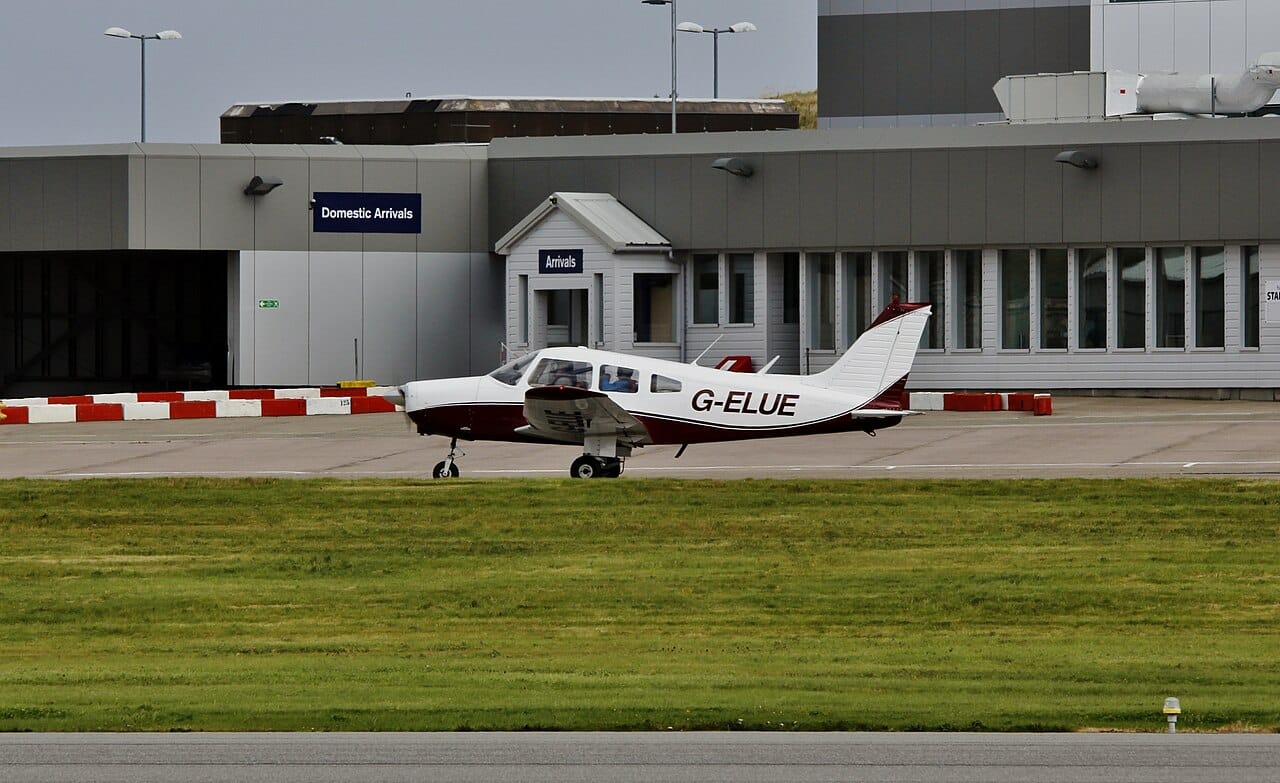
The Piper Cherokee uses a low-wing layout. This means the wings sit below the cabin instead of above it. This changes how the plane feels on the ground and in the air.
Here is what pilots notice right away:
- You step onto the wing before entering the cabin.
- The cabin feels wide and level.
- The plane sits lower to the ground than many trainers.
The seating is often described as 2+2. That means two full seats in front and two smaller seats in the back. For training, the front seats matter most. They give enough room for an instructor and a student to sit comfortably side by side.
The wing shape on many models is known as a tapered wing. This shape helps the plane fly smoothly and respond well to control inputs. Some early models used a constant wing shape, while later ones refined the design for better handling.
Engine Power and Performance
Cherokees come with different engines, depending on the model. Some trainers use a 160 hp setup, while others use stronger options. Each engine hp choice affects climb rate, speed, and payload.
Pilots often talk about how the hp engine feels during takeoff. Power comes on smoothly. Acceleration feels steady, not rushed. This helps new pilots stay calm and focused during early lessons.
In normal flight, the Cherokee settles into a comfortable cruise speed. It does not feel fast, but it does not feel slow either. This balance works well for training flights and short trips.
Compared to other trainers, the Cherokee’s performance sits right in the middle. It is not built to race. It is built to teach skills in a controlled way.
Handling in the Air
Once airborne, the Cherokee feels smooth and stable. Control inputs feel direct but not sharp. When a pilot moves the yoke, the plane responds without surprise.
Many instructors explain it like this:
- Small inputs lead to small changes.
- Smooth hands lead to smooth flight.
- The plane stays predictable in turns and climbs.
This handling style helps students focus on basics like heading, altitude, and speed. It also helps during practice maneuvers. Stalls, slow flight, and turns feel clear and easy to sense.
Some pilots compare how Cherokees fly to how 172's feel in the air. Others compare them to skyhawk's they trained in before. These comparisons often lead to discussions about the differences between cessna and Piper designs.
Gear and Structural Features
Most training Cherokees use fixed landing gear. This keeps systems simple and reduces pilot workload. Some advanced models use retractable gear, but those are usually flown after initial training.
Fixed gear helps in several ways:
- Fewer controls to manage.
- Lower maintenance costs.
- Less chance of forgetting a step.
The structure of the plane is strong and built for daily use. The design comes from Piper’s long history of small aircraft, including models like the comanche, which helped shape later ideas.
While the Cherokee shares space at airports with planes like the cessna 182, it fills a different role. The 182 often serves travel and utility needs, while the Cherokee focuses on training and light personal flying.
Why Pilots Say It Feels Different
Many pilots say the Piper Cherokee feels planted. This comes from the low-wing design and the way weight sits close to the ground. Taxiing feels stable. Turns on the ground feel controlled.
In the air, that same balance continues. The plane tracks straight. It holds altitude well once trimmed. These traits help reduce workload for students.
Pilots who trained in cherokee's often say the plane helped them feel confident early. Pilots who trained in Cessnas sometimes notice the change right away. Neither feeling is wrong. It simply shows how design choices shape the experience.
How the Cherokee Fits into Training
Flight schools like the Cherokee because it fits many training goals. It works well for early lessons, solo flights, and cross-country training. It also prepares pilots for other low-wing aircraft later on.
Here is why schools keep it in their fleets:
- Simple systems are easy to teach.
- Handling supports skill building.
- Parts and support are widely available.
The Cherokee also helps pilots transition to other Piper models. Once a pilot understands how this plane flies, moving up feels natural. That smooth learning path matters during long training programs.
A Clear Place in General Aviation
The Piper Cherokee has earned its place over many years. It trains pilots. It carries families on short trips. It supports skill growth step by step.
When pilots talk about their early flying days, the Cherokee often comes up by name. Some smile. Some laugh about early landings. Most agree it taught them important lessons.
That is what makes the Piper Cherokee different. It is calm. It is steady. And it does its job without fuss.
Conclusion
Choosing between these two trainers is a good problem to have. Both airplanes have long records in aviation and have helped countless pilots earn a private pilot certificate. The real choice often comes down to comfort, instructor preference, and what your local airport offers. Many pilots enjoy the Piper and say they like the cherokee, while others prefer the familiar feel of the Skyhawk. When it comes to cessna 172 and piper cherokee, either path can lead to safe, confident flying. If you want help exploring aircraft options, training insights, or the next step after lessons, visit Flying411 and keep your flying journey moving forward.
Frequently Asked Questions
Is one plane safer for beginners?
Both planes have strong safety records. Safety depends on training quality, maintenance, and instructor guidance rather than the model itself.
Which plane costs less to rent?
Rental rates vary by airport. Cessnas are often slightly cheaper due to fleet size, but local pricing matters most.
Can taller pilots fit comfortably?
Many taller pilots find both planes comfortable. The Piper cabin feels wider, while the Cessna offers good legroom.
Do these planes handle crosswinds well?
Yes. Both are designed for training and handle normal crosswinds used during student lessons.
Which plane is better after training?
Pilots often move to larger aircraft later. Skills learned in either plane transfer well to other small airplanes.