Flying has a reputation for being a rich person's pastime, but the real numbers tell a more interesting story. Some hobby pilots spend less per year than golfers who chase courses around the country. Others sink a small fortune into hangar rent and avionics upgrades without ever leaving their home airport.
The gap between those two pilots is huge, and the difference usually comes down to choices made early on.
So how expensive is flying as a hobby, really? The honest answer is that it depends on what kind of flying you want to do, how often you want to do it, and whether you rent, own, or share.
The price of admission can sting, but the price of staying in the sky often surprises people more than the cost of getting there in the first place.
Key Takeaways
Flying as a hobby usually costs between $10,000 and $20,000 to earn a private pilot license, then somewhere between $3,000 and $15,000 per year to keep flying, depending on whether you rent or own. Cheaper paths like ultralights and light sport aircraft can drop those numbers significantly, while owning a piston single can push them much higher.
| Cost Area | Typical Range |
| Private Pilot License training | $10,000 to $20,000+ |
| Sport Pilot License training | $5,000 to $8,000 |
| Aircraft rental (wet, per hour) | $100 to $250 |
| Used trainer aircraft purchase | $30,000 to $150,000 |
| Annual ownership cost (fixed) | $3,000 to $10,000+ |
| Hourly variable cost of ownership | $50 to $150+ |
| Ultralight aircraft purchase | $10,000 to $25,000 |
Flying411 is an aviation marketplace where hobby pilots, owners, and shoppers can compare aircraft, parts, and services in one place to make smarter spending decisions from day one.
What Counts as Flying as a Hobby
Hobby flying covers a wide range of activities, and the cost picture shifts a lot depending on which one you pick. Some people fly tiny single-seat ultralights on weekends. Others rent a four-seat Cessna and take their family on $300 hamburger runs to nearby airports. A few buy their own plane and chase weather across three states for fun.
All of it counts as flying as a hobby. The common thread is that the flying is recreational rather than commercial. You are not getting paid, you are not on a schedule, and you are flying because it is enjoyable.
Here are the most common hobby flying paths:
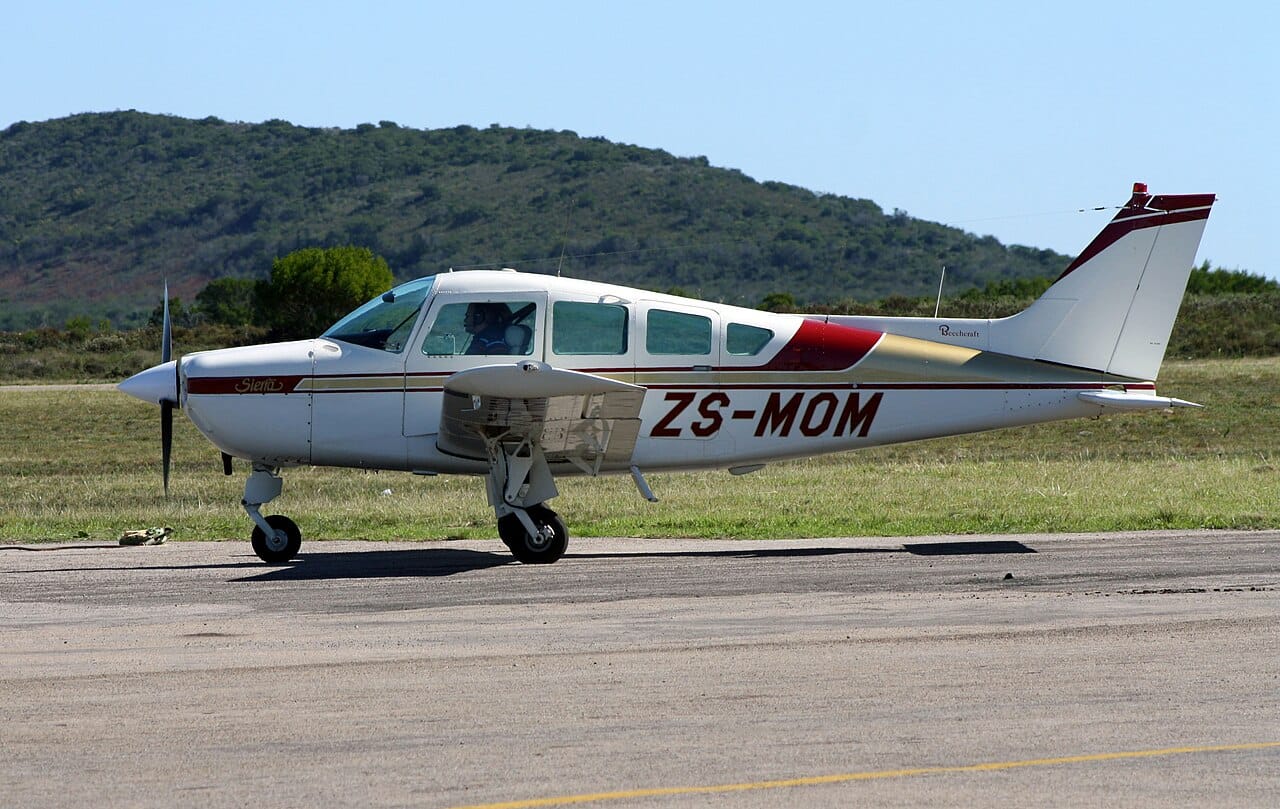
- Private pilot flying in single-engine planes like the Cessna 172 or Piper Cherokee
- Sport pilot flying in lighter, simpler aircraft with fewer training hours
- Ultralight flying under FAA Part 103, which requires no license at all
- Glider and sailplane flying, often the cheapest entry into powered-style flight
- Helicopter flying for those drawn to vertical lift
- Experimental and homebuilt aircraft, which trade upfront cost for sweat equity
Each path has its own cost curve, and one is not necessarily better than another. They just serve different goals.
Good to Know: The FAA does not classify your flying based on how much fun you are having. It classifies it based on what you are using the aircraft for and what certificate you hold. Recreational flying still has to follow the same rules as any other operation under your certificate.
The Real Cost of Getting Your License
Most hobby pilots start with the Private Pilot License, often shortened to PPL. The FAA minimum is 40 flight hours, but the national average is closer to 60 or 70 hours by the time most students pass their checkride. That gap is where the real money lives.
A typical PPL budget breaks down something like this:
- Aircraft rental: 60 hours at $150 per hour = $9,000
- Instructor time: 40 hours at $70 per hour = $2,800
- Ground school or online course: $300 to $500
- Books, charts, and supplies: $300 to $500
- Headset: $300 to $1,200
- Medical exam: $100 to $200
- Written test: around $175
- Checkride examiner fee: $600 to $1,000+
Add it up and you are looking at roughly $14,000 to $16,000 for an average student at an average school. Students who fly often and study consistently tend to land on the lower end. Students who take long breaks between lessons almost always end up on the higher end, sometimes much higher.
Heads Up: Inconsistent training is the single biggest cost driver for new pilots. If you only fly once every three weeks, you will spend the first part of every lesson re-learning what you forgot. Those wasted hours add up fast.
Sport Pilot is a cheaper alternative if you do not need the full privileges of a PPL. The Sport Pilot certificate requires only 20 hours of training and limits you to lighter aircraft, daytime flying, and certain altitude restrictions. Many hobby pilots find it more than enough for what they actually want to do.
Renting vs Owning: Which Is Cheaper
This question comes up constantly, and the answer almost always depends on how many hours you fly per year. Renting is cheaper for low-time pilots. Ownership starts to make sense once you cross a certain threshold, usually around 100 to 150 hours per year.
Renting Costs
Renting is simple. You pay an hourly wet rate that covers the aircraft and fuel, and the flight school or club handles everything else. Typical rates look like this:
- Cessna 152 or similar: $100 to $140 per hour
- Cessna 172: $140 to $200 per hour
- Piper Cherokee: $130 to $180 per hour
- Light Sport Aircraft: $110 to $160 per hour
- Complex or high-performance aircraft: $200 to $300+ per hour
If you fly 50 hours a year in a Cessna 172 at $170 per hour, that is $8,500 in rental fees. No insurance worries, no maintenance bills, no hangar to pay for. Just show up and fly.
Ownership Costs
Ownership splits into two categories: fixed costs that you pay no matter what, and variable costs that scale with how much you fly.
Fixed costs include:
- Hangar or tie-down: $50 to $600+ per month depending on location
- Insurance: $1,000 to $3,000+ per year for a private pilot in a piston single
- Annual inspection: $1,500 to $3,500 if nothing is wrong, much more if something is
- Database subscriptions and avionics updates: $200 to $800 per year
- State registration and taxes: varies widely
Variable costs include:
- Fuel: roughly 8 to 12 gallons per hour at $5 to $7 per gallon
- Oil and consumables
- Engine reserve: smart owners set aside $15 to $25 per hour toward the next overhaul
- Tire, brake, and routine maintenance reserve
A reasonable working number for a Cessna 172 owner who flies 100 hours a year is something like $8,000 to $12,000 per year all-in. That can swing higher with hangar costs or unexpected repairs.
Why It Matters: Ownership math is not just about the hourly rate. The fixed costs hit you whether you fly or not, which means the more you fly, the cheaper each hour becomes. Fly only 20 hours a year and your effective hourly cost can be brutal. Fly 150 hours and it suddenly looks reasonable.
For a deeper look at what to expect before signing any paperwork, the buying-a-plane beginner guide walks through the questions most first-time owners forget to ask.
Cheaper Ways to Fly
Not every hobby pilot needs a four-seat certified aircraft. There are several paths that cost a fraction of traditional general aviation, and some of them are arguably more fun.
Ultralights
Under FAA Part 103, ultralights are single-seat aircraft under 254 pounds empty weight with strict speed and fuel limits. The huge perk is that no license, no medical, and no aircraft registration is required. You can buy a used ultralight for $10,000 to $20,000, fuel costs are minimal, and you can keep one in a small hangar or even a trailer.
The trade-off is that you fly alone, you fly slow, and you fly in good weather. For many hobby pilots, that is exactly the point.
Light Sport Aircraft
LSAs are a step up from ultralights. They are real airplanes with two seats, glass panels in many cases, and the ability to cross state lines comfortably. A Sport Pilot certificate is enough to fly one, and training costs are typically half to two-thirds of a full PPL.
Gliders
Soaring clubs are one of aviation's best-kept secrets. Annual dues at many clubs run $500 to $1,500, plus modest tow fees per flight. A glider rating can be earned for far less than a powered rating, and once you have one, the cost per hour in the air is shockingly low.
Flying Clubs
Joining a flying club is a middle path between renting and owning. Members share one or more aircraft, split fixed costs, and pay an hourly rate that is usually 20 to 40 percent lower than commercial rental rates. The trade-off is scheduling, but the savings are real.
Pro Tip: Before committing to ownership, spend a few months as a flying club member if there is one near you. You get a feel for what regular access to an airplane actually looks like without the long-term commitment, and you build relationships with people who can help you find a good aircraft when the time comes.
Curious about the lower end of rotary-wing flying? The cheapest ultralight helicopter breakdown shows just how affordable vertical flight can be if you pick the right machine.
What Flying as a Hobby Actually Costs Per Year
Once you have your license and you are flying regularly, the year-over-year cost depends entirely on your setup. Here are three realistic profiles to help frame the numbers.
The Casual Renter
Flies 25 hours per year in a Cessna 172 at $170 per hour. Adds in a couple of biennial flight reviews, a medical renewal every few years, and some chart subscriptions.
- Rental: $4,250
- Reviews, medical, subscriptions, supplies: $500 to $800
- Annual total: $4,750 to $5,050
The Active Renter
Flies 75 hours per year, mixes in some cross-country trips, and occasionally rents a more capable aircraft.
- Rental: $13,000 to $15,000
- Subscriptions, currency, supplies: $800 to $1,200
- Annual total: $13,800 to $16,200
The Owner of a Used Cessna 172
Flies 100 hours per year, hangars in a moderately priced field, carries reasonable insurance.
- Fuel: $5,000 to $7,000
- Hangar: $2,400 to $4,800
- Insurance: $1,500 to $2,500
- Annual inspection: $1,800 to $3,000
- Engine and maintenance reserve: $2,000 to $3,000
- Subscriptions, supplies: $500 to $1,000
- Annual total: $13,200 to $21,300
Notice that the active renter and the owner end up in similar territory. That is exactly why so many pilots agonize over the rent-versus-buy decision. The numbers are close enough that lifestyle factors often matter more than dollars.
A useful comparison if you are weighing aircraft options is the Cessna 172 vs Piper Cherokee breakdown, since these are the two most common ownership choices for hobby pilots.
Looking at used aircraft? Flying411's marketplace lets you compare listings, check engine times, and connect directly with sellers, which makes the rent-versus-buy math a lot easier to run with real numbers in front of you.
Hidden Costs Most New Pilots Underestimate
The sticker price of training and the obvious costs of ownership are easy to plan for. The sneaky expenses are the ones that catch people off guard, and they add up faster than most new pilots expect.
Here are the costs that tend to fly under the radar:
- Currency requirements. To carry passengers, you need three takeoffs and landings every 90 days. That means flying even when you do not feel like it, which costs money.
- Biennial flight review. Every two years, you owe an instructor an hour of ground time and an hour in the air. Plan on $300 to $500 per review.
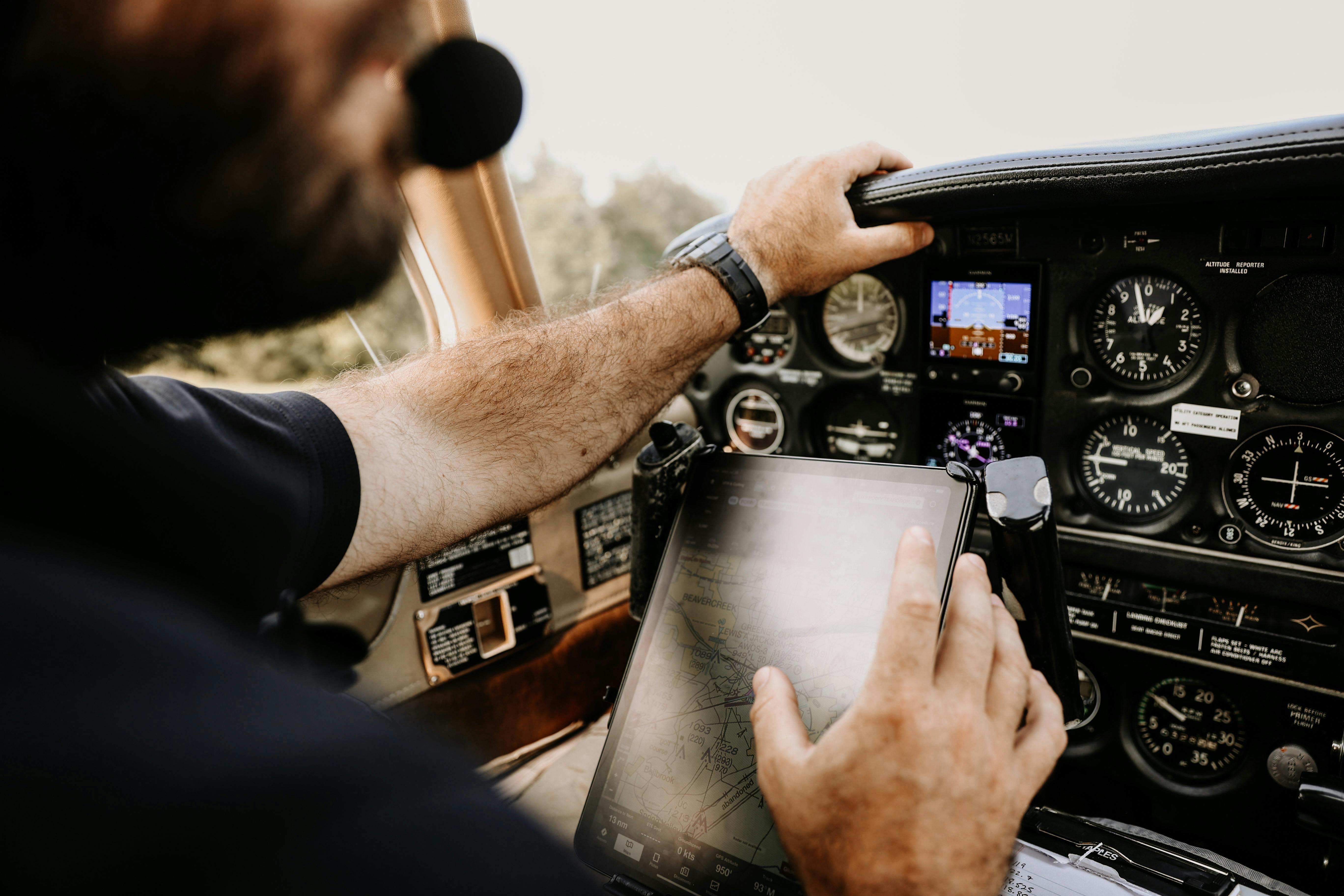
- Avionics updates. Modern panels run on databases that need updating. ForeFlight alone is around $100 a year, and panel-mount GPS updates can run several hundred more.
- Headsets and personal gear. A good headset lasts years, but the upfront cost is real. So are kneeboards, charts, sunglasses, and a flight bag.
- Unexpected maintenance. Magnetos, alternators, vacuum pumps, brake pads, and tires all wear out on their own schedule. One bad annual inspection can wipe out a year of careful budgeting.
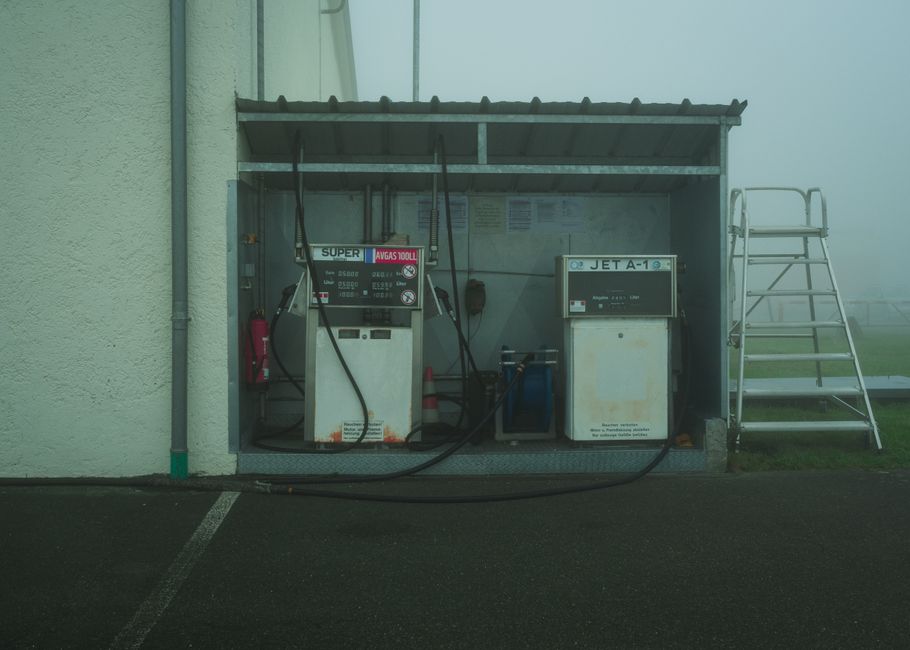
- Fuel price swings. Avgas prices move with crude oil, and a 50-cent jump per gallon adds up across a busy flying season.
- Hangar waitlists and rate hikes. Hangars are like rent-controlled apartments. Once you have one, you guard it. If you lose it, you may pay double at the next airport over.
The unexpected costs new Cessna 172 owners do not budget for covers many of these in detail, and reading through them before buying tends to save people real money.
Keep in Mind: Aviation maintenance is non-negotiable. You cannot skip an annual, you cannot postpone a 100-hour inspection on a rental aircraft, and you cannot fly an airplane that is not airworthy. Building a maintenance reserve from day one is the cheapest insurance you will ever buy.
How to Make Flying More Affordable
Flying does not have to drain a bank account. Pilots who fly a lot for a long time tend to share a few habits that keep costs under control.
- Train consistently. Fly two or three times a week if you possibly can. It cuts total hours to checkride and saves thousands.
- Pick the right first aircraft. A simple, well-maintained trainer almost always beats a fancy aircraft you cannot afford to fix.
- Join a flying club. Shared aircraft mean shared costs.
- Co-own with a partner or two. Splitting ownership three ways can cut fixed costs nearly in half while still giving you regular access.
- Fly out of cheaper airports. A 20-minute drive farther can mean half the hangar rent.
- Do your own preventive maintenance. The FAA allows owners to perform certain tasks under Part 43, which saves on labor.
- Buy used and buy smart. A pre-purchase inspection on the right used airplane saves more money than any negotiation tactic.
- Track your hours and costs. What gets measured gets managed, and most pilots are shocked by where their money actually goes once they start logging it.
The new vs used aircraft markets overview is a useful read if you are trying to decide where your dollar goes furthest.
Quick Tip: If you are buying your first plane, budget the purchase price plus 15 to 20 percent for surprises during the first year. Pre-buy inspections catch a lot, but they never catch everything, and the first annual under your ownership tends to find things the previous owner had been quietly ignoring.
If you are still researching your first aircraft, the best beginner planes list is a good starting point for narrowing down options that fit a hobby budget.
Ready to take the next step? Browse current listings on Flying411 to see what real hobby-friendly aircraft cost today, and connect directly with sellers, mechanics, and inspectors who can help you fly smarter.
Comparing Hobby Flying to Other Hobbies
A little perspective helps. Flying looks expensive in isolation, but it compares better than most people assume when you stack it next to other serious hobbies.
| Hobby | Typical Annual Cost (Active Participant) |
| Hobby flying (active renter) | $13,000 to $16,000 |
| Hobby flying (light sport / club) | $4,000 to $8,000 |
| Competitive sailing | $8,000 to $25,000 |
| Horse ownership | $8,000 to $20,000 |
| Motorsports (track days) | $10,000 to $30,000 |
| Boating (mid-size powerboat) | $7,000 to $20,000 |
| Golf (private club + travel) | $5,000 to $20,000 |
The honest takeaway is that flying belongs in the same conversation as other serious hobbies, not in a category by itself. The big difference is that flying has a higher up-front entry cost because of training. Once you are past that, the per-year math is competitive.
Fun Fact: Many active hobby pilots report that they spend less on flying than friends spend on long-distance road trips with high-end RVs, once fuel, insurance, hangar fees, and ownership math are all compared on the same scale.
Is Flying as a Hobby Worth It
Cost is only half of the question. The other half is what you get back for the money.
People who stick with flying tend to describe it the same way: it changes how they see the world. A two-hour drive becomes a 30-minute flight. A weekend away becomes spontaneous. A bad week at work becomes manageable when you know you can be at 3,000 feet on Saturday morning. There is a community attached to it, too, full of people who help each other with maintenance, training, and the occasional bad day.
That is the part the spreadsheets cannot capture. For some people, flying is worth twice what it costs. For others, it never quite clicks, and they move on. Both responses are fair. The smartest move is to start small, fly often, and see how it fits before stretching financially.
For a closer look at what early flying really feels like, the flying as a hobby overview is a good companion read to this one.
Conclusion
So how expensive is flying as a hobby? The numbers land somewhere between "manageable with planning" and "eye-watering without it." Training costs are real, ongoing costs are real, and the hidden expenses are very real. But the path is more flexible than most outsiders think, and there is a way to fly at almost every budget if you are willing to choose your aircraft and your approach carefully. The pilots who stay in the sky for decades are not always the wealthiest. They are usually the ones who matched their flying to their life, kept their expectations realistic, and treated the airplane as a tool for experiences rather than a status symbol.
Ready to put real numbers behind your flying plans? Head over to Flying411 to browse aircraft, compare options, and connect with the people who can help your hobby take off without taking off with your savings.
FAQs
Can you fly as a hobby without a private pilot license?
Yes. Ultralights under FAA Part 103 require no license at all, and a Sport Pilot certificate has lower training and medical requirements than a full PPL while still letting you fly real two-seat aircraft.
How much does it cost to maintain a small aircraft per year?
A typical piston single like a Cessna 172 usually costs $8,000 to $15,000 per year all-in for an owner who flies regularly, with annual inspections, hangar, insurance, and reserves making up the bulk of fixed expenses.
Is it cheaper to share aircraft ownership with someone else?
Partnerships and co-ownerships can cut fixed costs significantly, often by 40 to 60 percent depending on how many partners share the plane, though scheduling and shared decision-making take some coordination.
How long does it take to earn a private pilot license?
Most students take 6 to 12 months to earn a PPL, though it can be done faster with full-time training or slower if lessons are spread out, and consistency matters more than total calendar time.
Do you need to be wealthy to fly as a hobby?
Not necessarily. Many hobby pilots come from middle-income backgrounds and fly through clubs, partnerships, or simpler aircraft like ultralights and LSAs, which bring the cost much closer to other mainstream hobbies.