You've been dreaming about owning your own aircraft. Maybe you picture yourself taking off from a small airstrip on a Saturday morning, or maybe you love the idea of landing right in your backyard without needing a runway at all. Either way, the big question hits you fast: is it cheaper to own a plane or helicopter?
The short answer is that owning a fixed-wing airplane is generally cheaper than owning a helicopter in almost every cost category — from the initial purchase price to fuel, maintenance, and insurance. But the full picture is more nuanced than that. The right aircraft for you depends on how you plan to fly, where you want to go, and what you're willing to spend each year to keep it in the air.
This guide breaks down the real numbers behind both options so you can make a confident, informed decision before signing anything.
Key Takeaways
Owning a plane is cheaper than owning a helicopter across nearly every cost category. Fixed-wing aircraft cost less to buy, burn less fuel per hour, require less complex maintenance, and carry lower insurance premiums. Helicopters offer unique advantages — especially the ability to land almost anywhere without a runway — but that flexibility comes at a significant financial premium. For most private owners in the U.S., a light airplane like the Cessna 172 will cost substantially less to own and operate annually than a comparable helicopter like the Robinson R44.
| Cost Category | Light Airplane (Cessna 172) | Light Helicopter (Robinson R44) |
| Used Purchase Price | ~$75,000 – $300,000 | ~$180,000 – $450,000 |
| New Purchase Price | ~$360,000 – $450,000 | ~$500,000+ |
| Fuel Burn Per Hour | ~7-9 gallons | ~13-15 gallons |
| Hourly Fuel Cost (est.) | ~$42 – $54 | ~$78 – $90 |
| Annual Insurance | ~$800 – $5,000 | ~$2,100 – $11,400 |
| Annual Hangar Fees | ~$1,800 – $12,000 | ~$4,800 – $7,200 |
| Annual Maintenance | ~$2,500 – $5,000+ | ~$5,000 – $15,000+ |
| Typical Hourly Operating Cost | ~$100 – $200 | ~$190 – $420+ |
At Flying411, we help aviation enthusiasts and first-time buyers navigate every step of the aircraft ownership journey with honest, experience-backed guidance.
Why the Comparison Matters
Owning any aircraft is a major financial commitment. Unlike buying a car, you are not just paying for the vehicle itself. You are signing up for ongoing fuel bills, required annual inspections, hangar fees, insurance premiums, and periodic overhauls that can cost tens of thousands of dollars.
When you are trying to decide between a plane and a helicopter, it is easy to compare sticker prices and stop there. But the purchase price is often not even the biggest cost over time. Operational and maintenance expenses can add up to far more than what you paid for the aircraft itself, especially with helicopters.
Understanding these numbers before you buy is not optional. It is essential.
Good to Know: The FAA requires all aircraft to pass an annual inspection performed by a certified mechanic with Inspection Authorization (IA). This inspection is mandatory every 12 months regardless of how many hours the aircraft has flown.
The Purchase Price Gap Between Planes and Helicopters
Let's start at the beginning: what does it actually cost to buy one?
Fixed-Wing Airplanes
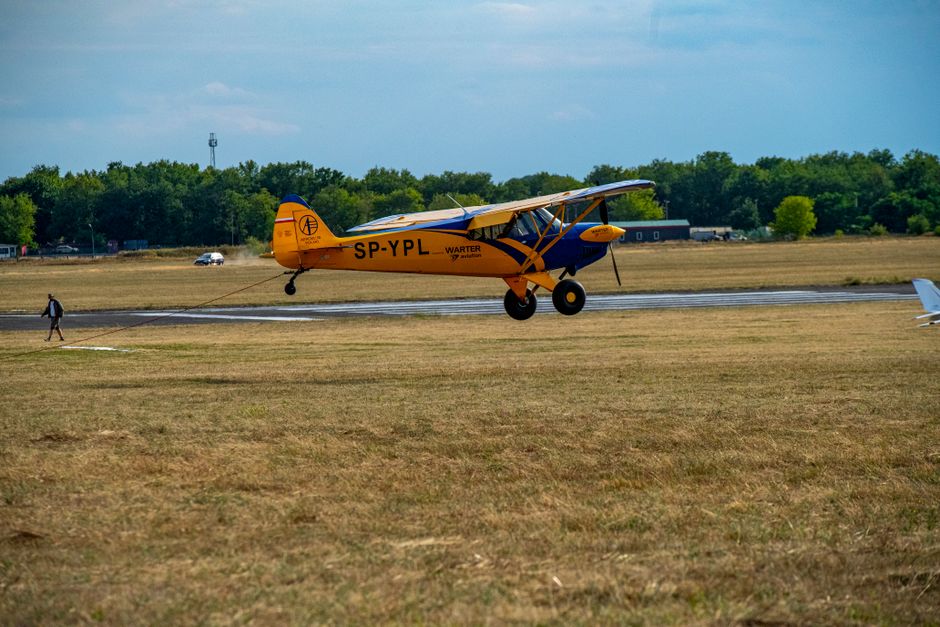
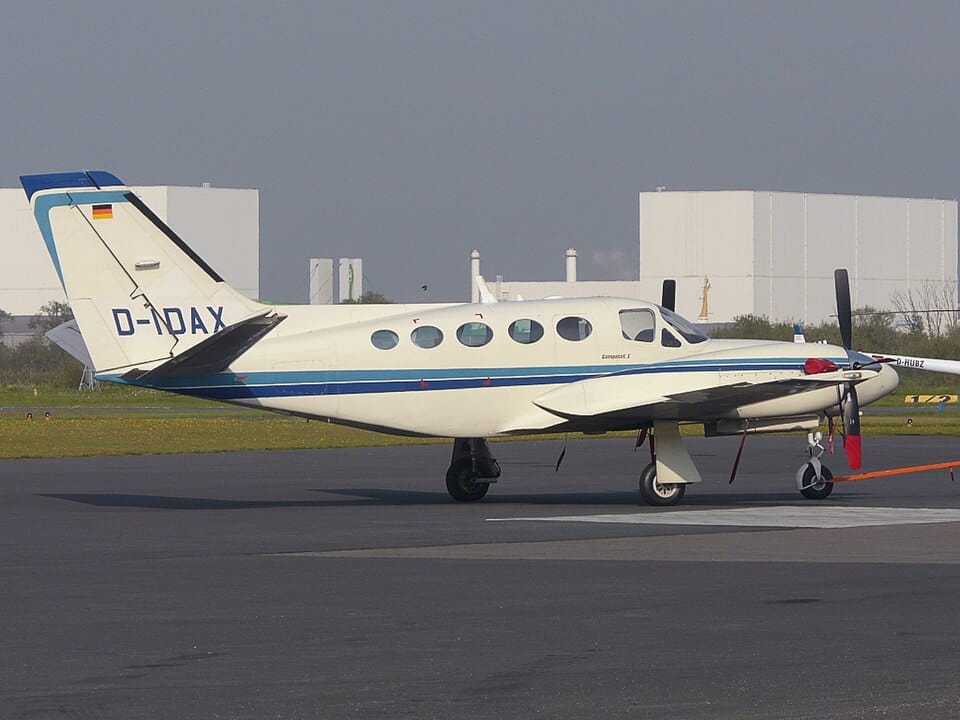
The Cessna 172 Skyhawk is one of the most popular light aircraft in general aviation history. It has been produced for decades, and there is a large used market for it. A used Cessna 172 in decent condition can be found for roughly $75,000 to $300,000 depending on age, avionics, and condition. A brand-new model can run from around $360,000 to $450,000 or more depending on configuration.
Other entry-level fixed-wing options like older Piper Cherokee or Cessna 150 models can be found for far less, sometimes under $40,000 for a well-maintained older aircraft.
Helicopters
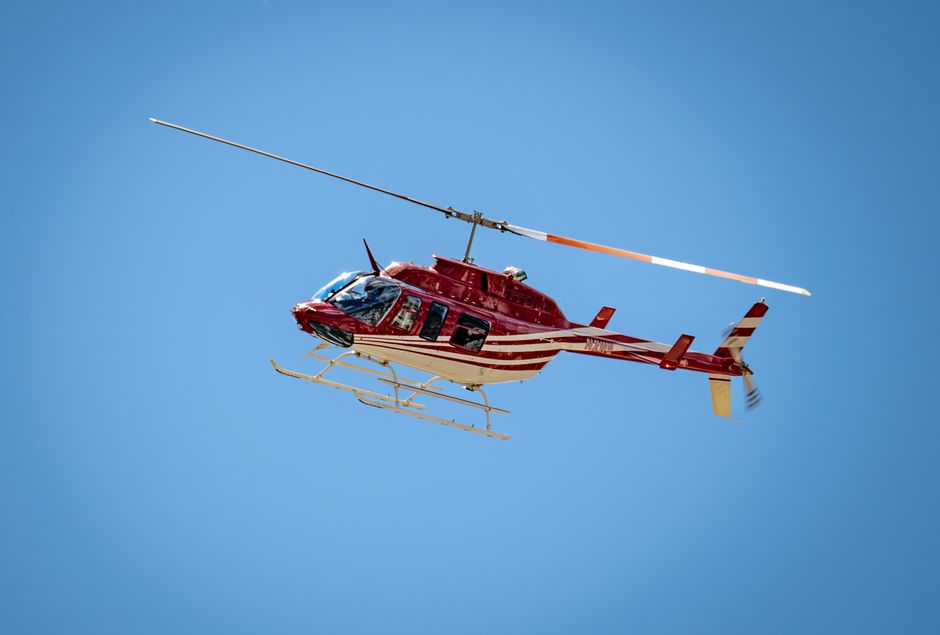
The Robinson R44 Raven II is one of the most popular and economical four-seat helicopters on the market. A used R44 typically runs between $180,000 and $450,000. Brand new, the price starts at around $500,000 or more. The smaller two-seat Robinson R22, often used for training, starts at around $320,000 new and can be found used for $50,000 to $300,000 depending on age and condition.
For more context on helicopter pricing across different models, the helicopter cost breakdown on Flying411 is a solid place to start your research.
Fun Fact: The Robinson R22, introduced in 1979, is said to have trained more helicopter pilots worldwide than any other rotorcraft. It was specifically designed to make helicopter ownership more affordable for private individuals.
Fuel Costs: A Wide Gap Per Hour
Fuel is one of the most consistent and visible ongoing costs of aircraft ownership. This is where the difference between planes and helicopters becomes very clear.
How Much Fuel Does Each Aircraft Burn?
A Cessna 172 burns roughly 7 to 9 gallons of Avgas per hour. At around $6 per gallon, that works out to approximately $42 to $54 per hour in fuel alone.
A Robinson R44 burns closer to 13 to 15 gallons per hour, putting hourly fuel costs at around $78 to $90 per hour. That is nearly double the fuel bill for a similar-sized four-seat aircraft.
Turbine-powered helicopters burn significantly more fuel — some large turbine models can consume 20 or more gallons per hour, with costs that rise accordingly.
Why Do Helicopters Burn More Fuel?
The physics of rotary-wing flight are inherently less efficient than fixed-wing flight. A helicopter generates all of its lift from spinning rotor blades rather than from wings and forward motion. That continuous effort requires more energy. Planes, by contrast, rely on aerodynamic lift once they are in the air, which is much more fuel-efficient at cruise speeds.
Why It Matters: If you fly 100 hours per year, the fuel cost difference alone between a Cessna 172 and a Robinson R44 could amount to roughly $3,600 to $4,800 annually. Over ten years of ownership, that gap becomes significant.
Maintenance and Overhaul Costs: The Hidden Expense
Maintenance is where helicopter ownership gets expensive in a hurry. This is also the category that surprises most new owners who focused mainly on the purchase price.
Airplane Maintenance
A Cessna 172 requires an annual inspection that typically runs $1,000 to $2,000 depending on the shop and the condition of the aircraft. Routine maintenance such as oil changes, brake checks, and minor repairs might add another $700 to $1,500 per year.
The big scheduled expense on a piston airplane is the engine overhaul. For a Cessna 172, an engine overhaul is recommended around every 2,000 flight hours and typically costs between $20,000 and $40,000. At 100 hours of flying per year, that works out to a reserve of roughly $100 to $200 per month.
Helicopter Maintenance
Helicopters are mechanically more complex. They have far more moving parts — rotor blades, pitch links, swashplates, tail rotors, drive shafts, and gearboxes — all of which require regular inspection and eventual replacement.
The Robinson R44 requires 100-hour and annual inspections, much like a fixed-wing aircraft. But many helicopter components have hard time limits called "time between overhaul" (TBO) requirements. These are not optional. Parts must be replaced or overhauled at prescribed intervals regardless of apparent condition.
Rotor blades, for example, are not cheap to replace. The overhaul of an R44 airframe is required around every 2,200 flight hours and covers not just the engine but many other major components as well. Annual maintenance costs for an R44 under typical use commonly range from $5,000 to $15,000 or more, depending on what is due.
For a deeper look at how helicopter engines work and why they require such intensive care, the Flying411 guide on helicopter engine mechanics explains it clearly.
Heads Up: Helicopter maintenance requires mechanics certified specifically for rotorcraft. In some parts of the country, finding a qualified helicopter mechanic can be challenging, and labor rates tend to be higher than for fixed-wing aircraft.
Insurance Costs: Rotorcraft Costs More to Cover
Insurance is a fixed annual cost that varies by aircraft type, pilot experience, coverage level, and geography.
Airplane Insurance
For a used Cessna 172, basic liability-only insurance can run as low as $150 to $250 per year. Full hull coverage on a used aircraft worth around $50,000 typically falls in the $550 to $1,200 range annually. Owners of a new Cessna 172 can expect to pay roughly $6,500 to $11,500 per year for comprehensive coverage.
Helicopter Insurance
Helicopter insurance is meaningfully more expensive. Liability-only coverage for a Robinson R44 commonly runs $2,100 to $3,100 per year for qualified pilots. Full hull coverage on an R44 valued at $200,000 can run from roughly $9,000 to $14,000 annually depending on the pilot's experience and the insurer.
Part of the reason for higher premiums is that helicopter accidents, while not extremely common, tend to result in more total losses than airplane accidents. The mechanical complexity of rotorcraft and the nature of low-altitude operations contribute to this higher risk profile in the eyes of insurers.
Pro Tip: Pilot experience directly affects insurance premiums for both aircraft types. Logging more flight hours, earning additional ratings like an instrument rating, and completing manufacturer-approved safety courses can meaningfully lower your annual premium.
Hangar and Storage Costs
Both planes and helicopters need to be stored properly when not flying. Hangars protect the aircraft from weather damage and can extend the life of components significantly.
Airplane Storage
Hangar fees for a Cessna 172 vary widely by location. Rural Midwest airports might offer hangar space for as little as $150 to $200 per month. Airports near major metropolitan areas can charge $500 to $1,000 per month or more. Outdoor tie-down spots are cheaper, often running $50 to $100 per month, but leave the aircraft exposed to the elements.
Annually, airplane owners typically budget anywhere from roughly $1,800 to $12,000 for storage depending on location and hangar type.
Helicopter Storage
Helicopter storage tends to cost more because helicopters require larger spaces and rotor blades need protection from weather. Annual hangar costs for an R44 are generally estimated in the $4,800 to $7,200 range, though this varies significantly by region.
One advantage helicopters have is flexibility. If you have sufficient space on your property, a helicopter can potentially be stored at home. Fixed-wing aircraft require a runway to operate from, which usually means keeping them at a public airport.
Keep in Mind: Before planning to store or land a helicopter at your property, check local zoning laws and FAA regulations. Some municipalities have restrictions on home-based helicopter operations.
Is It Cheaper to Own a Plane or Helicopter? A Head-to-Head Cost Breakdown
Now let's put it all together. Here is a realistic annual cost comparison for two comparable four-seat aircraft: a used Cessna 172 and a used Robinson R44, each flying approximately 100 hours per year.
| Annual Cost Item | Used Cessna 172 | Used Robinson R44 |
| Fuel (100 hrs) | ~$4,800 – $5,400 | ~$7,800 – $9,000 |
| Insurance (hull + liability) | ~$1,200 – $3,000 | ~$9,000 – $11,000 |
| Hangar Fees | ~$2,400 – $6,000 | ~$4,800 – $7,200 |
| Annual Inspection | ~$1,000 – $2,000 | ~$1,500 – $2,500 |
| Routine Maintenance | ~$1,000 – $2,000 | ~$3,000 – $8,000 |
| Engine/Airframe Reserve | ~$1,200 – $2,000 | ~$3,000 – $6,000 |
| Estimated Annual Total | ~$11,600 – $20,400 | ~$29,100 – $43,700 |
These figures are estimates and will vary based on location, aircraft age, pilot qualifications, and individual usage patterns. But the overall pattern is clear: for roughly comparable capabilities in terms of passenger count and mission type, a helicopter costs approximately two to three times more to operate annually than a fixed-wing airplane.
If you are exploring ownership options and want help understanding what aircraft fits your budget and lifestyle, Flying411 provides practical resources to guide buyers at every level of experience.
The Advantages Helicopters Bring to the Table
The numbers above might make helicopters sound like a bad deal. But that is only true if you are evaluating them strictly on cost.
Helicopters offer genuine practical advantages that no fixed-wing aircraft can match:
- No runway required. A helicopter can take off and land from almost any flat surface large enough to fit it — a field, a rooftop helipad, a remote mountainside, or your own property.
- Vertical flight. Helicopters can hover in place, fly sideways, and fly backward — capabilities fixed-wing aircraft simply do not have.
- Access to remote locations. Search and rescue operations, power line inspection, offshore platform access, and medical transport all rely on helicopters for this exact reason.
- Urban convenience. In cities with significant traffic congestion, a helicopter can cut point-to-point travel time dramatically. This is why helicopter commuting has become popular in some major metropolitan areas.
- Unique flying experience. Many pilots describe helicopter flying as a completely different sensation from fixed-wing flight — more intuitive in some ways, more demanding in others.
That said, helicopters do have real limitations too. They fly slower, have shorter range, and can be more sensitive to weather conditions than many fixed-wing aircraft. Learning more about those limits, such as why helicopters struggle to operate at extreme altitudes, helps explain why they are not universally superior despite their flexibility.
Fun Fact: Helicopters are said to be among the most weather-sensitive aircraft in general aviation. A single-engine piston helicopter flying in instrument meteorological conditions (IMC) faces severe limitations, as most single-engine helicopters are not certified for instrument flight rules (IFR) operations.
Pilot Training Costs: Another Expense to Factor In
Owning an aircraft is one thing. Being legally qualified to fly it is another. Training costs differ significantly between the two aircraft types.
Getting a Private Pilot Certificate for fixed-wing aircraft typically requires a minimum of 40 flight hours under FAA rules, though most students log 60 to 70 hours before passing their checkride. Flight school costs in the U.S. generally run from roughly $8,000 to $15,000 or more for the full private pilot certificate.
A Helicopter Private Pilot Certificate also requires a minimum of 40 flight hours, but helicopter training is widely regarded as more intensive and demanding. Flight schools tend to charge more per hour for helicopter instruction. Total costs for a helicopter private pilot certificate commonly run from $15,000 to $25,000 or more. The Flying411 breakdown of helicopter license costs walks through these figures in more detail.
In short, getting licensed to fly a helicopter costs roughly double what it costs to get licensed for a fixed-wing aircraft.
Quick Tip: Some pilots earn a fixed-wing private pilot certificate first and then add a helicopter add-on rating later. This approach can sometimes reduce total training time and cost compared to starting with helicopters from scratch.
Safety Considerations That Affect Your Decision
Safety is not just a practical concern. It directly affects insurance costs, training requirements, and the ongoing demands of ownership.
Both airplanes and helicopters have strong safety records when operated correctly. However, helicopter flying does carry different risk profiles in certain environments.
For example, there are well-documented risks when helicopters encounter lightning. The Flying411 article on helicopters and lightning strikes explains what happens and why weather awareness is so critical for rotorcraft pilots. Similarly, ground safety around helicopters is important — knowing how to approach a helicopter safely is something every owner and passenger should understand.
Good to Know: The FAA requires all pilots to complete a biennial flight review (BFR) every 24 months to maintain flight currency. This is required for both fixed-wing and helicopter pilots and typically involves a minimum of one hour of ground instruction and one hour of flight time with a certified flight instructor.
Special Category: Military Helicopters
If you have ever wondered what a military-grade helicopter actually costs, the numbers are in a completely different league. The Flying411 guide on Black Hawk helicopter costs covers this in detail. Military aircraft are not available for civilian purchase in standard form, but the pricing illustrates just how expensive advanced rotorcraft engineering gets.
Which One Should You Choose?
Here is a simple framework to help you decide:
Choose a fixed-wing airplane if:
- Lower overall cost is your top priority
- You plan to travel medium to long distances regularly
- You will mostly operate from airports with runways
- You want lower training costs and a wider pool of mechanics
- You want a larger selection of used aircraft at various price points
Choose a helicopter if:
- You need the ability to land without a runway
- Your primary use involves short local trips or property access
- You are willing to invest significantly more per year in operating costs
- The unique flying experience of rotary-wing flight appeals to you
- Your specific use case (aerial tours, inspection work, remote access) genuinely requires it
There is no universal right answer. Both types of aircraft are deeply rewarding to own and fly. The question is which one fits the way you actually plan to use it.
Ready to explore your options? Flying411 is here to help you compare aircraft, understand ownership costs, and find the right fit for your flying goals.
Conclusion
So, is it cheaper to own a plane or helicopter? The answer is clear: fixed-wing airplanes win on cost in almost every category. Lower purchase prices, better fuel efficiency, simpler maintenance requirements, and lower insurance premiums all add up to a significantly more affordable ownership experience. For most private pilots in the U.S., an airplane represents better value unless there is a compelling operational reason to own a helicopter.
That said, helicopters are genuinely remarkable machines. They do things no airplane can do, and for certain use cases they are irreplaceable. If your heart is set on rotary-wing flight, go in with clear eyes about what it will cost — and budget accordingly.
Whatever direction you choose, doing your homework upfront is the best investment you can make.
For guidance, practical aircraft comparisons, and resources to help you every step of the way, visit Flying411 and start your journey with confidence.
Frequently Asked Questions
What is the cheapest helicopter you can legally own and fly in the U.S.?
The Robinson R22 is widely considered one of the most affordable certified helicopters available, with used models sometimes found for under $100,000. However, ongoing operational costs still make it more expensive than most comparable fixed-wing aircraft on an annual basis.
Can a private pilot fly both planes and helicopters?
Not automatically. A fixed-wing private pilot certificate does not cover helicopters. You would need to complete helicopter-specific training and pass an additional checkride to add a helicopter rating to your pilot certificate.
Do helicopters hold their value better than airplanes?
Both aircraft types can hold value well when properly maintained, but the market for used airplanes tends to be larger and more liquid than the helicopter market. Some popular airplane models, like the Cessna 172, are known for strong resale values over time.
Is it possible to share ownership of an aircraft to reduce costs?
Yes. Co-ownership arrangements and flying clubs are popular ways to split fixed costs like hangar fees, insurance, and inspections between multiple owners. This can significantly reduce the per-person annual cost of both airplane and helicopter ownership.
Are there any hidden costs of aircraft ownership that first-time buyers overlook?
Several. Common surprises include avionics upgrades, unscheduled repairs between annual inspections, the cost of keeping a pilot current through required training and reviews, and the expense of flying to and from maintenance facilities. For helicopters specifically, hard-time component replacement costs are often underestimated by new owners.