Owning a helicopter sounds like the ultimate freedom. Skip the traffic. Land in your backyard. Fly on your schedule. But before you write that check, there's one big question you need to answer: how much does a helicopter cost — not just to buy, but to actually own and fly?
The answer is more layered than most people expect. The purchase price is really just the beginning. Between fuel, insurance, maintenance, hangar fees, and the occasional surprise repair, helicopter ownership adds up fast. The good news is that with the right information, you can plan smart and avoid some very expensive surprises.
This guide covers every major cost involved — from the sticker price of popular models to what you can expect to spend year after year.
Key Takeaways
How much does a helicopter cost? A new personal helicopter starts at roughly $300,000 on the low end, while large commercial models can run into the tens of millions. But the purchase price is only part of the story — annual operating costs can easily reach $40,000 to $100,000 or more depending on the aircraft, how often you fly, and where you are based. Smart buyers look at the total cost of ownership, not just the price tag.
| Cost Category | Estimated Range |
| New light helicopter (e.g., Robinson R44) | $400,000 – $500,000 |
| Used light helicopter | $100,000 – $350,000 |
| Mid-size turbine helicopter | $2 million – $5 million |
| Large/VIP helicopter | $10 million – $15 million+ |
| Annual insurance (liability + hull) | $10,000 – $25,000+ |
| Hangar fees (annual) | $10,000 – $30,000+ |
| Fuel cost per hour | $100 – $500+ |
| Routine maintenance (annual) | $15,000 – $50,000+ |
| Engine overhaul reserve (per hour) | $50 – $300+ |
Why Helicopter Costs Are So Different From Airplanes
Helicopters and airplanes might both fly, but they are built very differently — and that difference matters a lot when it comes to cost.
A helicopter has many more moving parts than a typical fixed-wing airplane. The rotor system alone involves blades, hubs, pitch links, swashplates, and bearings, each with its own inspection and replacement schedule. Add in the tail rotor, the transmission, and a complex engine system, and you have a machine that demands serious upkeep.
Why It Matters: Helicopters fly close to terrain, urban areas, and obstacles far more often than planes. That operational profile raises risk for insurers and raises the cost of coverage significantly compared to fixed-wing aircraft.
Because of their complexity, helicopters also tend to have shorter time-between-overhaul (TBO) intervals on many components. That means more scheduled maintenance stops, more parts replacements, and more opportunities for costs to climb.
All of that said, helicopters offer something most aircraft cannot: the ability to take off and land almost anywhere. For the right buyer, that capability is worth every dollar.
How Much Does a Helicopter Cost to Buy?
Purchase prices vary enormously depending on the size, age, and type of helicopter. Here is a general look at how prices break down across the market.
Light Piston Helicopters
These are the entry-level helicopters most commonly used for personal flying, training, and small commercial work. The Robinson line is the most recognized in this category.
- Robinson R22: A two-seat piston helicopter. New models have been priced around $300,000, with used examples sometimes available for under $100,000 depending on hours and condition.
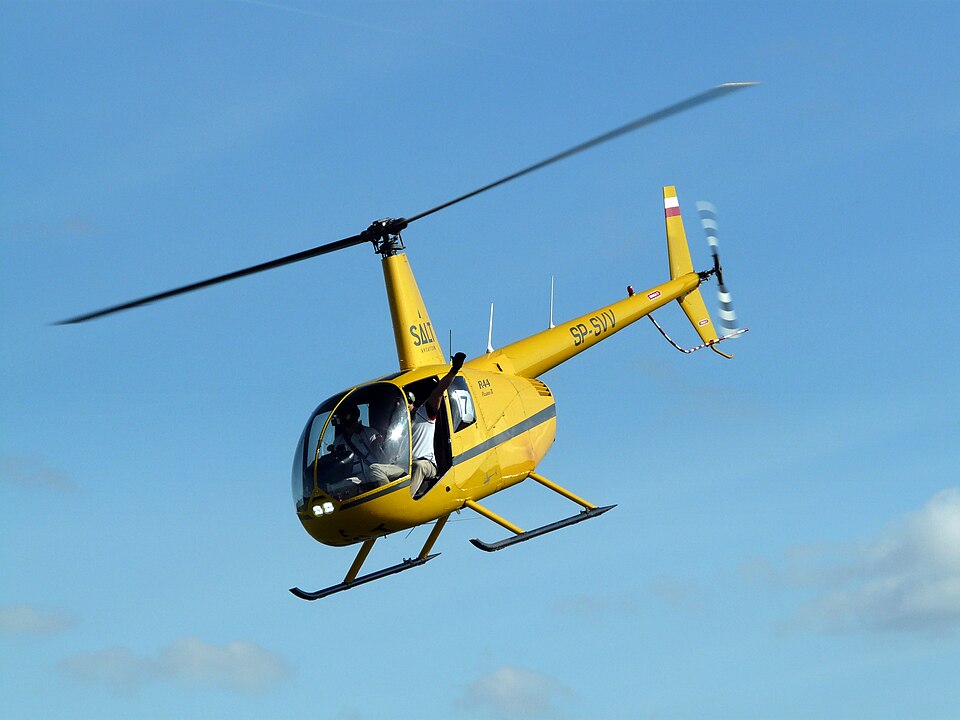
- Robinson R44 Raven II: One of the most popular personal helicopters in the world. New pricing sits in the $400,000 to $500,000 range. Well-maintained used R44s can be found for $150,000 to $350,000.
Fun Fact: The Robinson R44 is said to be one of the best-selling civilian helicopters ever produced, widely used by first-time owners and flight schools across the United States.
These are piston-powered aircraft, which generally cost less to fuel and maintain than turbine-powered alternatives. They are a solid starting point for someone new to helicopter ownership.
Light Turbine Helicopters
Step up to a turbine engine and the price jumps considerably — but so does the performance, reliability, and operational flexibility.
- Bell 206 JetRanger: A classic single-turbine helicopter used in everything from news gathering to offshore operations. Used examples can range from several hundred thousand dollars to over a million depending on configuration and condition.
- Airbus H125: Priced at roughly $3.3 million new, this machine is known for its high-altitude performance. If you have ever wondered how helicopters perform at extreme altitudes, the H125 is often cited as one of the best in the world for those missions.
- Bell 407GXi: A modern and capable four-to-six passenger turbine helicopter priced at approximately $3.3 to $3.5 million new.
Pro Tip: Turbine helicopters cost more to buy and operate than piston models, but they offer better performance, longer range, and often hold their value more reliably over time.
Mid-Size and Heavy Helicopters
Once you move into mid-size and heavy territory, prices escalate quickly. These aircraft are typically used by corporations, emergency services, offshore energy companies, or military operators.
- Airbus H175: A premium medium helicopter priced upward of $13 million. Frequently used for VIP transport and offshore operations.
- Sikorsky S-76: A well-known executive transport helicopter used by corporations and government operators. Used examples vary widely in price.
- Heavy-lift models: Specialty heavy helicopters such as the Columbia 234SP Chinook operate in an entirely different pricing tier, often used for industrial lifting operations.
For an interesting look at scale, the biggest helicopters in the world are engineering marvels that dwarf what most private owners would ever consider purchasing.
New vs. Used Helicopters
Buying used is the most common way private buyers enter the market. A used helicopter can save you significant money upfront, but comes with caveats.
| Factor | New Helicopter | Used Helicopter |
| Purchase price | Full MSRP | Varies by age and hours |
| Warranty | Factory warranty included | Limited or none |
| Maintenance history | Clean slate | Requires thorough review |
| Hidden risks | Low | Moderate — inspection critical |
| Financing | Standard aircraft loans | May vary by lender |
A pre-purchase inspection by a qualified mechanic is absolutely essential when buying used. This inspection can uncover maintenance gaps, airworthiness directive compliance issues, and component life remaining — all of which affect the true value and future cost of the aircraft.
The Real Costs of Helicopter Ownership Beyond the Price Tag
Once you own a helicopter, the recurring costs are where most buyers get surprised. Here is a clear breakdown of what to expect.
Fuel Costs
Helicopters burn a meaningful amount of fuel. Light piston models typically burn far less than turbine aircraft, but costs still add up with regular flying.
- Piston helicopters: Fuel burn and costs vary, but many owners report spending several hundred dollars per flight hour on fuel alone.
- Turbine helicopters: Jet-A fuel consumption is higher, with hourly fuel costs that can run several hundred dollars or more depending on the model and current prices.
Good to Know: Fuel prices vary by region and airport. Researching fuel costs at your most frequently used airports before purchasing can give you a much more accurate annual fuel budget.
Insurance
Helicopter insurance is not cheap. Compared to fixed-wing aircraft, helicopters carry a higher risk profile — they operate in more complex environments, fly lower, and have more mechanical complexity.
- Liability-only coverage with up to $1 million in coverage may run roughly $2,800 to $4,000 annually for a light helicopter.
- Adding hull coverage (which protects the value of the aircraft itself) can push annual premiums up by $15,000 to $20,000 or more.
- Total annual insurance for a light helicopter with full coverage can easily reach $20,000 or higher.
Factors that affect your premium include the helicopter's value, your pilot experience, the intended use of the aircraft, and your operating area.
Hangar and Storage Fees
Unless you plan to fly from your own property (with the proper permits), you will need a place to store your helicopter. Hangar fees vary considerably by airport and region.
- Monthly hangar fees can range from a few hundred dollars at smaller rural airports to several thousand dollars at busy metro airports.
- Annual hangar costs commonly run $10,000 to $30,000 or more depending on your location and hangar size.
Some owners use outdoor tie-down spots to save money, but a covered hangar is generally better for protecting the aircraft from weather and reducing maintenance issues.
If you are exploring whether helicopter ownership makes sense for your situation, Flying411 has a range of aviation articles that can help you understand the full picture before you commit.
Routine Maintenance and Inspections
Helicopters require frequent, detailed maintenance. Unlike cars, you cannot simply skip an inspection and keep flying. The FAA requires annual inspections for all private aircraft, and helicopters often have additional required checks at set hour intervals.
Common maintenance expenses include:
- Annual inspection: Typically runs several thousand dollars at minimum.
- 100-hour inspections (for commercial operations): Required every 100 flight hours.
- Component replacements: Rotor blades, bearings, and other wear items have defined service lives.
- Airworthiness Directives (ADs): FAA-mandated fixes that must be completed regardless of cost.
Understanding how a helicopter engine works gives helpful context for why so many components require regular inspection and eventual replacement.
Heads Up: Many new helicopter owners underestimate maintenance costs. Real-world owners frequently report that maintenance costs run higher than manufacturer estimates — sometimes significantly so. Always budget above the minimum.
Engine Overhaul Reserves
One of the most important — and most overlooked — costs of helicopter ownership is the engine overhaul reserve. Most helicopter engines have a TBO (time between overhaul) set by the manufacturer. When that interval is reached, the engine must be overhauled or replaced.
Engine overhauls are expensive. For popular turbine engines, an overhaul can cost anywhere from several hundred thousand dollars upward. For this reason, experienced owners set aside a reserve fund with every hour flown, building up the funds over time.
A reasonable reserve estimate for a turbine engine might range from $50 to $300 or more per flight hour, depending on the engine type. This reserve cost should always be factored into your hourly operating cost calculations.
Pilot Costs and Training
If you plan to fly the helicopter yourself, you will need a helicopter pilot certificate — and maintaining your currency requires ongoing training and recurrent checks.
Earning a helicopter private pilot certificate in the United States typically costs tens of thousands of dollars and requires a minimum number of logged flight hours. Adding an instrument rating, commercial certificate, or other qualifications raises those costs further.
Even after earning your license, recurrent training, flight reviews, and proficiency flying add to your annual budget. If you hire a professional pilot instead, factor in their salary or hourly rate as well.
Keep in Mind: Some helicopter owners offset operating costs by placing their aircraft on a charter program. Revenue from charter flights can help cover fixed costs, but doing so typically brings additional regulatory requirements under FAA Part 135 rules.
Popular Helicopter Models and Their Approximate Costs
To put all of this in context, here is a look at how several well-known models compare:
| Model | Type | Approx. New Price | Hourly Operating Cost (Est.) |
| Robinson R22 | Light piston, 2-seat | ~$300,000 | ~$150 – $200/hr |
| Robinson R44 Raven II | Light piston, 4-seat | ~$400,000 – $500,000 | ~$200 – $300/hr |
| Bell 206 JetRanger | Light turbine, 4-seat | $1M+ (used varies) | ~$400 – $600/hr |
| Airbus H125 | Light turbine, utility | ~$3.3 million | ~$500 – $700/hr |
| Bell 407GXi | Light turbine, 6-seat | ~$3.3 – $3.5 million | ~$700 – $900/hr |
| Airbus H175 | Medium/VIP | $13 million+ | $1,500+/hr |
Note: Hourly operating cost estimates are approximate and will vary based on fuel prices, maintenance history, flight conditions, and other factors specific to each operator.
What to Budget for: A Full Year of Helicopter Ownership
So what does a realistic annual budget look like? Here is a rough estimate for a private owner flying a used Robinson R44 approximately 100 hours per year:
- Hangar fees: $12,000 – $15,000
- Insurance (liability + hull): $15,000 – $20,000
- Fuel (100 hours): $10,000 – $20,000
- Routine maintenance and inspections: $10,000 – $20,000
- Engine reserve (set aside per hour): $5,000 – $10,000
- Miscellaneous (ADs, repairs, avionics updates): $3,000 – $10,000
Estimated annual total: $55,000 – $95,000 or more
And that is for one of the more affordable options on the market. For turbine models, annual costs can run substantially higher.
Quick Tip: The smartest way to estimate your true annual cost is to take every fixed cost (insurance, hangar, loan payments) and add them up, then calculate variable costs (fuel, maintenance) per hour and multiply by your planned annual flight hours. Add a buffer for unexpected repairs.
Is Helicopter Ownership Worth It?
This question does not have one right answer — it depends entirely on your situation, your goals, and your budget.
For some buyers, the practical value is real. A helicopter can save hours of ground travel, allow access to remote locations, and support businesses in industries like construction, agriculture, emergency services, and energy. In those cases, the math often works.
For private owners driven by passion, the calculation is more personal. Many helicopter owners will freely admit that the cost per hour does not "make sense" in any strict financial sense — but the experience of flying is worth it to them.
A few questions worth asking before you commit:
- How many hours per year do you realistically expect to fly?
- Do you have access to a suitable hangar near your home or workplace?
- Are you willing to get your pilot's license, or will you hire pilots?
- Is there a charter or lease-back program that could offset some costs?
- Have you considered fractional ownership as a lower-cost alternative?
For those who want the helicopter experience without full ownership costs, fractional programs and charter memberships are worth exploring.
Knowing how to approach a helicopter safely and how it behaves in different environments — including unusual situations like what happens if a helicopter is struck by lightning — is the kind of knowledge that comes with time in the aviation world.
Ready to dig deeper into helicopter ownership? Flying411 covers the topics that matter most to aviation enthusiasts and prospective owners, from aircraft mechanics to real-world flying questions.
Conclusion
Answering how much does a helicopter cost is not a simple number — it is a full financial picture. Purchase prices range from a few hundred thousand dollars for a used light helicopter to many millions for a new turbine aircraft. Then comes the ongoing reality: fuel, insurance, maintenance, hangar fees, and engine reserves that can add tens of thousands of dollars to your annual budget.
None of that means helicopter ownership is out of reach. It means it requires honest planning, realistic budgeting, and a clear understanding of how you intend to use the aircraft. The people who enjoy helicopter ownership most are those who went in with their eyes open.
For more aviation content that helps you understand the world of flight, visit Flying411 — your friendly guide to everything aviation.
FAQs
How much does a helicopter pilot license cost in the US?
Earning a private helicopter pilot certificate in the United States typically costs somewhere in the range of $15,000 to $30,000 or more, depending on the flight school, the aircraft used for training, and how quickly the student progresses. Adding ratings and endorsements increases that investment further.
Can you land a helicopter anywhere legally?
In most cases, you can land a helicopter on private property with the landowner's permission, as long as the landing does not violate local ordinances or FAA regulations. Public land, urban areas, and areas near airports typically have additional restrictions that must be followed.
What is the cheapest helicopter you can buy?
The least expensive certified helicopters on the market tend to be older used light piston models. A used Robinson R22 in flyable condition can sometimes be found for under $100,000, though buyers should budget carefully for inspection and potential maintenance costs on any older aircraft.
How long do helicopters last?
With proper maintenance, many helicopters remain airworthy for decades. However, major components like engines and rotor systems have defined service lives that require overhaul or replacement at set intervals, regardless of calendar age.
Do helicopters hold their value well?
Helicopter values depend heavily on the make, model, total flight hours, and maintenance history. Popular models with strong service networks, like the Robinson R44 or Bell 206, tend to hold their value reasonably well compared to less common aircraft. Well-maintained turbine helicopters from reputable manufacturers also tend to retain value in a strong market.
What is the difference between a piston and turbine helicopter for ownership costs?
Piston helicopters are generally cheaper to buy and less expensive to fuel than turbine models, but they offer less performance. Turbine helicopters cost more across the board — purchase price, fuel, and maintenance — but deliver greater power, range, and reliability, which is why most commercial operators choose them.
Are there alternatives to buying a helicopter outright?
Yes. Fractional ownership programs allow multiple owners to share the cost of a helicopter while still having scheduled access to it. Helicopter charter memberships and dry lease arrangements are other options that provide access to aircraft without the full burden of sole ownership.