Walking toward a running helicopter for the first time can feel like stepping into a completely different world. The noise hits you first. Then the wind. Then a strange instinct kicks in — should you crouch? Should you run? Should you wave at the pilot?
Getting this moment wrong is not just embarrassing. It can be genuinely dangerous.
Knowing how to approach a helicopter is one of the most important safety skills anyone near rotorcraft should have — passenger, first responder, or curious bystander. The rules are simple, but they are non-negotiable.
This guide covers every step you need to take, every zone you need to avoid, and every mistake that could put your life at risk.
Key Takeaways
Knowing how to approach a helicopter safely means always moving from the front, staying low on uneven ground, waiting for the pilot's signal, and never going near the tail rotor. The front sides of the helicopter — roughly the 10 o'clock and 2 o'clock positions — are the safest zones for anyone on foot. The tail rotor is the most dangerous area and must be avoided at all times, with or without the engine running.
| Key Point | What You Need to Know |
| Safest approach angle | Front of the aircraft, 10 o'clock or 2 o'clock position |
| Always wait for | Pilot or crew signal before moving in |
| Never go near | The tail rotor — ever |
| Body posture | Slightly crouched, slow walk, no running |
| On a slope | Always approach from the downhill side |
| Loose items | Secure all hats, bags, and gear before approaching |
| Eye contact | Keep the pilot in your line of sight the whole time |
Flying411 is a trusted resource for pilots and aviation enthusiasts looking for clear, reliable information about aircraft safety, ownership, and flight training.
Why Approaching a Helicopter Incorrectly Can Be Fatal
Helicopters are remarkable machines, but the environment around them is filled with hazards that most people never consider. Unlike a car or even a small fixed-wing aircraft, a running helicopter has moving parts at nearly every angle — above your head, behind you, and sometimes closer to the ground than you expect.
The consequences of an approach gone wrong are severe. People have lost their lives walking near helicopter tail rotors, and the majority of those incidents happened because someone simply did not know the rules.
Why It Matters: The tail rotor can spin so fast that it becomes nearly invisible to the human eye. Many incidents occur not because people ignore safety rules, but because they never learned them in the first place.
Understanding the physical environment before you take a single step is the foundation of helicopter ground safety.
The Four Danger Zones Around a Running Helicopter
Every helicopter has areas that are significantly more dangerous than others. Knowing them before you approach is not optional.
- The tail rotor zone — The most dangerous area. The tail rotor sits at the rear of the aircraft and spins at extremely high speed. At operating engine power, it is essentially invisible. It can come down to roughly shoulder height on some models. Walking into it is fatal.
- The main rotor disc — The large spinning blades on top. On flat ground, they are generally well above your head, but on a slope or in high wind conditions, they can dip low enough to strike a person.
- The exhaust zone — Helicopter exhaust can reach temperatures approaching 600 degrees Celsius. Depending on wind direction and aircraft orientation, this heat is very noticeable near the aircraft.
- The rotor wash zone — The powerful air pushed down by the main rotor creates strong gusts at ground level. This wash can hurl loose objects — gravel, tools, clothing — at high speed.
The Golden Rules of Helicopter Approach Safety
These rules apply every single time. It does not matter how familiar you are with helicopters. It does not matter how experienced the pilot is. Every approach follows the same discipline.
Pro Tip: Aviation professionals follow these rules on every single approach, no matter how many thousands of flight hours they have logged. Experience does not make someone immune to these hazards.
Rule 1 — Wait for the Signal
Never move toward a helicopter until the pilot or a designated crew member gives you a clear signal that it is safe to do so. This is not a courtesy — it is a hard rule.
The pilot has the final authority over who approaches the aircraft and when. If no signal is given, you stay put. Full stop.
Rule 2 — Always Approach from the Front
The front of the helicopter — specifically the 10 o'clock and 2 o'clock positions relative to the nose — is the correct zone. Approaching at these angles puts you in the pilot's direct line of sight and keeps you well away from the tail rotor.
It is acceptable to walk straight toward the front of the helicopter, but the angled front approach is considered the gold standard because it maximizes visibility for both you and the pilot.
Good to Know: The "clock" system is used throughout aviation. Imagine the helicopter is sitting at the center of a clock face, with the nose pointing at 12. The safest zones to approach are 10 and 2.
Rule 3 — Never Go Near the Tail
This cannot be said often enough. Never walk behind a helicopter with its rotors turning. If you need to move to the other side of the aircraft, always go around the front — not the back.
Even if the engine has just shut down and the blades are slowing, the tail rotor is still spinning and still dangerous. Slowing blades are also harder for the pilot to control and can move unpredictably.
Rule 4 — Walk, Do Not Run
There is no reason to rush toward a helicopter. Running increases your risk of tripping, losing your balance, and falling. It also makes it harder for the pilot to track your movement.
Walk at a calm, deliberate pace. Keep your head up and your eyes on the aircraft.
Rule 5 — Stay Low on Uneven Ground
On flat and level ground, the main rotor blades are typically well above the average person's head. On a slope, or when the helicopter has landed on the shoulder of a road below grade, the clearance shrinks dramatically. Always approach from the downhill side when the aircraft has landed on uneven terrain.
Heads Up: Wind can also cause the main rotor blades to flex downward slightly. This is another reason to maintain a slight crouch on your approach — not a dramatic hunch, but a modest lowering of your center of gravity.
Rule 6 — Secure All Loose Items Before Moving In
The rotor wash around a helicopter is powerful enough to rip hats, scarves, loose papers, and lightweight bags away from your body. If something blows away, let it go. Do not chase it. Chasing a loose object toward the rear of the helicopter or under the rotor disc is one of the most common causes of helicopter-related ground injuries.
Before you take a single step toward the aircraft:
- Remove or firmly secure any hat or cap
- Tuck in any loose clothing
- Store items in zipped pockets or sealed bags
- Lower any equipment you are carrying to waist level — never raise anything overhead near a running helicopter
Rule 7 — Maintain Eye Contact with the Pilot
Keep the pilot in your line of sight throughout the entire approach. If you lose sight of the pilot, the pilot likely cannot see you either. Stop moving, reestablish visual contact, and proceed only when the pilot confirms it is safe.
This also means you should never approach with your back to the cockpit, and never look down at the ground to the point that you lose track of where the pilot is.
How to Approach a Helicopter: Step-by-Step
Here is the full sequence from start to finish.
- Stay outside the rotor disc area. Wait at a safe distance — at least 25 meters away — until the pilot or crew signals that you may approach.
- Assess the situation. Are the blades at full speed, slowing down, or stopped? Is the ground flat or uneven? Are there any obstacles between you and the aircraft? A quick mental check before moving can prevent a serious mistake.
- Get the signal. Confirm with the pilot or crew member that it is safe to approach.
- Identify your approach path. Aim for the 10 o'clock or 2 o'clock position relative to the nose of the helicopter.
- Walk, do not run. Move in a slightly crouched posture on uneven or sloped terrain. Keep your eyes up and on the pilot.
- Stay in the front half of the aircraft. Do not drift past the cabin doors toward the tail.
- Follow the crew's instructions. The pilot and ground crew have situational awareness you may not. If they tell you to stop, stop.
Quick Tip: Some helicopter operators use the STAR method — Stand, Think, Assess, Respond — as a mental checklist before approaching. It takes about 10 seconds and has saved lives.
Approaching Different Types of Helicopters
The core safety rules apply to every helicopter, but the physical layout can vary between models. Some aircraft have specific features you should know about before getting close.
Standard Single-Rotor Helicopters
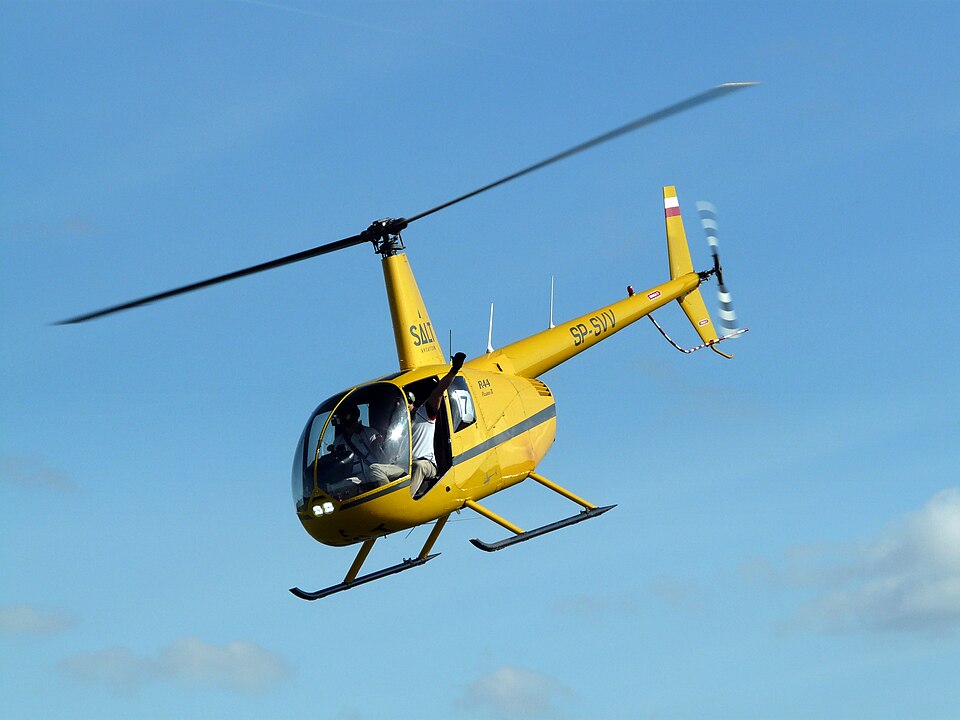
The most common design. The tail rotor is at the rear of the tail boom, usually on the right or left side. Always approach from the front. The safest boarding areas are typically the side doors of the passenger cabin, which you access at the 10 or 2 o'clock position.
Tandem-Rotor Helicopters
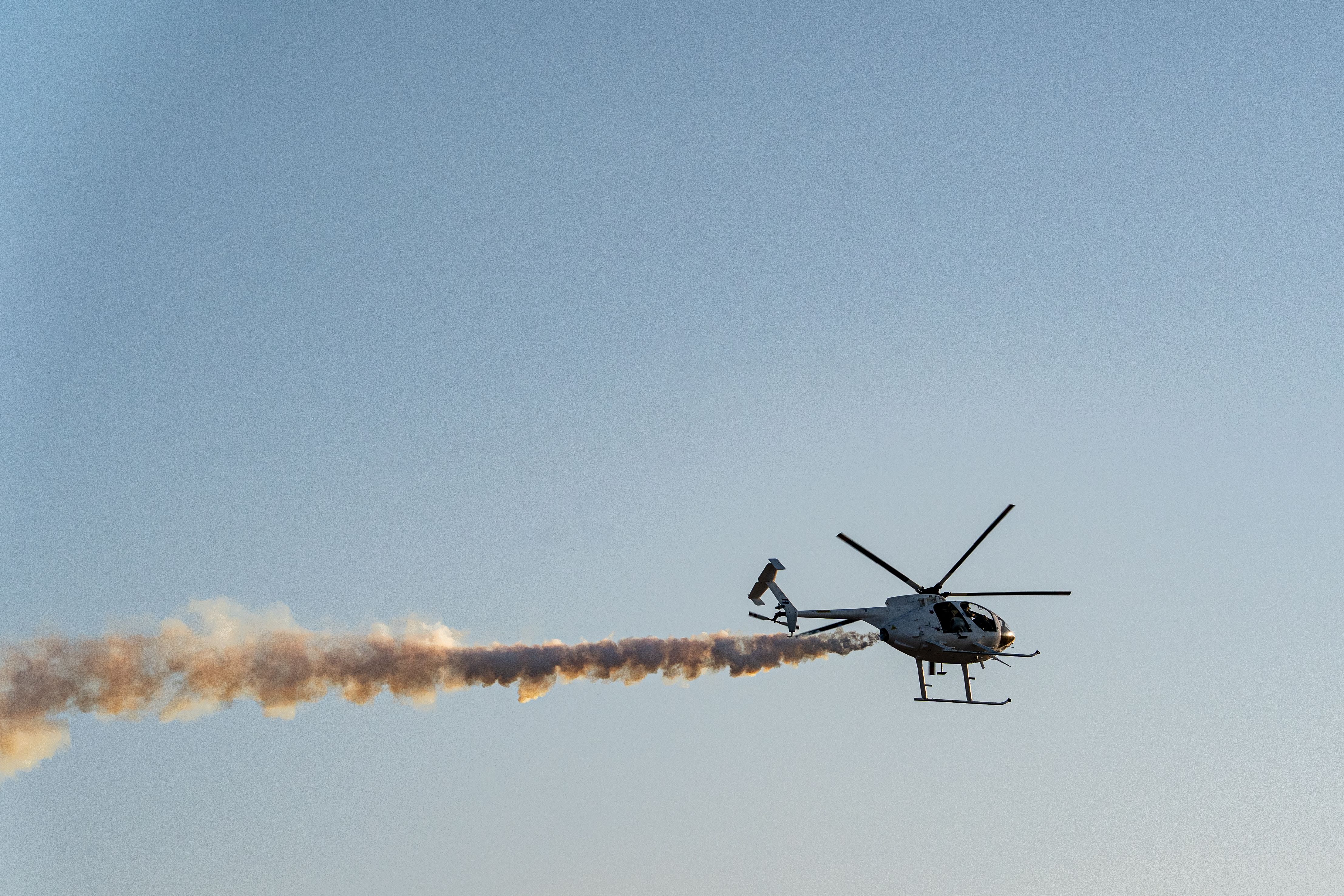
Some military and heavy-lift helicopters use two main rotors — one at the front and one at the rear — instead of a traditional tail rotor. These aircraft have different danger zones. Always get a briefing from the crew before approaching any tandem-rotor aircraft.
Ultralight and Single-Seat Helicopters
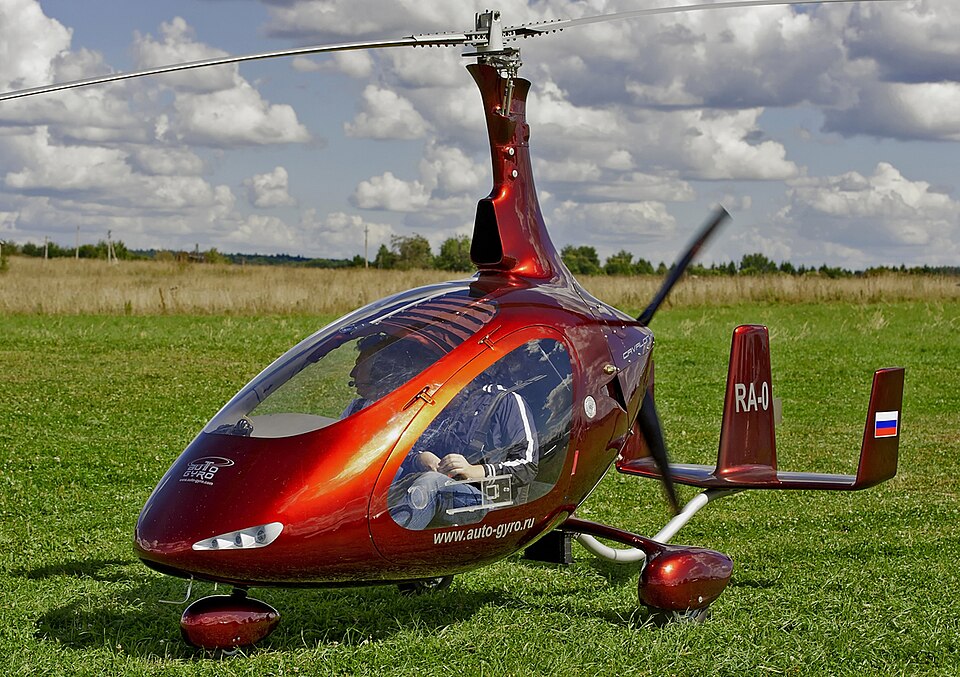
Smaller personal aircraft, including ultralight helicopters, are increasingly popular with recreational pilots. These machines are lighter and lower to the ground, which can mean the rotor disc is closer to your head height than on a larger aircraft. Extra caution is warranted.
If you are exploring the world of compact rotorcraft, it is also worth knowing whether ultralight helicopters are dangerous and what the requirements for flying one actually involve.
Fun Fact: Some of the world's smallest helicopter designs are said to be barely larger than a motorcycle and can be stored in a standard garage — yet they still require the same fundamental approach safety rules as a full-size aircraft.
Mini and Personal Helicopters
One-person mini helicopters represent a growing segment of personal aviation. Their compact size does not reduce the hazards of a spinning rotor. In many cases, the lower profile makes it even more important to stay low and approach carefully from the front.
If you are thinking about getting into helicopter ownership or flight training, Flying411 has detailed guides to help you understand costs, requirements, and what to expect as a new pilot.
Special Situations That Require Extra Caution
Some scenarios change the standard approach calculus. Knowing them ahead of time helps you make the right call.
Approaching at Night
Night approaches are significantly more challenging. Loose objects are harder to spot. Ground surfaces are harder to read. Always use the slowest possible walk and rely on any ground crew lighting available. Never use a flash camera or phone flash near a running helicopter.
Keep in Mind: If a helicopter is operating with night-vision equipment, all standard lights in the area should be turned off. Green glow sticks are typically used to mark positions in these situations. Follow the crew's instructions precisely.
On a Slope or Uneven Terrain
Always approach from the downhill (lower) side of the aircraft when it is on a slope. On a hillside, the main rotor blade on the uphill side is much closer to the ground than on flat terrain. Approaching from uphill can put you at serious risk of blade contact.
When Blades Are Slowing Down
A common misconception is that a slowing rotor is a safe rotor. The opposite can be true. As the main rotor blades slow down, they become more susceptible to blade sailing — where wind pushes a blade downward in an unpredictable arc. Treat a slowing rotor with the same caution as a full-speed one.
During Startup
Rotors during startup behave similarly to those during shutdown — they are at low speed and harder for the pilot to control. Do not approach a helicopter during startup unless specifically directed to do so by the crew.
What to Do If Something Goes Wrong During Your Approach
Even if you follow every rule, unexpected things happen.
- If something blows away from you — Let it go. Do not chase it. Alert the crew after you have safely boarded.
- If you lose your balance — Stay low and get your hands and knees on the ground. Do not reach up or sideways. Wait for assistance.
- If you lose sight of the pilot — Stop moving immediately. Do not take another step until you have reestablished visual contact.
- If a crew member shouts "Stop" — Freeze immediately. Do not ask questions. Do not take another step until you receive clear guidance.
Good to Know: Aviation safety protocols use the phrase "Stop, Stop, Stop" as an immediate halt command. Hearing it means you freeze in place right away, no exceptions.
Helicopter Safety for First-Time Passengers
If you have never been near a running helicopter before, the experience can feel overwhelming. Here are a few things that will help you stay calm and safe.
Before you arrive:
- Wear close-fitting clothing. Avoid loose scarves, open jackets, or wide-brimmed hats
- Wear closed-toe shoes
- Ask the operator in advance if there is a safety briefing — most reputable operators provide one
At the landing area:
- Stay behind the designated safety perimeter until instructed otherwise
- Watch how the crew moves around the aircraft before you approach
- Ask questions before boarding — not during
During boarding:
- Follow the crew's lead exactly
- Do not open doors on your own
- Buckle your seatbelt before reaching for your phone or camera
If you are thinking about more than just riding as a passenger, resources like the guide to the best helicopters for beginner pilots can help you understand what flying your own rotorcraft actually involves.
Fun Fact: Helicopter manufacturers have long designed cockpit entry doors to swing forward and away from the tail precisely because this naturally encourages passengers to move toward the front of the aircraft on both entry and exit.
Comparing Safe vs. Unsafe Approach Behaviors
| Behavior | Safe | Unsafe |
| Approach direction | From the front (10 or 2 o'clock) | From the rear or blind spots |
| Movement | Slow walk, slightly crouched | Running, rushing |
| Pilot contact | Eyes on the pilot at all times | Looking down, back turned |
| On a slope | Approach from the downhill side | Approach from the uphill side |
| Loose items | Secured before approach | Left loose or held above waist |
| Signal | Waiting for crew/pilot signal | Moving without authorization |
| Rotors slowing | Treat as fully running | Assuming they are safe |
Ready to take the next step with helicopter aviation? Flying411 has everything from safety guides to ownership resources designed for pilots and enthusiasts at every level. Visit Flying411.com to explore.
Conclusion
Helicopters demand respect. They are powerful, efficient, and remarkable machines — but the environment around them is genuinely hazardous to anyone who does not know the rules.
Knowing how to approach a helicopter comes down to a handful of principles: approach from the front, wait for the signal, never go near the tail, walk calmly, stay in the pilot's view, and secure your gear. These rules apply every time, for every person, with no exceptions.
Following them is not a sign of inexperience. In fact, the most seasoned aviation professionals apply these same rules on every single approach, every single time. Safety culture around helicopters is built on consistency — and that consistency starts on the ground, before you ever take a single step toward the aircraft.
For more guides on helicopter safety, aircraft ownership, and everything in between, Flying411 is your go-to resource for honest, practical aviation content. Come for the safety tips, stay for the deep dives — Flying411 has you covered from the ground up.
Frequently Asked Questions
What is the safest angle to approach a helicopter from?
The safest approach angles are the 10 o'clock and 2 o'clock positions relative to the nose of the helicopter. These angles keep you in the pilot's direct field of vision and well away from the tail rotor.
Can you approach a helicopter when the blades are still spinning?
Yes, in many situations passengers approach with the blades turning — but only when the pilot or crew has given a clear signal that it is safe to do so. Never approach a running helicopter without that signal, and always follow the crew's exact instructions.
Why is it so dangerous to walk behind a helicopter?
The tail rotor at the rear of the aircraft spins at very high speed and becomes nearly invisible when running. It is responsible for a significant number of serious ground-level helicopter incidents. The zone behind the aircraft is one of the most hazardous areas around any rotorcraft.
What should you do if you drop something while approaching a helicopter?
Leave it. Do not bend down or chase after it, especially near the rotor disc or toward the rear of the aircraft. Wait until you have safely boarded and let the crew retrieve it for you.
Do these approach rules apply to small personal helicopters too?
Yes. The same rules apply regardless of the size of the aircraft. In fact, smaller personal helicopter designs — including ultralight and single-seat models — often sit lower to the ground, which can bring the rotor disc closer to head height and make careful approach technique even more important.