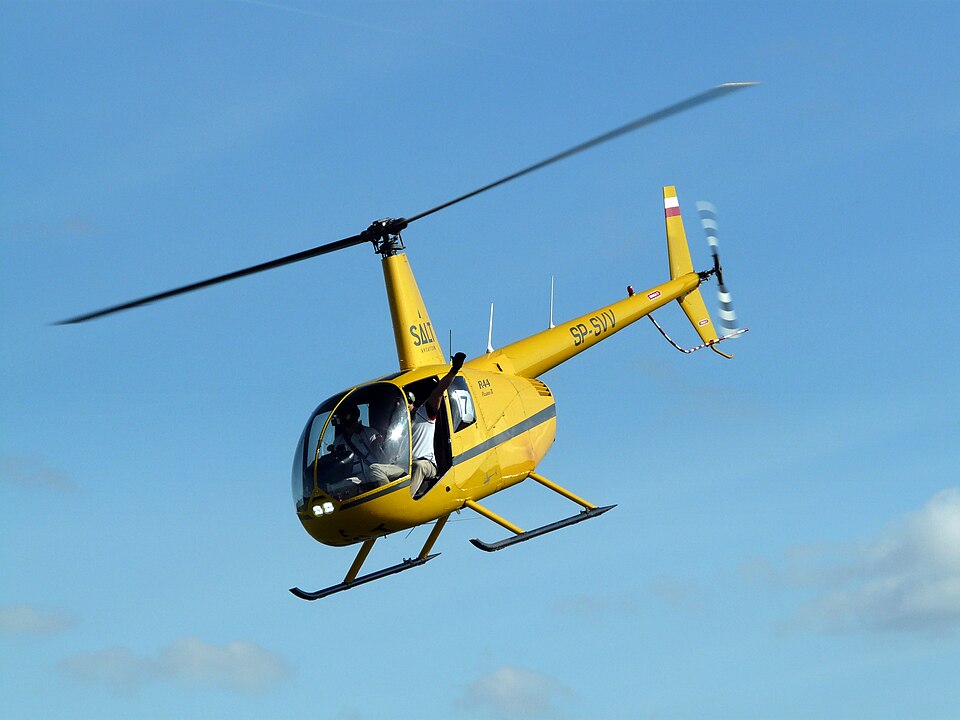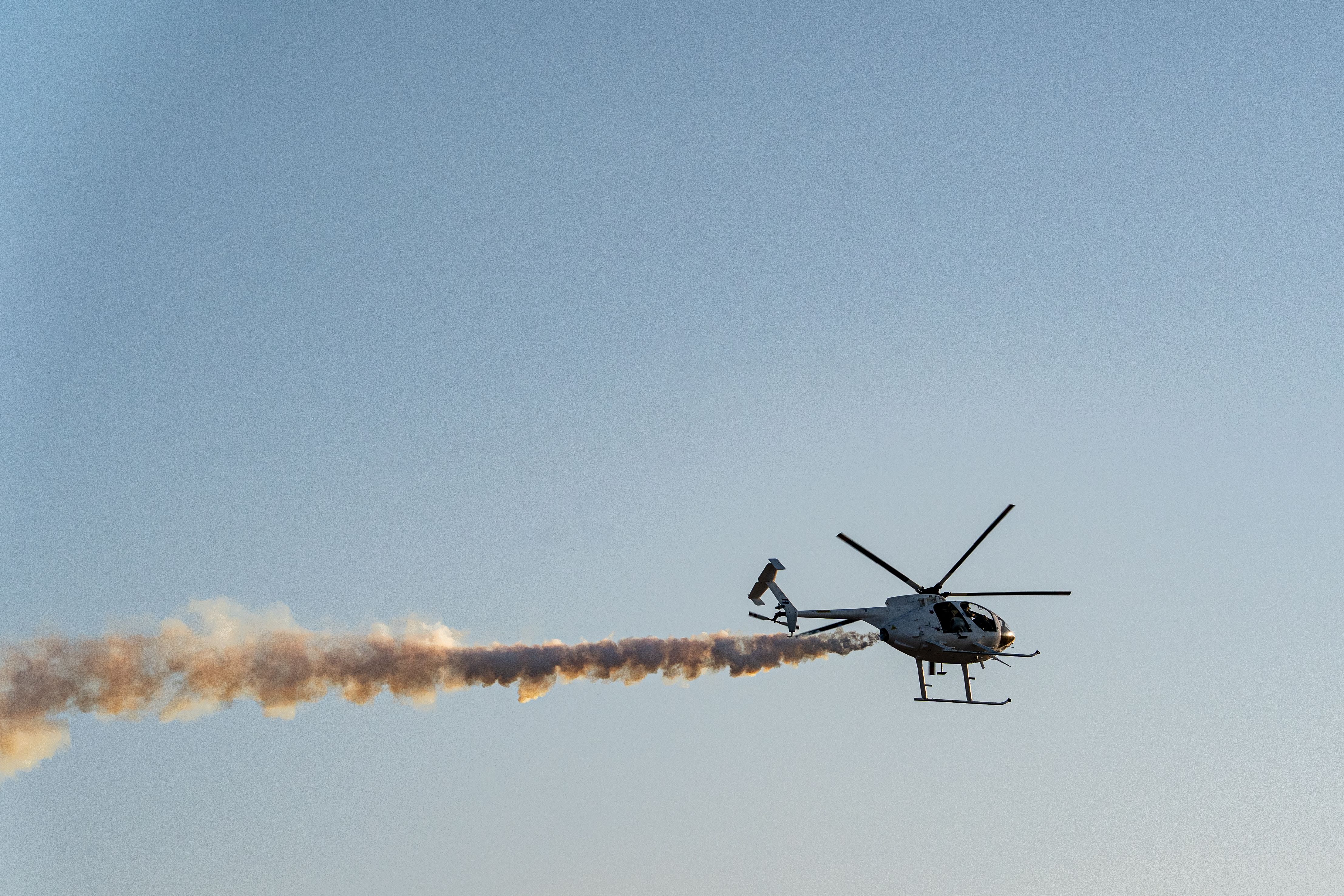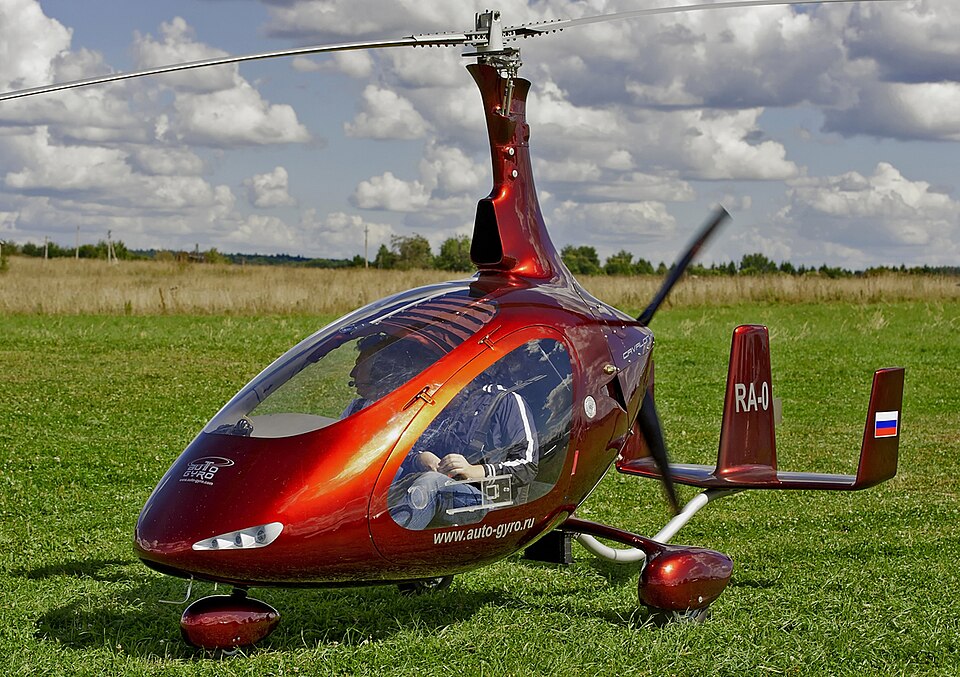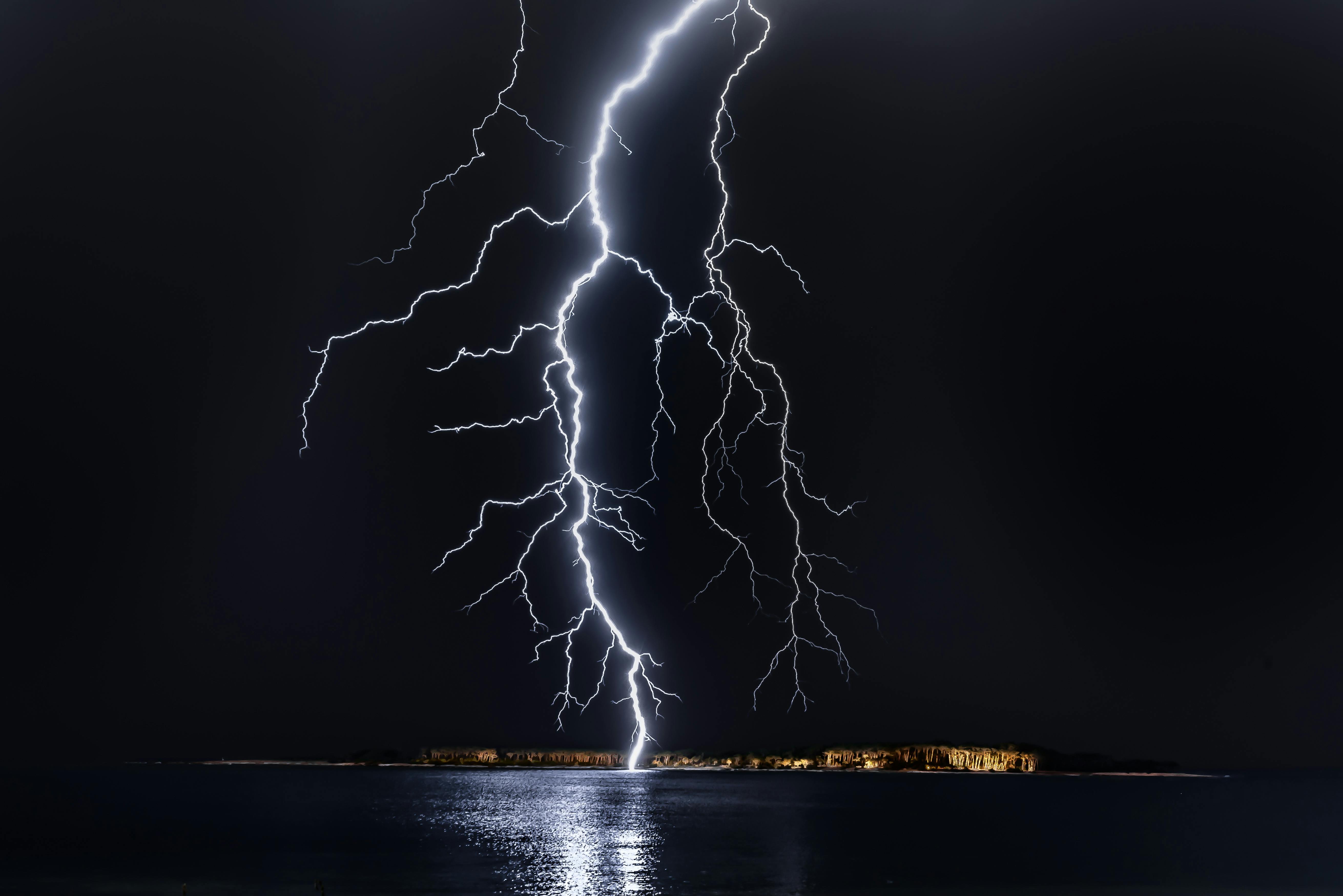
Visualize this: you are cruising in a helicopter, clouds building up around you, when suddenly a blinding white flash and a deafening crack fill the cabin. A bolt of lightning just hit your aircraft. Your heart jumps. The instruments flicker. But what actually happens next?
Most people assume a lightning strike means instant disaster. The truth is far more nuanced. What happens if a helicopter gets struck by lightning depends on many factors, including the helicopter's design, where the bolt strikes, and how the pilot responds. Modern helicopters are built with lightning in mind, and most strikes do not end in tragedy. But that does not mean they are harmless.
This article breaks down the full picture, from the science of how lightning finds its way to a helicopter, to the real damage it can cause, to the systems engineers have put in place to keep people alive. By the end, you will understand exactly what you should expect, what pilots are trained to do, and why some helicopters handle lightning better than others.
Key Takeaways
When a helicopter gets struck by lightning, the aircraft typically channels the electrical current along its outer surface and out through the airframe, thanks to built-in lightning protection systems. Most strikes do not cause a crash, but they almost always cause some level of damage, most often to the rotor blades, avionics, or electrical systems, and they almost always require an emergency landing as soon as possible. The rotor blades are the most vulnerable part, especially on helicopters made with composite materials. Pilots are trained to respond quickly, and investigators always inspect the aircraft after any confirmed strike.
| Takeaway | Key Detail |
| Most strikes are survivable | Modern helicopters are built to handle lightning |
| Rotor blades take the most damage | Composite blades are especially vulnerable |
| Avionics can fail or glitch | Navigation and electrical systems may be disrupted |
| Engine flame-out is possible | FADEC-equipped engines can be especially at risk |
| A landing is almost always required | Even if the helicopter flies fine, damage may be hidden |
| Pilots can trigger lightning | Static buildup can cause "triggered lightning" near storm cells |
| Ultralight helicopters are more at risk | They lack the heavy-duty protection of certified aircraft |
If you are curious about helicopter safety, regulations, or how different aircraft are designed and used, Flying411 is a great resource packed with clear, practical aviation information for pilots and enthusiasts at every level.
How Lightning Actually Strikes a Helicopter
To understand the danger, you first need to understand what lightning is and why helicopters are not exactly immune to it.
Lightning forms inside cumulonimbus clouds when tiny water droplets and ice particles collide, building up opposite electrical charges. The bottom of a storm cloud typically holds a negative charge, while the top holds a positive one. When that charge builds up enough, it discharges in a flash, either cloud to cloud or cloud to ground.
Why Helicopters Are Natural Targets
Here is something many people do not know: helicopters do not always just get hit by lightning passively. They can actually trigger it.
As a helicopter flies through the air, friction with air particles causes the aircraft to build up a strong negative electrical charge on its exterior. Normally, that charge dissipates safely when the helicopter lands and reconnects with the earth. But if the aircraft flies close to a positively charged region near a storm cell, the opposite charges attract each other, and the helicopter can literally become the spark that sets off a lightning discharge.
Fun Fact: This phenomenon, called "triggered lightning," is especially common over the North Sea in winter months. It has been found that one to two triggered lightning strikes happen to North Sea helicopters each winter, often with no natural lightning activity present at the time.
This is different from regular lightning. Triggered lightning happens because the helicopter itself is a charged object flying into the wrong part of the atmosphere. It does not require a full-blown thunderstorm to occur, which makes it harder to predict and avoid.
Where Lightning Enters and Exits
When lightning does strike a helicopter, it follows a path. The bolt attaches to a point on the aircraft, travels through the airframe, and exits at another point. On fixed-wing aircraft, this path typically runs from nose to tail. On helicopters, the spinning rotor blades are often the first attachment point, and the tail rotor or tail boom is a common exit point.
Good to Know: The part of the helicopter struck most often is the main or tail rotor blade. The spinning motion of the blades and their physical prominence make them the most likely lightning attachment points.
What Happens to the Helicopter After a Strike
So the bolt hits. Now what? The outcome depends on several variables, but here is what typically unfolds.
Immediate Effects in the Cockpit
The crew experiences a bright flash, often blinding at night. A loud bang accompanies it. Instruments may flicker, go dark, or give false readings. The aircraft may shudder. In some cases, the pilot might momentarily lose situational awareness.
Heads Up: Temporary blindness from a lightning flash is a real risk, especially at night. Pilots are trained to transition to instrument flying immediately if their vision is affected.
Compasses are especially susceptible to lightning-induced disruption. A magnetic compass can be temporarily or permanently thrown off by the electromagnetic pulse that accompanies a strike. Navigation systems, autopilots, and communication radios can also be affected.
Engine Flame-Out Risk
One of the more serious immediate dangers is a engine flame-out, meaning the engine shuts down mid-flight.
The transient airflow disturbance created by a lightning strike can interrupt engine airflow, especially on aircraft with closely spaced engines. Helicopters with Full Authority Digital Engine Control (FADEC) systems are particularly at risk because the digital controls are more sensitive to electrical interference. In some documented events involving aircraft with paired engines mounted close together, a single lightning strike caused both engines to flame out simultaneously.
Why It Matters: A dual engine flame-out at low altitude leaves a helicopter pilot very little time to execute an autorotation, which is the emergency descent procedure used when all engine power is lost.
Rotor Blade Damage
This is where things get really serious for helicopters specifically. Fixed-wing aircraft have wings that, while potentially scorched or punctured, do not need to spin at high speed to keep the aircraft in the air. A helicopter's rotor blades are its wings and its engine, in a sense. If they are damaged, the aircraft may become uncontrollable.
Carbon composite rotor blades are especially vulnerable. Unlike metal blades, composite materials do not conduct electricity well on their own. Manufacturers add thin metal mesh or strips to the blade surface to help channel the current away, but a powerful enough strike can exceed that protection.
Fun Fact: In a well-documented 1995 incident, a helicopter over the North Sea lost tail rotor control after lightning damaged one of its carbon composite tail rotor blades, causing the gearbox assembly to fail. The crew ditched successfully in rough seas with no fatalities.
When a blade takes a direct hit, it can suffer internal delamination, surface burning, or even loss of material. A blade that loses mass becomes unbalanced, creating severe vibrations that can cascade into structural failure of the gearbox mounts or pylon.
How Helicopters Are Protected Against Lightning
Helicopter designers do not simply hope for the best. Lightning protection is a core part of aircraft certification, and the systems in place are quite sophisticated.
The Faraday Cage Principle
The foundation of helicopter lightning protection borrows from a concept developed by scientist Michael Faraday in the 19th century. A Faraday cage is a conductive enclosure that redirects electrical current around its exterior, shielding whatever is inside.
A helicopter's metal fuselage acts like a Faraday cage. When lightning attaches to the aircraft, the current is meant to travel through the conductive structure of the airframe and exit at a designated point, rather than passing through sensitive electronics, fuel lines, or the occupants.
Pro Tip: This is the same reason you are safer inside a car during a lightning storm. The metal body channels the current around the outside and into the ground, leaving the inside protected.
Lightning Protection on Rotor Blades
Since composite materials are poor conductors, helicopter rotor blades require special treatment. Aluminum mesh or metal strips are bonded to the surface of composite blades to create a conductive pathway. When lightning attaches to a blade, the mesh is designed to carry the current along a controlled path.
The effectiveness of this protection depends on the quality of the installation and the intensity of the strike. Very powerful strikes can exceed the designed protection threshold, which is why rotor blade damage is still one of the most common outcomes of a helicopter lightning event.
Avionics and Wiring Protection
The avionics and electrical systems inside a helicopter are protected by several layers of defense. Wiring for critical systems like navigation, flight controls, and communication is wrapped in braided metal shielding. Surge protection devices are installed to absorb sudden voltage spikes. Sensitive components may be housed in their own shielded enclosures.
Good to Know: Despite these protections, a strong lightning strike can still disrupt avionics temporarily or permanently. Pilots are trained to assess what systems are still functioning and act accordingly.
Static Discharge Wicks
Most helicopters also carry static discharge wicks, which are small conductive probes attached to the tail and rotor tips. Their job is to bleed off built-up static electricity gradually and continuously during flight, reducing the charge differential that can attract or trigger lightning.
What Pilots Are Trained to Do
A lightning strike is a declared emergency. Pilots do not wait and see if everything is fine. Here is how a trained crew responds.
Immediate Actions
- Maintain aircraft control above all else.
- Assess instruments for any failures or abnormal readings.
- Check engines for flame-out and be ready to execute autorotation if needed.
- Turn up cockpit lighting to reduce the effect of future flashes on night vision.
- Declare an emergency with air traffic control.
- Begin planning for landing at the nearest suitable location.
Pro Tip: Standard aviation guidance recommends staying at least 20 nautical miles away from any cumulonimbus cloud. But triggered lightning can happen well outside that range, so pilots are taught to monitor atmospheric conditions constantly, not just visual storm activity.
Why Landing Is Almost Always Required
Even if the helicopter seems to be flying perfectly after a lightning strike, a landing is almost always required. The reason is hidden damage. A rotor blade can look fine from the cockpit while suffering internal structural failure. A landing at the nearest suitable location allows mechanics to physically inspect the aircraft before it carries passengers or crew any further.
Flying411 covers many aspects of helicopter operations and safety, including guides on ultralight helicopter requirements that outline exactly what certifications and equipment standards matter for different aircraft types.
In several real-world cases, crews landed safely and then discovered, on post-flight inspection, that rotor blades were so badly damaged they could not be repaired. Had those crews continued flying, the outcome could have been very different.
Triggered Lightning: The Hidden Threat
Triggered lightning deserves its own discussion because it catches pilots off guard in a way that conventional lightning does not.
Regular lightning is associated with visible thunderstorms. Pilots see storm cells on radar and steer clear. Triggered lightning, by contrast, can occur in conditions that look relatively benign, especially in winter over certain bodies of water like the North Sea or the Sea of Japan.
Keep in Mind: Triggered lightning strikes over the North Sea tend to happen in a narrow altitude band, roughly between 2,000 and 3,000 feet, and are more likely when precipitation rates are higher than average. Forecasting tools now exist to help predict the risk, but the warning systems are still evolving.
What Makes Some Conditions More Dangerous
The risk of triggered lightning is higher when a helicopter flies:
- Near the freezing level inside a cloud, where charge separation is most active
- Through moderate to heavy precipitation
- Close to the positively charged base of a cumulonimbus cloud
- At lower altitudes where charge buildup is harder to discharge into the atmosphere
Weather forecasters have developed algorithms to predict triggered lightning risk based on temperature and precipitation data. These tools do not perfectly replace pilot judgment, but they give operators a better chance of avoiding high-risk conditions before takeoff.
For anyone considering flying lighter aircraft in unpredictable conditions, it is worth reading up on are ultralight helicopters dangerous for an honest look at how weather-related risks apply differently across aircraft categories.
Are Some Helicopters More Vulnerable Than Others?
Not all helicopters are equal when it comes to lightning risk. Several factors influence how well a specific aircraft will fare.
Composite vs. Metal Construction
Older helicopters with predominantly metal airframes conduct electricity more naturally and predictably. Composite-heavy designs, which are increasingly common in modern helicopters, require purpose-built lightning protection systems because the base material does not conduct electricity on its own.
A metal fuselage can act as a natural Faraday cage with minimal added engineering. A composite fuselage needs embedded conductive mesh, bonding straps, and carefully designed discharge paths to achieve the same protection.
If you are thinking about the range of helicopter types on the market today, Flying411 has a helpful guide on the best helicopters for beginner pilots that covers how design differences affect safety and usability.
Small and Ultralight Helicopters
Small and ultralight helicopters present a higher level of risk in lightning conditions for several reasons. First, they typically lack the robust lightning protection systems found on certified transport-category aircraft. Second, they often fly at lower altitudes where the terrain makes quick weather changes harder to see in advance. Third, pilots operating lighter aircraft may have less instrument training, which matters when a strike temporarily disrupts visibility or avionics.
Heads Up: Ultralight helicopters are generally not designed or rated for flight in instrument meteorological conditions. This means they should not be flying anywhere near thunderstorm activity in the first place, making lightning protection a somewhat moot point for legal operations. The real risk comes from unexpected weather changes mid-flight.
Understanding the rules around small rotorcraft is crucial. Flying411 has a dedicated piece on ultralight helicopter rules that breaks down what is and is not permitted under current regulations.
FADEC vs. Non-FADEC Engines
Engines with FADEC run their controls digitally, which makes them more sensitive to the electromagnetic interference that accompanies a lightning strike. Non-FADEC engines use analog or mechanical control systems that are inherently less susceptible to electrical interference. However, non-FADEC engines have their own issue: they are more prone to over-temperature conditions if a lightning strike affects fuel or air delivery without triggering any digital warnings.
What Happens After the Flight: Inspections and Repairs
A lightning strike does not end with the landing. It triggers a chain of maintenance events that can take an aircraft out of service for an extended period.
Post-Strike Inspection Requirements
After any confirmed or suspected lightning strike, aviation regulations require a thorough inspection before the helicopter can return to service. This includes:
- Visual inspection of all rotor blades for surface damage, delamination, or mass loss
- Electrical system testing to identify any damaged wiring, fuses, or components
- Avionics checks to confirm navigation and communication systems are functioning correctly
- Structural inspection of the tail boom, gearbox mounts, and any composite panels
- Engine inspection for signs of flame-out, thermal damage, or abnormal wear
Why It Matters: Rotor blade damage is especially tricky because internal delamination is not always visible from the outside. Non-destructive testing methods may be needed to confirm blade integrity.
Repair Costs and Downtime
Lightning damage to a helicopter can be extremely expensive to repair. Rotor blades that have been struck beyond their repair limits must be replaced entirely, and high-quality composite blades are not cheap. Avionics replacements, structural repairs, and extended grounding all add up.
For commercial operators, the disruption is also significant. A helicopter grounded for lightning damage cannot fly passengers, deliver cargo, or support offshore operations, which creates cascading costs beyond just the repair bill.
For anyone thinking about single-person or small helicopter ownership, Flying411's article on one-person mini helicopters offers a realistic look at the ownership picture, including considerations around maintenance and risk.
If you want a deeper understanding of helicopter safety, certifications, and what sets different aircraft apart, Flying411 offers practical, well-researched content designed to help both new and experienced aviation enthusiasts make smarter decisions. Head over to Flying411 for guides that cut through the jargon and get to the point.
Real-World Lightning Strike Incidents
History offers several instructive examples of what can go wrong, and what good training and aircraft design can prevent.
The 1995 North Sea Incident
One of the most studied helicopter lightning events involved a large offshore transport helicopter over the North Sea in January 1995. The aircraft took a lightning strike during descent through clouds. Within minutes, tail rotor control was lost as vibration from a damaged composite tail rotor blade caused the gearbox attachments to fail progressively. The crew ditched the aircraft in rough seas. All occupants survived, but the investigation produced major recommendations for improving composite blade protection and gearbox mounting design.
The Helijet Vancouver Incident
In a more recent case, a Canadian scheduled passenger helicopter was struck by lightning during a routine flight. Two of the four tail rotor blades were blown off by the strike, sending the aircraft into a dive. The pilots regained control and continued to their destination. It was only after landing that the full extent of the damage was discovered. The crew was widely recognized for an outcome described as extremely rare.
Fun Fact: In the Helijet Vancouver incident, the helicopter was a Sikorsky S-76, a type well-regarded for its robust construction. Even with two tail rotor blades gone, the crew managed to maintain enough directional control to land safely, which speaks to both the training of the pilots and the inherent aerodynamic stability of the aircraft.
The New Zealand Air Force NH90
A military transport helicopter operated by the Royal New Zealand Air Force was struck by lightning in training operations. The aircraft landed safely, but a post-flight inspection found that every main and tail rotor blade had sustained significant damage, along with various structural components. No one was injured, but the repair bill and downtime illustrated just how costly a single lightning strike can be.
Conclusion
So, what happens if a helicopter gets struck by lightning? In most cases, the crew survives and the aircraft lands safely, thanks to decades of engineering work aimed at managing exactly this scenario. But "survives" does not mean "walks away without consequence." Rotor blades can be destroyed, engines can flame out, avionics can fail, and the post-strike inspection alone can ground an aircraft for weeks.
The key takeaways are simple. Modern helicopters are designed with lightning protection in mind, and trained pilots know exactly how to respond when the unexpected happens. At the same time, the best protection is still avoidance. Staying away from storm cells, monitoring weather closely, and understanding the specific risks of triggered lightning are all part of flying smart.
For anyone passionate about helicopter safety, aircraft design, or just understanding how aviation really works, Flying411 is a great place to keep learning. The site offers clear, practical articles that make even complex topics approachable, so you always know what you are getting into before you leave the ground.
Frequently Asked Questions
Can a helicopter crash from a lightning strike?
Modern certified helicopters are designed to withstand most lightning strikes without crashing, but severe strikes that damage rotor blades or cause engine flame-outs at low altitude can be life-threatening. The risk is real but significantly reduced by modern protection systems and pilot training.
Does lightning always damage a helicopter?
Not always, but it almost always causes some damage. Even low-intensity strikes can leave burn marks, disrupt avionics, or cause hidden damage to composite rotor blades that only shows up during a detailed inspection after the flight.
Are passengers safe during a helicopter lightning strike?
In most cases, yes. The Faraday cage effect of the metal airframe channels the electrical current around the outside of the cabin, protecting people inside. However, passengers may experience a loud bang, a bright flash, and temporary instrument disruptions that can feel alarming.
Can a helicopter fly through a thunderstorm?
Certified helicopters have more weather-handling capability than ultralights, but flying deliberately through an active thunderstorm is not considered acceptable practice for any helicopter type. The combination of lightning, hail, severe turbulence, and wind shear makes thunderstorms one of the most dangerous environments a rotorcraft can encounter.
What should a pilot do immediately after a lightning strike?
The immediate priorities are maintaining aircraft control, assessing systems for failures, preparing for a possible engine flame-out, declaring an emergency with air traffic control, and landing at the nearest suitable location as soon as possible. A post-strike inspection is mandatory before the aircraft can return to service.