Learning to fly a helicopter is one of the most exciting goals a person can set. There is nothing quite like lifting straight off the ground, hovering in place, and moving freely in every direction. But before you strap in and take the controls, there is a very real question you need to answer: how much is this going to cost?
The helicopter license cost is not a single number. It depends on the type of license you want, the school you choose, the helicopter you train in, and how quickly you progress. Prices range widely, from around $15,000 for a basic private certificate to well over $90,000 for a full career training path. That is a big range, and understanding what drives those numbers will help you plan smart from day one.
This guide breaks down every major cost milestone, explains what factors push the price up or down, and gives you practical tips to make your training dollars go further.
Key Takeaways
The helicopter license cost in the USA typically starts at around $15,000 to $25,000 for a Private Pilot Certificate (helicopter) and can reach $70,000 to $90,000 or more if you pursue full commercial and instructor training. The FAA requires a minimum of 40 flight hours for a private certificate under Part 61, though most students log significantly more before they are ready to test. Training costs vary based on aircraft type, school structure, location, and individual progress. Planning your budget carefully from the start will save you time, stress, and money.
| License / Rating | Estimated Cost Range |
| Private Pilot Certificate (PPL-H) | $15,000 -- $30,000 |
| Instrument Rating | $16,000 -- $19,000 |
| Commercial Pilot Certificate | $45,000 -- $60,000 |
| Certified Flight Instructor (CFI) | $4,000 -- $14,000 |
| Full career path (PPL to CFI) | $70,000 -- $90,000+ |
| FAA Written Knowledge Test | ~$175 |
| Practical Exam (Checkride) | ~$600 -- $950+ |
If you are researching the aviation world and want to keep learning, Flying411 is a great place to start. Their blog covers helicopter facts, aviation science, and flying topics in plain, easy-to-understand language.
Why Helicopter Training Costs More Than Airplane Training
Before getting into specific numbers, it helps to understand why helicopters are more expensive to train in than fixed-wing aircraft.
Helicopters are mechanically complex machines. They require more maintenance, more fuel, and more skilled labor to keep airworthy. The hourly operating cost of a training helicopter is significantly higher than that of a comparable training airplane. That cost gets passed directly to the student.
Additionally, learning to fly a helicopter takes more one-on-one time with an instructor. The physical coordination required to manage the cyclic, collective, and anti-torque pedals simultaneously is genuinely challenging. Most students need more hours to reach proficiency compared to fixed-wing students.
Fun Fact: Helicopters can hover, fly sideways, and land almost anywhere with a flat surface. That extraordinary flexibility is part of what makes them so expensive to build, maintain, and train in.
Flight training hourly rates for helicopters typically run between $300 and $600 per hour depending on the aircraft and location. Ground instruction adds another $30 to $65 per hour. When you multiply those rates by the required hours, the total climbs fast.
Understanding the Types of Helicopter Licenses
There is no single helicopter license. The FAA issues different certificates and ratings based on what you want to do. Each one has its own requirements, its own cost, and its own privileges.
Good to Know: Every helicopter certificate and rating is issued by the Federal Aviation Administration (FAA). The FAA sets the minimum standards, but your actual training may require more hours than the minimums listed.
Here is a quick overview of the main certificate and rating levels:
- Private Pilot Certificate (Helicopter) -- Allows you to fly for personal use and recreation. Cannot fly for compensation.
- Instrument Rating -- Allows flight in low-visibility conditions under Instrument Flight Rules (IFR).
- Commercial Pilot Certificate (Helicopter) -- Allows you to fly for pay. Required for most helicopter jobs.
- Certified Flight Instructor (CFI) -- Allows you to teach other pilots. A common first job for new commercial pilots.
Each level builds on the one before it. You cannot skip ahead. A private certificate is always the starting point.
How Much Does a Helicopter License Cost? A Full Breakdown by Level
Here is a detailed look at the cost of each certificate and rating, starting from zero experience.
Private Pilot Certificate (PPL-H)
The private pilot certificate is your entry point into helicopter flying. Under FAA Part 61 regulations, you need a minimum of 40 total flight hours, including at least 20 hours of dual instruction with a certified flight instructor and at least 10 hours of solo flight time.
In practice, most students fly more than the minimum. The national average tends to run higher because building true proficiency takes time. A student who flies frequently and stays consistent will usually reach readiness faster than one who trains sporadically.
Estimated cost: $15,000 to $30,000
This range covers:
- Flight time with an instructor (dual hours)
- Solo flight time
- Ground school instruction
- Study materials and headsets
- FAA written knowledge test (~$175)
- Practical exam checkride (~$600 to $950)
- Medical certificate exam (required before solo flight)
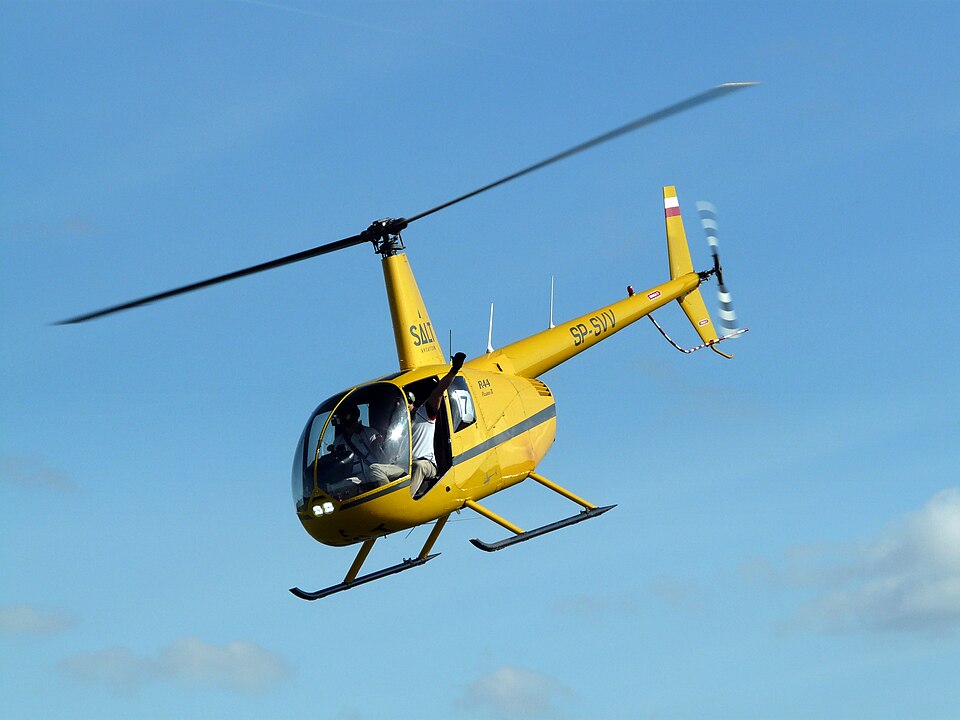
Pro Tip: The type of helicopter you train in has a big impact on cost. The Robinson R22 is the most common and affordable training helicopter. The R44 costs more per hour but provides more space and is often preferred by employers. Ask your school which aircraft they use before comparing prices.
Instrument Rating
An instrument rating allows you to fly legally in conditions where visibility is reduced. For helicopter pilots planning a commercial career, particularly in areas with variable weather, this rating is often essential.
Estimated cost: $16,000 to $19,000
This covers additional flight hours specifically focused on navigation by instruments, bad-weather procedures, and low-altitude operations. It builds directly on your private certificate training and opens the door to more complex commercial work.
Commercial Pilot Certificate
The commercial certificate is what you need to get paid to fly. Employers including tour companies, emergency medical services, law enforcement agencies, and offshore oil operations all require it. The FAA sets the minimum at 150 total flight hours under Part 61.
Estimated cost: $45,000 to $60,000 (from private to commercial)
Under Part 61, you need 150 total hours of flight time, with specific breakdowns for dual instruction, solo time, cross-country flying, and night flying. Under Part 141, which is the more structured school path, the minimum drops to 115 hours, which can reduce overall cost.
Why It Matters: The commercial certificate is the most significant financial jump in helicopter training. It often costs more than the private certificate because the required hours are much higher and the training covers more advanced skills.
The total cost from zero experience to a commercial certificate typically falls in the range of $60,000 to $80,000 or more, depending on the school and training path.
Certified Flight Instructor Rating (CFI)
Most new commercial helicopter pilots become flight instructors first. It is one of the few ways to earn money while also building flight hours toward higher-paying jobs. The FAA requires around 200 total hours of flight time to instruct in a Robinson R22, one of the most common training helicopters.
Estimated cost: $4,000 to $14,000
Adding a CFI rating on top of your commercial certificate is relatively affordable compared to the earlier stages. Many schools offer combined commercial-CFI packages that reduce the total cost when purchased together.
Keep in Mind: The CFI is not just a way to build hours. It is also a genuine career in itself. Flight instructor salaries vary, but the role gives you real experience and steady pay while you work toward more advanced positions.
Full Career Training Path (Zero to CFI)
If you plan to pursue a professional helicopter career starting from zero experience, the total investment looks like this:
| Training Stage | Estimated Cost |
| Private Pilot Certificate | $15,000 -- $30,000 |
| Instrument Rating | $16,000 -- $19,000 |
| Commercial Pilot Certificate | $25,000 -- $35,000 (incremental) |
| CFI Rating | $4,000 -- $14,000 |
| Total Estimated Range | $70,000 -- $90,000+ |
Some schools that offer accelerated or university-based degree programs can push that figure to $150,000 or higher. On the other end, highly efficient students who train under Part 141 programs and minimize extra hours may come in closer to the lower end of the range.
If you want to understand how helicopters work before or during your training, Flying411's article on how a helicopter engine works is a great read that explains the mechanics in simple, clear language.
What Factors Affect Helicopter License Cost?
Training costs are not fixed. Several variables can move your total significantly higher or lower.
Aircraft Type and Hourly Rate
The helicopter you train in is one of the biggest cost drivers. The Robinson R22 is the most affordable training helicopter and the most common. The R44 costs more per hour but is larger and more representative of aircraft used in commercial work. Turbine helicopters cost substantially more per hour and are rarely used for initial training.
Training Path: Part 61 vs. Part 141
The FAA recognizes two main frameworks for flight training:
- Part 61 is flexible. You train at your own pace with an instructor. The minimum hours are slightly higher (40 hours for private, 150 hours for commercial under helicopter rules), and there is no fixed syllabus.
- Part 141 is structured. Schools follow an FAA-approved curriculum with regular stage checks. The minimum hours can be lower (35 hours for private under some programs), which may reduce total cost for dedicated full-time students.
For career-focused students who can train consistently, Part 141 programs often offer the most efficient path to a commercial certificate.
Quick Tip: Veterans may be able to use GI Bill benefits at Part 141 schools. If you have military service, check with the school directly about VA education benefit eligibility before enrolling.
Training Location
Helicopter schools in major metropolitan areas often charge more than those in smaller cities or rural locations. The cost of operating facilities, housing aircraft, and retaining instructors all vary by region. If you have flexibility in where you train, comparing schools in different areas can reveal meaningful savings.
Training Pace and Consistency
Students who train frequently and consistently tend to reach proficiency faster. Long gaps between lessons mean re-learning and extra hours. The more irregular your schedule, the more your total cost is likely to climb above the minimum estimates.
Extra Lessons and Retakes
Some students need additional hours beyond the minimum before they feel ready for a checkride. Others may need to retake a written test or repeat a practical exam. Each of these adds cost. Building in a buffer of 10 to 20 percent above the base estimates is a smart financial habit.
Flying411 has a fascinating article on high-altitude helicopters that gives you a sense of just how specialized helicopter performance can get -- a great complement to understanding the range of helicopter careers available.
Hidden Costs to Plan For
Many first-time students focus on flight hours and miss several smaller expenses that add up quickly.
- Headset: A quality aviation headset costs between $200 and $1,500. It is required for every flight.
- Study materials: Textbooks, FAA handbooks, and exam prep software typically run $100 to $300.
- FAA Medical Certificate: Required before you can fly solo. An aviation medical exam typically costs $75 to $200 depending on your examiner.
- Pilot logbook: A minor cost, but required to track your hours.
- Aviation insurance: Once you are a licensed pilot flying rented aircraft, some schools require renters insurance. Personal aircraft insurance, if you ever own one, is a larger expense.
- Checkride retake fees: If you do not pass the practical exam on your first attempt, you will pay the examiner fee again.
Heads Up: Some flight schools advertise a low base price that covers only the FAA minimum hours. Always ask what is included in a quoted price, and whether the school's historical average completion hours are higher than the minimum.
How to Save Money on Helicopter Training
Smart planning can meaningfully reduce your total training cost without cutting corners on safety or quality.
Compare multiple schools. Rates vary significantly between schools, even in the same geographic area. Get itemized quotes from at least two or three programs before committing.
Train consistently. Flying at least two to three times per week keeps your skills sharp and reduces the number of review hours you need before progressing.
Start with ground school. Completing your written knowledge exam before you begin flight training means you arrive at each lesson better prepared. This reduces the time your instructor spends re-explaining concepts during expensive flight time.
Consider block-hour packages. Many schools offer discounted rates when you pre-purchase a block of flight hours. If you are committed to completing your training, this can reduce your per-hour cost.
Look into financing and scholarships. Traditional student loans often do not cover flight training, but aviation-specific lenders do. Organizations like AOPA, HAI (Helicopter Association International), and various aviation foundations offer scholarships worth researching. Veterans should explore VA education benefit eligibility at Part 141 schools.
Fun Fact: Becoming a helicopter pilot opens doors to a wide range of careers including emergency medical services, search and rescue, law enforcement, firefighting, offshore oil support, aerial photography, tours, and corporate transport -- all of which have very different pay scales and hour requirements.
Flying411 also covers some of the most remarkable machines in the sky. Check out their list of the biggest helicopters in the world to see just how large rotary-wing aircraft can get.
What Are the FAA Requirements for a Helicopter License?
Before you can earn any helicopter certificate, the FAA requires you to meet certain baseline eligibility standards.
Basic Eligibility
For a private pilot certificate, you must:
- Be at least 17 years old
- Read, speak, write, and understand English
- Hold at least a Third-Class FAA Medical Certificate
- Pass the FAA Airman Knowledge Test (written exam)
- Log the required flight hours
- Pass a practical test (checkride) with an FAA-designated examiner
For a commercial pilot certificate, the minimum age rises to 18 years old, and you must already hold a private pilot certificate.
The Medical Certificate
Getting your FAA Medical Certificate is an early and important step. A Third-Class medical is sufficient for private flying. A Second-Class medical is required for commercial operations. You get this from an FAA-authorized Aviation Medical Examiner (AME). Most healthy individuals pass without issues, but certain medical conditions may require additional documentation or waivers.
Good to Know: You can visit the FAA's MedXPress system online to pre-fill your medical application before your appointment. This saves time and helps you prepare for any questions the AME might ask.
The Written Knowledge Test
The FAA Airman Knowledge Test covers aviation regulations, helicopter performance and systems, navigation, weather, and emergency procedures. The fee is approximately $175, paid directly to the testing provider (currently PSI). You schedule this exam independently and must pass it before you can take your practical checkride.
The Practical Exam (Checkride)
The checkride is your final test. It has two parts: an oral exam and a flight test. An FAA Designated Pilot Examiner (DPE) will ask you questions about aviation knowledge and then evaluate your flying skills in the aircraft. Fees typically range from around $600 to $950 or more depending on the examiner and the rating being tested.
Want to understand some of the science behind helicopter flight? Flying411 has answered questions like why a helicopter can't fly to the top of Everest and what happens if a helicopter gets struck by lightning -- both of which touch on real flight physics in an accessible way.
Helicopter License Cost vs. Salary: Is It Worth It?
A fair question after looking at these numbers is whether the investment pays off. The honest answer depends on your goals.
For hobbyists and recreational flyers, helicopter flying is an expensive passion. The cost of training is significant, and renting or owning a helicopter for personal use adds ongoing expense. Many private pilots who fly purely for enjoyment choose fixed-wing aircraft for that reason.
For career-minded pilots, the math looks more favorable over time. Entry-level helicopter positions such as flight instruction typically start at relatively modest pay, but experienced commercial helicopter pilots working in demanding roles can earn well into the six-figure range annually. Careers in emergency medical services, offshore operations, corporate transport, and government contracts often offer strong compensation packages.
| Career Path | Approximate Annual Salary Range |
| Flight Instructor | $30,000 -- $55,000 |
| Tour Pilot | $40,000 -- $70,000 |
| Emergency Medical Services (EMS) | $50,000 -- $90,000 |
| Firefighting Pilot | $60,000 -- $90,000 (seasonal) |
| Offshore / Corporate / VIP Pilot | $90,000 -- $140,000+ |
Building to the higher-paying positions typically requires 500 to 1,000 or more hours of flight time. Many pilots use the CFI route to earn while they build those hours, which partially offsets the cost of training.
Flying411 also covers the world of military aviation, including a detailed list of attack helicopters by country, which is a good read for anyone curious about how rotary-wing aircraft are used in defense roles worldwide.
Ready to take the next step? Flying411 is a trusted resource for aviation information, helicopter facts, and flight-related knowledge. Bookmark it and keep learning as your training journey unfolds.
Conclusion
The helicopter license cost in the USA is a real investment, but it is a manageable one when you plan well. A private certificate typically runs $15,000 to $30,000. A full commercial and instructor path can reach $70,000 to $90,000 or more. The final number depends on your school, your schedule, your aircraft, and how efficiently you progress through training.
The key is to go in with a realistic budget, a clear goal, and a plan for how you will fund and structure your training. Compare schools carefully, train consistently, and take advantage of every scholarship and financing option available to you.
Helicopter flying is one of the most rewarding skills a person can develop, and the career opportunities it opens are genuinely exciting. Whether you want to fly for fun or build a professional career in the sky, understanding the costs up front puts you in the best possible position to succeed.
When you are ready to keep learning and planning your aviation journey, Flying411 is always a great place to explore, read, and grow.
Frequently Asked Questions
How long does it take to get a helicopter pilot license?
For a private pilot certificate, most students complete training in two to six months, depending on how often they fly. A full commercial training path, from zero experience to CFI, typically takes one to two years.
Can I finance helicopter flight training?
Yes. Traditional student loans often do not cover flight training, but aviation-specific lenders do. Many helicopter schools partner with financing companies, and some aviation organizations offer scholarships and grants. Veterans should check Part 141 school eligibility for GI Bill benefits.
Is helicopter training harder than airplane training?
Most flight instructors consider helicopter training more demanding in the early stages. Managing the cyclic, collective, and pedals simultaneously while hovering requires a coordination skill set that takes time to develop. However, many students find it deeply rewarding once it clicks.
Do I need a medical certificate to fly a helicopter?
Yes. You must hold at least a Third-Class FAA Medical Certificate to fly solo as a student pilot or to hold a private pilot certificate. A Second-Class medical is required for commercial helicopter operations.
What is the cheapest way to get a helicopter pilot license?
Training in a Robinson R22 (the most affordable training helicopter), choosing a Part 141 school that may require fewer minimum hours, training consistently to avoid re-learning costs, and completing ground school before flight training are all effective ways to reduce total cost. Comparing schools and asking for itemized quotes is also essential.
Can airplane pilots get a helicopter license for less money?
Yes, to a degree. Fixed-wing pilots already have aeronautical knowledge, radio skills, and some cross-country experience that transfers. This can reduce ground school time and some written exam preparation. However, the flight hours specific to helicopters still need to be completed, so the savings are real but limited.
What helicopter jobs are available for new commercial pilots?
New commercial helicopter pilots most commonly start as certified flight instructors. From there, opportunities include aerial tours, agricultural work, powerline patrol, news and traffic reporting, and charter operations. Higher-hour jobs in emergency medical services, offshore oil support, and corporate transport typically require 500 to 1,000 or more total flight hours.