"Can I just start pumping unleaded avgas into my airplane?" Almost certainly not without buying a piece of paper first. For nearly every certificated piston airplane flying today, unleaded avgas is legal only after you purchase a Supplemental Type Certificate (STC) for your specific airframe and engine combination, install the placards, and put the flight manual supplement in the airplane. The fuel is the easy part. The approval is the part owners get wrong.
Here is how the three main approvals work right now, what they cost, and what your IA will be looking for the next time the cowling comes off.
Is it legal for me to put unleaded avgas in my airplane right now?
Only if your airframe and engine appear on an approved model list (AML) for one of the unleaded fuel STCs, and only after that STC has been properly installed and recorded. Your airplane's type certificate data sheet lists a minimum fuel grade — usually 80/87, 91/96 or 100/100LL — and FAR 91.9 says you operate within the limits of the approved flight manual and placards. Putting a fuel in the tanks that is not listed is an unapproved operation, even if the engine runs perfectly.
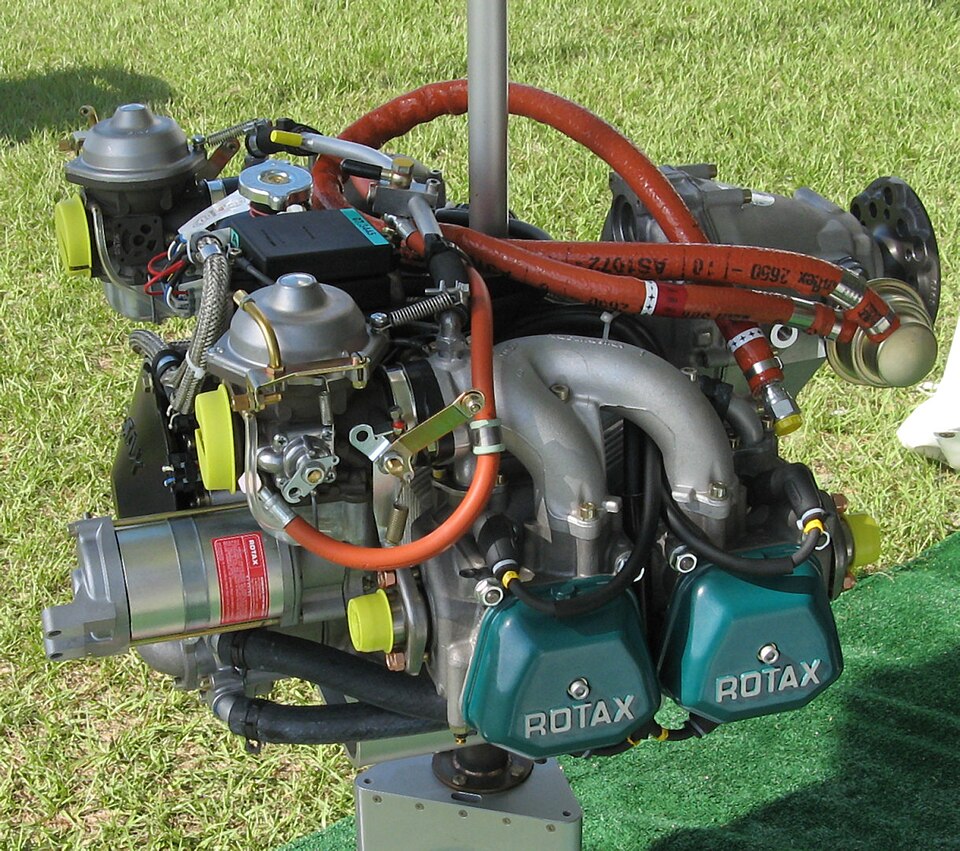
There are a few exceptions worth knowing. Experimental amateur-built aircraft operate under their own operating limitations and are not bound to an AML. Some modern engines, notably the Rotax 912 series, already list unleaded fuels on the type certificate. And a handful of newer Lycoming and Continental engines list unleaded grades directly in the manufacturer's fuel service documents — Lycoming's Service Instruction No. 1070 is the master list of approved fuel grades by engine model, and it is worth pulling before you buy anything.
Also remember that autogas STCs have existed since 1982. Petersen Aviation and the EAA hold auto fuel approvals for a long list of low-compression engines, and that is unleaded fuel too. If your airplane qualifies, it may already be the cheapest unleaded path you have.
What is the difference between G100UL, UL94 and Swift 100R?
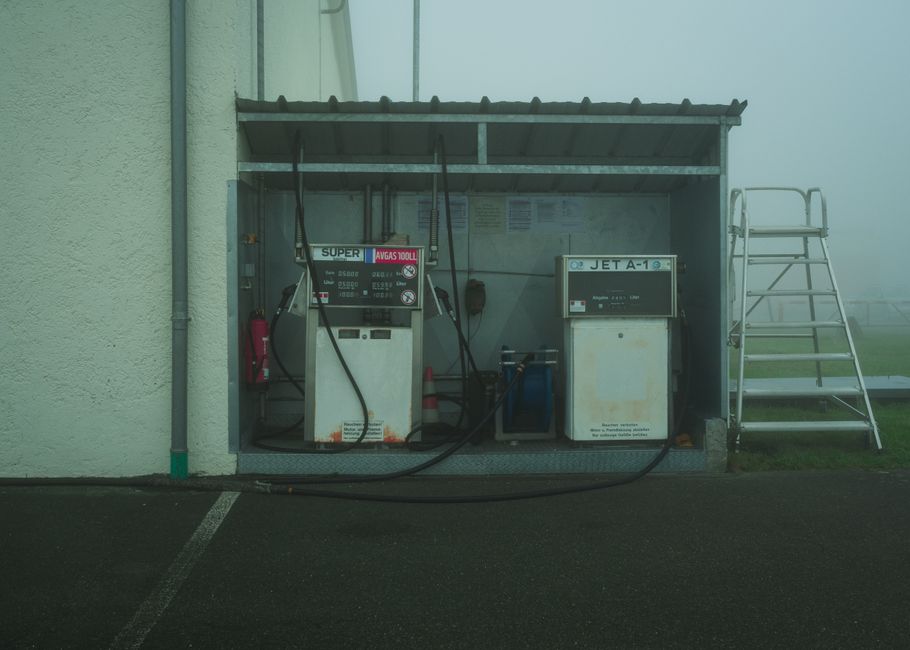
They are three different products solving three different slices of the same problem. G100UL, from General Aviation Modifications, Inc. in Ada, Oklahoma, is a 100-octane unleaded fuel approved through the STC route. GAMI received its first approvals in 2021 and, in September 2022, the FAA expanded the AML to cover essentially every spark-ignition engine and airframe in the certificated fleet. First retail sales began in California in 2024.
UL94, from Swift Fuels in West Lafayette, Indiana, is simply avgas without the lead, meeting ASTM D7547. Its 94 motor octane rating is below the roughly 99.6 minimum required of 100LL, so it suits lower-compression engines only — the O-200s, O-235s, many O-320s and similar. Think of it as regular unleaded at the gas station while 100LL is premium: fine for most cars, not for the turbocharged one.
Swift 100R is Swift Fuels’ 100-motor-octane unleaded avgas. Its first FAA STC approvals arrived in 2024, and by July 2026 the approved model lists had expanded to more than 1,200 piston-engine models and 1,600 airframe models. The fuel also now meets ASTM D8603, although availability still varies significantly by region.
Why It Matters: Roughly two-thirds of the piston fleet by aircraft count can run on a lower-octane unleaded fuel. But the remaining third — the big-bore and turbocharged engines — burns the majority of the avgas. That is why UL94 alone was never going to end leaded fuel, and why the 100-octane products matter so much.
How do I find out whether my engine is on the approved list?
Check the engine data plate first, then the AML. The approval is tied to a specific engine model and dash number, not to "a 172" or "an O-360." A Lycoming O-360-A4M and an IO-360-A1B6 are different animals with different compression ratios, and one may be approved for UL94 while the other is not.
Pull three documents: your aircraft's TCDS, your engine's TCDS, and the current AML published by the fuel supplier. Match the airframe serial number range and the exact engine designation. If you have an STC'd engine conversion, a different prop, or a turbo-normalizing system, say so when you order — those alterations can change which list you fall on. Your A&P can do this in twenty minutes and it is time well spent before money changes hands.
Flying411 keeps aircraft listings, engine details and ownership guidance in one place, so you can compare what a given airframe and engine combination actually commits you to before you buy.
What do the STCs cost, and what does the fuel cost per gallon?
The STC is a one-time cost in the hundreds to low thousands of dollars depending on which fuel and how much horsepower you have; the fuel itself is where the recurring money lives. GAMI prices the G100UL STC on a per-horsepower basis, so a two-seat trainer is cheap and a 600-horsepower twin is not. Swift has priced UL94 STCs modestly and has run promotional periods where the STC cost nothing at all, because the company makes its money selling gallons.
| Fuel | Octane / spec | Fleet coverage | STC cost | Fuel price vs 100LL |
| G100UL (GAMI) | 100 octane, approved under STC rather than an ASTM consensus spec | AML covers essentially all spark-ignition certificated engines/airframes | Priced per engine horsepower; a few hundred dollars for a small four-cylinder, more for high-horsepower singles and twins — confirm the current rate with GAMI | A premium, commonly reported around a dollar or more per gallon at early retail outlets as of 2025 |
| Swift UL94 | 94 MON, ASTM D7547 | Lower-compression engines only — roughly two-thirds of the fleet by aircraft count | Historically on the order of $100 for a single; free during supplier promotions | Usually at or slightly below local 100LL |
| Swift 100R | 100 MON unleaded avgas, ASTM D8603 | More than 1,200 engine models and 1,600 airframe models approved by STC as of July 2026 | Confirm current STC pricing and eligibility with Swift | Commercial distribution is expanding; availability and pricing remain location-dependent |
| Autogas STC (Petersen/EAA) | Typically 91 AKI unleaded mogas, ethanol-free | Low-compression engines and specific airframes | Several hundred dollars, varies by model | Well below 100LL where you can get ethanol-free fuel to the field |
One more line item people forget: fuel you cannot buy is free. Before you spend anything, call the FBOs you actually use and ask what they stock. An STC for a fuel nobody within 300 miles sells is a receipt, not an upgrade.
What actually gets installed, and do I need a mechanic?
Very little hardware changes — that is the surprise. A fuel STC of this kind typically consists of placards next to each fuel filler cap stating the approved grades, an airplane flight manual supplement that goes into the POH, the STC permit carried in the aircraft, and a maintenance record entry. No new fuel pump, no new lines, no engine work.
Because it is still an STC installation, have an A&P do the entry rather than doing it yourself and hoping. The STC's installation instructions govern, including whether FAA Form 337 is required, and practice varies by STC. Get the placards on straight, get the supplement in the book, and make sure the logbook entry names the STC number. A missing supplement is the single most common reason an otherwise fine installation gets written up.
Heads Up: If you sell the airplane, the STC goes with the aircraft, not with you. Keep the original STC permit and the AFMS with the records; a buyer's pre-purchase inspector will look for both, and a missing permit is a real discrepancy, not a formality.
Can I mix unleaded avgas with the 100LL already in my tanks?
Each fuel approval addresses compatibility and any permitted mixing with fuels identified in its approved documentation. G100UL, UL94 and 100R are designed to accommodate transition from 100LL where their respective approvals permit it, but owners should not assume that different unleaded formulations can be freely mixed with one another unless that combination is specifically covered by the applicable STC or other approved data.
Mixing does affect octane, though, and the math only runs one direction. If you have an engine approved for UL94 and you add 100LL, you are raising octane and lead content, which is harmless. Do not add UL94 to an aircraft that is not approved to use UL94 simply because higher-octane fuel is already in the tank. Fuel legality and compatibility are governed by the aircraft and engine approvals and the applicable STC instructions, not by a general rule that an owner can calculate an acceptable blend in the tank.
What changes at my next annual inspection?
Two things: your IA now has paperwork to verify, and the engine itself should start showing less lead-related wear. On the records side, expect the inspector to confirm that the placards are present and legible, that the flight manual supplement is in the airplane, and that the logbook entry references the correct STC. FAR 43.11 requires the inspector to determine the aircraft is airworthy as a whole, and a fuel grade limitation that does not match the placards is exactly the kind of item that holds up a signature. Our guide on what happens when an IA won't sign your annual explains how those write-ups work.
On the mechanical side, the welcome news is less lead. Tetraethyl lead is the reason your spark plugs foul at idle, the reason lead balls form in plug wells, and a major contributor to the grey sludge in the oil screen and the deposits on exhaust valve stems. Shops running unleaded report cleaner plugs and cleaner combustion chambers. That does not mean you stretch your oil change intervals — follow the engine maker's schedule — but plug rotation and cleaning may get less frequent, and valve guide wear from lead deposits should ease over time. If you fly a Skyhawk, our breakdown of what a Cessna 172 annual usually turns up gives a sense of where lead shows up in a typical squawk list.
What to ask your shop to look at the first year
Ask for a close look at fuel system elastomers — O-rings, tank sealant, fuel bladder material, gascolator gaskets — and at the paint around filler caps and drains. Any new fuel chemistry deserves a careful first-year inspection, and that is cheap insurance. Ask for plug photos before and after cleaning so you have a baseline. And if the airplane has been sitting, deal with that first; our notes on inspecting an airplane that sat for a year apply before any fuel change. Plan a proper shakedown flight afterward, too — see first flight after an annual.
Flying411 keeps maintenance explainers and ownership-cost guidance in one place, so you can compare what a fuel change, an overhaul and an annual really add up to over a few years of flying.
Will unleaded fuel hurt my engine, paint, seals or resale value?
The honest answer in late 2025 is that the engine makers and the fuel developers do not fully agree, and the debate is active. Lycoming and Continental have both urged caution with fuels approved outside the traditional ASTM specification process, and there have been owner reports of paint and sealant concerns with G100UL that GAMI disputes. UL94, being conventional avgas without the lead, has drawn far less controversy.
This is enough of a topic on its own that we gave it a separate article — see unleaded avgas STCs and what they mean for warranty, paint and resale before you commit. If your engine is still under factory warranty, read the warranty terms and call the manufacturer. If you plan to sell within two years, understand that buyers price uncertainty into offers. And if you are already watching for cosmetic or corrosion problems, our piece on corrosion found at annual covers how those findings hit value.
Do I have to switch before 2030?
There is not currently a federal rule requiring an individual aircraft owner to convert by a specific date, but the national transition is moving toward 2030. In July 2026, the FAA published its updated Transition Plan for Unleaded Aviation Gasoline, laying out a phased process for fuel authorization, market experience and eventual national transition. The FAA Reauthorization Act of 2024 also requires continued 100LL availability during the transition until qualifying replacement fuel is sufficiently available, so the change is intended to occur in stages rather than through an abrupt nationwide cutoff.
Local action is a different story. Santa Clara County, California, stopped selling 100LL at Reid-Hillview and San Martin in 2022, and California settlements under Proposition 65 commit fuel sellers there to move to approved unleaded products as they become available. If you base in a jurisdiction with that kind of pressure, the STC stops being optional sooner than 2030.
Pro Tip: Buy the STC when you know the fuel is coming to a field you actually use — not before, and not after the first time you divert for fuel. The approval takes minutes to install; the useful planning window is about supply, not paperwork.
At a Glance
Legal operation on unleaded avgas comes down to three steps: confirm your exact engine and airframe appear on the approved model list, buy the STC, and have an A&P fit the filler-cap placards, insert the flight manual supplement and make the logbook entry. G100UL covers essentially the whole certificated fleet at 100 octane and carries a per-horsepower STC price plus a fuel premium; Swift UL94 is cheap and conventional but suits lower-compression engines only; Swift 100R is a 100-octane ASTM D8603 fuel with substantially expanded FAA STC coverage as of 2026, although local availability still varies; and an old-fashioned autogas STC may be the least expensive answer if your engine qualifies. All of them mix freely with 100LL, with the approval following the lowest grade in the tank. At your next annual, expect your IA to verify the placards and supplement, and expect cleaner plugs and fewer lead deposits over time — while keeping an eye on seals, sealant and paint during that first year. Nothing forces your hand before the end of 2030 under the EAGLE timeline, but local rules and local supply will decide the date for many owners well before that.
When you are ready to compare listings, visitFlying411and see what is on the market today.