Owning a small plane can feel exciting and serious at the same time. When the calendar turns and inspection season arrives, many owners feel curious and a little nervous. A Cessna 172 Annual Inspection helps answer that feeling. This yearly look at the airplane often uncovers normal wear, small fixes, and signs of good care. It also sets the tone for safe flying in the months ahead. The next sections explain what this yearly review really means and why certain issues tend to appear.
Key Takeaways
A Cessna 172 annual inspection is a required yearly check that looks for wear, damage, and safety issues before the airplane can keep flying. During the inspection, a mechanic checks the engine, airframe, landing gear, controls, and paperwork. The goal is to find problems early, fix required items, and confirm the airplane is safe and legal. Costs and findings vary by aircraft age, use, and condition.
| Inspection Area | What Gets Checked | Why It Matters | What Owners Should Expect |
| Engine | Leaks, compression, hoses | Keeps power reliable | Oil changes, worn parts |
| Airframe | Cracks, corrosion | Protects structure | Repairs on older planes |
| Landing gear | Struts, tires, brakes | Safe takeoffs and landings | Tire or brake replacement |
| Flight controls | Cables and movement | Proper control response | Adjustments if loose |
| Electrical system | Battery, wiring, lights | System reliability | Battery or wiring fixes |
| Records | Logs and compliance | Legal to fly | Missing items must be corrected |
What an Annual Inspection Means for a Cessna 172
An annual inspection is a required yearly review for many general aviation planes in the USA. For a cessna 172, this review checks the whole airplane from nose to tail. The goal is simple. Make sure the plane meets airworthiness rules and can fly safely. A trained mechanic with inspection authority leads the work, often supported by an a&p technician.
This process is a form of aircraft inspections that follows strict rules from the faa. The rules come from far part and part 43, with guidance found in far 43 appendix sections. These rules explain what must be checked and how deep the review should go. Think of it as a full health check for the aircraft.
During this time, panels come off so the team can inspect hidden areas. Inspection panels allow access to the airframe, avionics, engine bay, and control systems. The inspection checklist guides the work step by step. Each item is marked and reviewed with care. This includes inspection items tied to structure, systems, and safety.
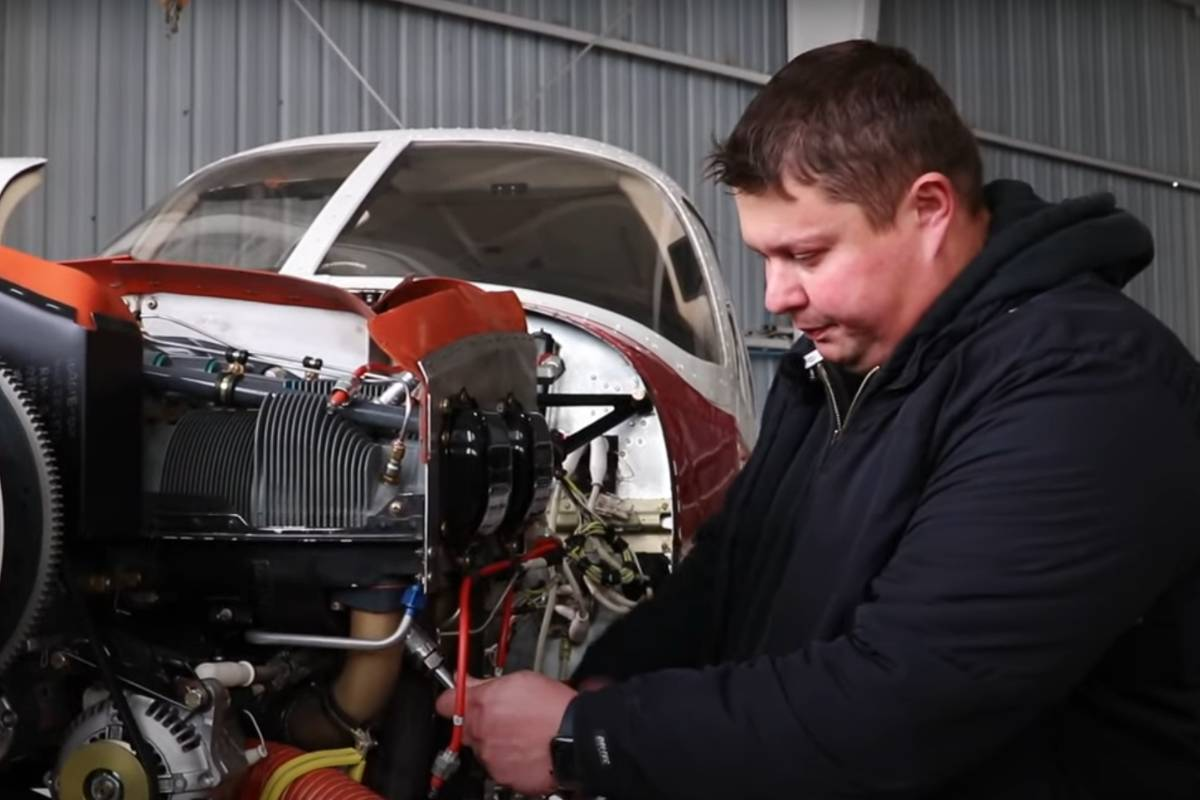
The engine receives special attention. A compression check and compression readings help show the health of the cylinders. The spark plug and plug condition can hint at fuel burn and engine operation. The magneto, mags, alternator, and lycoming engine parts all get checked for proper calibration and output. Oil filters are examined to spot metal that could point to internal engine wear.
Paperwork matters too. The logbook must be properly documented. The ad list and airworthiness directives or ad's confirm required fixes were done. Time in service, 500 hours checks, and any 100 hours or 100-hour items are reviewed. A clear manual and service manuals help confirm correct procedures. For a well-maintained skyhawk, this review often shows steady care rather than surprises.
Why Small Problems Show Up During Annuals
Small issues often appear during an annual because this is the most thorough inspection of the year. It is deeper than routine checks and goes beyond basic preventive maintenance. When parts are exposed, normal deterioration becomes visible.
One common finding is light corrosion in hidden areas. Moisture can settle near a bearing, hose, or fuel tank seam. These spots may look fine from the outside. Once panels are removed, the issue becomes clear. Catching it early avoids costly repairs later.
Another area involves engine details. A worn valve, loose safety wire, or signs of exhaust leaks can show up after steady flying. These items affect engine performance but often do not cause problems yet. Fixing them keeps the plane airworthy and smooth to fly.
Electrical items can also appear on the list. Dim landing lights, aging wiring, or minor avionics issues may be logged as a discrepancy. These are common on older cessna aircraft with long time in service. Fuel system parts like the fuel selector are checked for smooth movement and sealing.
Records can create findings too. Missing notes or unclear entries in the owner's files may trigger a squawk. A clear appendix reference and neat records show a meticulous approach. Items tied to airworthiness directives must match the rules exactly to meet the highest standards.
Some owners worry this process means long downtime or an overhaul. In reality, many findings are small and expected. Even a first annual for someone with least a private license often goes smoothly. The goal is safety, clarity, and confidence before the next flight.
How Mechanics Check a Cessna 172 Step by Step
When a shop begins work, the goal is simple. Make sure the plane can fly safely and legally for another year. This step-by-step flow keeps the process clear and organized, and it helps owners understand what happens behind the hangar doors.
Step 1: Paperwork Comes First
Before touching the aircraft, the team reviews records. An ia leads this part to confirm the plane meets rules set by the faa. The logbook is checked line by line. Past repairs, part changes, and time notes matter here. If entries are neat and complete, the inspection moves faster. If something is missing, the team flags it early so it can be fixed without stress.
This step also confirms the last annual inspection date and total time on the plane. Clear records support airworthiness and show steady care over time.
Step 2: The Walk-Around Check
Next comes a slow walk around the plane. The mechanic looks for visible issues before panels come off. This includes tires, brakes, lights, and control surfaces. Small signs can point to bigger concerns later.
- Loose fasteners
- Cracked lenses
- Fluid stains under the engine
This first look sets the tone for the rest of the inspection.
Step 3: Opening Panels and Access Areas
Now the real work begins. Panels are removed so the team can inspect hidden parts. This step turns a simple review into one of the most comprehensive inspections the plane will see all year.
Areas checked include:
- Wings and tail sections
- Control cables and pulleys
- Mount points and hardware
Light corrosion may appear in older planes or those stored in damp areas. Catching it early helps prevent future damage.
Step 4: Engine and Prop Area Review
The engine area gets special attention during an annual. The cowling comes off, and the team works slowly and carefully. Hoses, mounts, and wiring are checked for wear. A worn bearing or aging clamp can show up here.
Each spark plug is removed and checked. A dirty plug can hint at fuel burn issues or oil use. A compression check follows to measure cylinder health. This compression test helps spot early wear before it affects power.
The magneto is also reviewed for timing and condition. These steps help confirm smooth starts and steady engine operation.
Step 5: Systems and Controls
Next, the focus shifts to systems. This includes fuel, electrical, and flight controls. The team checks for leaks, smooth movement, and secure connections.
- Throttle and mixture travel
- Fuel lines and drains
- Electrical wiring and switches
This work supports safe aviation operations and helps avoid surprises in flight.
Step 6: Cabin and Safety Items
Inside the cabin, the team checks seats, belts, and controls. Instruments are reviewed for proper function. Even small items matter here.
The goal is to confirm the pilot can operate the plane without distractions. Clear markings and working controls support safe flying habits.
Step 7: Rule-Based Checks and Standards
The inspection follows rules outlined in the regulations. The appendix section of the rules explains what must be reviewed and how deep the check must go. This keeps standards the same across shops and locations.
Every step supports legal flight status and keeps the plane ready for use.
Step 8: Findings and Owner Review
Once checks are done, the shop lists findings. Some items need repair before the plane can fly. Others are noted for future care. Clear notes help owners plan time and budget.
Minor tasks may fall under preventive maintenance and can be handled quickly. Larger items are discussed before work begins.
Step 9: Final Sign-Off
After fixes are complete, the 172 is reviewed one last time. The records are updated, and the sign-off confirms the plane meets safety rules. This final step allows the plane to return to service with confidence.
Why This Process Matters
Each step builds on the last. Skipping a step can miss a problem. Following the flow keeps things smooth and predictable. For owners, knowing this process helps reduce worry and builds trust in the shop.
A careful inspection is not meant to scare owners. It is meant to protect pilots, passengers, and the plane itself. When done right, it supports safe flying and steady ownership for years to come.
Conclusion
A yearly review brings peace of mind. The Cessna 172 Annual Inspection: What Mechanics Usually Find usually reveals normal wear, clear fixes, and proof of good care. When handled on time, these findings support safe flying and smart ownership. For clear guidance, helpful tools, and aviation insights, connect with Flying411 and keep your flying plans moving forward.
FAQs
What makes an annual different from other checks?
An annual is deeper and covers the whole airplane, not just basic items.
How long does a Cessna 172 annual take?
Many take one to two weeks, based on findings and shop schedule.
Can owners fix items found during an annual?
Some minor tasks are allowed, but most repairs need certified approval.
Do all findings ground the airplane?
No. Many are small and can be fixed quickly.
Does good record keeping help?
Yes. Clear records reduce delays and extra questions.