Buyers often assume a Super Cub stops being "real" once it has been rebuilt with new tubing, new wings and new fabric. The opposite is closer to the truth. The FAA does not count original rivets; it cares about the data plate, the type certificate the airplane was built to, and whether every part and modification along the way was approved. A 1958 airframe that has been rebuilt twice can still be a real Piper PA-18 Super Cub, while a brand-new airplane that looks identical from fifty feet may legally be a homebuilt with a builder's name on the plate.
That distinction is worth real money. Two airplanes parked side by side with the same 180-horsepower engine, the same 31-inch tires and the same fresh paint can be separated by $60,000 or more in asking price, purely because one carries a standard airworthiness certificate and the other carries an experimental one. Neither is "better" — they are different products with different rules, different insurance treatment and different buyers.
This guide walks through exactly what to look at, in what order, so you can tell which one you are looking at before you book a flight to go see it.
What Legally Makes a Super Cub a Piper
The PA-18 family lives on FAA Type Certificate Data Sheet 1A2. That one document covers the whole run — PA-18, PA-18A, PA-18-105, PA-18-125, PA-18-135, PA-18-150, PA-18A-150, and the PA-19 observation variants. If an airplane is a certified Super Cub, its model designation appears on 1A2 and its airworthiness certificate points back to it. If it does not appear there, it is something else, no matter what the paint says.
Piper built Super Cubs from 1949 into 1983, then brought the line back for a smaller final run at Vero Beach that ended in 1994. Counting the military L-18 and L-21 versions, total production ran past 9,000 airframes. Thousands of those military machines came home from European air forces in the 1970s and 1980s and were converted to civil PA-18-135 or PA-18-150 standard — those are genuine Piper airframes, but their paperwork includes an import trail you should read carefully.
What the data plate has to say
Under 14 CFR 45.11 and 45.13, the identification plate has to carry the builder's name, the model designation and the serial number, and it has to be attached so it is not likely to be defaced or removed. On a factory Super Cub it reads Piper Aircraft Corporation, a model such as PA-18-150, and a serial number in Piper's format — early airplanes are short sequential numbers like 18-3421, and from the early 1970s Piper switched to a longer coded number such as 18-7909021, where the digits encode the model year.
Under 14 CFR Section 45.13, removing, installing or altering aircraft identification information generally requires FAA approval. However, persons performing authorized maintenance under Part 43 may remove an identification plate when necessary during maintenance and reinstall it on the same aircraft. Installing a plate removed from another airplane is prohibited under this exception. Replacement plates require appropriate FAA authorization, which should be supported by the aircraft's records.
Heads Up: A data plate that is held on with pop rivets of the wrong size, sits on fresh paint with no witness marks, or shows a serial number that is stamped crooked or in a different font from the rest of the plate deserves a records request before anything else. Honest rebuilds leave a paper trail; the plate is where a dishonest one usually shows the seam.
The airworthiness certificate, in one glance
This is one of the fastest checks in the airplane. A standard airworthiness certificate (FAA Form 8100-2) identifies the aircraft's manufacturer, model, serial number and certification category. A special airworthiness certificate (FAA Form 8130-7) identifies the applicable category and, where required, its certification purpose, such as Experimental for operating an amateur-built aircraft. Verify the certificate's actual information rather than relying on its color alone, and cross-check the aircraft model against the applicable type certificate data sheet.
The Four Kinds of "Super Cub" You Will See Advertised
1. Factory Piper, still certified
Built by Piper, data plate says Piper, flies on a standard certificate under 1A2. It can be rented, used for flight instruction for hire, and operated commercially where the rules otherwise allow — which is why so much of the Alaska air-taxi and guiding fleet is built on these airframes. Every modification has to trace to a type certificate, an STC, a PMA part, or an approved repair documented on FAA Form 337.
2. The rebuilt certified airframe
This is where the "is it real?" argument usually starts. Specialist suppliers in Alaska and the upper Midwest produce PA-18 fuselages, wings, spars, ribs and control surfaces under PMA or STC approval. A shop can replace essentially all of the metal over a long enough life and the airplane remains, legally and on the registry, the same Piper PA-18. Think of it the way you would a classic car that has had a new frame, new body panels and a new engine but keeps its original title and VIN — the identity survives the parts.
What you are buying in that case is the quality of the rebuild and the completeness of the file. Ask for the 337s, the STC permission letters, the parts invoices and the fabric work records.
Good to Know: Dakota Cub's STC'd wings with heavier spars and square tips, and the various extended-wing kits, are common on rebuilt airframes. They are approved alterations, not clones, and they usually help resale — provided the STC paperwork and the updated weight and balance are both in the binder.
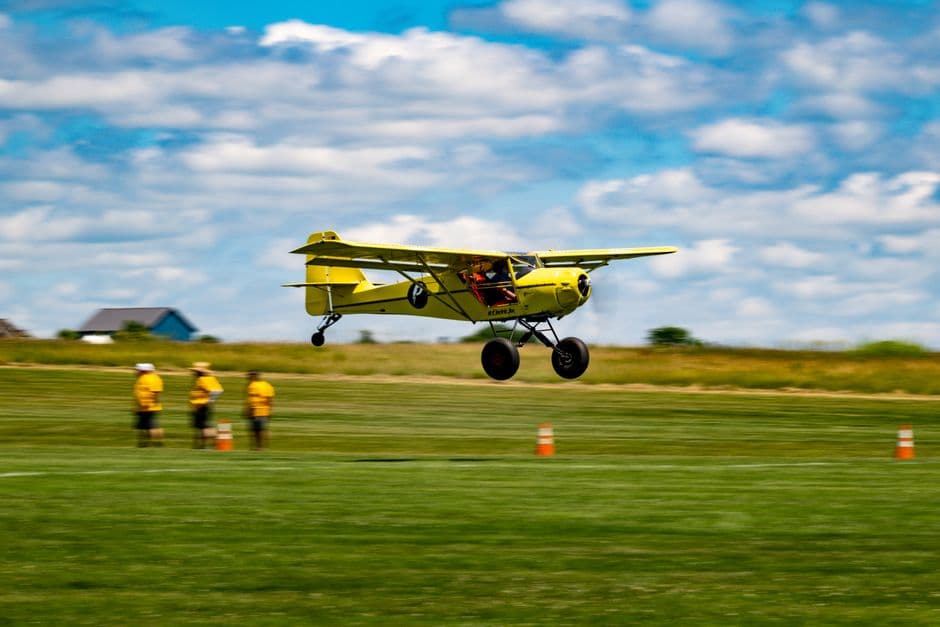
3. Experimental amateur-built clones
Javron, Backcountry Super Cubs, Smith Cubs, Wag-Aero and other kit suppliers support Cub-shaped airplanes certificated under 14 CFR Section 21.191(g) as amateur-built, where amateur builders complete the major portion of the fabrication and assembly for education or recreation. On the registry, these typically show the builder's name as the manufacturer and a model like "PA-18 Replica" or "Super Cub." They offer considerable flexibility in engine, avionics and landing gear choices without the conventional STC approval process. However, major modifications must comply with the aircraft's operating limitations and may require additional Phase I flight testing or coordination with the FAA.
The trade-off is 14 CFR Section 91.319, which restricts experimental aircraft operations, including carrying persons or property for compensation or hire. Experimental amateur-built aircraft are not eligible for ordinary passenger charter or commercial cargo operations, although certain flight training, checking and testing activities may be permitted under Section 91.326. Conventional rental arrangements remain restricted, and insurers price experimental aircraft differently.
Flying411 keeps certified Super Cubs and experimental Cub-type airplanes in one place, so you can compare equipment, hours and asking price without guessing which category a listing falls into.
4. New airplanes on their own type certificates
CubCrafters earned its own type certificate for the Top Cub in the 2000s and another for the XCub in 2016 — those are certified airplanes, but they are not PA-18s and they are not on 1A2. The Carbon Cub SS is a factory-built light-sport aircraft; the Carbon Cub EX and FX are amateur-built. American Legend's airplanes trace to the J-3 shape and sell as light-sport. The Aviat Husky is a clean-sheet design on its own certificate that happens to share the mission. If you are weighing those against an original, our Husky vs Super Cub vs Carbon Cub ownership cost comparison runs the numbers side by side.
The Paperwork Walk, in Order
Start with the registry, before you book the trip
Run the N-number through the FAA aircraft registry. The record shows manufacturer name, model, serial number, year, airworthiness class and the type certificate data sheet the aircraft was certificated under. An amateur-built shows the individual's name in the manufacturer field and no TCDS reference, with the airworthiness class listed as Experimental. That alone answers the clone question in about ninety seconds — and it answers it before a seller has a chance to shade the description.
Then order the aircraft's records from the FAA's Civil Aviation Registry. You get the registration history, every Form 337 ever filed with the agency, and any record of a replacement data plate or a change of identity. Scanned records are available through the registry's online system, and the fee for a copy has been nominal for years.
Why It Matters: The 337 file is the single best lie detector in a Super Cub purchase. Major alterations and major repairs are supposed to be reported to the FAA. If the airplane in front of you has an engine, wings and gear that no 337 ever mentions, the records are incomplete, the alterations may be unapproved, or both — and an unapproved alteration is the buyer's problem the moment the bill of sale is signed.
Then the logbooks
Read for continuity, not for total time. You want an unbroken chain of annual inspection sign-offs, a clear record of when the airframe was recovered and with what approved process, and entries that match the 337s. A Super Cub with a ten-year gap in the airframe log and a suspiciously fresh fuselage is the classic shape of a data-plate rebuild that nobody documented. Our guide to pre-buy versus annual inspections explains why a pre-buy on this airplane should include a records review by someone who knows the type.
Pro Tip: Ask the seller for photographs of the data plate, the airworthiness certificate and the first and last page of each logbook before you travel. A straight seller will send them the same day. The ones who will not are telling you something.
STCs: Which Ones Add Value, and Which Are Only Paper
The modifications buyers actually pay for
The stock PA-18-150 leaves the TCDS at 1,750 pounds gross weight with a 150-horsepower Lycoming O-320 and 36 gallons of fuel in two wing tanks. Almost nothing in the bush fleet is still stock. The mods that reliably show up in the price are:
- 180-horsepower conversions — O-360 installations under STC, usually with a long Borer-style propeller.
- Gross weight increase STCs, commonly to 2,000 pounds, which change the airplane's usefulness more than any other single item.
- Extended or square-tip STC wings with heavier spars.
- Vortex generators and leading-edge cuffs.
- Heavy-duty gear, big tires and approved float or ski kits.
Each of those should come with the STC document, the holder's permission letter naming that serial number, an airplane flight manual supplement where required, and a revised weight and balance. Missing any of those turns an asset into a squawk.
Keep in Mind: An STC is issued to a holder, not to the airplane. When you buy, you want written evidence that the STC was legitimately applied to this serial number. A photocopy of someone else's approval is not that evidence.
Field approvals do not travel
Plenty of older Super Cubs carry one-time field approvals recorded on a 337 — a modification a FSDO signed off for that aircraft alone. Those remain valid on that airframe, but they are not transferable to another airplane, and today's FAA is far less willing to issue new ones. If a seller tells you a modification is "field approved," look for the actual 337 with the approval block signed, not just a logbook entry.
Fuel approvals are their own category now. If the airplane carries an unleaded avgas STC, read our piece on unleaded avgas STCs and what they do to warranty, paint and resale before you assume it is a selling point everywhere.
Flying411 keeps PA-18 listings and their modification details in one place, so you can compare how a 180-horsepower STC and a gross weight increase change the asking price across the market.
What Each One Is Worth
Prices below reflect typical US asking prices through 2025. Super Cub values are unusually spread out because condition, modifications and fabric age matter more than year, and because the Alaska market pulls the top end up.
Why the certified premium exists
Owners and brokers generally put the gap between a certified PA-18 and a comparably equipped experimental clone at roughly $40,000 to $80,000, although actual differences depend on equipment and condition. That premium can buy broader commercial-use privileges, easier financing and a deeper resale market. A standard-category aircraft remains the practical choice for conventional Part 135 passenger or cargo operations. However, certain compensated flight training operations are permitted in experimental aircraft under 14 CFR Section 91.326, while eligible light-sport aircraft may also conduct specified commercial aerial work under the updated Section 91.327.
Where the clones win
For a private owner who does not need ordinary commercial passenger or cargo operations, the experimental is often the better airplane for the money. You can get modern structure, a lighter empty weight, and an engine and panel chosen rather than inherited. More importantly, experimental amateur-built aircraft owners can generally perform their own maintenance without holding a mechanic or repairman certificate. The annual condition inspection requires an appropriately authorized signer, which may include an A&P, the original builder holding an aircraft-specific repairman certificate, or an eligible light-sport repairman under the current MOSAIC rules and applicable operating limitations.
Fun Fact: Piper never built a Super Cub with 31-inch bush tires, a 180-horsepower engine and extended wings. Virtually every "classic" Alaska Super Cub you have seen in a magazine is a heavily modified airplane whose configuration exists only because a stack of STCs made it legal.
Key Takeaways
The question is never how much original Piper metal is left; it is what the data plate says, what type certificate the airplane was built to, and whether the paper trail supports both. Pull the FAA registry record first, read the airworthiness certificate color and category second, and order the FAA records file third — those three steps separate a certified PA-18 on TCDS 1A2 from an amateur-built clone before you ever shake a hand. Certified airframes may command a premium of roughly $40,000 to $80,000 over comparable experimentals because of their broader commercial-use privileges and differences in financing, insurance and resale demand. STCs drive value on both sides of the line, but only when the STC document, the permission letter, the flight manual supplement and the updated weight and balance are all in the file. If any one of those is missing, you are buying a repair bill, not a modification.
| Category | Data plate / registry shows | Airworthiness certificate | Legal for hire? | Typical asking price, 2025 |
| Factory Piper PA-18, unrestored project | Piper Aircraft, PA-18 series, TCDS 1A2 | Standard (white, Form 8100-2) | Yes, when airworthy | $60,000 – $110,000 |
| Factory Piper PA-18-150, flying, lightly modified | Piper Aircraft, PA-18-150, TCDS 1A2 | Standard | Yes | $140,000 – $210,000 |
| Rebuilt certified PA-18, full bush build | Piper Aircraft, PA-18 series, TCDS 1A2 | Standard | Yes | $220,000 – $350,000+ |
| Experimental amateur-built clone | Builder's name, model "PA-18 Replica" or similar, generally no TCDS | Special – Experimental (Form 8130-7) | Restricted; certain training operations permitted under Section 91.326 | $150,000 – $280,000 |
| Factory light-sport Cub type | Manufacturer's name, LSA model | Special – Light-Sport | Limited; eligible training, towing and specified aerial work under Section 91.327 | $200,000 – $340,000 new |
| New certified Cub-derivative (own type certificate) | Manufacturer's name, own TCDS | Standard | Yes | $400,000+ new |
Flying411 keeps Piper, CubCrafters and experimental backcountry listings in one place, so you can compare what the certified premium actually costs in today's market rather than in last decade's.
Conclusion
Deciding between a real Piper PA-18 Super Cub and a clone is a legal and financial decision dressed up as a nostalgia question. Certified gets you commercial use, easier lending and the broadest resale market. Experimental gets you more airplane per dollar and far more freedom in maintenance and modification. What you cannot do is buy one believing it is the other — and the registry entry, the certificate color and the 337 file will tell you which is which in an afternoon of reading. If this would be your first tailwheel airplane, it is worth reading Super Cub vs RV-6 as a first taildragger before you commit to the type at all.
When you are ready to compare listings, visitFlying411and see what is on the market today.
Frequently Asked Questions
Is a rebuilt Super Cub still a real Piper?
Yes, provided the aircraft's original identity has been lawfully preserved, its replacement parts are eligible for installation, and its repairs and alterations have been properly accomplished and documented. An identification plate may be temporarily removed during authorized maintenance under 14 CFR Section 45.13, but it cannot simply be transferred to another airframe. A legitimate rebuild must preserve the aircraft's identity and conformity to its approved design.
Can I convert an experimental Cub clone to certified?
No. An amateur-built airplane cannot be re-certificated into the standard category. The certification basis is set when the airworthiness certificate is issued, and there is no path from 21.191(g) to a standard certificate under TCDS 1A2.
How do I check whether a Super Cub is experimental before I travel to see it?
Search the N-number in the FAA aircraft registry. An individual's name in the manufacturer field, no type certificate reference and an Experimental airworthiness classification are strong indications that the airplane may be amateur-built. Confirm the specific certification purpose on its airworthiness certificate and operating limitations, because experimental aircraft can also be certificated for purposes other than amateur-built operation.
Does a missing STC document really matter at sale time?
It does. Without the STC paperwork and an updated weight and balance, your mechanic has no basis to call the installation approved, and the next buyer's pre-buy will find the same gap. Fixing it after the fact can mean re-purchasing the STC from the holder or removing the modification.
Why are PA-18 prices so much higher than other 1950s two-seaters?
Supply and mission. Piper stopped building them in 1994, the surviving fleet is finite, and nothing else certified does the short-field and off-airport work as well with as much parts support. Demand from Alaska guiding and backcountry flying keeps pressure on the top of the market in a way that does not happen with a Tri-Pacer or a Champ.
Can I do my own maintenance on a certified Super Cub?
An eligible owner-pilot of a certificated Super Cub may perform and approve the preventive maintenance permitted under 14 CFR Part 43. Other maintenance may also be performed under appropriate mechanic supervision, subject to the applicable regulations. Experimental amateur-built Cub owners generally have much broader maintenance privileges, even if they did not build the aircraft and do not hold a repairman certificate. However, signing the annual condition inspection requires the appropriate authorization.