The step up to a turboprop almost never saves you money. That is the first thing to get straight, because the pitch you hear at the FBO usually starts with fuel burn or Jet A prices and ends somewhere far from reality.
What stepping up to an entry-level turboprop can buy you is better climb performance, greater speed, higher operating altitudes, and improved dispatch capability. Pressurized models such as the Piper M500, Daher TBM, and Pilatus PC-12 also offer a more comfortable cabin at altitude. However, utility turboprops such as the Cessna Caravan are unpressurized and prioritize payload and short-field performance instead. Those advantages have real value, but they come with higher ownership costs.
So the honest question is not "is a turboprop cheaper?" It is "does the flying I actually do justify paying two to three times as much per hour?" For some owners the answer arrives fast. For a lot of others, a well-sorted piston twin or a turbocharged single is still the right airplane, and the upgrade would be an expensive way to go the same places slightly faster.
| Your situation | What it points to |
| Under about 100 hours a year, mostly 200–400 nm legs | Stay piston. Fixed turbine costs swamp you. |
| 150–250 hours a year, legs of 500 nm or more | The turboprop case gets real, especially single-engine. |
| You cancel or divert for weather several times a year | Strong case. Flight levels and known ice change the trip count. |
| You routinely fill the seats and the baggage area | Strong case. Payload with full fuel is where pistons run out. |
| Mountain or hot-and-high departures | Strong case for certain turboprops, but high density altitude still reduces available power and aircraft performance. Check the model's takeoff and climb charts. |
| Budget is tight but you want two engines | Piston twin, or a used King Air only if you can absorb two overhauls. |
| Mission is short hops, grass strips, fun flying | Piston aircraft may be more economical, but utility turboprops such as the PC-12 and Caravan can be excellent for short and unimproved runways. |
The Trigger Is the Mission, Not the Horsepower
Pilots tend to frame the move as a performance upgrade. Owners who have done it describe it differently: the turboprop did not just make them faster; it gave them more options. Pressurized models capable of flying in the high flight levels can avoid some weather that keeps piston aircraft on the ground. Aircraft certified for flight into known icing conditions can also handle certain icing encounters within their approved limitations. However, severe icing, thunderstorms, turbulence, runway conditions, and other hazards can still require a delay, diversion, or cancellation.
Think of it like trading a sedan for a four-wheel-drive truck in a snowy county. The truck is not faster. It just means you leave on the mornings the sedan stays in the driveway.
How many hours a year does it take?
There is no magic number, but brokers and owners converge on a band. Below roughly 100 hours a year, the fixed costs of turbine ownership — recurrent training, insurance, a hangar you now genuinely need, an annual inspection that runs several times a piston annual — get divided over too few hours. Between about 150 and 250 hours a year, with legs long enough to use the speed, the per-trip math starts holding up. Above that, a turboprop often looks cheap compared with the charter you would otherwise buy.
What trip length changes the math?
Speed only pays on distance. On a 250 nm leg, a 310-knot airplane saves maybe 25 minutes against a 200-knot Baron once you count climb, descent and the taxi at both ends. On an 800 nm leg it saves over an hour and a half, and it may remove a fuel stop entirely — which is the part that really compresses the day. If most of your flying is under 300 nm, you are paying turbine money for piston results.
Why It Matters: Removing one fuel stop from a trip usually saves more clock time than 50 knots of cruise speed does. Count stops, not knots.
What You Actually Pay Per Hour
Here is a fair side-by-side of direct operating cost — fuel, engine and propeller reserves, routine upkeep — using ranges owners commonly report as of 2025. Fixed costs like hangar, insurance and annual inspections sit on top of these.
| Type | Typical cruise fuel burn | Engine reserve | Rough direct cost per hour |
| Turbocharged high-performance single (SR22T, Bonanza class) | 17–20 gph 100LL | $30–$45/hr | $250–$350 |
| Piston twin (Baron 58, Cessna 310R class) | 30–37 gph 100LL | $70–$110/hr, two engines | $450–$650 |
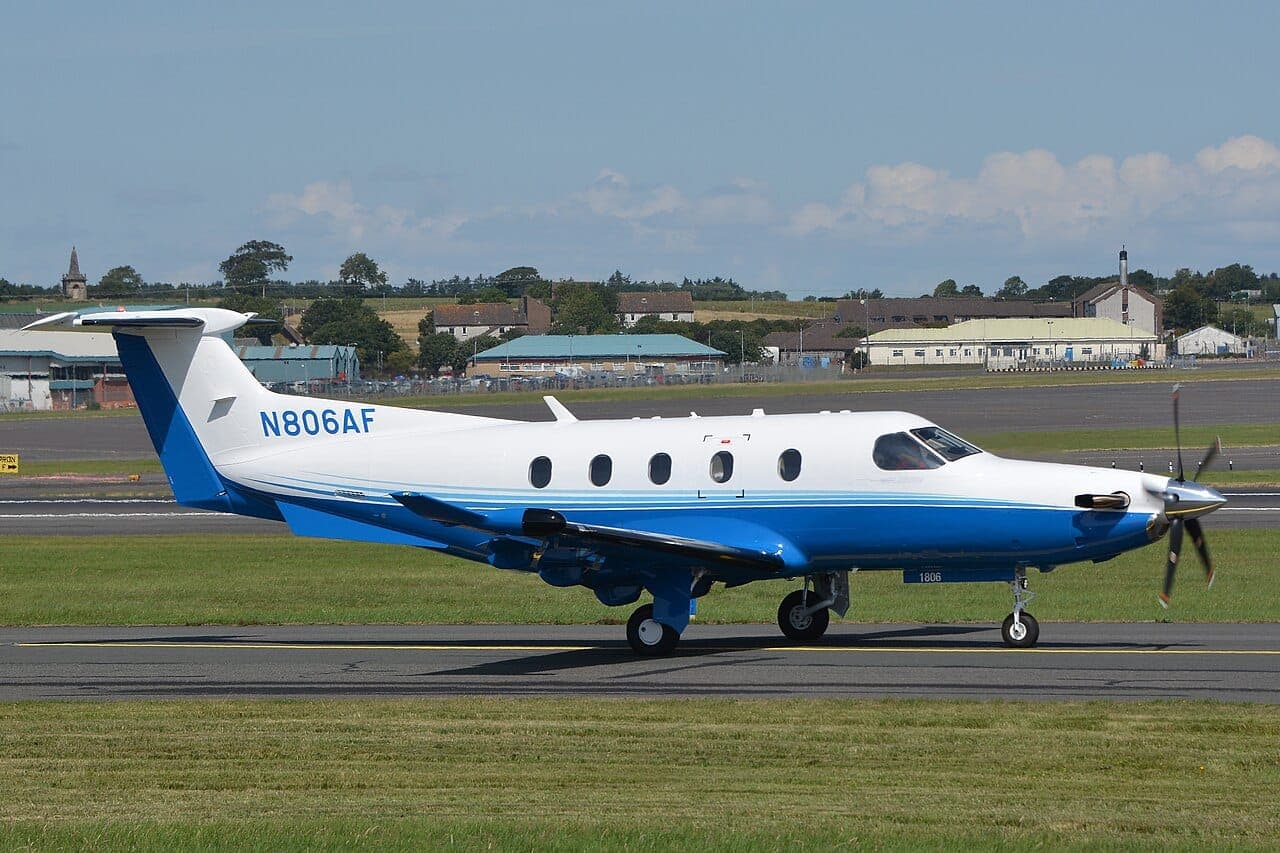
| Entry turboprop single (Piper M500/Meridian class) | 32–40 gph Jet A | $125–$200/hr | $550–$800 |
| Fast turboprop single (TBM, PC-12 class) | 55–75 gph Jet A | $150–$275/hr | $800–$1,200 |
Does cheaper Jet A help?
Less than people hope. Jet A is often a dollar or more per gallon below 100LL at the same FBO, but a PT6A-powered airplane burns more gallons per hour than the piston it replaced. A TBM at high cruise can burn close to double a Baron's total flow. You get those gallons back in speed — the fuel burn per nautical mile is not far off — but your fuel bill per flight hour still goes up.
What about overhaul costs?
This is where the two worlds differ most, and not only in size. Big-bore turbocharged piston engines run roughly 1,600 to 2,000 hours to recommended TBO, and a cylinder, turbocharger or exhaust problem can show up at any point with no warning. Pratt & Whitney Canada's PT6A variants used in these airplanes carry overhaul intervals commonly in the 3,000 to 3,600 hour range depending on model, with a hot-section inspection partway through, and the manufacturer publishes condition-based options and support plans that let you pay by the hour instead of in one lump.
A piston engine bills you in surprises. A turbine bills you on a schedule. For an owner who hates unplanned downtime, that predictability is part of what they are buying.
Heads Up: A turboprop advertised with "low time since new" can still be close to a calendar-driven inspection or an expensive life-limited component change. Ask for the engine's hot section status, cycles, and whether it is enrolled on a maintenance program — and whether that program transfers to you.
Flying411 keeps piston singles, piston twins and entry-level turboprops in one place, so you can compare the real spread between a well-equipped twin and the turboprop you are tempted by.
The Costs Nobody Quotes You
Insurance and training
This is the wall most first-time turbine buyers hit. Underwriters generally want type-specific initial training at a recognized school, a meaningful amount of mentor or dual time before you fly solo in type, and recurrent training every year after that. For a pilot moving up from a non-pressurized piston with modest total time, expect the insurer to set conditions, and expect those conditions to cost real money in the first year. Budget recurrent simulator training as an annual line item, not a one-time expense — it is closer to a gym membership you must renew than a checkride you pass once.
Inspections and infrastructure
Annual and phase inspections on a pressurized turbine single routinely land in the five figures, several times what a piston single costs. You will also want a hangar — pressurized airframes and turbine inlets do not love weather — and you need Jet A at your home field, which quietly rules out some small airports. Check runway length and width too, and whether your usual destinations can handle the wingspan and the turning radius.
Keep in Mind: Oxygen, de-ice fluid, and pressurization system service are ongoing costs that simply do not exist on most piston singles. They are small individually and add up over a year.
Where a Piston Twin Still Wins
A clean Baron 58, a Cessna 310R or a turbocharged Aerostar does things an entry turboprop does not. It costs a fraction to acquire. It carries a second engine for the pilot who wants redundancy over water or at night. Parts and mechanics are everywhere. And the per-hour gap is large enough that you can fly a twin a lot of hours before the total spend approaches a turboprop year.
Our comparison of the Baron 58 and Cessna 310R covers how two of the most common cabin-class pistons stack up, and the roundup of the best twin-engine piston aircraft is a useful shopping list if you decide the step is to a twin rather than a turbine.
The honest weakness of the piston twin is the thing owners complain about most: two of everything to maintain, and two chances for something to be out of service on the morning you planned to leave. A single-engine turboprop has one engine to feed, and that engine almost never stops you.
Good to Know: Many owners who moved up did not go from a twin to a turboprop. They went from a high-performance single straight to a single-engine turboprop, skipping the piston twin entirely — one engine, one set of overhauls, far better weather capability.
What "Entry-Level Turboprop" Really Means
The term covers a wide spread. At the affordable end sit older pressurized singles and used light twins; at the top are airplanes that cost more than a light jet.
| Model | Seats | Typical cruise | Who it suits |
| Piper Meridian / M500 | 6 | Around 260 kt | Lowest-cost route into a pressurized PT6A single; modest cabin and payload |
| Piper M600/SLS | 6 | Around 274 kt | More range and payload than the M500, with an autoland option |
| Daher TBM series | 6 | Up to about 330 kt | Owner-pilots who want jet-like speed on one engine |
| Pilatus PC-12 | 6–9 | Around 280–290 kt | Load hauling, rough strips, family or small-company use |
| Cessna 208 Caravan | 9–13 | Around 175 kt | Payload and short fields, not speed |
| Beechcraft King Air C90 | 6–8 | Around 225–245 kt | Two engines and a real cabin, at the cost of two overhauls |
If speed is the point, our list of the fastest single-engine turboprops sorts them by what they actually cruise at, and the best single-engine turboprops for the money leans toward value per dollar. For the twin-turbine side, see the best twin turboprops, and if you are weighing the two headline singles against each other, the Denali versus PC-12 comparison gets into cabin and payload specifics.
Pro Tip: Before you shop, fly a few of your real trips on paper. Same dates, same weather, same passengers and bags. Count the fuel stops, the cancellations, and the nights away. That spreadsheet will tell you more than any demo flight.
Flying411 lists entry-level turboprops alongside the twins and singles buyers cross-shop them with, so you can see the whole ladder before you commit to a rung.
Key Takeaways
A turboprop earns its keep when your flying is long, frequent, weather-exposed, and loaded. Around 150 hours a year or more, on trips that benefit from greater speed, range, and altitude, the upgrade can become easier to justify. Using the estimates in this guide, an entry-level turboprop single may cost roughly 20 to 80 percent more per flight hour than a piston twin, while faster and larger turboprops can cost considerably more. Fixed expenses such as recurrent training, insurance, inspections, and hangar space also raise total ownership costs. The genuine payoff is improved performance, greater mission flexibility, and potentially better dispatch reliability. If your trips are mostly under 300 nm and you fly fewer than 100 hours a year, a well-maintained piston aircraft will often accomplish the same mission for less money. The upgrade should be driven by your flying needs, not just the appeal of turbine power.
Making the Call Without Guessing
Run the numbers against the flying you did last year, not the flying you hope to do. Add insurance quotes from a broker who knows turbines before you sign anything, because the training requirements attached to those quotes shape your first year as much as the purchase price does. Then look at what a comparable piston would cost over the same period and be honest about the gap. Stepping up to an entry-level turboprop is the right move for a specific kind of owner — the one who flies a lot, flies far, and cannot afford to cancel — and an expensive hobby for everyone else.
When you are ready to compare listings, visitFlying411and see what is on the market today.
Frequently Asked Questions
How many hours a year do you need to justify a turboprop?
There is no official threshold, but owners and brokers generally point to about 150 to 250 hours a year, flown on legs long enough to use the speed. Below roughly 100 hours, the fixed costs — training, insurance, inspections, hangar — get spread too thin and the per-hour number looks punishing.
Is a single-engine turboprop safer than a piston twin?
They fail differently. Turbine engines have a markedly lower in-flight shutdown rate than piston engines, so the single-engine turboprop rarely faces the emergency. A piston twin gives you a second engine but adds the engine-out handling problem that has historically been a factor in light twin accidents. Training and currency matter more than engine count in either airplane.
Can I insure a turboprop as a first-time turbine pilot?
Usually yes, with conditions. Expect the underwriter to require type-specific initial training at a recognized school, a set number of hours of dual or mentor time before solo flight in type, an instrument rating, and annual recurrent training. Total time and recent time in high-performance, pressurized aircraft will shape both the premium and the conditions.
Should I buy a used King Air instead of a new turboprop single?
A used King Air C90 buys you two engines and a larger cabin for far less acquisition money, but you then carry two PT6A overhauls, two propellers, and twin-engine maintenance. If you need the seats and the cabin, it can be the better value. If you are flying with two or three people and want the lowest total cost of turbine ownership, a single-engine turboprop usually wins.