The most expensive scheduling mistake in a used airplane deal is waiting until the purchase agreement is signed to call a shop about the pre-buy inspection. By then the deposit is sitting in escrow, the insurance quote has a 30-day shelf life, the loan commitment has an expiration date, and the one shop that actually knows the type is booked six weeks out. Buyers in that spot either pay a premium to jump a queue, settle for a shop that has never opened that cowling before, or watch a nervous seller take a backup offer. Knowing how long it takes to close on a used aircraft before you sign is what keeps that from happening to you.
Here is the realistic calendar. A clean, cash, single-engine piston deal with a cooperative seller and an available shop usually runs 30 to 45 days from handshake to funds release. Add financing and you are at 45 to 60. Add a lien that needs paying off, an out-of-state ferry flight, or a turbine airplane with a records review, and 60 to 120 days is normal. Below is every step in the order you actually do it, what each one needs, and the specific thing that goes wrong.
Step 1: Get the deal on paper before anything else moves
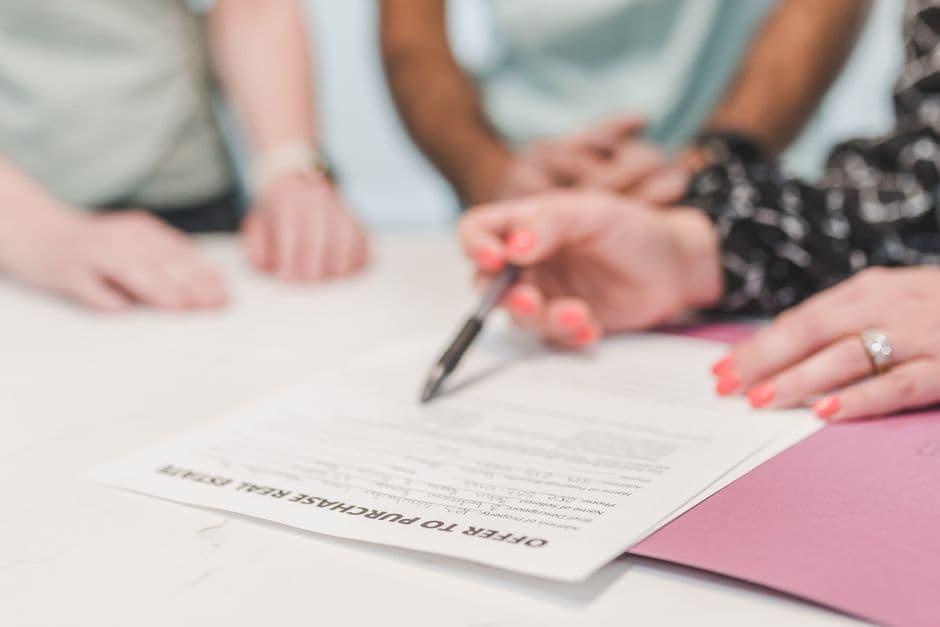
Nothing in the chain starts until there is a written agreement. That can be a short letter of intent followed by a purchase agreement, or a single purchase agreement if both sides are moving fast. What it must contain: the price, the deposit amount, the aircraft's N-number and serial number, who pays for what during the pre-buy, where the inspection happens, who ferries the airplane, the delivery condition (fresh annual or not), and a hard date by which you can walk and get your deposit back.
Typical time: one to seven days. Two parties who already agree can do it in an afternoon with a type club or broker template. Two attorneys trading redlines can burn two weeks.
What goes wrong: a vague "subject to a satisfactory pre-buy" clause with no definition of satisfactory and no deadline. That single sentence is the source of most deposit fights. Spell out who decides, what dollar threshold triggers a renegotiation, and when the window closes. If you have not already settled on your number, work through how to negotiate a used aircraft price before you sign, not after the pre-buy report lands.
Pro Tip: Call two or three candidate inspection shops while the agreement is being drafted and ask for their next open slot. Put that date in the contract. You have just removed the single biggest delay from the deal.
Step 2: Open escrow and wire the deposit
Escrow is the aircraft version of the title company at a house closing: a neutral third party holds the money and the signed documents, and nothing moves until both sides have performed. Most aircraft escrow agents sit in Oklahoma City because that is where the FAA Civil Aviation Registry is, which means they can hand-file your documents the same day you close.
Opening escrow takes one to two business days. You send the signed agreement, both parties complete the escrow instructions and provide identification, and the deposit goes out by wire. Deposits on light aircraft commonly run 5 to 10 percent of the purchase price, or a flat figure such as $5,000 to $10,000. Escrow fees for a piston single generally fall in the few-hundred to roughly $1,500 range depending on whether title work and lien filings are bundled in.
What goes wrong: wire fraud and wire timing. Confirm escrow wiring instructions by phone using a number you looked up yourself, never a number in an email. And remember that a wire sent after your bank's afternoon cutoff lands the next business day, which on a Friday means Monday.
Our deeper walkthrough of how aircraft escrow works covers what the agent will and will not do for you.
Step 3: Order the title search the same day escrow opens
An aircraft title search reviews the FAA's recorded ownership, security and lien documents for the aircraft, including unreleased interests appearing in the registry. However, not every potentially enforceable lien is necessarily recorded with the FAA. State law, unrecorded claims and applicable International Registry interests may require additional investigation, so buyers should use a qualified aircraft title professional when clearing ownership and security interests. For aircraft covered by the Cape Town Convention, the search also has to cover the International Registry. Cape Town Convention eligibility depends on the specific aircraft object. Airframes qualify when type certificated to transport at least eight people, including crew, or goods exceeding 2,750 kilograms. Helicopters qualify when certificated for at least five people, including crew, or goods exceeding 450 kilograms. Separately, piston or turbine aircraft engines qualify at 550 rated takeoff horsepower or more, while jet engines qualify at 1,750 pounds of thrust or more. These thresholds mean that many business jets and turboprops qualify, but buyers should verify the eligibility of the particular airframe and engines before relying on an International Registry search.
Typical time: one to five business days for the search itself. Title searches commonly cost in the $150 to $400 range, and optional title insurance adds more.
What goes wrong: the search is ordered late. Buyers often treat the title search as a closing-day formality, but it is the step most likely to uncover a problem that takes weeks to fix. Order it on day one so you have the whole pre-buy period to deal with whatever turns up. Our article on title searches and lien checks explains what the report shows and how to read it.
Fun Fact: The FAA's aircraft records are a public, serial-number-based chain of title that goes back to the aircraft's first registration. A 1968 Skylane may have forty documents on file, and any one of them that was recorded improperly in 1974 is still sitting there waiting for someone to notice.
Step 4: Clear every lien and recorded cloud
This is the step that quietly adds the most calendar time after pre-buy scheduling, and it is almost entirely outside your control. If the seller has a current loan, the lender issues a payoff letter good through a specific date, and at closing the escrow agent pays the lender directly and receives an AC Form 8050-41 Release of Lien in exchange. That part is routine and can happen in days.
The ugly version is an old lien that was paid off years ago and never released. Now you need a release from a bank that merged twice, a finance company that dissolved, or an estate. Finding the right department and getting a signed release can take two to six weeks, sometimes longer. A dead company may require a corporate affidavit or a court filing.
Typical time: two to five business days for a current, cooperative lender; two to six-plus weeks for a stale or orphaned lien.
What goes wrong: the seller did not know the lien existed. Sellers are routinely surprised by a 1990s security agreement against their airplane. Expect to be the one who discovers it, and expect to be patient while it clears. Do not close around it on a promise.
Flying411 keeps current listings, specs and ownership guides in one place, so you can compare candidate aircraft side by side before you spend a dollar on title work.
Step 5: Book and run the pre-buy inspection
The pre-buy is the long pole in the tent. The inspection itself is short; getting on a good shop's calendar is not. A respected type-specialist shop for a Bonanza, a Cirrus, a Baron or a King Air is frequently booked two to eight weeks out, and a few of the best are longer in spring and early summer when everyone is buying.
Once the airplane is in the hangar, plan on:
- Simple fixed-gear piston single: one to three days on the airframe, plus a borescope and compression check.
- Complex single or light twin: three to five days, more if the gear needs swinging and rigging checked.
- Turboprop or jet: one to two weeks, plus a separate records and airworthiness-directive review that may run in parallel.
- Records review: a day for a tidy logbook set, several days for a 50-year-old airplane with four binders and three damage-history entries.
Add ferry time if the airplane is not already at the shop. A 500-mile repositioning flight sounds like a morning; in practice weather, a maintenance squawk or a pilot's day job turns it into a week.
What goes wrong, in order of frequency: the shop slot was not reserved early, the seller resists releasing logbooks for scanning, the airplane goes unairworthy mid-inspection and cannot fly home, and the inspection scope was never written down so the buyer and seller argue about whether a compression check was included. Write the scope into the purchase agreement. If you are buying a trainer, our Cessna 172 pre-buy checklist shows the level of detail to ask for; rotorcraft buyers should see the Robinson R44 pre-purchase guide.
Heads Up: A pre-buy that uncovers a corroded spar carry-through or a cracked crankcase does not end the deal in a day. It starts a new round of estimates, which means waiting on parts pricing and shop quotes. Budget a week of calendar time for "we found something" even when the fix is straightforward.
Step 6: Run financing, insurance and appraisal in parallel
These three can all happen while the airplane is in the shop, and they should. Run sequentially, they add a month to the deal for no reason.
Financing: most aircraft lenders can issue a credit approval in a few business days with a complete application, and a full commitment in one to three weeks. Expect to provide tax returns, a personal financial statement and the aircraft's specification sheet. Lenders typically want an appraisal or a desktop valuation, proof of insurance naming them as lienholder, and a title report. Their closing requirements are the reason financed deals run longer than cash deals.
Insurance: a quote takes a few days once the broker has your pilot history. Binding happens the day before or the morning of closing. Low-time pilots stepping into high-performance, retractable or turbine aircraft are the ones who hit delays, because underwriters may require a specific training course and a set number of dual hours before they will bind, and scheduling that instructor is its own small project.
Appraisal: a professional appraisal generally takes a few days to two weeks depending on whether it is a desktop review or a physical inspection. Our guide to aircraft appraisal cost breaks down what drives the fee, and appraisal versus online valuation covers when you need a formal one at all.
Also decide now how you will hold title. An LLC or a trust requires organizational documents, an EIN and sometimes a registered agent, and the FAA will reject a registration application where the entity paperwork does not match. Read LLC vs trust for titling your airplane before closing week, not during it.
Keep in Mind: Where the airplane changes hands can change your tax bill by five figures. State sales and use tax usually keys off the delivery location and where the aircraft is based afterward. Ask a tax advisor early, because moving the closing location after the fact is not an option.
Step 7: Close, fund and file with the FAA
Closing day itself is fast when everything upstream is done. The seller signs AC Form 8050-2 Aircraft Bill of Sale, the buyer completes AC Form 8050-1 Aircraft Registration Application, lien releases are delivered, the buyer wires the balance, and the escrow agent files the documents with the Civil Aviation Registry and releases funds. For Cape Town-eligible aircraft, the International Registry filings happen the same day. Elapsed time: a few hours to one business day.
Two practical details catch people. First, First, AC Form 8050-1 is the FAA's aircraft registration application. The FAA provides the current form online and offers limited electronic registration services, including digital signatures for eligible transactions. For a qualifying paper application, the appropriate copy serves as temporary operating authority and must be carried aboard the aircraft. Follow the FAA's current instructions for the filing method used. Second, under 14 CFR Section 47.31(c), the properly completed aircraft registration application can provide temporary authority to operate an eligible, previously U.S.-registered aircraft within the United States while the FAA processes the application. Since January 23, 2023, this authority is no longer limited to 90 days. It generally remains valid until the FAA issues the registration certificate, denies the application, or an applicable regulatory limitation ends the temporary authority. If your first flight is international, you need a telegraphic or temporary certificate of registration from the FAA instead, which takes extra lead time.
Then comes the part no one can speed up: FAA processing. The Registry posts the date of the applications it is currently working, and over the past several years that queue has ranged from roughly two weeks to several months depending on staffing and volume. Since 2023 the certificates the FAA issues are good for seven years rather than three, which removed a lot of renewal traffic, but you should still check the posted processing date rather than assume. Our walkthrough of the aircraft closing process and FAA filing covers the document set in detail, and how to transfer title using a bill of sale walks through the forms themselves.
What goes wrong: a signature that does not match the name on the FAA record, a missing middle initial, an entity signer without a stated title, or a bill of sale dated before the lien release. Any of those gets the package returned, and a returned package goes to the back of the line. This is exactly what transferring ownership without legal delays is written to prevent.
Flying411 keeps aircraft listings and the ownership paperwork guides in one place, so you can compare what a type costs to buy against what it costs to own.
The whole timeline at a glance
| Step | What you need | Typical time |
| 1. Purchase agreement or LOI | Price, deposit, N-number and serial, pre-buy scope and location, walk-away date | 1–7 days |
| 2. Open escrow, wire deposit | Signed agreement, escrow instructions, ID, verified wire instructions | 1–2 business days |
| 3. Title search | Serial number, registration number, escrow or title agent; International Registry search if Cape Town-eligible | 1–5 business days |
| 4. Lien clearing | Payoff letter, AC Form 8050-41 Release of Lien, lender contact | 2–5 days current lender; 2–6+ weeks for a stale lien |
| 5. Pre-buy inspection | Shop slot, ferry plan, logbooks released, written inspection scope | 2–8 weeks to get a slot; 1 day–2 weeks on the airplane |
| 6. Financing, insurance, appraisal | Financials, pilot history, spec sheet, title report, lender-required appraisal | 1–3 weeks, run in parallel with step 5 |
| 7. Closing and FAA filing | AC Form 8050-2 bill of sale, AC Form 8050-1 registration application, lien releases, balance wire | Hours to 1 business day to close; weeks to months for FAA processing |
Add it up and a clean cash piston deal with an open shop slot is a four-to-six week project. Introduce a loan, a lien, or a popular shop with a long book, and eight to twelve weeks is ordinary rather than unlucky.
Where the weeks actually hide
Three things account for nearly all the schedule risk, and only one of them is about the airplane. Pre-buy availability is first, and it is the one you control completely by calling shops before you sign. Lien releases are second, and the only defense is ordering the title search on day one so a problem surfaces with a month of runway rather than two days. Lender and underwriter conditions are third, and they get solved by starting the loan application and the insurance quote the same week you open escrow rather than after the pre-buy comes back clean.
Everything else — escrow setup, the closing itself, the bill of sale — is measured in hours. The FAA's own processing queue is the one delay nobody can shorten, which is why the pink copy of your registration application exists in the first place. If you have been shopping long enough to be weighing one candidate against another, it helps to know whether the number on the listing is realistic before you commit a deposit and a calendar; asking price versus actual sale price and the signs an aircraft is overpriced are the two to read first. Understanding how long it takes to close on a used aircraft is really about sequencing: do the slow things first, run the independent things side by side, and the closing becomes the short, boring day it should be.
Flying411 keeps listings, buying guides and valuation tools in one place, so you can compare aircraft and their paperwork realities before you open escrow.
When you are ready to compare listings, visitFlying411and see what is on the market today.
Frequently Asked Questions
Can I fly the airplane home the day I close?
Usually yes, provided the aircraft is airworthy, the required registration documents have been properly submitted, and the applicable temporary operating authority is valid. Under 14 CFR Section 47.31(c), qualifying applicants can use the aircraft registration application's temporary authority within the United States while the FAA processes registration, without the former 90-day limit. International flights require appropriate registration documentation, which may include an FAA-issued temporary certificate of registration arranged in advance.
What is the fastest a used aircraft deal can realistically close?
About seven to ten days, and only when the stars line up: cash buyer, clean title with no liens, a shop with an immediate opening or a recent independent pre-buy the buyer trusts, the airplane already at the inspection location, and an insurance broker who can bind quickly. Most deals do not have all five, which is why four to six weeks is the honest average for a straightforward piston purchase.
Should I pay for the title search before or after the pre-buy?
Before. A title search costs a few hundred dollars and takes days; an unreleased lien can take weeks to clear. Finding it at the start of the deal means it resolves while the airplane is in the shop. Finding it the week you planned to close means you either delay or close with a cloud on the title, and the second option is not an option.
Who pays for the pre-buy inspection and any repairs it finds?
The buyer normally pays for the inspection, and who pays for the discrepancies is whatever your purchase agreement says. A common split is that the seller covers airworthiness items, including open airworthiness directives, while the buyer accepts cosmetic and wear items. Agree on that split in writing before the airplane goes into the shop, with a dollar threshold above which either party can walk.