Can you legally help with your own annual inspection, and does it actually save money? Yes to both, with limits: an owner-assisted annual lets you do the grunt work — panels, fairings, seats, cowling, cleaning, plugs, oil — under an A&P's supervision, while the inspection itself and every return-to-service signature stay with the mechanic. On a simple fixed-gear single, owners commonly knock several hundred dollars off the labor side. Nobody saves money on the parts.
The catch is that most of what goes wrong with owner-assist is not mechanical. It is paperwork, scheduling, and a shop that never agreed to the arrangement in the first place. Here is the checklist, in the order you should work through it.
Your Legal Standing: Certificate, Ownership, Operating Rule
Before you touch a screwdriver, three facts about you and the airplane decide what you are allowed to do. Get these wrong and the work is unapproved maintenance, which is a much bigger problem than a missed oil change.
- Check your pilot certificate. Under 14 CFR Section 43.3(g), a pilot holding an appropriate Part 61 certificate may perform authorized preventive maintenance on an aircraft they own or operate, provided the applicable operating restrictions are satisfied. Good answer: you hold a private, commercial or ATP certificate and genuinely own or operate the airplane, even if your name is not personally listed on its registration. Bad answer: you assume your pilot certificate alone authorizes you to maintain any friend's airplane, regardless of whether you own or operate it.
- Check the certificate category if you fly light-sport. The same rule says a sport pilot certificate holder may perform preventive maintenance on an aircraft owned or operated by that pilot and issued a special airworthiness certificate in the light-sport category. Bad answer: a sport pilot assuming the privilege carries over to a standard-category Cessna 150.
- Check how the airplane is operated. The owner privilege does not apply to aircraft used under Part 121, 129 or 135. Good answer: a personally owned Part 91 airplane, or one leased back for Part 91 flight instruction and rental. Bad answer: your Bonanza is on a charter certificate — then the operator's maintenance program governs, and you are a passenger in that process.
- Check who actually owns it. A partnership, LLC or trust complicates the picture. Good answer: you are a named member of the owning LLC and you operate the aircraft. Bad answer: the registration shows a trustee bank and nobody has written down who the operator is.
Why It Matters: maintenance performed by someone not authorized to perform it does not become legal because an IA signs the annual afterward. The inspection signature certifies the aircraft was inspected and found airworthy — it is not a blanket blessing of everything that happened that week.
What You Can Do On Your Own Signature
Part 43 Appendix A, paragraph (c), lists the preventive maintenance items a qualified owner-pilot may perform and sign for without a mechanic present. It is a closed list — if the task is not on it, it is not preventive maintenance, no matter how simple it looks. Think of it the way you think of the minimum equipment list: the list is the list.
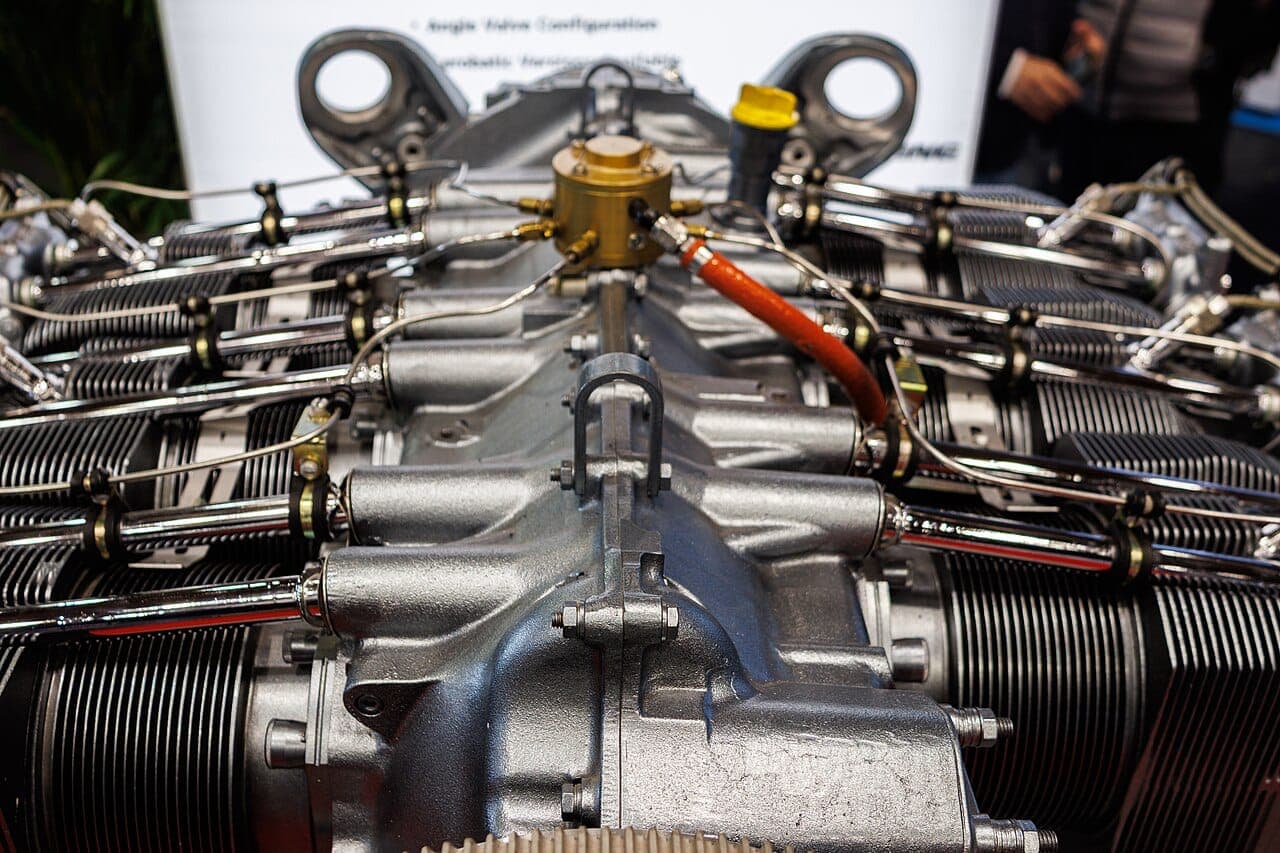
- Spark plugs. Removing, cleaning, replacing and setting gap clearance is item (c)(20) on that list. Good: you pull, clean, gap, rotate and torque the plugs with a calibrated wrench and log it. Bad: you also decide to "adjust" a magneto while you are in there — magneto timing is not preventive maintenance.
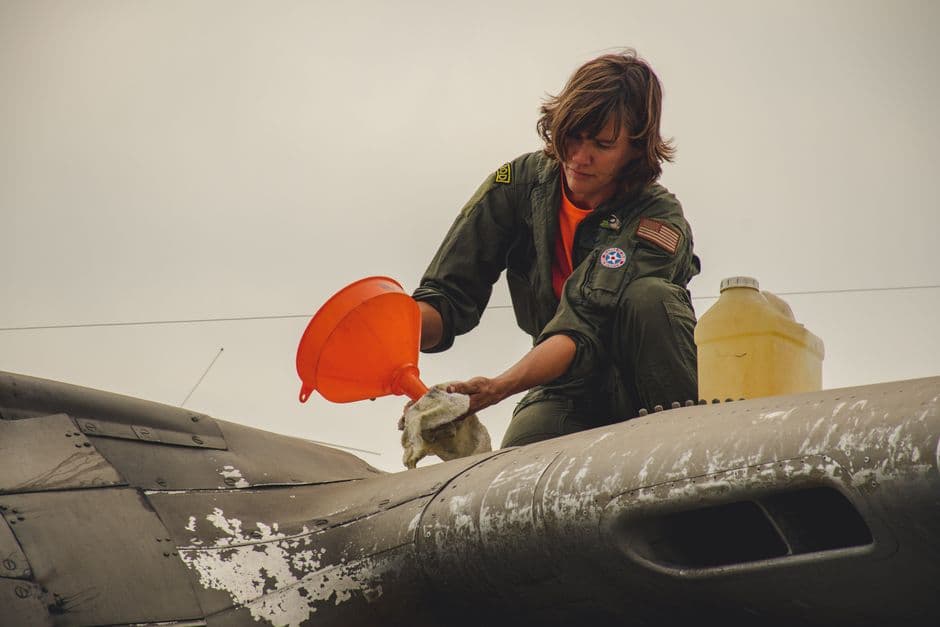
- Oil and filter. The FAA has long treated an engine oil and filter change as falling within the preventive maintenance items covering lubrication and the cleaning or replacement of oil filter elements. Good: drain, change the filter, cut and inspect the old element, safety-wire properly, log it. Bad: a filter installed without safety wire, or no entry at all.
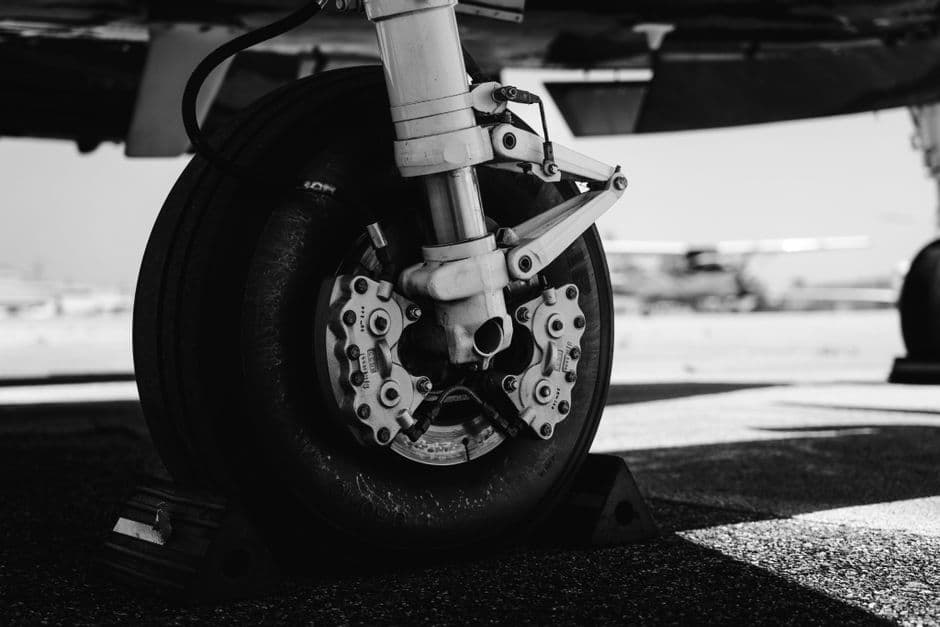
- Wheels, tires, bearings and brakes within the list. Part 43 Appendix A permits eligible pilots to remove, install and repair landing gear tires; service wheel bearings; replace wheels where no weight-and-balance computation is involved; and service shock struts with approved air or oil. Owners may also replace or service certain brake components when the work qualifies as preventive maintenance under applicable FAA guidance. However, more extensive brake repairs, hydraulic-system work and tasks involving complex assembly operations require an appropriately authorized mechanic. Always follow the aircraft's maintenance instructions and verify that the specific job qualifies before beginning.
- Batteries, bulbs, lenses, filters, hoses. Replacing and servicing batteries, replacing bulbs, reflectors and lenses of position and landing lights, cleaning or replacing fuel and oil strainers, replacing hose connections other than hydraulic, and replacing prefabricated fuel lines are all listed items. Good: old battery capacity-checked and the replacement logged. Bad: swapping an alternator because it is "basically electrical."
- Interior and cosmetics. Replacing seats or seat parts with approved parts, replacing safety belts, repairing upholstery, replacing side windows and refinishing decorative coatings are all on the list, each with the proviso that no primary structure or operating system is disassembled. Good: new belts with the correct TSO and part number, logged with the part numbers. Bad: belts bought on an auction site with no traceability.
- Tray-mounted radios and database updates. Part 43 Appendix A(c)(31) allows eligible pilots to remove and reinstall certain self-contained, tray-mounted navigation and communication units, excluding transponders, DME and automatic flight-control systems. The installation must meet the rule's conditions, including required operational checks. Navigation database updates are addressed separately under 14 CFR Section 43.3(k) and are not considered maintenance when performed from the cockpit without disassembly or special tools, following the manufacturer's instructions. Rewiring or installing a different avionics system is not covered by these privileges.
Our companion piece on owner maintenance and how to log it walks the full Appendix A list item by item, which is worth reading once before your first owner-assist annual so you know where the fence is.
Flying411 keeps aircraft listings, ownership guides and maintenance explainers in one place, so you can compare what a model costs to buy against what it will cost you to keep.
What You Can Do Under a Mechanic's Supervision
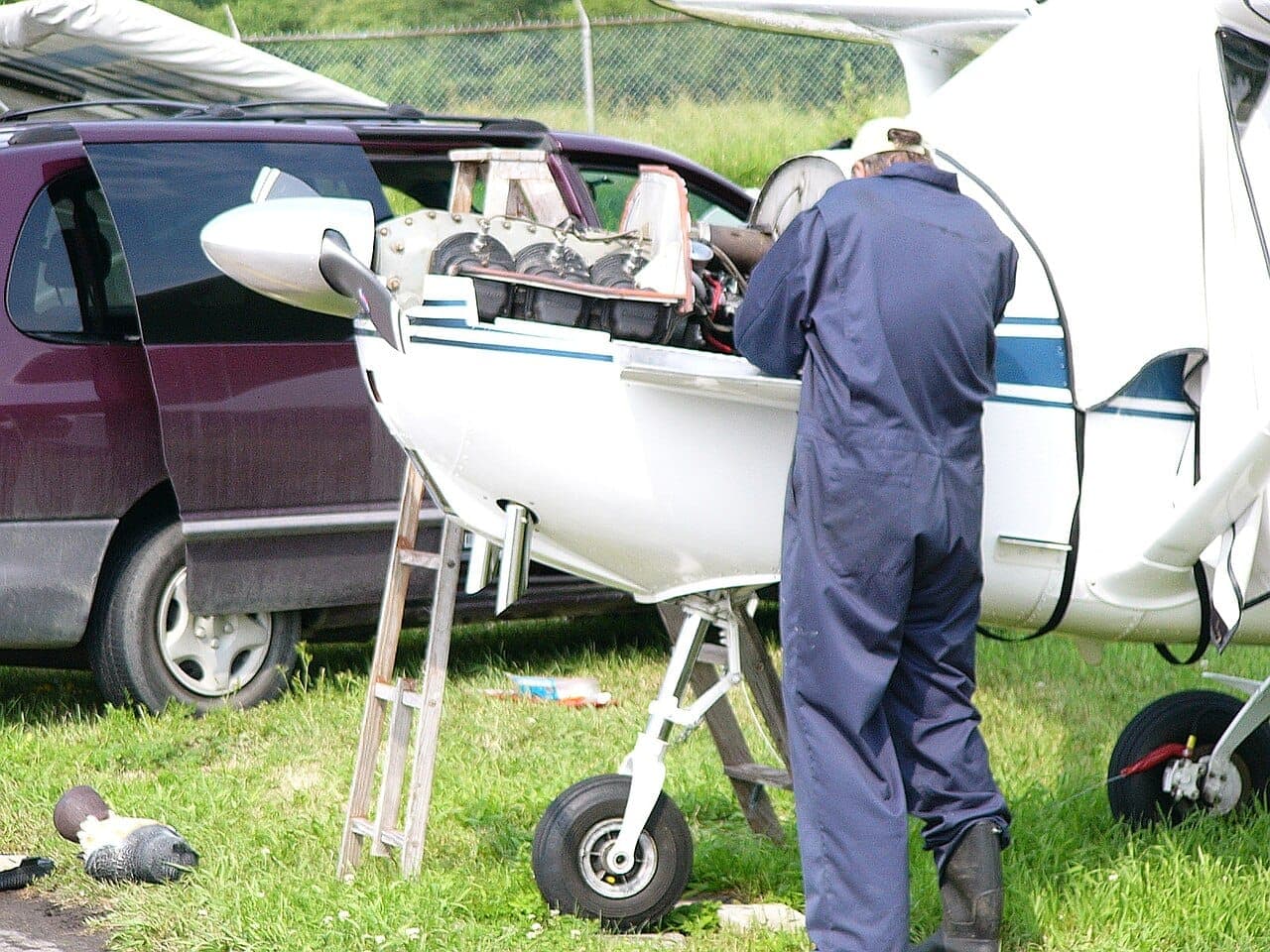
This is where the real savings live. Under 14 CFR 43.3(d), a person can perform maintenance that a certificated mechanic is authorized to perform, if that mechanic supervises the work. The supervising mechanic has to personally observe the job to the extent necessary to make sure it is being done properly, and be readily available in person for consultation. That is the legal basis for an owner spending a morning pulling inspection panels while the IA works three feet away.
- Disassembly and reassembly. Inspection plates, belly panels, fairings, cowling, seats, carpet, side panels, spinner. Good: the shop hands you a diagram, you bag and label hardware by location. Bad: a coffee can of mixed screws and three stripped nutplates at reassembly.
- Cleaning. A degreased belly and a clean engine compartment make leaks visible. Mechanics will tell you a dirty airplane hides its own squawks. Good: you clean before the inspection starts, not after. Bad: cleaning so aggressively that you wash away the evidence of a seep the IA needed to see.
- Lubrication and rigging checks. Greasing, cable tension checks and control throw measurements, done with the mechanic calling the numbers. Good: you record every reading on the shop's worksheet. Bad: adjusting a turnbuckle on your own judgment.
- Fetching, holding and documenting. Running parts, photographing hard-to-see areas with your phone, pulling AD listings and service bulletin numbers for the model. Good: you arrive with a printed AD compliance list and the logbooks tabbed. Bad: the IA spends two billable hours doing records research you could have done at the kitchen table.
Pro Tip: photograph every panel before you remove it and every connection before you disconnect it. The cheapest hour in an owner-assisted annual is the one you do not spend arguing about where a bracket came from.
The Hard Limits: What Stays With the IA
Supervision does not stretch infinitely. The same rule that lets a mechanic supervise your work explicitly says the supervisor may not supervise the performance of an inspection required by Part 91 or Part 125, nor an inspection required under 135.411(a)(1). The annual is a Part 91 inspection. That means the inspection itself is not delegable to you under any arrangement.
- The inspection. Checking each item on the Part 43 Appendix D scope-and-detail list against the aircraft is the IA's job. Good: the IA walks the airplane with the checklist while you stand by. Bad: a shop that hands you a checklist and says "tick what you looked at."
- Approval for return to service. An annual inspection must be completed and approved by someone legally authorized to do so, such as a mechanic holding Inspection Authorization or an appropriately rated certificated repair station. An A&P may approve maintenance within the privileges of their certificate, while an eligible pilot may approve only the preventive maintenance they personally performed. Assisting with other work under supervision does not give the owner authority to approve that work or sign the annual inspection.
- Compression testing and engine judgment calls. You can turn the prop and read the gauge if the mechanic asks, but the interpretation is theirs. Our guide on low compression at annual explains why a single low cylinder is a diagnostic starting point, not a verdict.
- AD compliance determinations. You can research and organize; the mechanic determines compliance and records it. An unexpected engine airworthiness directive is the single most common reason an owner-assist annual blows through its budget.
- Anything major. Major repairs and major alterations require the appropriate approval and an FAA Form 337. Not your signature, not your call.
Setting It Up With the Shop
Plenty of shops will not do owner-assist, and that is a legitimate business decision, not an insult. The mechanic's certificate is on the line, their liability insurer may have an opinion, and babysitting a slow owner can cost them more time than doing the job alone. Sort this out on the phone weeks before the airplane is due, not on the morning you arrive with a toolbox.
- Ask the policy directly. "Do you allow owner-assist, and what do you let owners do?" Good answer: a clear list, a written rate, and a named supervising mechanic. Bad answer: "sure, whatever" — a shop with no structure around it has not thought about the liability and will improvise at your expense.
- Get the labor arrangement in writing. Some shops bill a reduced flat rate for the inspection when the owner does the opening and closing. Others bill supervision time at the full rate, which can erase the savings. Good: a quote that states the base inspection price with owner assist and without. Bad: "we'll see how it goes."
- Confirm insurance and hangar access. Ask whether their insurance allows non-employees in the hangar and whether you need to sign a waiver. Good: they already have a form. Bad: nobody has asked before.
- Agree on parts. Owner-supplied parts may save markup but require careful verification. Good: eligible replacement parts with appropriate identification, traceability and supporting documentation, accepted by the shop before installation. FAA Form 8130-3 may accompany a part, but it is not universally required for every component. Bad: purchasing a used part of unknown history without confirming that the mechanic can legally install it.
- Book the calendar realistically. An owner-assist annual on a simple single typically runs two to four days, longer if squawks turn up. Good: you take the time off and stay until it is done. Bad: you disappear after day one and the airplane sits open, occupying a bay the shop needs.
Heads Up: if this is the first annual after you bought the airplane, it is the worst one to volunteer for. A new-to-you aircraft usually surfaces deferred items the previous owner lived with, and you will be learning the airframe and negotiating repairs at the same time.
What Owner-Assist Actually Saves
Here is the honest arithmetic. Shop labor at general aviation piston maintenance facilities commonly ran roughly $95 to $165 an hour through 2025, with metro-area and turbine shops higher. The part of the annual you can influence is the inspection labor — the opening, cleaning, closing and routine servicing. You cannot influence parts, AD compliance, or the cost of whatever the inspection finds.
Shops typically quote a base annual inspection — inspection only, no squawks — in these ranges, and the owner-assist saving tends to land between 20 and 35 percent of that base figure:
| Aircraft | Typical base inspection, 2025 | Realistic owner-assist saving |
| Fixed-gear single (172, Cherokee) | $1,200 – $2,500 | $300 – $800 |
| Retractable single (Bonanza, Mooney, Arrow) | $2,000 – $3,500 | $500 – $1,000 |
| Light piston twin | $3,000 – $5,500 | $700 – $1,500 |
| Turbine single or light jet | Program or flat-rate; owner-assist rare | Usually none |
Those are ranges, not quotes. What they tell you is the shape of the thing: on a trainer, owner-assist is worth a few hundred dollars and a long weekend. If the inspection turns up a cracked exhaust, a leaking fuel bladder and a jug that will not hold pressure, your savings disappear into the repair bill in an afternoon.
Good to Know: the money is the smaller half of the return. Owners who do two or three assisted annuals learn where their airplane corrodes, which hoses are original, and how to spot a developing problem on a preflight. That knowledge shows up later as squawks caught early instead of discovered on a trip.
Flying411 keeps model guides, operating-cost breakdowns and current listings in one place, so you can compare the real annual burden of two airplanes before you commit to either.
How to Log It Correctly
Logbook entries are where owner-assist most often goes sideways, because owners either write nothing or write something that reads like a return-to-service approval they were not entitled to give. Two different regulations apply, and they produce two different entries.
Your preventive maintenance entry
Under 14 CFR 43.9, a record of maintenance or preventive maintenance must include a description of the work performed, the date of completion, the name of the person who did it, and the signature, certificate number and kind of certificate held by the person approving the work. For your own preventive maintenance, that is you. A workable entry looks like this:
- Date and times: "11/06/2026, tach 2,418.6, total time 4,902.1."
- Description: "Removed, cleaned, inspected, gapped and reinstalled eight Champion REM40E spark plugs. Torqued to 300 in-lb. Engine run and ignition check normal. Preventive maintenance per 14 CFR Part 43 Appendix A(c)(20)."
- Signature block: your signature, your certificate number, and the kind of certificate — "Private Pilot, Cert. No. XXXXXXXXX."
Bad answer: "Changed plugs — OK." No date, no certificate number, no reference to the authority you acted under. An entry like that is a question mark in the records forever, and buyers price question marks into offers.
The mechanic's entries
Work you did under supervision is signed by the supervising mechanic, not by you — their signature and certificate number approve it for return to service. The annual inspection entry is separate and governed by 43.11, which requires the type and extent of inspection, the date, the aircraft total time in service, and the signature, certificate number and kind of certificate held. If the aircraft passes, the approved wording is a certification that the aircraft "has been inspected in accordance with an annual inspection and was determined to be in an airworthy condition." If it does not pass, the IA signs a disapproval entry and gives you a dated list of discrepancies and unairworthy items.
- Check the inspection approval. Confirm that the annual inspection entry identifies the person or certificated repair station authorized to approve the inspection, with the required signature, certificate information and airworthiness determination under 14 CFR Section 43.11.
- Check the total time in service figure matches your other records. A transposed digit here haunts the logbook for decades.
- Check the AD compliance list is updated and dated, with method of compliance and next-due information for recurring ADs.
- Keep your own copies. Under 91.417 the owner is responsible for keeping maintenance records, and records of maintenance and preventive maintenance must be retained until the work is repeated, superseded, or for one year — while the big-ticket records (total time, inspection status, AD status, 337s) transfer with the aircraft.
Keep in Mind: 14 CFR 91.403 puts the primary responsibility for maintaining an aircraft in airworthy condition on the owner or operator. Doing part of the work yourself does not shift that responsibility to the shop — if anything, it sharpens it.
The Checklist at a Glance
| Item to check | What good looks like | Red flag |
| Pilot certificate and ownership | Part 61 certificate, your name on the registration or a documented operator role | Working on a friend's airplane under your privileges |
| Operating rule | Part 91 personal or instructional use | Aircraft on a Part 135 certificate |
| Task on the Appendix A list | Named item you can point to, logged with the paragraph reference | "It's simple, so it must be preventive maintenance" |
| Supervised work | Named A&P observing and available in person | Mechanic signing for work they never saw |
| The inspection itself | Performed and signed by an IA | Owner filling in the inspection checklist |
| Shop agreement | Written quote stating the owner-assist rate and scope | Verbal "we'll figure it out" with no scope |
| Parts | Eligible parts with appropriate identification and traceability, accepted by the shop | Parts of unknown origin or questionable installation eligibility |
| Your logbook entry | Date, times, full description, signature, certificate number and kind | Initials and a three-word note |
| Inspection entry | Approved 43.11 wording, IA number, correct total time | A&P number only, or missing total time |
| AD status | Updated, dated list with next-due items | No AD list, or one that stops three years ago |
Flying411 keeps listings, buying guides and inspection explainers in one place, so you can see how a thin logbook changes what an airplane is worth before you make an offer.
Before You Sign
Walk away from an owner-assist arrangement the moment the shop starts blurring who signs what. If a mechanic offers to let you "do the inspection and I'll sign it," that is not a bargain, it is a falsified record with your name attached to the airplane. The same goes for a shop that will not put the scope in writing, or that wants you to install parts you cannot document. A few hundred dollars of labor savings is never worth a logbook a future buyer cannot trust.
Get a professional opinion the moment the annual stops being routine. Corrosion in a spar area, a cylinder that will not hold pressure, an AD you cannot find compliance records for, or anything structural belongs to the IA and, in some cases, to a second shop for a fresh look. If you are weighing an inspection against a purchase decision, our comparison of a pre-buy inspection versus an annual explains why the two documents answer different questions.
When the airplane goes back together, treat the first flight as a test flight rather than a trip. Plan it the way our guide to the first flight after an annual lays out: day VFR, close to the field, no passengers, and a careful look at the belly when you shut down. Done right, an owner-assisted annual leaves you with a cleaner airplane, a shorter bill, and a much better sense of what you are flying.
When you are ready to compare listings, visitFlying411and see what is on the market today.