A great photo from the sky can stop you in your tracks. The sweeping coastline at sunrise. A city grid glowing at night. A single road cutting across an empty desert. A lot of that magic comes down to the aircraft doing the flying.
Choosing the best helicopters for aerial photography is about finding a machine that holds steady, gives the camera a clean view, and lets the pilot fly slow and low when the moment calls for it.
Drones get plenty of attention these days, and they earn it for many jobs. But for heavy camera rigs, long flights, and the kind of smooth, high-up footage that fills a movie screen, a helicopter still rules the air. The trick is knowing which one fits your work and your wallet.
Some of these aircraft cost as much as a house. Others rent by the hour. The gap between a shaky clip and a frame worth hanging on the wall often comes down to which set of rotor blades is spinning overhead.
Key Takeaways
The best helicopters for aerial photography are steady in the air, easy to see out of, and able to fly slowly without shaking the camera. The Airbus H125 is the long-running favorite for professional film and television work. The Robinson R44 and R66 are popular, budget-friendly picks for photographers and small crews. The right choice depends on your budget, your camera gear, and the kind of shots you want.
| Helicopter | Best For | Standout Trait |
| Airbus H125 (AStar) | Professional film and TV | Strong high-altitude power, proven camera platform |
| Airbus H130 (EC130) | Tours and smooth filming | Quiet, wide panoramic cabin |
| Bell 407 | Larger crews and gear | Roomy cabin, strong lift |
| Bell 206 JetRanger | Steady, classic shooting | Smooth, time-tested platform |
| MD 500 Series | Tight, agile shots | Small, nimble, quick |
| Leonardo AW109 | High-end, fast work | Twin-engine speed and comfort |
| Robinson R66 | Budget turbine filming | Smooth ride, great visibility |
| Robinson R44 | Entry-level photography | Low cost, doors-off ready |
Flying411 pulls aircraft listings, parts, and aviation pros into one place, which makes lining up helicopters like these a little easier when the sky starts calling.
What Makes a Helicopter Good for Aerial Photography
Not every helicopter is built for camera work. A good one brings together a handful of traits that work as a team to give you clean, sharp images. Here are the qualities that matter most:
- Smooth, stable flight so the camera does not pick up rotor shake
- Clear sightlines through big windows or with the doors removed
- Enough power to carry crew, cameras, and mounts with room to spare
- Low-speed control so the pilot can hover or creep along for the perfect angle
- Reliable performance at the altitude and in the weather where you plan to shoot
Each of these plays a role in the final image. Let us look at them one at a time.
Stability and Low Vibration
A helicopter is a noisy, shaky machine by nature. Spinning blades create constant vibration, and that vibration is the enemy of a sharp photo. The best camera ships are designed to soak up that motion and keep the cabin calm. A turbine engine usually runs smoother than a piston engine, which is why so many pro shooters lean toward turbine models. A steady aircraft acts like a stable camera platform, doing half the work before the shutter even clicks.
Why It Matters: A calm aircraft is the whole game in aerial work. Even tiny shakes turn a crisp photo into a blurry mess, so a smooth-flying helicopter saves you from problems you cannot fix later.
Doors-Off Access and Clear Sightlines
Shooting through a window adds glare, scratches, and reflections. That is why many photographers ask for the doors to come off. A doors-off flight gives the camera a clean, open view with nothing in the way. Some helicopters handle this better than others, and a few have wide bubble windows that work well even with the doors on. Open doors come with rules, though, and a slower top speed. Pilots plan around both.
Good to Know: Taking the doors off usually means flying slower. On a Robinson R44, for example, the aircraft is typically held to around 100 knots with the doors removed, mostly for safety and structural reasons. Your pilot will know the exact limit for the model you fly.
Power, Payload, and Altitude
Cameras, mounts, and crew add up fast. A good photo helicopter needs the muscle to lift all of it and still climb to where the shot lives. Strong high-altitude performance matters most for mountain work, hot climates, and high cities, where thin or warm air saps lifting power. More power also means a steadier hover when you are loaded down.
Power and payload are not unique to camera ships. They show up across the whole helicopter world. Heavy-lift designs built to haul cargo, like the matchup between the Chinook and the Black Hawk, lean on sheer muscle. Military scouts and gunships, such as the Apache next to the Comanche, carry stabilized optics that share family ties with the gimbals filmmakers use today. Classic utility birds, including the Huey beside the Black Hawk, earned their name by being steady and dependable. For a stranger comparison, the helicopter versus the ornithopter shows how rotor flight stacks up against flapping-wing ideas, and the playful helicopter against a tank is there for anyone who loves a what-if.
Hovering and Low-Speed Control
Sometimes the best shot needs the aircraft to stop and hold still. A helicopter that hovers cleanly lets the photographer line up a frame, wait for the light, and shoot without rushing. Low-speed control also helps with slow tracking passes, where the aircraft drifts gently alongside a subject. This is one big edge helicopters have over fixed-wing planes, which cannot stop in mid-air.
Helicopters vs Drones for Aerial Photography
Drones changed aerial work in a big way. They are cheap, easy to launch, and perfect for low shots. But they have limits, and helicopters still win for certain jobs. The two tools solve different problems.
| Factor | Helicopter | Drone |
| Altitude | Very high, depending on the model | Usually capped around 400 feet by rules |
| Range | Long, often hundreds of miles | Short, limited by battery life |
| Payload | Heavy cinema cameras and mounts | Lighter cameras only |
| Crew | Pilot plus camera operator on board | Operated from the ground |
| Cost | Higher per hour | Much lower to run |
For sweeping, high-altitude footage and big productions, aerial filming from a helicopter is hard to beat. For tight, low, close-in work on a budget, a drone often makes more sense. Many working crews keep both in the kit and pick the right one for each scene.
The Camera Systems That Ride Along
The helicopter is only half the setup. The other half is the camera rig bolted to it. Most serious work uses gyro-stabilized camera systems that hang off the nose or side of the aircraft. These mounts cancel out vibration and let the camera stay locked on a subject even while the helicopter moves. The operator controls the camera with a joystick from inside the cabin.
Big names in this space include the Cineflex and the Shotover families of mounts. These six-axis gimbals can hold pro cinema cameras from ARRI, RED, Sony, and Canon, and they have been used on award-winning films and TV shows. Their smooth, locked-on look is the backbone of modern aerial cinematography. Helicopters have come a long way as camera ships, and the history of helicopter design is full of clever fixes that made all of this possible.
For lighter work, a photographer can simply shoot handheld from an open door with a strong strap and a steady grip. The gear scales to the job and the budget.
Fun Fact: The gyro-stabilizing trick behind these camera mounts is said to trace back to military hardware, where keeping a sensor locked on a target while moving fast was a matter of life and death. Filmmakers later borrowed the same idea to chase sunsets instead.
The Best Helicopters for Aerial Photography, Model by Model
Now for the main event. These eight aircraft cover the full range, from top-tier film ships to friendly entry-level options. Each one earns its spot for a different reason.
1. Airbus H125 (AS350 AStar)
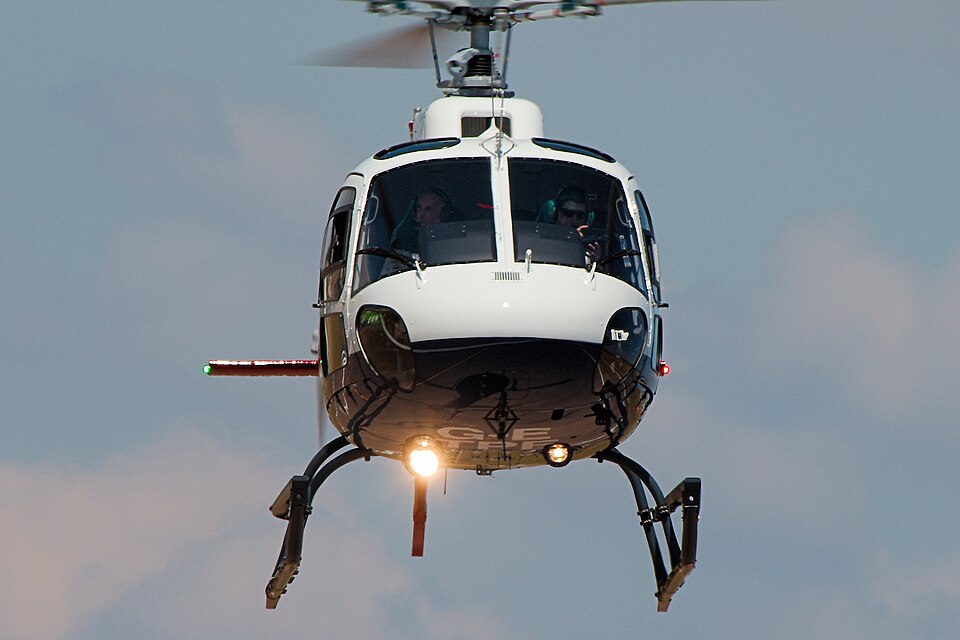
If there is a single star of the aerial film world, this is it. The H125, also called the AS350 AStar or Écureuil, is a single-engine turbine helicopter widely seen as the workhorse of professional camera work. It is known for excellent high-altitude performance, which lets it shoot in mountains and hot climates where weaker aircraft struggle. The cabin is roomy, the windows are large, and the airframe accepts hundreds of approved add-ons, including side-mounted camera systems. Film crews around the world rely on it for everything from car commercials to feature films.
Pro Tip: Book the AStar for jobs that demand altitude or heat tolerance. Its strong hot-and-high performance means fewer canceled shoots and more time chasing the light when conditions get tough.
2. Airbus H130 (EC130)
A close cousin of the H125, the H130 trades a bit of raw utility for comfort and quiet. Its shrouded tail rotor helps cut noise, and the wide, curved windshield gives passengers a near-panoramic view. That makes it a favorite for sightseeing tours, and the same traits serve photographers well. A quieter, smoother ride means a more relaxed shooting platform, especially on longer flights with paying clients on board.
3. Bell 407
The Bell 407 is a powerful single-turbine helicopter with a spacious cabin that seats a full crew. It brings strong lifting power and a smooth ride, which makes it a solid choice when you need to carry several people plus heavy gear. Larger productions like it because there is room to spread out the team and the equipment without feeling cramped. It also handles external camera loads with ease.
4. Bell 206 JetRanger and LongRanger
The Bell 206 is a true classic. For decades it has served as a steady, smooth platform for news, film, and photo work. The stretched LongRanger version adds cabin space for bigger crews. The 206 is not the newest or fastest aircraft on this list, but its calm manners and long track record make it a trusted pick. Many operators still keep one in the fleet just for camera jobs.
Heads Up: Flying low over crowds, stadiums, or restricted areas often requires special permits and clearances. Your operator handles most of this, but plan ahead, since approvals can take time and a missing permit can ground the shoot.
5. MD 500 Series
When the job calls for tight, fast, agile flying, the MD 500 shines. This small, nimble helicopter can slip into spots that bigger aircraft cannot reach, and its quick handling makes it great for action sequences and dynamic chase shots. It does not have the largest cabin, but for sharp, energetic work close to the subject, few aircraft match its agility.
6. Leonardo AW109
The AW109 sits at the premium end of the list. It is a twin-engine helicopter built for speed and comfort, which makes it a strong pick for high-end clients who want polish along with their footage. The twin-engine setup adds a margin of safety over water and rough terrain. It moves quickly between locations too, a trait it shares with some of the fastest helicopters in the world. For luxury work, the AW109 ranks among the most refined helicopter cabins you can hire.
7. Robinson R66
The R66 is the turbine member of the Robinson family, and it is a popular step up for photographers who want a smoother ride without a huge jump in cost. It offers more power and a higher ceiling than its piston sibling, along with excellent visibility from the cabin. Its smooth flight and friendly running costs make it an attractive middle ground between budget and pro setups.
8. Robinson R44
The R44 is where many photographers begin. It is one of the best-selling civilian helicopters ever made, and for good reason. It is affordable to buy and run, simple to maintain, and it makes a surprisingly stable camera platform with the doors removed. It can take an external camera mount for a low-cost rig, and its big front bubble window gives a wide view. For the most casual end of the hobby, there are even helicopters that need no full license, though those suit fun flying more than serious camera work.
If one of these camera ships caught your eye, Flying411 lists new and used helicopters from makers like Robinson, Bell, and Airbus, along with the engines and avionics that keep them flying.
How to Choose the Right Helicopter for Your Shoot
With so many good options, the choice comes down to matching the aircraft to the job. Start by asking yourself a few simple questions:
- What is your budget? Piston aircraft like the R44 cost far less to run than turbine ships. Be honest about what the project can support.
- What gear are you carrying? A small mirrorless camera needs far less than a full gyro-stabilized rig with an operator and a director on board.
- Where are you shooting? High mountains and hot deserts demand strong climb power. A coastal city at sea level is far more forgiving.
- What kind of shots do you need? Tight action calls for an agile MD 500. Long, sweeping passes suit an AStar or a Bell.
- Who is flying? A pilot trained in camera work is worth their weight in gold. The right hands make any aircraft better.
If you want to fly the camera ship yourself someday, a number of respected flight schools can train you from the ground up. Even with a great pilot, the aircraft still needs to fit the mission.
Keep in Mind: There is no single best helicopter for every job. A wedding shoot, a car commercial, and a wildlife survey all pull in different directions. Match the aircraft to the task instead of chasing the most famous name.
Ready to find your aerial photography platform? Browse the helicopter listings on Flying411 and connect with sellers and services in just a few clicks.
Tips for Sharper Aerial Photos from a Helicopter
The aircraft sets the stage, but a few smart habits make the difference between an okay shot and a great one. Try these on your next flight:
- Shoot during golden hour. The soft light just after sunrise or before sunset gives long shadows and warm color that midday cannot match.
- Use a fast shutter speed. Vibration and motion are constant, so a quick shutter freezes the frame and keeps it crisp.
- Brief your pilot. Talk through the shots you want before takeoff so the pilot can plan the route, the angles, and the passes.
- Mind the sun. Position the aircraft so the light falls on your subject, not into your lens.
- Secure everything. Loose gear is dangerous near open doors and spinning blades. Strap down every item.
Riding along on one of the most scenic helicopter tours is a smart way to test the view before booking a full photo flight. You get a feel for the aircraft, the angles, and the light without the pressure of a paid shoot.
Quick Tip: Keep your camera strap looped around your wrist or shoulder at all times near an open door. A dropped camera is not just a lost shot. It can become a serious hazard for the rotor and for people below.
Conclusion
The best helicopters for aerial photography are the ones that stay calm, give the camera a clear line, and have the power to fly where the shot lives. The Airbus H125 leads the pack for serious film and television work, while the Robinson R44 and R66 open the door for photographers on a smaller budget.
Models like the Bell 407, the agile MD 500, and the twin-engine AW109 each fill their own niche between those ends. The right choice is the one that fits your gear, your goals, and your wallet.
Aerial photography rewards good planning, a steady aircraft, and a skilled crew. Get those three things right, and the views will take care of themselves.
When you are ready to turn cinema-worthy aerial shots into a real flight plan, Flying411 has the helicopters, parts, and aviation pros to help you get off the ground.
Frequently Asked Questions
How much does it cost to rent a helicopter for aerial photography?
Costs vary widely by model, region, and flight length, with piston helicopters like the R44 sitting at the lower end and turbine aircraft costing more per hour. The best move is to request a quote from a local operator for your specific aircraft and shoot.
Do you need a special license to take photos from a helicopter?
As a passenger shooting photos, you do not need a pilot license, but the pilot must be properly certified, and commercial or doors-off work may require extra permits and operator approval. Always confirm the rules with your operator before booking.
Are helicopters better than drones for aerial photography?
It depends on the job, since helicopters win for high altitude, long range, and heavy cameras, while drones are better for low, tight, low-cost shots. Many professionals keep both and pick the right tool for each scene.
What is the best time of day for helicopter aerial photography?
Golden hour, the window just after sunrise or before sunset, gives soft light and long shadows that flatter most subjects. Midday offers the clearest views but harsher, flatter light.
Can you take the doors off any helicopter for photography?
Not every model allows it, and doors-off flying always depends on the aircraft and the operator's approval. Popular choices like the R44, the AStar, and the JetRanger support it with reduced speed limits and strict safety rules.