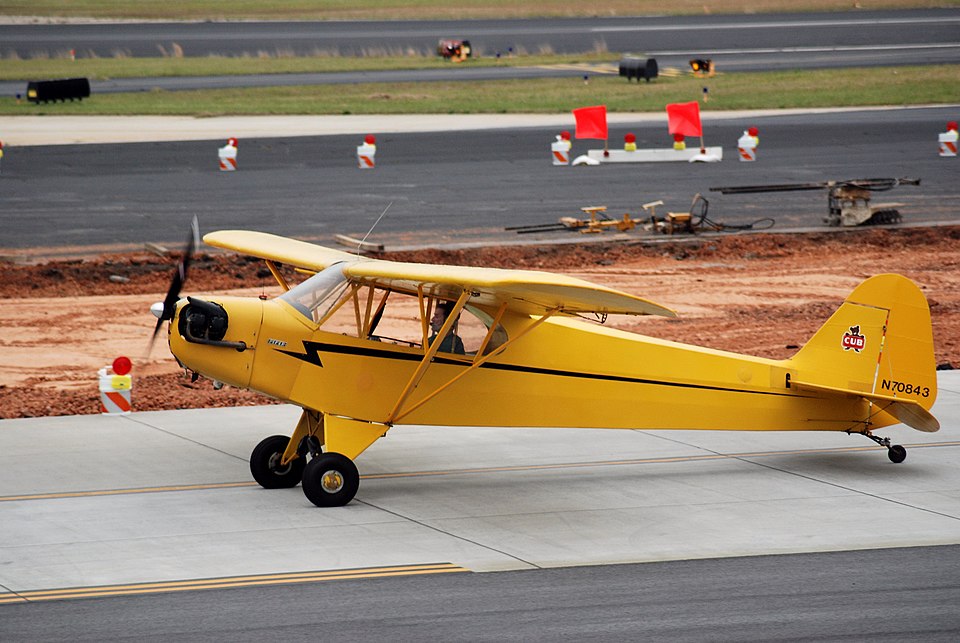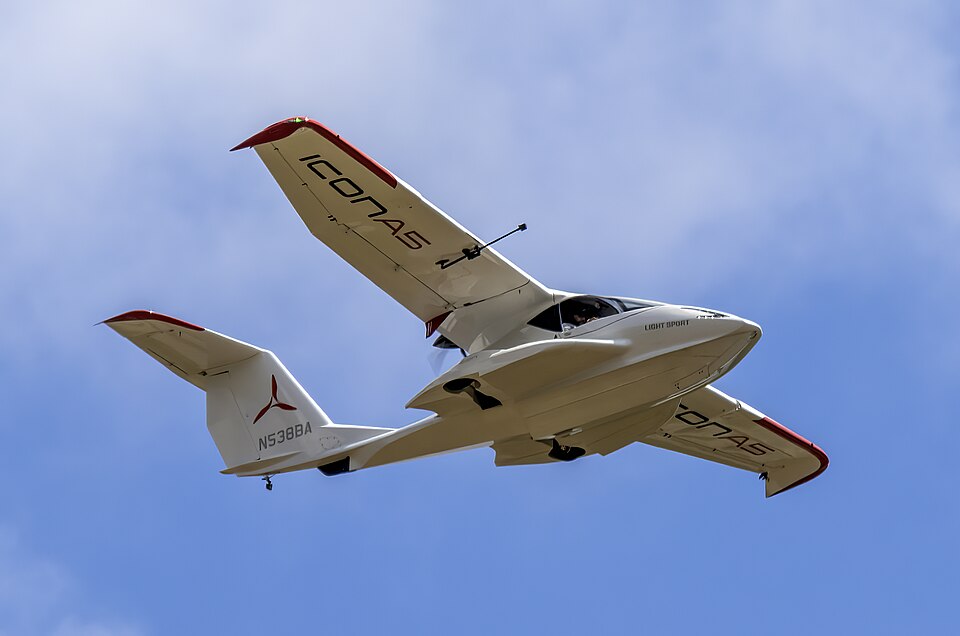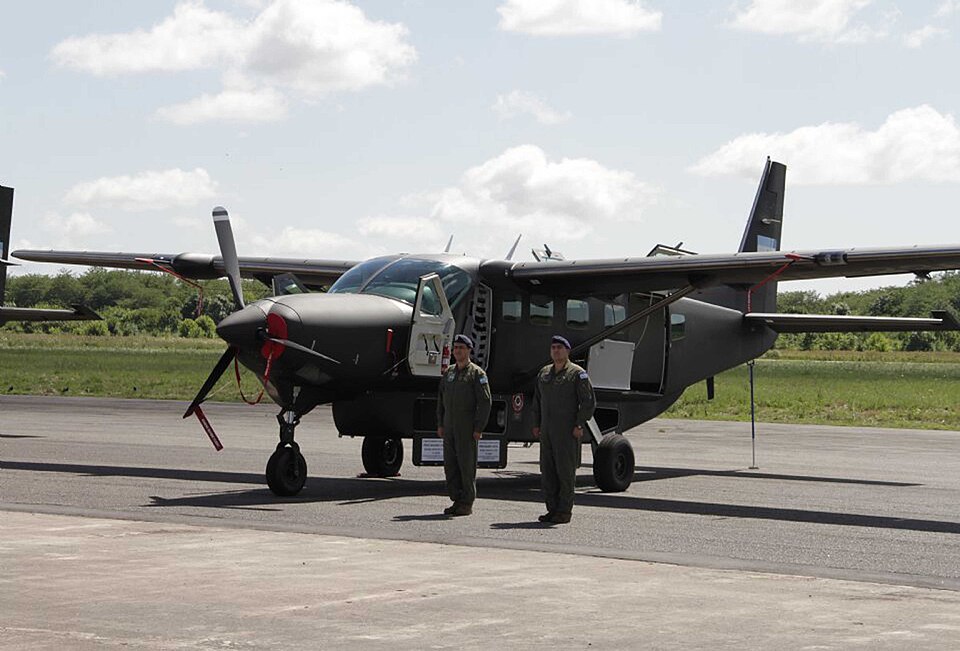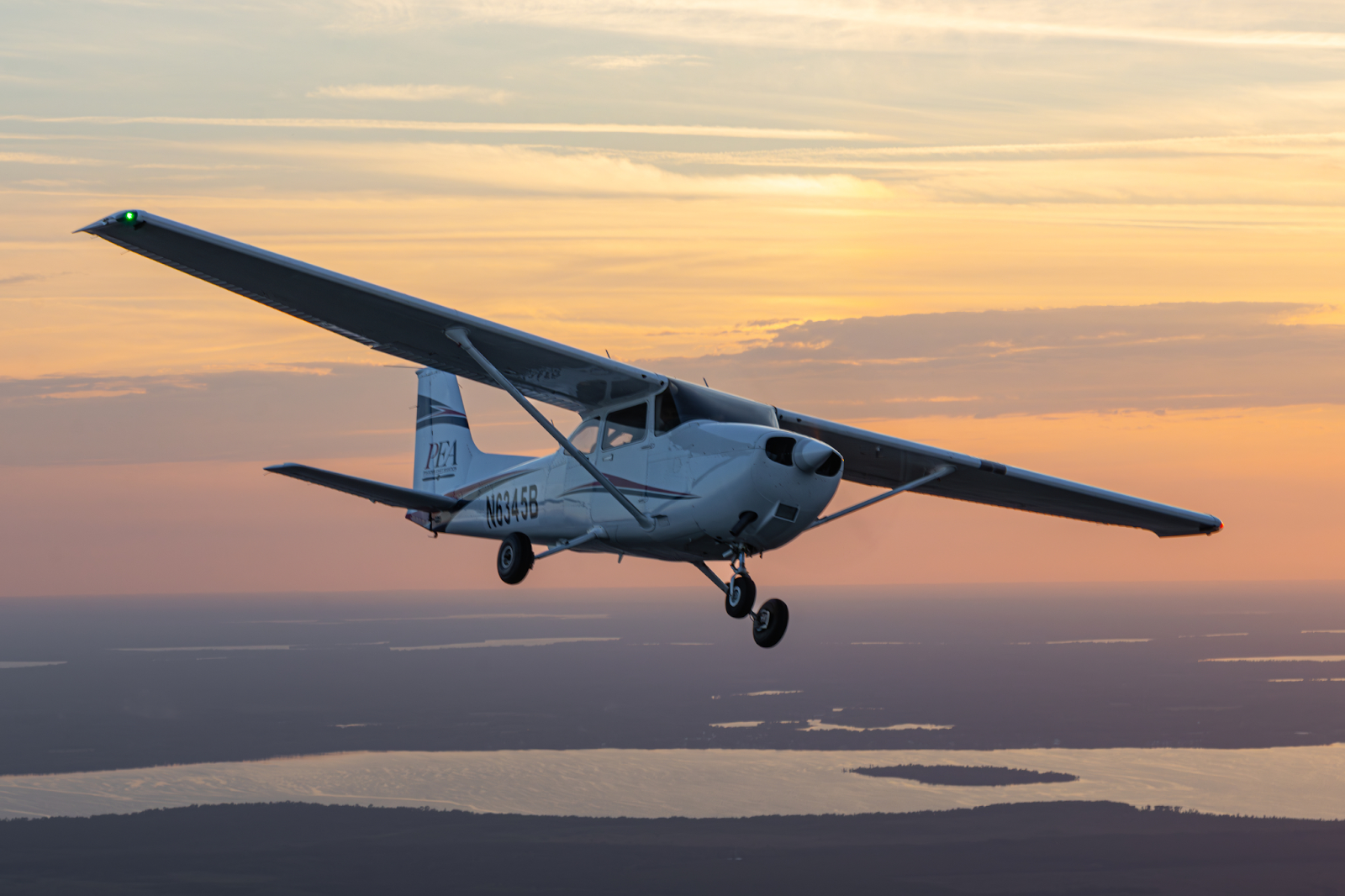
If you have ever walked past a row of small planes at your local airport, there is a very good chance you were looking at Lycoming power. Lycoming has been building aircraft engines since 1929, and today those engines keep thousands of planes flying across the United States every single day. Lycoming and Continental together power the vast majority of piston-engine trainer aircraft in the country. That makes Lycoming one of the most recognized names in all of aviation.
So what planes use Lycoming engines? The answer stretches a lot further than you might think. From flight schools and backcountry airstrips to helicopter pads and experimental hangars, these engines show up almost everywhere a piston aircraft flies. Stick around, because the full list is going to surprise you.
Key Takeaways
Lycoming engines power a wide range of small aircraft, including the Cessna 172 Skyhawk, Piper Cherokee, Beechcraft Bonanza, Robinson R44 helicopter, and many popular kit-built planes. They are air-cooled, horizontally opposed piston engines that come in four-cylinder and six-cylinder configurations. Most models produce between 115 hp and 350+ hp. Pilots and manufacturers choose Lycoming for proven reliability, easy maintenance, and a massive parts network backed by FAA type certificates.
| Key Takeaway | Details |
| Most common users | Cessna, Piper, Beechcraft, Mooney, Robinson, Van's Aircraft, Glasair |
| Engine layout | Horizontally opposed (flat), air-cooled |
| Cylinder options | Four-cylinder and six-cylinder |
| Horsepower range | 115 hp to 350+ hp |
| Popular engine series | O-235, O-320, O-360, IO-360, O-540, IO-540 |
| Aircraft categories | Trainers, personal planes, twins, helicopters, kit aircraft, light sport |
| Fuel systems | Carbureted and fuel-injected models available |
| Typical TBO | 1,800–2,000 flight hours before major overhaul |
| Certification | FAA type certificates held across most model families |
What Makes Lycoming Engines So Special?
Lycoming does not just build piston engines. They build engines that pilots trust with their lives. Reliability is the number one reason pilots and aircraft manufacturers keep coming back, and that reputation has been earned over decades of consistent performance in real-world flying conditions.
One of the biggest reasons Lycoming stands out is simplicity. Most models use a horizontally opposed layout, meaning the cylinders sit flat, arranged side by side across from each other. This keeps the engine low-profile, improves forward visibility for the pilot, and reduces aerodynamic drag on the airframe. It is a practical, proven design that has been refined over nearly a century.
Here is what sets Lycoming apart:
- Proven durability — Many Lycoming engines run 2,000+ hours before needing a major overhaul
- Wide power range — Models cover everything from modest 115 hp trainers to 350+ hp high-performance singles
- FAA certification — Lycoming holds FAA type certificates across a broad range of engine families
- Parts availability — Because so many planes use them, replacement parts and certified mechanics are easy to find
- Fuel system options — Lycoming builds both carbureted and fuel-injected versions of many models
- Consistent manufacturing — Factory-new builds follow the same standards that have kept mechanics confident for generations
That last point matters more than people realize. When a mechanic already knows a Lycoming inside and out, maintenance becomes faster, safer, and less expensive. That translates directly into lower ownership costs for pilots and flight schools alike.
If you are weighing Lycoming against Continental for your next aircraft, this detailed Continental vs. Lycoming comparison breaks down the differences head to head.
How Lycoming Engine Naming Works
Before we dive into the aircraft list, it helps to understand how Lycoming names its engines. The naming system is actually very logical once you know the code.
| Prefix | Meaning |
| O | Opposed (horizontally opposed cylinder layout) |
| I | Fuel-injected |
| T | Turbocharged |
| L | Left-hand rotation (for certain twin-engine setups) |
| A | Aerobatic (inverted oil and fuel system) |
| H | Horizontal mounting (helicopter applications) |
The number after the prefix tells you the engine's displacement in cubic inches. So an O-320 is an opposed engine with 320 cubic inches of displacement, and an IO-540 is a fuel-injected opposed engine with 540 cubic inches.
Example: The TIO-540 is a Turbocharged, fuel-Injected, Opposed engine with 540 cubic inches of displacement. That one name tells you almost everything you need to know about the engine's basic configuration.
This system makes it easy to compare engines at a glance. A larger displacement number generally means more horsepower, and the letter prefixes tell you exactly what features are included.
How to Spot a Lycoming Engine
Walk up to a small plane and open the cowling — if you know what to look for, identifying a Lycoming is pretty straightforward.
Here are a few quick ways to tell:
- Engine data plate — Every certified engine has a data plate riveted to the crankcase. If it says "Lycoming," you have your answer.
- Cylinder arrangement — Lycoming engines have a flat, horizontally opposed layout. The cylinders stick out to the sides like arms reaching out from the crankcase.
- Displacement code — Look at the engine model stamped on the plate. The number tells you the cubic inch displacement (O-320 = 320 cubic inches, O-540 = 540 cubic inches).
- RPM range — Most Lycoming piston engines redline around 2,700 rpm, which is typical for direct-drive designs.
- Exhaust layout — The exhaust pipes come out of each cylinder individually before routing to a collector. This pattern is recognizable on most Lycoming models.
- Propeller flange — Lycoming uses a specific bolt pattern on the propeller flange that differs from Continental engines.
Why So Many Aircraft Manufacturers Choose Lycoming
The reason Cessna, Piper, Robinson, Mooney, and dozens of other manufacturers have built lasting relationships with Lycoming comes down to something simple: these engines deliver. They are not flashy or exotic. But they work, and they keep working.
Here is why small plane manufacturers keep choosing Lycoming:
- Training-friendly power — A four-cylinder Lycoming like the O-320 or O-360 gives student pilots a manageable, smooth power plant to learn on
- Turbocharged options — For pilots who fly at high altitudes, turbocharged variants like the TIO-540 add altitude capability without switching engine brands
- Helicopter compatibility — The Robinson R44 uses a Lycoming IO-540, proving these engines handle the demands of rotorcraft as well as fixed-wing planes
- Power variety — Whether a plane needs 150 hp or 300 hp, there is a Lycoming that fits
- Six-cylinder models — The O-540 and IO-540 series offer more power for larger airframes while keeping the same trusted architecture
- Experimental and light sport friendly — Lycoming is not just for certified planes; kit builders and LSA manufacturers rely on them too
Glasair and Van's Aircraft — two of the biggest names in the homebuilt world — both trust Lycoming because the engines are well-documented, well-supported, and straightforward to install. For a homebuilder assembling a plane in a garage, that kind of documentation and factory support is invaluable.
Lycoming Engine Series Overview
Before looking at individual aircraft, here is a quick comparison of the most common Lycoming engine families.
| Engine Series | Cylinders | Displacement | Horsepower Range | Common Aircraft |
| O-235 | 4 | 235 cu in | 115–125 hp | Cessna 152, trainers |
| O-320 | 4 | 320 cu in | 150–160 hp | Cessna 172, Piper Cherokee, Aero Commander 100 |
| O-360 | 4 | 360 cu in | 180 hp | Cessna 172SP, Piper Warrior II, Piper Archer |
| IO-360 | 4 | 360 cu in | 200 hp | Mooney M20, Glasair Sportsman, Piper Seneca |
| IO-390 | 4 | 390 cu in | 210 hp | Piper Archer III |
| O-540 | 6 | 540 cu in | 230–260 hp | Cessna 182, Van's RV-10 |
| IO-540 | 6 | 540 cu in | 250–300 hp | Beechcraft Bonanza, Robinson R44, Piper Comanche |
| TIO-540 | 6 | 540 cu in | 310–350 hp | Piper Seneca (later), high-performance singles |
| iE2 | Varies | Varies | 200+ hp | Advanced experimental builds (FADEC-equipped) |
Tip: The "I" prefix means fuel-injected, the "T" means turbocharged, and the base number is the displacement in cubic inches. If you want a deep look at the full factory lineup and what makes each variant different, the Lycoming certified engine guide (PDF) is an excellent reference.
15 Popular Aircraft That Fly With Lycoming Engines
When it comes to general aviation, Lycoming is everywhere. From basic trainers to high-performance singles to kit planes and helicopters, Lycoming piston engines have found a home in an impressive range of aircraft. Here is a closer look at 15 popular models — and what makes each pairing work.
1. Cessna 172 Skyhawk
The Cessna 172 Skyhawk is the most-produced aircraft in history, with over 44,000 built since 1956. Earlier models used Continental engines, but Lycoming stepped in starting in the 1960s and has been part of the Skyhawk story ever since.
The O-320 series became a popular fit, producing 150 hp and giving student pilots a smooth, manageable ride. Later models adopted the Lycoming O-360, delivering 180 hp with better climb performance. Skyhawks powered by Lycoming are still in production today — a testament to how well this engine-airframe pairing works.
| Spec | Details |
| Engine | O-320-E2D or O-360 variants |
| Power | 150–180 hp |
| Best for | Flight training, personal flying, time building |
Why it works: The Cessna 172 and Lycoming O-360 is arguably the most proven trainer combination in aviation history. Simple, reliable, and easy to learn on.
2. Piper Cherokee / Warrior
Piper built the Cherokee line to be a no-nonsense trainer and personal aircraft. The O-320 fits perfectly here, with 150 hp models used in the Cherokee 140 and 180 hp versions in the Warrior II powered by the O-360. These planes have a long production run, and the Lycoming partnership has been rock-solid throughout.
| Spec | Details |
| Engine | O-320, O-360 |
| Power | 150–180 hp |
| Best for | Private pilot training, personal travel |
3. Piper Archer
The Archer is the Cherokee's slightly more capable sibling. The standard configuration uses the Lycoming O-360 at 180 hp. Later Archer III models upgraded to the IO-390-A, a fuel-injected engine producing 210 hp. This gave pilots better fuel efficiency and smoother power delivery at cruise.
| Spec | Details |
| Engine | O-360 / IO-390-A |
| Power | 180–210 hp |
| Best for | Cross-country travel, advanced training |
4. Piper Seneca
The Seneca is a twin-engine aircraft, and it uses Lycoming engines on both sides. Earlier models ran the IO-360 at 200 hp per side. Later versions moved to turbocharged variants for better high-altitude performance. This is a great example of how Lycoming models work beyond single-engine planes.
| Spec | Details |
| Engine | IO-360 / LTIO-360 |
| Power | 200 hp per engine |
| Best for | Multi-engine training, charter, personal twin operations |
5. Beechcraft Bonanza A36
The Bonanza is one of the longest-running production aircraft in history, and it is closely linked with the Lycoming 540 series. The IO-540 delivers 285–300 hp, giving the Bonanza the muscle to cruise fast and carry a useful payload. The IO-540-K1A5 is a specific variant commonly found in Bonanza models — fuel-injected, six-cylinder, and built for serious cross-country flying.
| Spec | Details |
| Engine | IO-540-K1A5 |
| Power | 285–300 hp |
| Best for | Fast cross-country, owner-flown travel, high payload |
6. Robinson R44
The Robinson R44 is one of the most popular piston helicopters in the world, and it relies on the Lycoming IO-540 to get airborne. This engine produces around 225–245 hp depending on the variant. The R44 is a perfect example of how Lycoming engineering crosses over into rotorcraft, not just fixed-wing planes.
| Spec | Details |
| Engine | IO-540-AE1A5 |
| Power | 225–245 hp |
| Best for | Helicopter training, tours, utility operations |
7. Cessna 182 Skylane
The 182 is a step up from the 172, with more power, a bigger airframe, and a constant-speed propeller. It uses the Lycoming O-540, producing 230 hp in most configurations. The six-cylinder engine gives the Skylane noticeably stronger climb performance and the ability to carry four people plus baggage over longer distances.
| Spec | Details |
| Engine | O-540-J3C5D |
| Power | 230 hp |
| Best for | Family flying, backcountry, longer cross-country trips |
8. Cessna 152
The Cessna 152 is another iconic trainer, and it uses the smaller Lycoming O-235. This four-cylinder engine produces about 110–115 hp — plenty for a lightweight two-seat trainer. Thousands of pilots earned their wings behind an O-235 in a Cessna 152. If you are breaking in a fresh engine on one of these, this guide to breaking in a new Lycoming engine walks you through the process step by step.
| Spec | Details |
| Engine | O-235-L2C |
| Power | 110–115 hp |
| Best for | Primary flight training, low-cost flying |
9. Van's RV Series
Van's Aircraft is the most successful kit aircraft manufacturer in the world, and the RV series is the backbone of the homebuilt segment. Van's has a long-standing relationship with Lycoming, and RV models like the RV-7, RV-9, RV-10, and RV-14 all use Lycoming power plants ranging from the O-320 up to the IO-540.
| Spec | Details |
| Engine | O-320, O-360, IO-360, IO-540 (varies by model) |
| Power | 150–260 hp |
| Best for | Sport flying, cross-country, aerobatics (select models) |
10. Glasair Sportsman
Glasair Aircraft builds in the homebuilt space, and the Sportsman is one of its most popular designs. The IO-360 is a common engine choice here, producing 200 hp with fuel injection for cleaner power delivery. Lycoming's strong documentation and factory support make the build process more manageable for homebuilders working in their own shops.
| Spec | Details |
| Engine | IO-360 |
| Power | 200 hp |
| Best for | Fast homebuilt cruising, backcountry |
11. Mooney M20
Mooney aircraft are known for being fast and fuel-efficient, and the Lycoming IO-360 has been central to that reputation. The M20 line uses various Lycoming powerplants, including IO-540 variants in higher-performance versions. The 200 hp to 280 hp range gives Mooney pilots the speed they are famous for inside one of the most aerodynamically refined piston airframes ever built.
| Spec | Details |
| Engine | IO-360 / IO-540 |
| Power | 200–280 hp |
| Best for | Fast, efficient cross-country travel |
12. Aero Commander 100
The Aero Commander 100 is a lesser-known trainer, but it is a solid example of how Lycoming's reach extended across many manufacturers during general aviation's golden era. It uses the Lycoming O-320 with a fixed-pitch propeller and carburetor — a setup that keeps things simple and affordable for student pilots.
| Spec | Details |
| Engine | O-320 |
| Power | 150 hp |
| Best for | Basic training, low-cost operations |
13. Piper Comanche
The Comanche is a classic personal aircraft with a sleek design and strong cruise performance. It uses the Lycoming IO-540 in higher-powered variants, with 250–315 hp available depending on the model. The crankshaft and magneto systems on these engines have been well-understood by mechanics for decades, which makes the Comanche a more approachable ownership proposition than many other vintage aircraft.
| Spec | Details |
| Engine | IO-540 |
| Power | 250–315 hp |
| Best for | Fast personal travel, vintage aircraft ownership |
14. Grumman American AA-5 Series
The Grumman AA-5 Tiger and Cheetah are fun, sporty aircraft that use the Lycoming O-320 (Cheetah, 150 hp) and O-360 (Tiger, 180 hp). These planes are known for their sliding canopies, metal bonded construction, and spirited handling. The Lycoming engines fit the personality of these planes perfectly — responsive, reliable, and easy to maintain.
| Spec | Details |
| Engine | O-320 / O-360 |
| Power | 150–180 hp |
| Best for | Sport flying, personal travel, affordable ownership |
15. Experimental and FADEC Aircraft
The aviation world keeps evolving, and so does Lycoming. The iE2 engine represents the next chapter — a FADEC-equipped (Full Authority Digital Engine Control) power plant that replaces traditional magnetos, carburetors, and separate systems with a unified digital brain. These modern engines are finding homes in advanced experimental builds and point toward the future of piston aviation.
| Spec | Details |
| Engine | iE2 series |
| Power | 200+ hp (varies) |
| Best for | Advanced experimental builds, reduced pilot workload |
For a closer look at how the Continental O-200 compares to the Lycoming O-235 in the trainer market, this Continental O-200 vs. Lycoming O-235 comparison has all the details.
Lycoming Engine Cost of Ownership
Buying a Lycoming-powered plane is one thing. Keeping that engine healthy is another. Understanding the cost of ownership helps you plan ahead and avoid surprises.
Overhaul Costs
The biggest single expense in a Lycoming engine's life is the major overhaul. Here is a rough breakdown of what to expect:
| Engine Family | Estimated Overhaul Cost | Typical TBO |
| O-235 (4-cyl) | $18,000–$25,000 | 2,000–2,400 hours |
| O-320 (4-cyl) | $22,000–$30,000 | 2,000 hours |
| O-360 (4-cyl) | $25,000–$35,000 | 2,000 hours |
| IO-360 (4-cyl) | $28,000–$38,000 | 2,000 hours |
| O-540 (6-cyl) | $35,000–$48,000 | 2,000 hours |
| IO-540 (6-cyl) | $38,000–$55,000 | 1,800–2,000 hours |
Note: These are approximate ranges based on current shop rates. Actual costs vary depending on the shop, the condition of the engine, and what parts need replacement. Cylinder work, crankshaft inspection, and camshaft condition are the biggest cost variables.
For a detailed look at what goes into those numbers, this Lycoming O-Series overhaul cost breakdown is worth reading.
If you are weighing whether a rebuilt engine or an overhauled engine is the better value, this comparison of Lycoming rebuilt vs. overhaul explains the key differences.
Annual Operating Costs
Beyond the overhaul, you should also budget for these recurring expenses:
- Oil changes — Every 50 hours or 4 months (whichever comes first). Budget around $50–$80 per change.
- Annual inspection — Mechanics check compression, look for corrosion, and inspect accessories. Plan for $1,000–$2,500 depending on the engine and shop.
- Magneto service — Magnetos need inspection every 500 hours and overhaul around every 1,000 hours. Budget $500–$1,200 per magneto overhaul.
- Fuel costs — 100LL avgas typically runs $5.50–$7.50 per gallon. A 180 hp Lycoming burns about 8–10 gallons per hour at cruise, putting hourly fuel cost around $44–$75.
Hourly Cost Reserve
A smart way to plan is to set aside a per-hour reserve for the eventual overhaul. Here is how the math works:
Example: If your IO-360 overhaul will cost roughly $33,000 and the TBO is 2,000 hours, you should reserve about $16.50 per flight hour toward the overhaul. Add fuel, oil, and annual costs, and total hourly operating cost for a 180 hp Lycoming is typically in the range of $75–$110 per hour (not including hangar, insurance, or the airframe itself).
Lycoming vs. Continental: A Quick Comparison
Pilots love debating Lycoming vs. Continental, and both brands make excellent engines. Here is a side-by-side look at the key differences.
| Factor | Lycoming | Continental |
| Cylinder layout | Horizontally opposed | Horizontally opposed |
| Typical HP range | 115–350+ hp | 100–360+ hp |
| Fuel systems | Carbureted and fuel-injected | Carbureted and fuel-injected |
| Starter location | Typically rear-mounted | Typically rear-mounted |
| Oil sump | Bottom-mounted sump | Usually rear-mounted sump |
| Carburetor heat | Alternate air / carb heat | Similar system |
| Common trainers | Cessna 172, Piper Cherokee | Cessna 150, Cessna 172 (early) |
| Parts availability | Excellent — huge installed base | Excellent — huge installed base |
| Overhaul cost | Moderate to high | Moderate to high |
| Innovation | iE2 FADEC series | Jet-A piston engines |
The biggest practical differences come down to specific model fit, parts familiarity at your local shop, and which engine the aircraft manufacturer chose. For a much deeper looker, the full Continental vs. Lycoming comparison covers everything.
Cold Weather and Seasonal Maintenance Tips
Lycoming engines are tough, but they need a little extra care in certain conditions. If you fly in cold climates, proper preheating is essential to protect the engine from premature wear. Cold starts without preheating can cause thermal shock and accelerated cylinder and bearing wear.
Here are some quick seasonal tips:
- Preheat below 40°F (4°C) — Use an engine preheater before starting in cold weather. This protects the oil, cylinders, and bearings.
- Avoid short flights — Short hops that do not bring the engine to full operating temperature can cause moisture and acid buildup inside the crankcase.
- Fly regularly — Engines that sit for weeks without running are more prone to corrosion. Aim for at least one flight every two weeks.
- Check your oil — Cold weather can affect oil viscosity. Make sure you are using the correct weight for the season.
For a full breakdown of cold-weather procedures, this guide to Lycoming engine cold weather starting has everything you need.
Choosing the Right Lycoming Engine for Your Mission
With so many models available, picking the right Lycoming engine depends on what you plan to do with your airplane. Here is a simple decision framework.
| If your mission is... | Consider these engines | Horsepower range |
| Primary flight training | O-235, O-320 | 115–160 hp |
| Personal cross-country | O-360, IO-360 | 180–200 hp |
| Fast personal travel | IO-540, TIO-540 | 250–350 hp |
| Backcountry / STOL | O-360, IO-390 | 180–210 hp |
| Kit aircraft (basic) | O-320, O-360 | 150–180 hp |
| Kit aircraft (performance) | IO-360, IO-540 | 200–300 hp |
| Helicopter | IO-540, HIO-360 | 180–260 hp |
| Aerobatics | AEIO-360, AEIO-540 | 200–300 hp |
| Multi-engine | IO-360, TIO-540 | 200–350 hp per side |
Decision tip: Start with your mission, then match the horsepower and fuel system. Naturally aspirated engines are simpler and cheaper to maintain. Turbocharged models add capability at altitude but increase maintenance complexity and overhaul cost.
Conclusion
Lycoming engines are woven into the fabric of American aviation. From the most popular training aircraft in the world to high-performance cross-country machines, custom homebuilts, and even helicopters, what planes use Lycoming engines is a question with a surprisingly long answer. Their consistency, strong parts network, straightforward maintenance, and FAA-backed reliability have made them a staple in hangars across the country.
Whether you are shopping for your first trainer, planning a build, or researching your next aircraft purchase, understanding which planes use Lycoming engines — and why — gives you a real advantage.
Ready to keep learning? Browse aircraft listings, compare engine specs, and connect with the general aviation community on Flying411. It is one of the best places to explore everything general aviation has to offer.
Frequently Asked Questions
Are Lycoming engines only used in small planes?
Lycoming engines are primarily found in light general aviation aircraft, but they also power helicopters like the Robinson R44 and R22. Their horsepower range — from about 115 hp to over 350 hp — makes them a strong fit for a wide variety of aircraft types. They are not used in large commercial jets, which rely on turbine (jet) engines instead.
How long does a Lycoming engine last before overhaul?
Most Lycoming engines have a recommended time between overhauls (TBO) of 1,800 to 2,000 hours. Some well-maintained engines exceed that before showing significant wear. Regular inspections, proper oil changes, consistent flying habits, and correct break-in procedures all play a big role in how long an engine lasts.
What does a Lycoming engine overhaul cost?
Overhaul costs range from about $18,000 for a four-cylinder O-235 up to $55,000 or more for a six-cylinder IO-540 at current shop rates. The final price depends on cylinder condition, crankshaft wear, and what accessories need rebuilding. Setting aside a per-hour reserve is the best way to prepare for this expense.
Can Lycoming engines run on automotive fuel?
Some Lycoming engines are approved to run on automotive fuel (mogas) under specific FAA supplemental type certificates (STCs), but not all models qualify. Most are certified for aviation gasoline (avgas), typically 100LL. Always verify your specific engine model's approved fuel types before switching fuel sources.
How does a Lycoming engine compare to a Rotax engine?
Lycoming and Rotax serve somewhat different markets. Rotax engines are lighter and commonly found in light sport aircraft and ultralight planes. Lycoming engines are heavier but generally more powerful and widely used in certified training aircraft and larger piston planes. The best choice depends on the aircraft type, mission profile, and weight requirements.
What does the "O" in Lycoming engine names mean?
The "O" stands for "opposed," referring to the horizontally opposed cylinder layout. An "I" before the O — as in IO-360 — means the engine is fuel-injected. A "T" means turbocharged. An "A" means aerobatic. These prefixes make it easy to understand the basic configuration of any Lycoming engine just from its name.
Are Lycoming engines still being manufactured?
Yes. Lycoming continues to manufacture new engines at its factory in Williamsport, Pennsylvania. They produce both new-production engines and factory-rebuilt and overhauled engines. The company also continues developing new models like the iE2 series with FADEC technology.
What is the difference between a Lycoming rebuilt and overhauled engine?
A factory-rebuilt engine is remanufactured to new-engine tolerances and receives a zero-time logbook entry. An overhauled engine is restored to serviceable limits but retains its original logbook hours. Rebuilt engines typically cost more but may hold better resale value. The choice depends on your budget and how long you plan to own the aircraft.
How do I prepare my Lycoming engine for cold weather?
Preheating is the most important step. Below 40°F (4°C), you should use an engine preheater before starting to protect cylinders, bearings, and oil. Avoid short flights that do not bring the engine to full operating temperature, and use the correct oil weight for cold conditions.