Just think of taking off from a grass strip, cruise over a mountain lake, and then glide right down onto the water for a smooth splashdown. No dock, no marina, no ferry. Just you, a small aircraft, and a world that suddenly has a lot more landing spots. That is exactly what an amphibious ultralight aircraft makes possible.
These compact, lightweight machines can operate on both land and water, and they have been quietly winning over recreational pilots across the country.
The U.S. is said to have well over 100,000 lakes larger than 10 acres, which gives amphibious pilots an almost boundless playground to explore. From backcountry fishing trips to coastal island hops, this style of flying opens doors that a standard airplane simply cannot.
Key Takeaways
Amphibious ultralight aircraft are small, lightweight planes that can take off and land on both runways and bodies of water. They fall under FAA Part 103 rules or the Light Sport Aircraft (LSA) category, which keeps ownership and training requirements manageable for most recreational pilots. The combination of retractable landing gear, a water-capable hull or floats, and a reliable engine makes these aircraft uniquely versatile. Whether you want to explore remote lakes, cut down the cost of sport flying, or simply add a whole new skill set to your aviation toolbox, amphibious ultralights offer an appealing and accessible path forward.
| Feature | Details |
| What it is | A small aircraft that operates on land and water |
| Common categories | FAA Part 103 Ultralight or Light Sport Aircraft (LSA) |
| Typical engine | Rotax 503, 582, or 912 series |
| Weight limit (Part 103) | 254 lbs empty weight (single-seat) |
| Who flies them | Recreational and sport pilots |
| Popular models | Icon A5, Aero Adventure Aventura, Aeromarine Buccaneer |
| Key advantage | Access to water and land runways in one aircraft |
| Training required | Sport Pilot Certificate or higher recommended |
Flying411 is your straight-talking guide to all things aviation — from aircraft ownership basics to smarter buying decisions. Explore the full resource library at Flying411 today.
What Exactly Is an Amphibious Ultralight Aircraft?
An amphibious aircraft can operate on both land and water. Pair that with the word ultralight, and you are talking about one of the most versatile and accessible aircraft types in all of recreational flying. These machines combine the simplicity of a small sport plane with the remarkable ability to land on rivers, lakes, bays, and coastal inlets that a conventional aircraft could never reach.
In the United States, most amphibious ultralights fall into one of two regulatory categories.
FAA Part 103 Ultralights are single-seat aircraft with a maximum empty weight of 254 lbs. No pilot certificate is legally required to fly under Part 103, though proper training is strongly encouraged by virtually everyone in the aviation community. Light Sport Aircraft, or LSA, are two-seat planes that require a Sport Pilot Certificate. They offer more capability and comfort but remain significantly simpler to own and operate than larger certified aircraft.
Good to Know: A Sport Pilot Certificate typically takes less time and money to earn than a Private Pilot Certificate. For many pilots entering the amphibious world, the LSA pathway is a practical and cost-effective starting point.
Airframe and Construction
The airframes on amphibious ultralights are typically built from aluminum tubing, composite materials, or a blend of both. This keeps weight low while maintaining a solid structure. Many designs feature foldable wings, which is a practical advantage for pilots who do not have hangar access. Folding wings allow the aircraft to be trailered on a standard boat trailer and stored in a regular garage or driveway.
How the Landing Gear Works
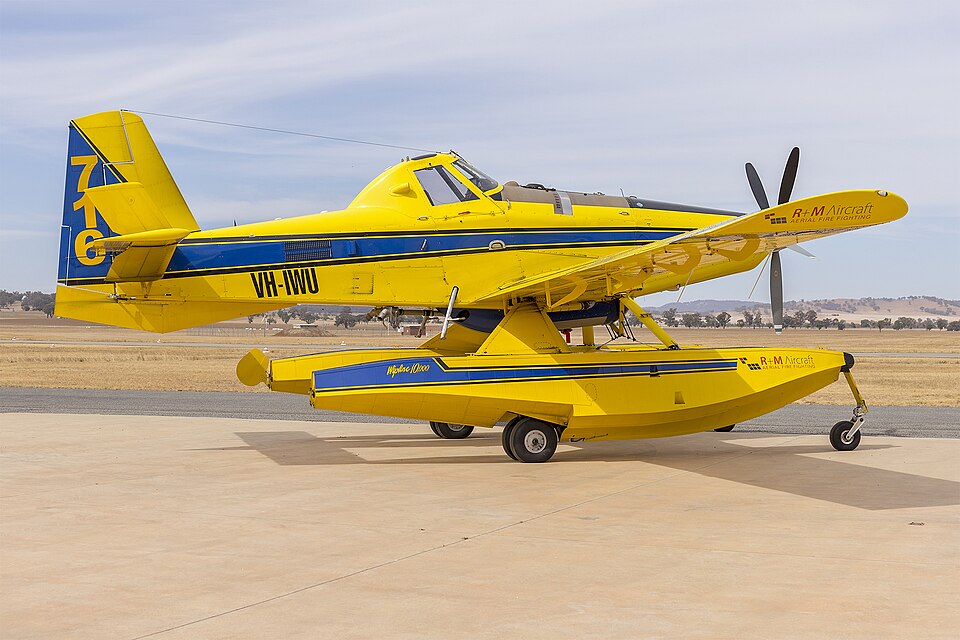
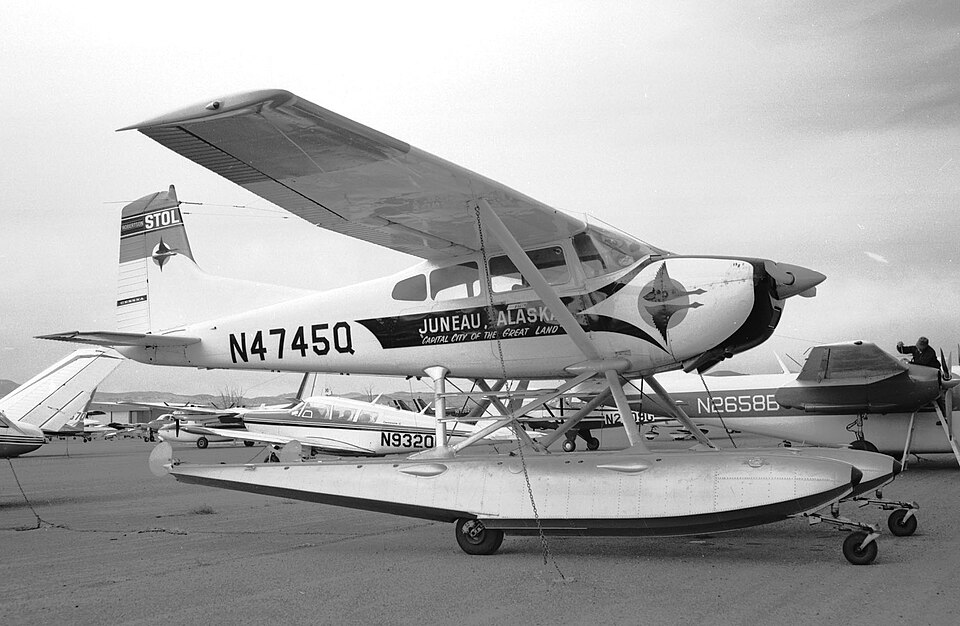
What separates a true amphibious design from a standard floatplane is the landing gear. A floatplane has fixed floats and is limited to water operations only. An amphibious aircraft has wheels that retract for water landings and extend again for runway use. This dual-mode capability is the defining feature of the category.
There are two main gear configurations. In a flying boat design, the aircraft's main hull acts as the flotation surface, and the wheels fold into or out of the hull. In a float-equipped design, pontoon floats are fitted with small retractable wheels that drop down when the pilot needs to land on pavement or grass. Both approaches work well in practice, and pilots tend to develop strong preferences based on the type of flying they do most.
Engine Options
The most common powerplant in this category is a Rotax engine. Lighter builds often use the two-stroke Rotax 503 or Rotax 582. More capable LSA designs typically use the four-stroke Rotax 912 or the fuel-injected Rotax 912 iS. The four-stroke engines are particularly well-regarded for their reliability and lower maintenance intervals in the wet, corrosion-prone environment of water flying.
How Amphibious Ultralights Compare to Other Aircraft Types
It helps to understand where amphibious ultralights sit relative to other options a pilot might consider. The table below breaks down the key differences.
| Aircraft Type | Water Capable | Land Capable | Pilot Certificate | Typical Cost Range |
| FAA Part 103 Ultralight | Yes (amphibious) | Yes | None required | Low |
| Light Sport Aircraft (LSA) | Yes (amphibious) | Yes | Sport Pilot Certificate | Moderate to high |
| Standard Floatplane | Yes | No | Private Pilot with seaplane rating | High |
| Conventional GA Aircraft | No | Yes | Private Pilot Certificate | Moderate to very high |
| Experimental Amateur-Built | Varies | Varies | Depends on category | Varies widely |
Understanding these distinctions early on helps pilots pick the right path for their budget, goals, and available time for training. For a deeper look at how the different water-capable designs relate to one another, the difference between a seaplane and a floatplane is worth understanding before you commit to a category.
Why It Matters: Choosing the wrong aircraft category can mean spending more on training, registration, and maintenance than you planned. Getting clear on Part 103 versus LSA from the start saves a lot of headaches down the road.
Where Do Amphibious Ultralight Aircraft Actually Fly?
One of the biggest draws of this category is the sheer range of places you can go. Standard airplanes are tied to airports and airstrips. Amphibious ultralights can use those too, but they also have access to thousands of lakes, rivers, bays, and coastal areas that no land-based plane could ever reach.
Popular flying destinations include the lake country of Minnesota, Wisconsin, and Michigan, where fly-in-friendly lakes are plentiful. The Florida Keys and Gulf Coast offer warm water, calm bays, and forgiving flying weather for much of the year. The Pacific Northwest is known for its stunning rivers and protected inlets. Remote mountain lakes in Idaho and Montana are accessible almost exclusively by air, making amphibious flying genuinely useful for backcountry access. New England coastal waters, particularly around Maine, have a long tradition of seaplane activity that the amphibious community continues today.
Rules and Restrictions on Water Landings
You cannot simply land on any body of water. Regulations vary significantly from state to state, and some waterways are restricted due to wildlife protection zones, heavy boat traffic, or local ordinances. Certain national parks and wildlife refuges prohibit aircraft landings outright. Pilots are responsible for knowing the rules before splashing down somewhere new.
Heads Up: Always check current NOTAMs, state aviation rules, and local water use regulations before landing at an unfamiliar lake or river. Seasonal restrictions for nesting birds or spawning fish can apply even to waters that are otherwise open to aircraft.
Glassy water conditions, where the surface is perfectly calm and mirror-like, present a specific hazard for water pilots. Without visual texture on the water, it becomes extremely difficult to judge your height above the surface during approach. Pilots learn specialized techniques for glassy water landings during their seaplane training, and understanding this skill gap is an important reason why training matters even for Part 103 pilots who are not legally required to hold a certificate.
Real-World Uses Beyond Recreation
Amphibious ultralights are most commonly used for recreation, but their practical applications go further than weekend fun. Pilots use them for fishing access to remote lakes, wildlife observation, aerial photography over coastal areas, and light utility work in regions without road access. Some bush pilots in northern states and Canada use amphibious light aircraft as a primary means of reaching remote cabins and properties during summer months.
Fun Fact: Some remote areas in Alaska and northern Canada are said to be accessible year-round only by aircraft, and amphibious designs are particularly valued there because the same plane can land on a lake in summer and a gravel bar in spring and fall.
Why More Pilots Are Choosing Amphibious Ultralight Aircraft
The interest in this category has been growing steadily, and the reasons are not hard to understand. Sport and recreational flying has attracted more participants in recent years, and amphibious aircraft sit at a sweet spot where affordability, adventure, and genuine capability meet.
Lower cost of entry is a major factor. Many amphibious ultralights cost considerably less than a comparable certified general aviation aircraft. Kit aircraft options push prices down even further for pilots willing to put in the build time. Simpler certification requirements also reduce the barrier to entry. Part 103 aircraft require no certificate at all, and the Sport Pilot Certificate needed for LSA aircraft is faster and less expensive to earn than a full Private Pilot Certificate.
The maintenance picture is also more favorable. Part 103 owners can handle their own maintenance without involving an FAA-certificated mechanic, which keeps ongoing costs lower. LSA and experimental aircraft have more structure around maintenance, but they are still simpler than fully certified aircraft in many respects.
Beyond the practical factors, water flying consistently ranks among the most enjoyable experiences pilots describe. The combination of skills involved, reading water conditions, managing the step during takeoff, nailing a glassy water approach, and docking cleanly keeps flying interesting and challenging in a way that never quite gets old.
Pro Tip: Even if you fly land-based aircraft regularly, adding an amphibious or seaplane endorsement to your training opens up a genuinely different set of flying skills. Many pilots describe it as learning to fly all over again, in the best possible way.
The community around this style of flying also plays a role in its growth. Seaplane fly-ins, water aviation clubs, and active online forums make it easy to connect with experienced pilots who are happy to share knowledge and point newcomers in the right direction. If you are trying to decide which direction fits your goals, browsing a comparison of the best amphibious aircraft currently available can help narrow down the options.
Popular Amphibious Ultralight Aircraft Models
Several specific designs have built strong reputations in this category. Each one has a different character, and the right choice depends on budget, flying goals, and how much you enjoy building things.
Icon A5
The Icon A5 is one of the most recognized names in light sport aviation. Built by Icon Aircraft, it features a carbon fiber airframe, foldable wings, and a roomy side-by-side cockpit. It is classified as a Special Light Sport Aircraft (S-LSA) and requires a Sport Pilot Certificate or higher to fly.
The A5 is powered by a fuel-injected Rotax 912 iS engine and cruises at around 95 knots. It includes an angle of attack indicator, a spin-resistant airframe design, and a full-airframe parachute system. The folding wings allow it to be trailered and stored outside a hangar, which keeps ownership costs lower than you might expect for an aircraft at this price point. The Icon A5 was deliberately engineered with safety and accessibility in mind, and it shows in the way it flies.
Good to Know: The Icon A5's angle of attack indicator gives pilots direct feedback on how close the wing is to stalling, which makes it especially useful for low-speed water approaches where precise airspeed control matters most.
Aero Adventure Aventura
The Aero Adventure Aventura has been around for decades and has earned a loyal following in the kit aircraft community. It uses a pusher configuration, meaning the engine and propeller are mounted behind the pilot. This keeps the propeller away from water spray during water operations, which reduces wear and extends engine life.
The Aventura is available with a Rotax 582 or Rotax 912 engine and can be built as an amateur-built experimental aircraft or configured to meet LSA standards, depending on the version. It offers a side-by-side two-seat layout and is available with open or enclosed cockpit options. Pilots who enjoy the build process often speak highly of the Aventura's straightforward construction and genuine fun factor in the air.
Aeromarine Buccaneer
The Aeromarine Buccaneer is a true FAA Part 103 ultralight, which means it sits at the most accessible end of the amphibious spectrum. It is available as a kit and typically uses a Rotax 503 or Rotax 582 two-stroke engine. The airframe combines aluminum and composite construction to stay within Part 103 weight limits.
Because it qualifies as a Part 103 ultralight, no pilot certificate is required to fly it legally. That said, anyone who takes water flying seriously will want proper instruction before getting on the water. The Buccaneer is popular with pilots who want the lowest possible cost of entry into amphibious flying without sacrificing the core experience.
For pilots who want to compare these options side by side along with others in the category, a closer look at amphibious personal aircraft covers a broader range of current designs worth considering.
How Amphibious Ultralight Aircraft Switch Between Land and Water
This is the part most people are curious about. How does a small plane actually handle two completely different surfaces? The answer comes down to landing gear mechanics, pilot technique, and a consistent habit of verifying gear position before every landing.
The Critical Gear Position Habit
The most important rule in amphibious flying is also the simplest: know where your gear is before you touch down. Landing on water with the wheels extended can cause the aircraft to dig in and flip. Landing on pavement with the wheels retracted is equally disastrous. These accidents have happened, and they happen almost exclusively because of a lapse in the pre-landing checklist.
Experienced amphibious pilots develop a consistent verbal and visual flow that confirms gear position on every single approach, no matter how routine the landing seems. Many pilots use mnemonic devices, checklists read aloud, or cockpit alerts to lock in this habit. It is not paranoia. It is just how water flying is done safely.
Water Takeoff and Landing Technique
A water takeoff follows a logical sequence. The pilot taxis the aircraft into a position facing into the wind, applies power, and allows the hull or floats to rise onto what pilots call the step. The step is a planing position where hydrodynamic drag drops dramatically and the aircraft skims the surface efficiently. As speed continues to build, the aircraft lifts cleanly off the water.
Water landings require the pilot to read the surface conditions carefully. Choppy water actually helps pilots judge their height because the texture gives visual reference. Glassy water removes those cues entirely, which is why a specific glassy water technique is taught during seaplane training. The approach is made at a controlled airspeed, the hull or floats contact the water in a slightly nose-high attitude, and the aircraft decelerates as the hull drags through the water naturally.
Docking and Ground Handling
Once on the water, the pilot uses water rudders and differential engine power to maneuver toward a dock or shoreline. Reading wind and current becomes important at this stage, especially in tight spaces. Most amphibious pilots practice dock approaches until they feel comfortable managing the aircraft in variable conditions.
Transitioning back to land involves extending the gear, taxiing up a boat ramp or sloped beach, and then rolling onto pavement or grass like any small airplane. The whole process becomes intuitive with experience, but it takes deliberate practice to get there.
Keep in Mind: Water surfaces change quickly. What looked calm on approach can be choppier by the time you taxi to shore. Always have a plan for changing conditions before you commit to a water landing at a new location.
Cost of Owning an Amphibious Ultralight Aircraft
Cost is one of the first things prospective buyers want to understand, and the range in this category is genuinely wide.
Purchase Price
At the most affordable end, kit-built Part 103 designs like the Aeromarine Buccaneer can come in well under $25,000 when built from a kit, depending on engine choice and options. Mid-range aircraft like the Aero Adventure Aventura typically run somewhere between $40,000 and $80,000 depending on configuration and build status. The Icon A5 sits at the premium end of the LSA market and can exceed $200,000 fully equipped.
These figures can shift based on market conditions, available inventory, and whether you are buying new or used. Always verify current pricing directly with manufacturers or dealers.
Ongoing Costs
Fuel costs are generally low. Most Rotax engines burn relatively modest amounts of aviation fuel or premium automotive gasoline, depending on the engine model and whether it is approved for mogas. Maintenance costs depend heavily on the aircraft category and how much work the owner can legally do themselves.
Water operation adds corrosion management to the maintenance picture. Rinsing the hull and floats after every saltwater or brackish water outing is considered non-negotiable by experienced amphibious pilots. Failing to do so accelerates corrosion in ways that can become expensive quickly.
| Cost Category | Part 103 Ultralight | Light Sport Aircraft |
| Purchase price range | Lower | Moderate to high |
| Pilot certificate required | No | Sport Pilot Certificate |
| Owner-performed maintenance | Allowed | Limited |
| Hangar requirement | Optional (trailers well) | Optional (many fold) |
| Fuel type | Mogas or avgas | Mogas or avgas |
| Corrosion maintenance | Required after water ops | Required after water ops |
For pilots interested in single-engine designs specifically, single-engine amphibious aircraft gives a focused breakdown of what is currently on the market in that configuration.
Regulatory Notes for Amphibious Ultralight Pilots
Understanding the regulatory framework is not optional. It directly affects how you train, what maintenance you can do yourself, and where you can legally fly.
FAA Part 103 defines true ultralight vehicles as single-seat aircraft with an empty weight at or below 254 lbs, a maximum fuel capacity of 5 U.S. gallons, and a maximum level flight speed of 55 knots. These aircraft require no pilot certificate, no registration, and no airworthiness certificate. The tradeoff is strict weight and performance limits.
S-LSA aircraft like the Icon A5 require a Sport Pilot Certificate with the appropriate endorsement for sea operations. The Sport Pilot Certificate includes specific privileges and limitations, and pilots who want to fly amphibious LSA must ensure their training and endorsements cover that category.
Experimental amateur-built aircraft, like many Aventura builds, offer the most design flexibility. They must undergo an FAA inspection process before they can fly, and maintenance rules differ from both Part 103 and S-LSA categories. Amateur-built experimental aircraft are popular in the amphibious community because they allow builders to customize performance and avionics beyond what factory-built aircraft allow.
Pro Tip: Before you buy anything, confirm which FAA category your target aircraft falls into and what that means for your required training, insurance options, and maintenance responsibilities. A quick conversation with a local FAA Safety Team representative can answer a lot of these questions at no cost.
A broader look at the different types of float planes is a useful starting point for pilots who want to understand how amphibious designs fit within the wider landscape of water aviation before making any decisions.
Conclusion
Amphibious ultralight aircraft sit at a genuinely exciting crossroads of affordability, capability, and adventure. They give pilots access to lakes, rivers, coastlines, and backcountry destinations that no land-based plane could ever reach, all while keeping ownership costs and training requirements within reach for a wide range of people. The learning curve is real. Water flying asks more of a pilot than runway flying in certain ways, and respecting that is part of what makes the community so grounded and serious about safety. But the rewards, the splashdowns, the remote lake camps, the early morning glassy water takeoffs, are the kind of experiences pilots talk about for the rest of their flying lives. If you have ever looked out at a lake and thought about what it would feel like to land on it, this might be exactly the direction worth exploring.
Head over to Flying411 for more guides, tips, and straightforward resources to help you make smart decisions at every step of the journey.
Frequently Asked Questions
Do I need a pilot's license to fly an amphibious ultralight aircraft?
It depends on the aircraft. True FAA Part 103 ultralights, single-seat planes at or below 254 lbs empty weight, do not require a pilot certificate. Two-seat Light Sport Aircraft, including most amphibious LSA designs, require at least a Sport Pilot Certificate with the appropriate sea endorsement. Training is strongly recommended regardless of what the law technically requires, because water flying involves hazards that self-taught pilots are not well-positioned to handle safely.
How much does an amphibious ultralight aircraft typically cost?
Prices vary widely depending on the category and configuration. Basic kit-built Part 103 designs can come in under $25,000 when built by the owner. Mid-range aircraft like the Aero Adventure Aventura typically fall in the $40,000 to $80,000 range depending on options and build status. Premium factory-built LSA aircraft like the Icon A5 often exceed $200,000 fully equipped. Used aircraft are available in all categories and can significantly reduce the upfront cost.
Can I store an amphibious ultralight at home instead of a hangar?
Many designs are built with home storage in mind. Aircraft with folding wings can be trailered on a standard boat trailer and stored in a garage or driveway. This is one of the practical advantages of the category and can reduce ownership costs significantly compared to paying for a hangar at an airport. Always confirm folding wing dimensions against your available storage space before purchasing.
What kind of maintenance do amphibious ultralight aircraft require?
Maintenance requirements depend on the aircraft category. Part 103 owners can legally perform their own maintenance without a certified mechanic, which is a significant cost advantage. LSA and experimental aircraft have more structured maintenance requirements. Water operation adds corrosion management to the picture regardless of category. Rinsing the hull, floats, and airframe after every saltwater or brackish water flight is considered essential by experienced water pilots and should be treated as a routine part of every post-flight.
Is it harder to learn water flying compared to regular flying?
Water flying builds on existing flight skills but adds a genuinely different set of techniques. Pilots need to learn how to read water surface conditions, manage the step during takeoff, execute glassy water approaches safely, handle dock approaches in varying winds, and build strong gear position habits. Most instructors recommend a dedicated seaplane rating course even for experienced land-based pilots. The additional training is manageable and most pilots describe it as one of the most enjoyable parts of expanding their skills.
What is the difference between a floatplane and an amphibious aircraft?
A floatplane has fixed floats and can only operate on water. It cannot land on a runway or taxiway. An amphibious aircraft has retractable wheels in addition to its water-capable hull or floats, allowing it to use both water and land surfaces. This distinction matters a great deal for practical flying, since an amphibious design gives pilots access to far more departure and arrival options on any given flight.
What engine is most common in amphibious ultralight aircraft?
The Rotax family of engines dominates this category. Two-stroke Rotax 503 and Rotax 582 engines are found in lighter Part 103 designs. The four-stroke Rotax 912 and its fuel-injected variant, the Rotax 912 iS, are the most common choices in LSA and heavier experimental builds. The four-stroke engines are generally preferred for water flying because of their lower maintenance intervals and better resistance to the corrosive environment that comes with regular water operations.
Are there two-seat amphibious ultralights available?
Yes. Two-seat designs fall under the LSA or experimental amateur-built categories rather than Part 103, which is limited to single-seat aircraft. The Icon A5 and Aero Adventure Aventura are both two-seat designs. Flying with a passenger requires the appropriate pilot certificate and an aircraft that is legally certificated or registered for two-seat operation. Always verify the aircraft's category and your own certificate privileges before carrying a passenger.