Think of taking off from a paved runway, cruising over open water, and then splashing down on a quiet lake — all in the same flight. That is exactly what an amphibious personal aircraft lets you do. These machines work on both land and water, giving pilots a level of freedom that traditional planes simply cannot match.
Only a few hundred amphibious aircraft are registered for personal use in the United States, making this one of the most exclusive and exciting corners of general aviation.
If you have ever thought about owning one, this guide walks you through everything you need to know — from how these aircraft work, to which models are worth your money.
Key Takeaways
An amphibious personal aircraft can take off and land on both water and land, making it a top choice for pilots who want flexible access to remote destinations, coastal communities, and backcountry lakes. These aircraft come in a wide range of sizes and price points, and you will need a specific FAA rating to fly one legally in the United States. Costs run higher than standard land planes, but the access and adventure they provide are hard to match anywhere else in general aviation.
| Topic | Key Detail |
| What it is | An aircraft that can operate on both water and land |
| Who it is for | Pilots who want flexible access to remote or water-based destinations |
| License needed | Private pilot certificate with a seaplane rating (or sport pilot + seaplane endorsement) |
| Price range | Roughly $50,000 to over $700,000 depending on model and condition |
| Popular models | Icon A5, Lake LA-4, Grumman Albatross, Dornier Seastar |
| Top benefit | Access to thousands of lakes, rivers, bays, and airstrips |
| Main consideration | Higher purchase price and maintenance costs than standard aircraft |
Flying411 has in-depth guides, expert tips, and the resources you need to make smart decisions in the cockpit and the marketplace.
What Exactly Is an Amphibious Personal Aircraft?
An amphibious aircraft is one that can take off and land on both water and solid ground. The word "amphibious" comes from the idea of living in two worlds, and that is exactly what these aircraft do. They are built to handle runways and water surfaces, which makes them very different from a standard airplane that only works on pavement.
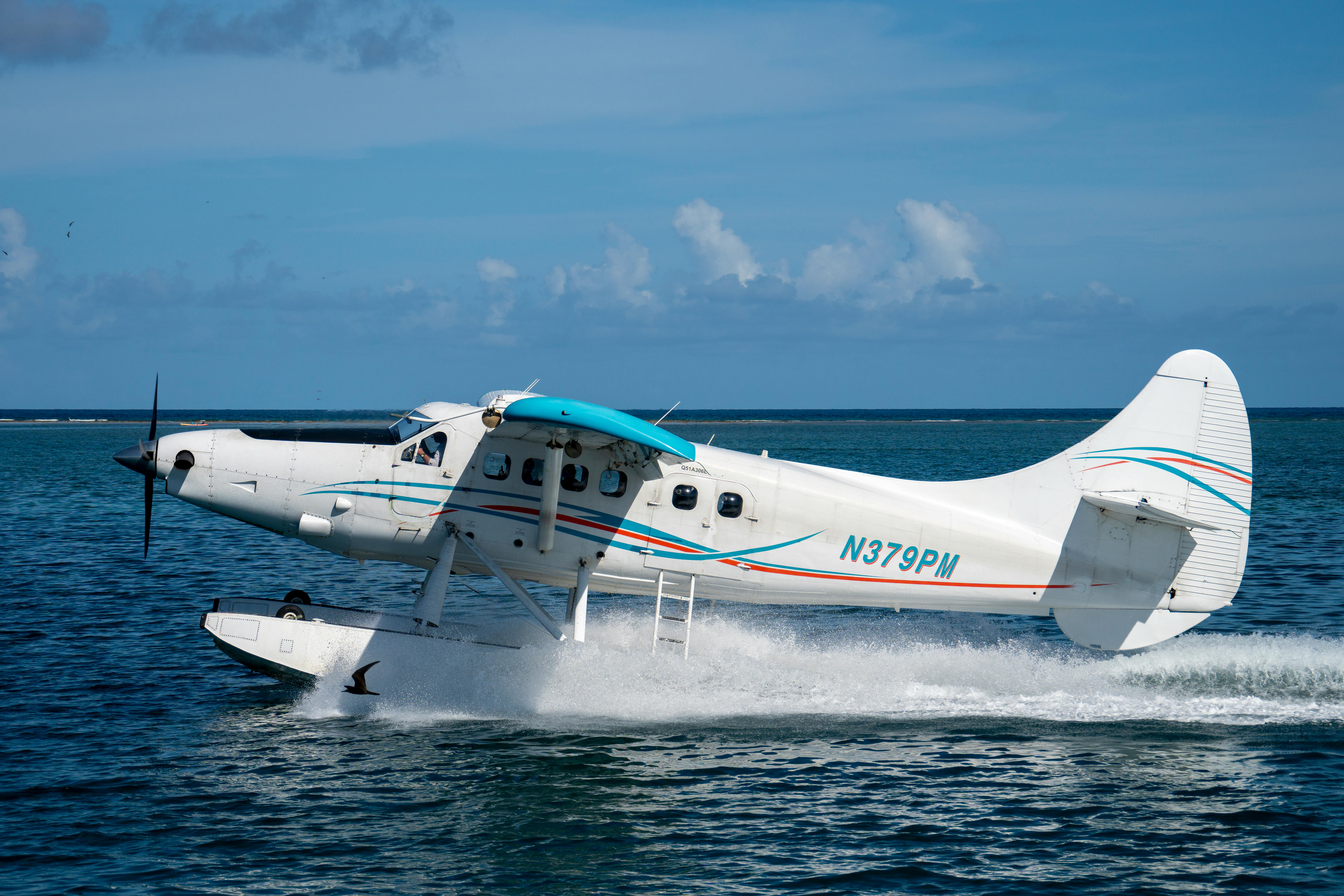
There are a few different types to understand before you start shopping. A seaplane is a broad term for any aircraft designed to operate on water. Within that category, you have two main designs. The first is the flying boat, where the body of the aircraft — called the hull — acts like a boat when on the water. The second is the floatplane, where the aircraft sits on large pontoons called floats that are attached below the fuselage. An amphibious aircraft adds retractable landing gear to either of these designs so the plane can roll onto a runway just like a normal aircraft when needed.
Good to Know: Not every seaplane is a true amphibian. Some are water-only designs that cannot use a paved runway at all. If land operation matters to you, always confirm the aircraft has retractable wheeled gear before buying.
The different float plane configurations available today range from small two-seat sport aircraft to larger cabin-class planes built for serious travel. Each has its own strengths depending on where you plan to fly and how many people you want to bring along.
What Makes the Airframe Unique
Here is what sets the structure of an amphibious personal aircraft apart from a standard land plane:
- The hull or floats are reinforced to handle the stress of water landings and wave action
- Retractable gear folds away during water operations to reduce drag and keep spray away from the wheels
- Wings are often mounted higher on the fuselage to keep engines and propellers clear of water spray
- Many models use tip floats or sponsons on the wings to keep the aircraft balanced while it sits on the water
The Icon A5 is probably the most recognizable personal amphibious aircraft on the market today. It has a sleek, sporty design and is built specifically for recreational pilots. But it is just one example of a growing market that gives everyday pilots access to some of the most spectacular flying experiences in aviation.
One thing worth knowing upfront: landing on water requires a different set of skills than landing on a runway. Water surfaces can look calm but behave unpredictably. Most instructors recommend getting hands-on training before you ever attempt a solo water approach.
Amphibious Aviation in a Nutshell
Amphibious and flying-boat aircraft have a long history in aviation. In the early days of flight, many pioneers saw water as the ideal runway — it was flat, wide, and available almost everywhere. Flying boats became important tools for long-distance travel in the early and mid-twentieth century, crossing oceans at a time when paved runways were rare.
Military applications drove major development during the two world wars. Aircraft like the Grumman Albatross were built for search and rescue operations, capable of landing on rough ocean swells to recover downed airmen. After the wars, surplus designs made their way into civilian hands, and a community of dedicated water-flying enthusiasts grew around them.
Fun Fact: Water flying communities have existed in the Pacific Northwest and Alaska for well over a century, and floatplanes are said to have been a primary mode of transportation for remote communities long before roads were built into many of those areas.
Today, amphibious personal aircraft benefit from modern composite materials, more efficient engines, and improved safety systems. The result is a category of aircraft that is both safer and more capable than its predecessors while still carrying that unmistakable spirit of adventure.
Where Can an Amphibious Personal Aircraft Take You?
This is where things get genuinely exciting. When you own one of these aircraft, your destination list grows dramatically. You are no longer limited to airports and airstrips. You can land on lakes, rivers, bays, coastal inlets, and even sandy beaches in some locations, as long as local regulations allow it.
The United States alone has an enormous number of lakes and rivers, and an amphibious aircraft opens up many of them as potential landing spots that most pilots never get to use. Combined with the country's thousands of public and private airstrips, the range of accessible destinations is hard to match with any other type of personal aircraft.
Common Destinations for Water Pilots
Here are the kinds of places pilots commonly reach with these aircraft:
- Remote fishing lakes in Alaska and Canada that have no roads or runways nearby
- Coastal communities in Florida, the Pacific Northwest, and the Carolinas with direct water access
- Island destinations in the Bahamas, Hawaii, and the Caribbean where water landings are practical
- National forests and wilderness areas where floatplane bases provide the only air access
- Private waterfront properties where owners can land directly at their dock
Planes that can land on water open up a completely different style of travel. Instead of renting a car from an airport, you might land on a lake a short distance from your cabin. Instead of flying into a busy regional hub, you might splash down in a quiet bay and tie up at a marina.
Why It Matters: Water access changes the nature of flying. For pilots in coastal regions or near major lake systems, an amphibious aircraft is not just a luxury. It is a genuinely practical tool for getting to places that simply are not reachable any other way.
Water landings do require planning. You need to check local rules, water traffic, depth, and surface conditions before you commit to any landing zone. But for pilots who do that homework, the payoff is a level of access and adventure that is hard to match in any other category.
Why Are More Pilots Choosing an Amphibious Personal Aircraft?
The short answer is flexibility. Pilots who own these aircraft are not locked into one style of flying. They can use land airports when it makes sense and switch to water operations when the destination calls for it. That combination is genuinely powerful.
But flexibility is not the only reason. Here is what pilots consistently say draws them to this category:
- Adventure flying appeals to a growing number of general aviation pilots who want more from their time in the air than just getting from point A to point B
- Modern amphibious designs have improved useful load, allowing pilots to carry passengers and gear without sacrificing too much performance
- New composite materials have made airframe construction lighter and more corrosion-resistant than older metal designs
- Sport pilot rules have made smaller amphibious designs more accessible to newer pilots without a full private certificate
- The community around water flying is tight-knit and welcoming, with dedicated fly-ins and events specifically for seaplanes and amphibious aircraft
There is also a practical side to the appeal. In parts of Alaska, the Pacific Northwest, and coastal regions, water-based aviation is not just a hobby. It is a way of life. Communities that are not reachable by road rely on floatplanes and amphibious aircraft for supplies, mail, and transportation. Owning one in those areas is genuinely useful, not just fun.
Pro Tip: Before you commit to buying, attend a seaplane fly-in or splash-in event. These gatherings are common throughout the U.S. and are one of the best ways to meet experienced owners, sit in different cockpits, and get an honest sense of what day-to-day ownership actually looks like.
The growth of light-sport aircraft rules has also played a big role. Smaller, more affordable amphibious designs now qualify under sport pilot regulations, which means lower training requirements and lower operating costs for eligible pilots.
How Do You Choose the Right Amphibious Personal Aircraft?
Choosing the right amphibious personal aircraft is not a one-size-fits-all decision. The best aircraft for you depends on where you want to fly, how many people you want to bring along, how much you want to spend, and what kind of pilot certificate you already hold.
Who Should Buy an Amphibious Personal Aircraft?
Not every pilot needs or wants an amphibious aircraft, and that is perfectly fine. But certain types of pilots tend to get the most out of owning one.
You are likely a good candidate if:
- You live near or frequently travel to lakes, rivers, coastlines, or island destinations
- You enjoy backcountry or adventure flying and want access to remote places that runways cannot reach
- You are comfortable with additional training and operating procedures beyond standard land flying
- You want a versatile aircraft that handles both paved runways and water operations
- You are purchasing for a combination of personal travel and recreational use
You might want to think twice if you primarily fly short hops between busy airports, rarely fly near water, or are working with a tight budget. The added complexity and cost of an amphibian make the most sense when you will actually use the water capability on a regular basis.
What Features Matter Most?
Once you decide this category is right for you, the next step is figuring out which features should drive your choice. Here are the ones that experienced owners say matter most:
Hull or Float Configuration How the aircraft sits on water affects stability, drag, and ease of docking. Flying-boat-style hulls are generally more stable in rough water. Float-based designs on converted land planes can offer more versatility for light-sport operations. Understanding the key differences between a seaplane and a float plane will help you figure out which configuration fits your flying style.
Retractable vs. Fixed Gear True amphibious aircraft use retractable water rudders and wheeled landing gear that fold away during water operations. This is one of the most important features to verify. Some aircraft are water-only designs, meaning they cannot roll onto a runway at all. Those are not true amphibians.
All-Composite Airframe Many modern designs use an all-composite airframe, which is lighter than aluminum and resists corrosion from saltwater. This matters a great deal if you plan to operate near the ocean or in tidal areas.
Engine Choice The Rotax 912 engine is one of the most common powerplants in light amphibious designs. It is known for reliability and low fuel burn, which helps keep operating costs manageable. Larger amphibious aircraft may use Continental or Lycoming engines.
Keep in Mind: Engine choice affects not just performance but also maintenance costs and parts availability. Research what your local maintenance shops are comfortable working on before you commit to a specific powerplant.
Cruise Speed and Range Cruise speed in light amphibious aircraft typically falls somewhere between 80 and 120 knots. That is slower than many land planes, but the trade-off is water access. Make sure the range and cruise speed of the aircraft you are considering actually match your intended missions.
Gross Weight and Useful Load Pay close attention to gross weight limits. Amphibious aircraft tend to carry more structural weight than equivalent land planes, which can reduce your useful load. If you plan to fly with two people and gear on a regular basis, do the math carefully before committing to a model.
How Much Does an Amphibious Personal Aircraft Actually Cost?
Cost is one of the biggest factors for most buyers, and it varies widely in this category. Here is a general breakdown to help you frame your budget.
| Category | Estimated Price Range |
| Entry-level used (older Lake LA-4 or similar) | $50,000 to $120,000 |
| Mid-range used (well-maintained Cessna on floats, Maule) | $100,000 to $250,000 |
| New light-sport amphibious (Icon A5) | Around $389,000 new |
| High-end or larger amphibious (Dornier Seastar, Grumman Albatross) | $500,000 to over $1,000,000 |
| Kit-built aircraft (kit cost only, before labor and engine) | $30,000 to $80,000 |
Heads Up: Kit-built pricing can look attractive on paper, but total build costs typically climb significantly above the base kit price once you factor in engine, avionics, labor, and finishing. Always budget conservatively.
Beyond the purchase price, plan for these ongoing ownership costs:
- Annual inspections and maintenance, which typically run higher than equivalent land aircraft
- Corrosion prevention and hull or float inspections, especially for saltwater operations
- Hangar or mooring fees depending on where you base the aircraft
- Insurance, which tends to be higher for water-capable aircraft due to the additional operational complexity involved
Comparing Ownership Costs: Amphibious vs. Standard Land Plane
| Cost Category | Standard Land Plane | Amphibious Aircraft |
| Annual inspection | Lower | Higher |
| Hull/float maintenance | Not applicable | Required annually |
| Corrosion treatment | Minimal | Significant for saltwater ops |
| Insurance premium | Standard | Higher |
| Hangar or mooring | Hangar only | Hangar or water mooring |
| Operating cost per hour | Lower | Moderate to higher |
Which Amphibious Personal Aircraft Models Are Worth Considering?
Several solid options exist at different price points and mission profiles. Here is a closer look at the most notable ones currently available.
Icon A5
The Icon A5 is the current benchmark for modern amphibious light-sport aircraft. Built by Icon Aircraft, it features an all-composite fuselage, fold-up wings for easy storage, and a design focused on safety and ease of use. It includes angle-of-attack indicators and spin-resistant wings, which make it one of the more forgiving options for newer pilots. It qualifies as a special light-sport aircraft (S-LSA), meaning it can be flown with a sport pilot certificate and a seaplane endorsement. Among the best amphibious aircraft currently available, the Icon A5 consistently ranks near the top for recreational buyers.
Lake LA-4
The Lake LA-4 is a classic amphibious seaplane that has been around since the mid-twentieth century. It uses a flying-boat design with a high-wing layout and cabin seating for up to four people. Used examples are considerably more affordable than new aircraft, and parts remain available. It is a solid choice for pilots who want a practical, proven amphibian with room for passengers and gear.
Fun Fact: The Lake LA-4 has been in continuous use by civilian pilots for many decades and is often considered one of the most practical amphibious designs ever built for personal use.
Grumman Albatross
The Grumman Albatross is a large, twin-engine flying boat originally built for military search and rescue missions. Civilian versions are available and are generally considered collector aircraft. These are complex, expensive machines to operate but offer significant range and payload compared to smaller personal designs. Owning one is a serious undertaking, but for pilots who love aviation history, few aircraft are as impressive.
Dornier Seastar
The Dornier Seastar is a modern, German-designed composite flying boat with twin pusher engines. It seats multiple passengers and represents one of the more advanced amphibious designs currently in production. While it is larger than most personal-use aircraft, smaller configurations exist for those who need capacity and performance.
Amphibious Light-Sport Conversions
Several manufacturers produce float and amphibious conversion kits for existing light-sport aircraft. These allow you to take a standard light-sport design and add water capability. The result is an amphibious plane at a lower entry cost than buying a purpose-built design. Performance will vary depending on the base aircraft and conversion used, so always research specific combinations before purchasing.
Pro Tip: If you are new to water flying, a light-sport conversion on a familiar airframe can be a gentler introduction than jumping straight into a dedicated flying-boat design. The handling in the air will feel familiar while you build your water skills.
What Licenses Do You Need to Fly an Amphibious Personal Aircraft?
This section catches a lot of buyers off guard, so it is worth reading carefully before you go any further.
License Requirements by Aircraft Type
| Certificate Type | Required For | Medical Needed? |
| Sport pilot certificate + seaplane endorsement | S-LSA amphibious aircraft like the Icon A5 | Valid driver's license only |
| Private pilot certificate + single-engine sea rating | Most other amphibious aircraft types | FAA third-class medical |
| Commercial or ATP certificate | Flying passengers for compensation | FAA medical required |
The FAA does not require a separate amphibious rating. The seaplane rating covers both floatplane and flying-boat operations. However, most instructors strongly recommend getting hands-on time in the specific configuration of aircraft you plan to buy, since hull designs and float designs handle quite differently on the water.
How Long Does Training Take?
Training for a seaplane rating typically takes somewhere between five and ten flight hours. There are seaplane training centers across the U.S. that specialize in this work. It is one of the faster ratings to add to your certificate, and most pilots describe the training as genuinely enjoyable.
The curriculum covers water taxiing, step turns, glassy-water and rough-water takeoffs and landings, confined-area operations, and docking. Each skill builds on the last, and the progression feels natural once you get comfortable with how the aircraft behaves on the surface.
Quick Tip: Many seaplane schools offer two- to three-day intensive courses that cover everything you need for the rating. If you have an existing private certificate, you can often complete the seaplane rating in a single long weekend.
Before you buy, get at least a discovery flight in an amphibious aircraft. Water operations — taxiing, docking, and landing — feel very different from what most land pilots expect, and a short flight will help confirm that this style of flying is the right fit for you.
Practical Tips for First-Time Amphibious Aircraft Buyers
Buying your first amphibious aircraft involves a few considerations that do not come up with standard land planes. Here is a short list of things experienced owners say they wish they had known before their first purchase.
- Always get a pre-purchase inspection from an A&P mechanic who has specific experience with amphibious or floatplane aircraft. General experience is helpful, but water exposure creates issues that not every mechanic is trained to find.
- Ask about the aircraft's operating history. Has it been used primarily in fresh water or saltwater? Saltwater exposure accelerates corrosion and significantly affects long-term maintenance costs.
- Verify the gear mechanism works smoothly and has been recently serviced. The retractable gear on an amphibious aircraft sees more cycles and more stress than on a typical land plane.
- Confirm that the aircraft's logbooks are complete and that major maintenance items like hull inspections and float checks are documented.
- Check with your insurance provider before you finalize a purchase. Coverage for amphibious aircraft requires specialized underwriters, and premium costs can vary widely by model and your experience level.
Good to Know: Some states require pilots to register with state fish and wildlife agencies before conducting regular water landings on public lakes or rivers. This is separate from your FAA certification and worth sorting out before your first flight in a new area.
Conclusion
Owning an amphibious personal aircraft is one of the most rewarding decisions a pilot can make — if it matches the kind of flying you actually want to do. These aircraft require more preparation, more training, and more budget than a standard land plane, but they deliver experiences that are genuinely hard to find anywhere else in general aviation. From quiet mountain lakes to coastal bays to sandy shorelines, the destinations open to you expand dramatically once you add water operations to your skill set.
Take the time to choose the right model, get the right training, and do your homework on costs before you sign anything. When you do it right, there is nothing quite like splashing down on glassy water at sunrise with nowhere else to be.
For more guidance on buying, selling, and owning aircraft, Flying411 is a resource worth keeping close as you move through this process.
Frequently Asked Questions
Can I land an amphibious personal aircraft on any lake or river I want?
Not exactly. The airspace above water is generally uncontrolled, but the water surface itself may be managed by state or local authorities. Some lakes prohibit aircraft landings entirely. You need to check with state fish and wildlife agencies, the U.S. Army Corps of Engineers, and local regulations before landing on any body of water to avoid fines or legal issues. Always do this research before you fly to a new area for the first time.
How long does it take to get a seaplane rating in the U.S.?
Most pilots complete a seaplane rating in somewhere between five and ten flight hours, depending on their existing experience and the training program they choose. Many seaplane schools offer two- to three-day intensive courses that cover everything from water taxiing to step turns to confined-water takeoffs. It is one of the faster ratings to earn and, by most accounts, one of the most enjoyable.
Are amphibious aircraft harder to maintain than regular planes?
Yes, generally speaking. Amphibious aircraft require additional maintenance related to water exposure, including corrosion prevention, hull or float inspections, and care for the retractable gear mechanisms that transition between land and water use. Saltwater operations require even more diligent upkeep. Budget for higher annual maintenance costs compared to an equivalent land-based aircraft.
What is the typical useful load of a personal amphibious aircraft?
Useful load varies widely by model. Small light-sport amphibious aircraft like the Icon A5 have a useful load in the range of roughly 430 to 500 pounds, which is enough for two people and some gear. Larger designs like the Lake LA-4 carry more. Always calculate your actual payload — pilot, passenger, fuel, and baggage — before assuming a model will work for your typical missions.
Can I use an amphibious aircraft for water-only operations if that is my primary destination?
Yes. True amphibious aircraft are fully capable of water-only operations. You simply keep the wheeled gear retracted during water use. Some pilots prefer this approach for lighter weight and simplicity during dedicated water-flying trips. The amphibious capability simply gives you the added option of landing on a runway when you need to stop at an airport for fuel, weather, or maintenance.
What is the difference between a flying boat and a floatplane?
A flying boat uses the aircraft's main hull as the flotation device. The fuselage itself sits in the water like a boat. A floatplane, by contrast, uses separate pontoons — called floats — mounted below the fuselage to keep the aircraft above the water surface. Both designs can be built as true amphibians by adding retractable wheeled landing gear, but they feel and handle differently on the water. Flying boats tend to be more stable in rougher conditions, while floatplane conversions often allow more flexibility in terms of base airframe options.
Is saltwater flying significantly different from freshwater flying?
The flying itself is broadly similar, but saltwater operations require a much higher level of maintenance discipline. Saltwater is highly corrosive, and even brief exposure can accelerate deterioration of metal components, control surfaces, and hull or float materials. Pilots who regularly fly from saltwater need to rinse their aircraft thoroughly after every operation and follow a more aggressive corrosion-prevention schedule. If saltwater is your primary environment, prioritize all-composite airframe designs and factor in higher annual maintenance costs when budgeting.
Do I need special equipment or avionics for water flying?
No specific avionics are required beyond what the FAA mandates for the airspace you plan to fly in. However, experienced water pilots often recommend carrying a waterproof handheld VHF radio as a backup, a personal flotation device for each occupant, and an anchor and rope for securing the aircraft at remote water locations. A marine radio is also useful if you plan to operate near active boat traffic. Common sense and good preflight planning go a long way in water flying.