Have you ever seen a plane glide across the surface of the water and wondered how it does that? Some aircraft are built to handle both sky and sea with ease. These special planes open up a whole new kind of flying—where a calm lake or open ocean can serve as a runway. But while many people use the words seaplane and float plane interchangeably, they don’t mean the same thing.
To understand what separates them, it helps to start with how an aircraft designed for water flight actually works. From the shape of the hull to the floats or pontoons, every part plays a role in helping the plane take off, stay balanced, and land on water safely. Let’s start with the basics of what makes an aircraft water-capable before comparing their unique designs and performance.
What Makes an Aircraft Water-Capable
For an aircraft capable of landing and taking off from water, it needs more than strong wings. It needs a body built to handle the extra challenges that come with contact with water—like waves, drag, and corrosion. The main goal is to create a balance between flight performance and water handling.
STRUCTURE AND DESIGN
- Seaplanes are aircraft designed to operate directly on the water. Instead of wheels, they rely on floats or pontoons or have a boat hull that lets them float like a boat.
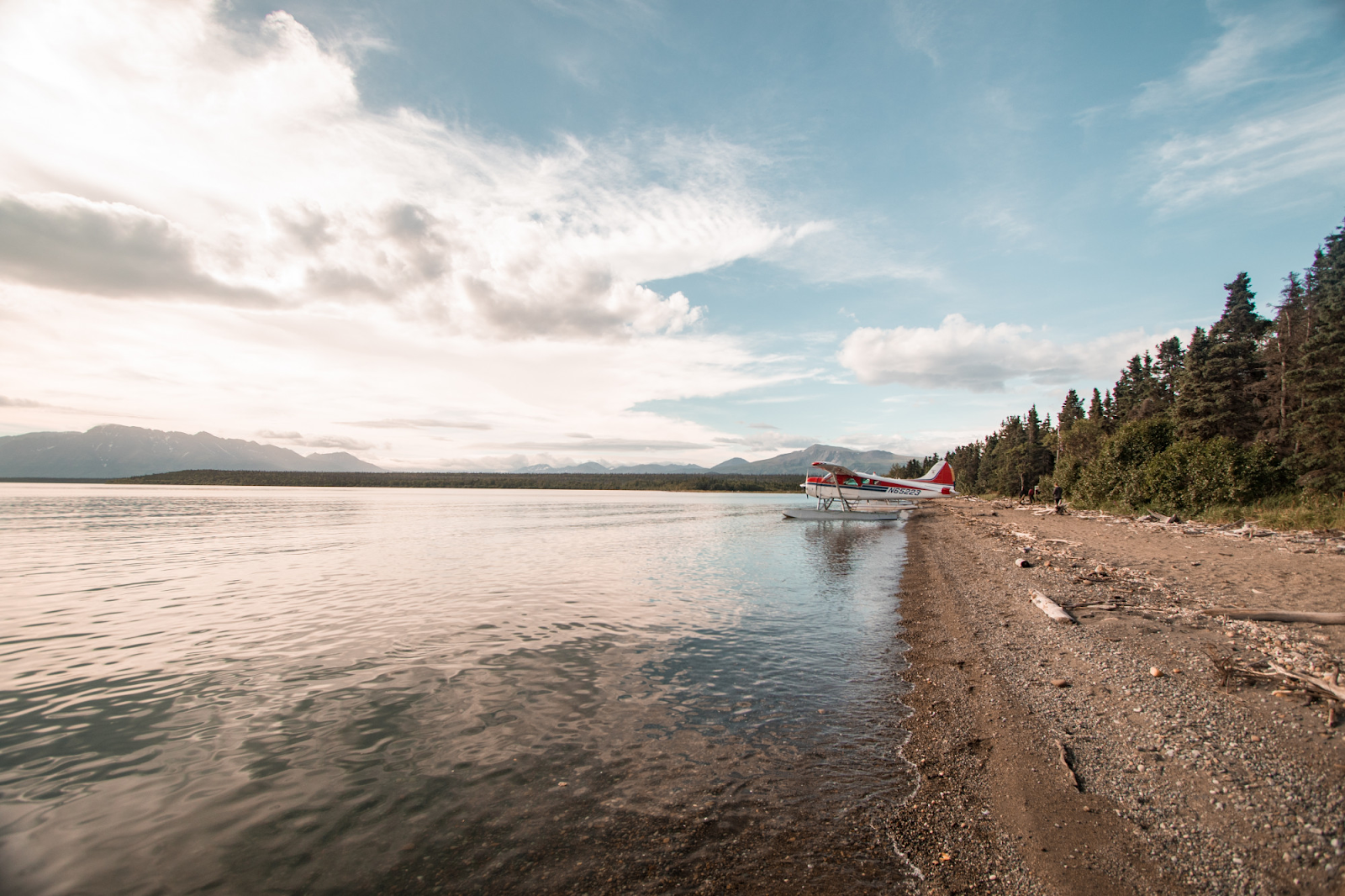
- A float plane is a land-based aircraft that’s been modified by attaching floats to a landplane. Its fuselage is not in contact with the water; instead, the plane rests on two main floats.
- A flying boat—another type of seaplane—has a large, sturdy hull in the water, built to take the full impact of waves during takeoff and landing.
WATER HANDLING AND PERFORMANCE
When an aircraft can take off from water, it needs a smooth transition from floating to flying. The floats or pontoons provide buoyancy, keeping it stable until enough speed builds for takeoff.
- The ability to land on water safely depends on the water tightness and general impact strength of its structure.
- During water landings, the aircraft to leave the water must align perfectly to reduce drag and avoid damaging the pontoons for water landings.
- Amphibious models include retractable landing gear, letting them operate from land or a body of water. These are known as amphibians, designed for flexibility.
EXAMPLES OF WATER-CAPABLE AIRCRAFT
- The Cessna and Beaver are well-known floatplanes, used for shorter trips and water or land access.
- The Otter and Twin Otter are sturdy amphibious aircraft often used for regional transport.
- Classic flying boats like the PBY Catalina were large seaplanes capable of long-range missions across the open ocean.
Water-capable planes have a special mix of design, material strength, and skillful piloting. From amphibious floats to wheeled landing gear, every feature helps these aircraft handle both sky and sea environments.
Seaplane vs Float Plane: Structure and Performance
The difference between a floatplane and a seaplane mainly comes down to structure and how they touch the water. Here’s a clear breakdown:
| Feature | Seaplane (Flying Boat) | Float Plane |
| Main Body Design | Has a boat hull built to float directly on the water | Uses floats or pontoons instead of wheels |
| Contact with Water | The hull in the water supports the entire aircraft | The fuselage is not in contact with water |
| Takeoff and Landing | Sits like a boat hull on the surface before lifting off | Floats to a landplane also create drag before lift-off |
| Landing Gear Options | Some are amphibious with retractable landing gear | Can have straight float or amphibious floats |
| Typical Examples | PBY Catalina, large seaplanes | Cessna, Beaver, Otter |
| Runway Needed | Uses a body of water as its runway | Can operate from water or airport (if amphibious) |
| Drag and Weight | Slightly heavier, more resistant due to boat hull | Lighter but more drag from floats or pontoons |
PERFORMANCE FACTORS
- Floatplanes and flying boats behave differently during takeoff and landing. A floatplane generates more drag because the floats to a landplane create extra resistance.
- Large seaplanes perform better on rough water because the boat hull provides more stability and general impact strength.
- The floatplane vs seaplane difference also affects speed. Seaplanes are often slower due to drag and weight, while floatplanes can be more agile.
VERSATILITY
An amphibious sea plane can land and take off from both airport and open ocean locations. These aircraft fitted with retractable or wheeled landing gear make them more adaptable than a standard aircraft.
So, what’s the difference between the two? The main factor is how the aircraft comes into contact with water. A seaplane’s fuselage meets the surface like a boat, while a floatplane rests on pontoons. Both are unique and practical—perfect for pilots who value flexibility and adventure across air and sea.
HOW SEAPLANES AND FLOATPLANES OPERATE IN WATER AND AIR
Flying over lakes and coastlines is one of the most exciting things a pilot can experience. But before an aircraft can glide over the water or lift off from it, there’s a lot of careful design and operation involved. The way seaplanes and floatplanes move between water and sky depends on their shape, engine setup, and how the pilot handles each stage of flight.
Let’s take a closer look at how these aircraft take off and land, what makes them stable on water, and how different designs influence performance and safety.
WATER OPERATIONS: FLOATING, TAXIING, AND LIFTING OFF
When an aircraft is water-based, it needs to handle conditions that landplanes never deal with—like waves, currents, and the smooth but unpredictable surface of a lake or ocean. Every step, from floating to climbing into the air, is a process that depends on balance and control.
Here’s how a water departure usually works:
- Floating and Taxiing
- Before takeoff, a seaplane or floatplane sits calmly on the water.
- Pilots use the aircraft’s rudders and sometimes water rudders (small fins at the back of the floats) to steer.
- The pilot faces wind direction carefully, since wind can make the nose turn or cause uneven lift.
- Building Speed for Takeoff
- As power increases, the aircraft begins to move faster.
- The floats or seaplane floats start to rise slightly as water resistance decreases.
- Once the plane reaches “on the step” position—where it’s planing across the surface—the drag drops, and it’s ready to lift off.
- Lift-Off
- The pilot adjusts the control surfaces, and the wings produce enough lift to pull the aircraft free from the surface.
- Once in the air, the pilot keeps a steady climb to avoid sudden loss of lift caused by water spray or turbulence.
Taking off from water takes longer than from a hard runway because the water creates more drag. Pilots also need more skill to manage uneven conditions, like wind direction and wave height.
LANDING SAFELY ON WATER
Landing a floatplane and seaplane safely takes experience and precision. Pilots must judge the water’s surface, wind speed, and direction before committing to their descent.
Here’s what happens during water landing:
- The pilot approaches at a shallow angle and reduces power gradually.
- As the plane slows down, it touches the water tail-first or with both floats gently.
- If the water is rough, pilots land slightly faster to maintain control.
- Once the aircraft settles, it slows to a stop using drag from the water itself.
The goal is to land on the water as smoothly as possible. Too hard a landing can stress the structure or cause spray to hit the propeller.
Amphibious versions, equipped with retractable landing gear, can switch between take-off and landing on both land and water. This dual capability makes them perfect for remote areas where no airport exists.
ENGINE SETUP AND FLIGHT CONTROL
The engine type affects how the plane handles both in the air and on the water. Most seaplanes and floatplanes use single engine configurations mounted either above the wings or on the nose. This setup keeps the propeller high enough to avoid water spray during taxiing or takeoff.
Flight control differences include:
- Floatplane wings usually sit higher to prevent water from touching the tips.
- Flying boats—one type of seaplane—may have hull extensions or stabilizing floats under the wings for balance.
- Control surfaces (rudder, elevator, and ailerons) are often larger than those of standard landplanes to give better control at slower speeds.
Some types of seaplanes even include water rudders connected to the main control system, which allows smooth steering while taxiing or docking.
STRUCTURAL DESIGN AND PERFORMANCE
The design of a seaplane or floatplane affects everything from handling to fuel use. Water operations require stronger materials and reinforced structures to handle the constant contact with water and high stress during takeoff.
Key design points:
- Floats and Hull: Must be watertight and corrosion-resistant. The fuselage or floats are made from aluminum or composite materials.
- Weight and Balance: Heavier floats increase drag, which reduces climb rate and speed.
- Drag Management: Designers work to reduce drag by shaping the hull and floats to cut through water efficiently.
A floatplane and seaplane must also maintain excellent water tightness. Any leak or imbalance can make taxiing unsafe or cause uneven lift during takeoff.
WATER HANDLING AND SAFETY
Operating from a body of water is never identical twice. Waves, currents, and wind can change in minutes. That’s why pilots study the water carefully before attempting to take off or land.
Safety practices include:
- Checking for floating debris or shallow spots.
- Avoiding strong crosswinds.
- Watching for other boats or swimmers in the area.
- Adjusting weight distribution for smoother water contact.
Pilots also avoid sharp turns during high-speed taxiing since the aircraft can dip a float and lose balance.
Amphibious seaplanes, which can operate from land or sea, add an extra layer of complexity. The pilot must always know if the landing gear is up or down—landing on water with the gear extended can flip the plane instantly.
PERFORMANCE DIFFERENCES BETWEEN LAND AND WATER
Operating on water changes everything about how the plane performs. A land based aircraft relies on firm ground for acceleration and braking, while a water-capable plane has to overcome the drag of waves and spray.
- Acceleration: Water creates more resistance, so water takeoff distances are longer.
- Braking: There are no brakes on water—pilots rely on drag and power control.
- Climb and Cruise: Added float weight reduces climb rate slightly.
- Fuel Efficiency: Extra drag lowers fuel economy compared to landplanes.
Despite these challenges, seaplanes provide unmatched access to remote areas. They can reach islands, lakes, and rivers far from traditional airports.
TYPES AND EXAMPLES OF SEAPLANES
There are several types of seaplanes, each built for different missions and environments.
Main Categories:
- Flying Boats – Have a full hull and sit directly on the water.
- Floatplanes – Use detachable floats instead of a hull.
- Amphibious Aircraft – Combine both land and water abilities.
Common examples include:
- Cessna Caravan on floats – A popular choice for charter services.
- De Havilland Beaver – A rugged utility plane for short trips.
- PBY Catalina – One of the largest seaplanes ever built, used for long-range patrol and rescue missions.
Each model shows how the balance between air and water operation can be achieved through smart design and pilot skill.
HOW PILOTS HANDLE DIFFERENT CONDITIONS
Operating a water-capable aircraft requires extra training and awareness. Pilots must know how wind, waves, and currents affect the take-off and landing process.
Common challenges include:
- Judging surface reflections that make it hard to see waves.
- Estimating depth to avoid grounding.
- Managing engine power to prevent propeller spray.
- Adjusting control inputs for gusty winds or choppy conditions.
Despite the challenges, experienced seaplane pilots often describe it as one of the most rewarding forms of aviation. Flying over open water or touching down on a remote lake provides a freedom that few land-based flights can match.
WHY SEAPLANES MATTER TODAY
Seaplanes still play an important role in aviation. They serve regions without runways, deliver cargo, perform rescues, and connect islands. Because they can land directly on lakes or coastlines, they’re valuable tools for tourism and transport in remote areas.
They also represent an important term for any aircraft that combines engineering, creativity, and adaptability. While they require more maintenance due to corrosion and water exposure, their flexibility outweighs the drawbacks.
Even the largest seaplanes ever built—like the PBY Catalina—show how engineers pushed limits to create machines capable of taking off from the sea and soaring through the sky. Modern designs continue to evolve, using lighter materials and improved amphibious systems to make water flying safer and more efficient.
In short, every floatplane and seaplane brings together clever design and careful flying skill. They can land directly on rivers, lakes, or coastal waters, then rise smoothly into the air again. From simple single engine models to the massive patrol aircraft of the past, they remain a fascinating example of how aviation adapts to every environment—air, land, and sea alike.
Conclusion
Understanding the difference between a floatplane and a seaplane helps explain how aircraft can land directly on lakes, rivers, and even the open ocean. While seaplanes rely on a built-in boat hull, floatplanes use pontoons to stay above the water. Each design has strengths that fit specific flying needs—some are built for smooth water landings, others for versatility across water or land.
Want to learn more about aircraft types, flying techniques, or buying options? Visit Flying411 to explore guides, resources, and expert advice on everything aviation—including seaplane vs float plane: key differences and how they work.
FAQs
1. WHAT IS THE MAIN DIFFERENCE BETWEEN A FLOATPLANE AND A SEAPLANE?
A floatplane uses floats for buoyancy, while a seaplane has a boat-shaped hull that rests directly on the water.
2. CAN SEAPLANES TAKE OFF FROM REGULAR RUNWAYS?
Some can! Amphibious seaplanes have retractable landing gear, allowing them to use both runways and water surfaces.
3. WHICH IS BETTER FOR ROUGH WATER—FLOATPLANE OR SEAPLANE?
Seaplanes with a boat hull handle rough water better due to their strong hull design and greater stability.
4. DO FLOATPLANES REQUIRE SPECIAL PILOT TRAINING?
Yes. Seaplane pilots need extra training to handle water operations, including takeoff, landing, and docking techniques.
5. WHAT ARE SOME POPULAR SEAPLANE AND FLOATPLANE MODELS?
Common models include the Cessna 185, de Havilland Beaver, Twin Otter, and PBY Catalina. Each offers unique performance for different missions.