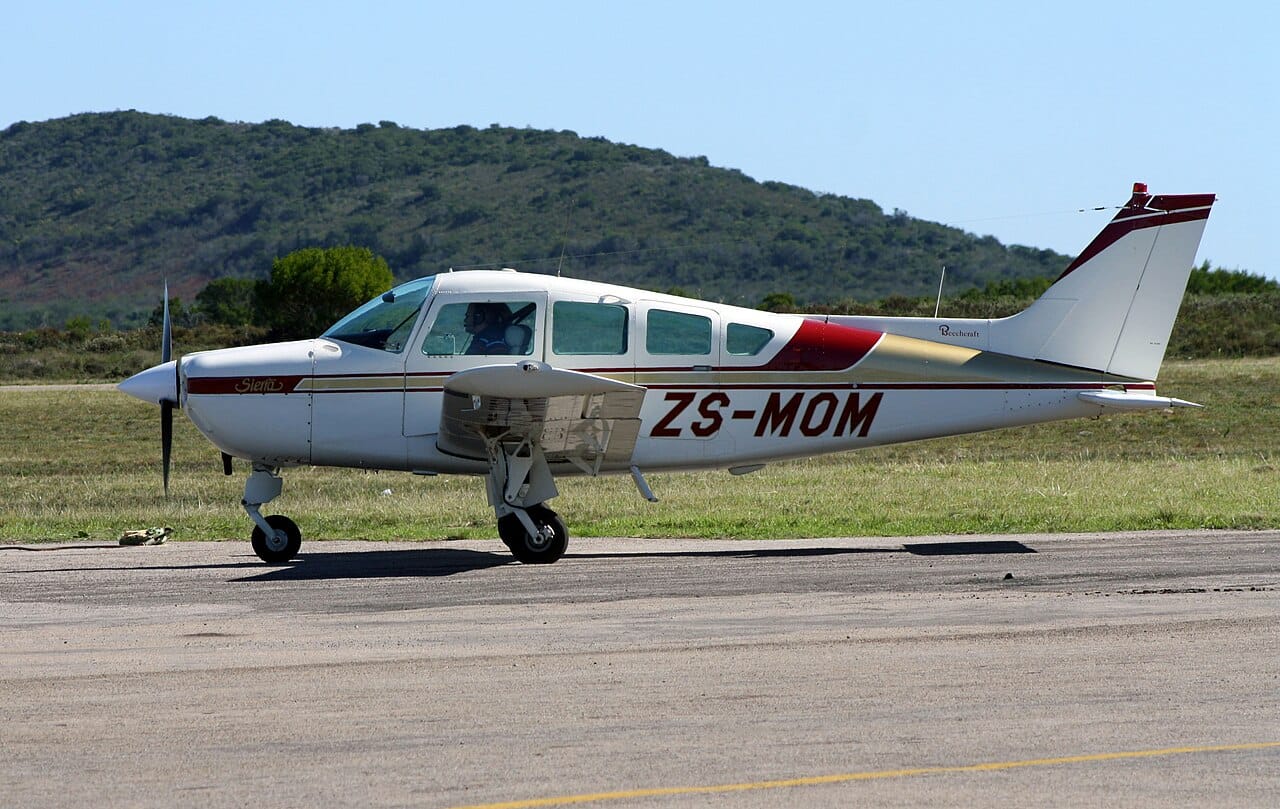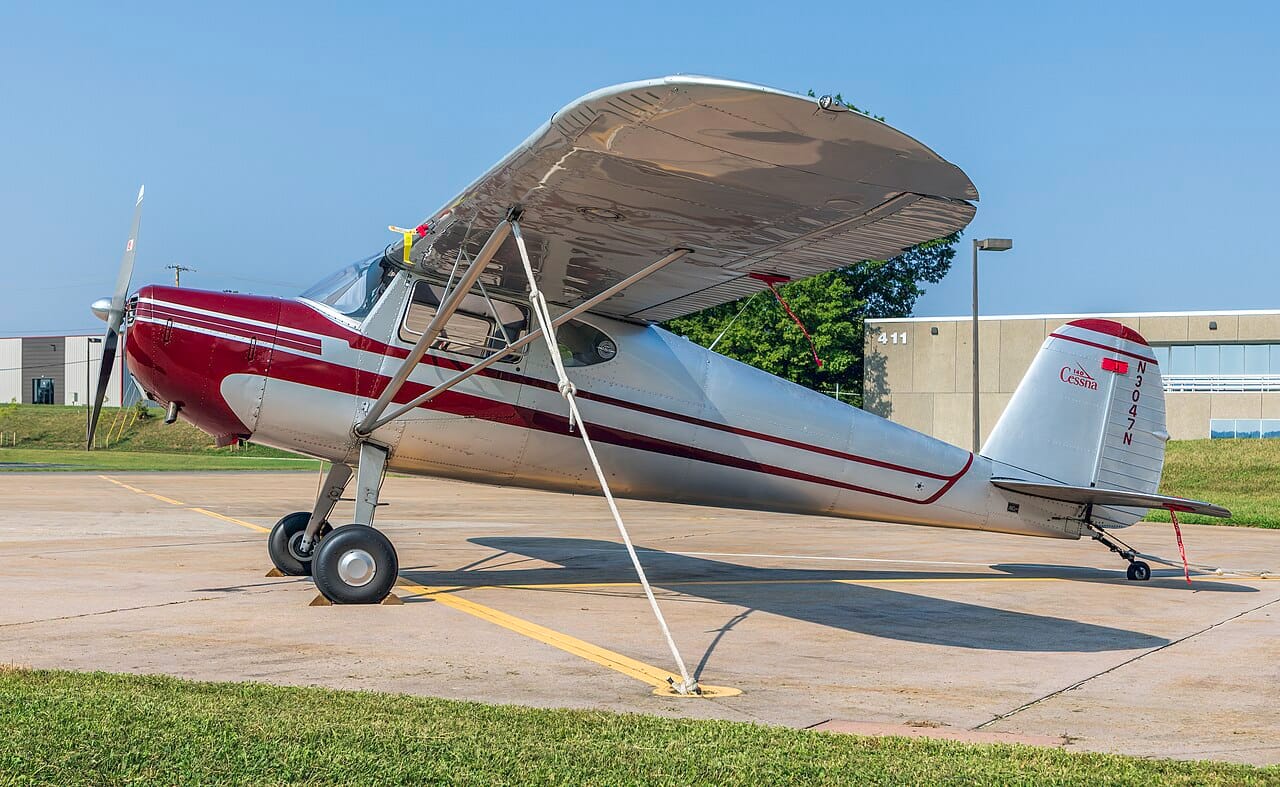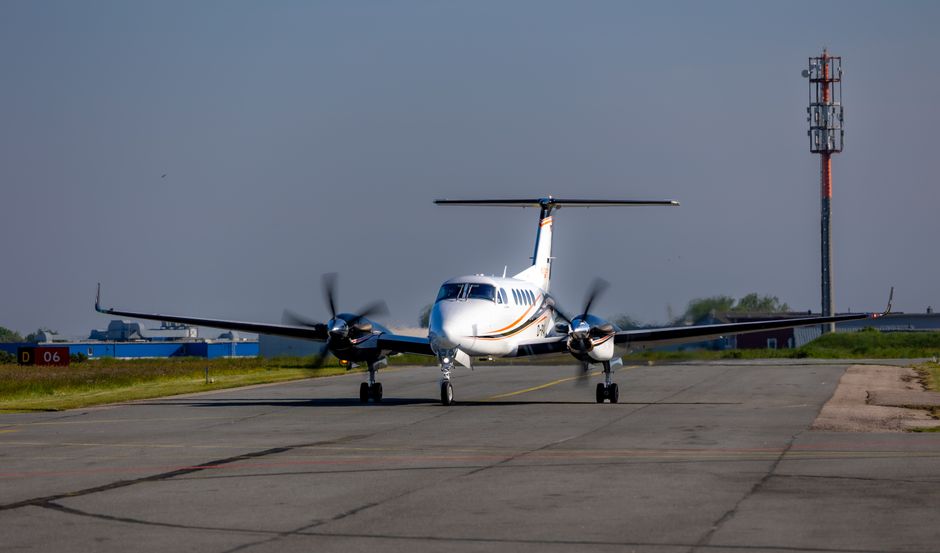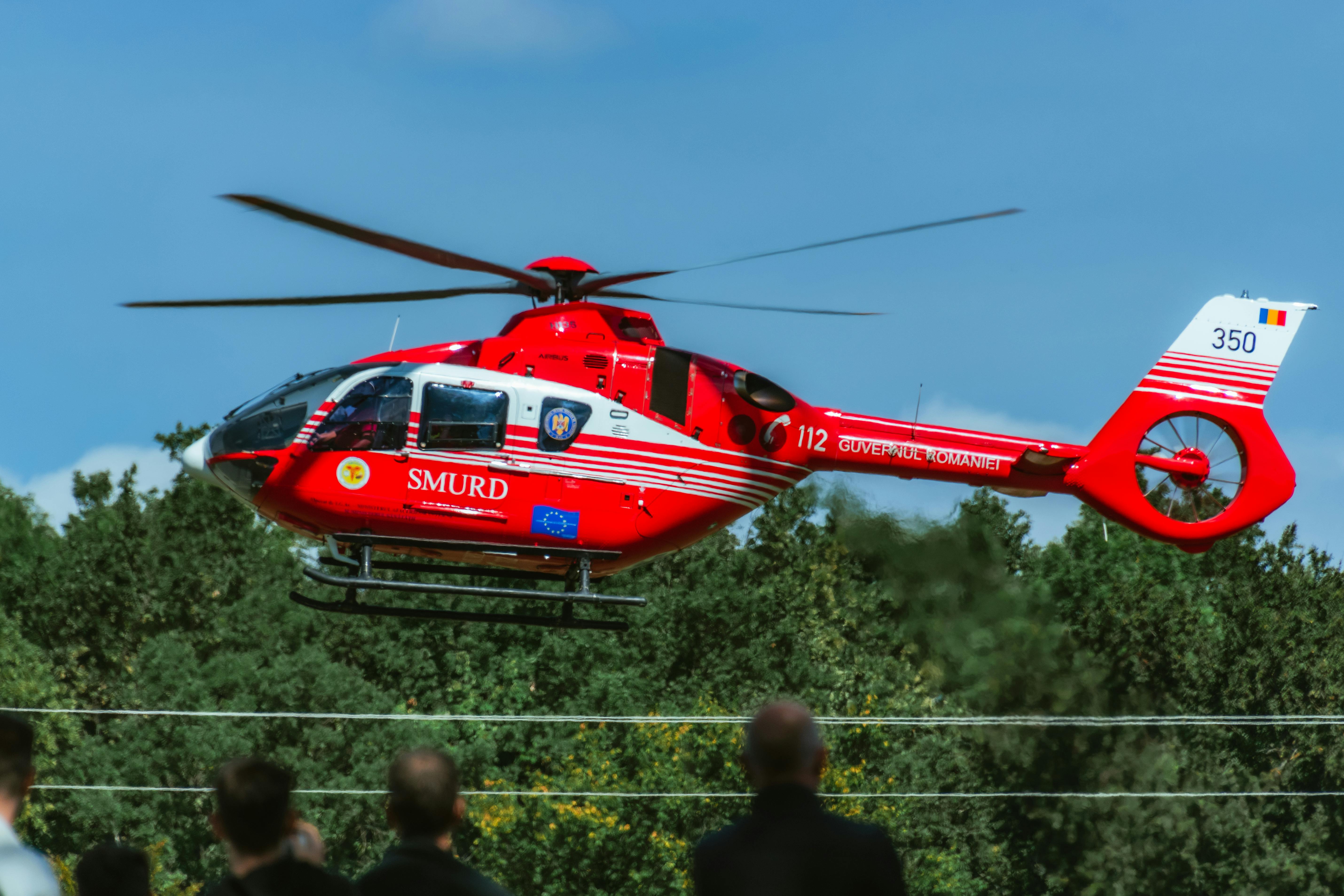
Picture two aircraft parked side by side — a sleek Cessna 172 and a Robinson R44 helicopter. Both fly. Both need a trained pilot. Both fall under FAA oversight. But beyond that, they live in almost entirely different worlds. The rotary wing aircraft vs helicopter question is one that trips up a surprising number of people, partly because the language gets tangled fast. Is a helicopter a rotary wing aircraft? Is a plane a fixed-wing aircraft? Are these licenses interchangeable? And which path makes more sense if you actually want to fly?
This guide cuts through the confusion. It covers how rotary wing and fixed-wing aircraft work, what separates a helicopter from other rotorcraft, what each type of pilot certificate actually involves, and how to figure out which path fits your goals.
Whether you're a curious newcomer or someone seriously weighing a career in aviation, you'll walk away with a clear picture of both sides of the sky.
Key Takeaways
A rotary wing aircraft is any aircraft that gets its lift from spinning rotor blades — and yes, a helicopter fits perfectly into that category. Helicopters are the most common type of rotary wing aircraft, but the two terms aren't always interchangeable. Fixed-wing aircraft, like planes, use stationary wings and need forward speed to stay airborne, while rotorcraft can hover, take off vertically, and fly in tight spaces. The licenses, training paths, and costs differ quite a bit between the two.
| Topic | Rotary Wing (Helicopter) | Fixed Wing (Airplane) |
| Lift Source | Spinning rotor blades | Stationary wings + forward speed |
| Takeoff | Vertical (no runway needed) | Requires runway |
| Hover Ability | Yes | No |
| Training Time | ~150–200+ flight hours typical | ~40–70 flight hours for PPL |
| License Type | Helicopter Pilot Certificate | Airplane Pilot Certificate |
| Avg. Training Cost | Higher (roughly $15,000–$30,000+) | Lower (roughly $8,000–$15,000+) |
| Common Uses | EMS, search & rescue, tours, offshore | Travel, cargo, training, commercial |
| Turbulence | Yes, but experienced differently | Yes |
Flying411 is your go-to resource for honest, practical aviation information — from first-time flyers to seasoned pilots.
What Is a Rotary Wing Aircraft, Anyway?
The term rotary wing aircraft sounds technical, but the idea is simple. Instead of fixed wings like you'd see on a commercial jet, a rotary wing aircraft uses blades that spin around a central mast. Those spinning blades — the helicopter rotor — are what generate lift.
A helicopter is the most familiar example. But the rotary wing family is bigger than most people realize. It includes autogyros (also called gyroplanes), tiltrotors like the V-22 Osprey, and even some experimental designs that blend features from multiple aircraft types.
Good to Know: The word "rotorcraft" is often used as a broad umbrella term for all aircraft that use rotating blades to fly. Helicopters fall under that umbrella, but so do autogyros and certain military aircraft.
The key thing that sets rotary wing aircraft apart from everything else is how they create lift. On a plane, the wings are bolted in place and the aircraft has to move forward through the air to generate lift. On a rotorcraft, the blades themselves move through the air — spinning fast enough to produce lift even when the aircraft isn't moving forward at all.
That's why helicopters can hover. That's why they can take off from a hospital rooftop or land in a mountain clearing. It's physics, and it's pretty remarkable.
Is a Helicopter an Aircraft?
Short answer: absolutely yes.
A longer answer: is a helicopter an aircraft is actually a common question, especially among people just getting into aviation. The confusion usually comes from how we casually use words like "plane" and "airplane" to mean any flying machine.
Officially, an aircraft is any machine capable of flight. That includes airplanes, helicopters, gliders, blimps, hot air balloons, and more. So a helicopter is an aircraft — just not an airplane.
Fun Fact: The Federal Aviation Administration (FAA) categorizes aircraft into several classes. Helicopters fall under the "rotorcraft" category, while traditional planes fall under "airplane." Each requires its own type of certificate to fly.
Here's a quick way to think about it:
- Aircraft = broad category (everything that flies)
- Airplane = a specific type of aircraft with fixed wings
- Helicopter = a specific type of aircraft with rotating wings
- Rotorcraft = the official FAA term for helicopters and similar aircraft
So when people ask are helicopters planes, the answer is no — but they're both aircraft.
What Is a Fixed Wing Aircraft?
To really understand the rotary wing aircraft vs helicopter conversation, it helps to understand what sits on the other side of the equation.
A fixed wing aircraft is exactly what it sounds like. The wings are attached to the fuselage and don't move (relative to the body of the plane). Lift is created by the shape of the wing — called an airfoil — and the aircraft's forward speed. The faster the plane moves, the more lift the wings generate.
What is a fixed wing aircraft used for? Just about everything in commercial and general aviation:
- Passenger travel (think Boeing 737, Cessna 172)
- Cargo transport
- Agricultural spraying
- Military operations
- Flight training
Pro Tip: If you've ever wondered how fast a commercial plane flies, commercial jets typically cruise somewhere between 500–600 mph at altitude — a speed that rotorcraft simply can't match.
The defining characteristic of fixed-wing aircraft is their dependency on airspeed. Without enough forward momentum, the wings lose lift and the aircraft stalls. That's why planes need runways and why they can't hover in place.
What Does Fixed Wing Mean in Practical Terms?
When pilots or aviation professionals say "fixed wing," they mean any aircraft where the wings are stationary and lift depends on forward airspeed. It's the opposite of rotary wing, where the "wings" (rotor blades) spin.
A fixed wing helicopter isn't a real aircraft category — it's a contradiction in terms. A helicopter's whole identity is built on rotating blades. Some people use the phrase loosely to describe tiltrotor aircraft that can switch between helicopter and airplane modes, but that's a different machine entirely.
Fixed Wing vs. Rotary Wing: The Core Differences
Here's where things get really interesting. The fixed wing vs rotary wing comparison covers more than just how lift is generated. These two aircraft types live in very different worlds.
| Feature | Fixed Wing | Rotary Wing |
| Lift Method | Airfoil + airspeed | Rotating blades |
| Hover | No | Yes |
| Vertical Takeoff | No (most) | Yes |
| Speed | Higher | Lower |
| Range | Generally longer | Generally shorter |
| Fuel Efficiency | More efficient | Less efficient |
| Maintenance Cost | Lower | Higher |
| Versatility in tight spaces | Limited | Excellent |
| Weather sensitivity | Moderate | Higher |
Why It Matters: Choosing between fixed and rotary wing training isn't just about preference — it shapes your entire career path, the jobs available to you, and how much you'll spend getting there.
Rotary wing aircraft shine in situations where you need precision, flexibility, and the ability to land just about anywhere. Fixed-wing aircraft win on speed, range, and fuel economy for point-to-point travel.
Neither is universally better. They're just built for different jobs.
Helicopter vs. Plane: Performance and Flight Feel
Flying a helicopter and flying an airplane are two very different physical experiences. Anyone who has done both will tell you that clearly.
Flying a Helicopter
Flying helicopter requires constant, coordinated inputs. You're managing the collective (controls altitude), the cyclic (controls direction and tilt), the anti-torque pedals (keeps the nose pointed where you want), and the throttle — often all at once.
A helicopter is inherently unstable in a way that fixed-wing aircraft generally are not. This isn't a flaw — it's part of what makes them so maneuverable. But it does mean that the learning curve is steep, especially in the early hours.
Hover training alone can take students significant time to master. The helicopter wants to drift, rotate, and rise or fall with every small change in wind or pilot input.
Keep in Mind: Many experienced helicopter pilots describe the first few hours of training as humbling — even for people who have already logged time in fixed-wing aircraft. The skill sets don't transfer as cleanly as you might expect.
Flying an Airplane
When you fly an airplane, the aircraft has natural stability built in. Let go of the controls in a trimmed-out Cessna, and it will generally keep flying straight and level for a while. That's not true of most helicopters.
Planes also operate in a more linear environment — you take off on a runway, climb to altitude, cruise, descend, and land. The phases of flight are more predictable and segmented.
That said, flying isn't without its challenges in fixed-wing aircraft either. Crosswind landings, instrument flying, and managing emergencies all demand serious skill.
Do Helicopters Experience Turbulence?
One of the most common questions from people considering helicopter travel or training: do helicopters experience turbulence?
Yes — helicopters absolutely experience turbulence. In some ways, they feel it more directly than fixed-wing aircraft because of how the rotor system interacts with moving air.
In a plane, the fuselage is somewhat buffered from rapid air changes by the wings. In a helicopter, you're closer to the rotor, and any disruption in airflow gets communicated through the controls almost immediately.
Fun Fact: Helicopter pilots often fly at lower altitudes than commercial aircraft — closer to the terrain and weather that generates turbulence. Mountain flying, in particular, can be a bumpy experience in a helicopter.
That said, turbulence in a helicopter isn't necessarily more dangerous. Pilots are trained to anticipate it, and the rotor system is quite robust. It's just a different kind of ride.
Helicopter vs. Plane License: What's the Difference?
Here's a question that comes up constantly: is a helicopter license the same as a plane license?
The short answer is no — they are separate certificates issued by the FAA.
A helicopter license vs pilot license comparison often trips up new students because people sometimes use "pilot license" as a catch-all. But the FAA doesn't issue a generic "pilot license." It issues certificates for specific aircraft categories and classes.
Here's how it breaks down:
- Airplane — Single Engine Land (ASEL): The most common private pilot certificate for fixed-wing flying
- Rotorcraft — Helicopter: A separate private pilot certificate specifically for helicopters
Holding one does not automatically qualify you to fly the other. A fixed wing pilot who wants to fly helicopters needs to complete helicopter-specific training, log the required flight hours, and pass a separate checkride.
Good to Know: If you already hold a fixed-wing certificate, transitioning to helicopters (or vice versa) doesn't mean starting from scratch. You'll receive credit for certain knowledge requirements, but the flight training hours still need to be completed.
The knowledge exams are also different. Each focuses on the aerodynamics, systems, and procedures specific to that aircraft type.
Is a helicopter license the same as a plane? Legally and practically — no. Same FAA system, different certificates.
Helicopter Pilot vs. Airplane Pilot: Career Paths and Opportunities
The helicopter pilot vs airplane pilot career comparison is a big decision for anyone entering aviation seriously.
Fixed Wing Pilot Careers
A fixed wing pilot has a clear, well-established career ladder:
- Private Pilot Certificate (PPL)
- Instrument Rating
- Commercial Pilot Certificate
- Certified Flight Instructor (CFI) — common way to build hours
- Airline Transport Pilot (ATP) — required for airline captains
The airline industry is the most well-known destination, but fixed-wing commercial pilots also work in cargo, charter, corporate aviation, and aerial surveying.
Rotary Wing Pilot Careers
Helicopter pilots have a different landscape:
- Emergency Medical Services (EMS)
- Search and rescue
- Offshore oil platform support
- Law enforcement and military
- Tours and sightseeing
- Power line and pipeline patrol
- Firefighting support
Pro Tip: Military helicopter pilots often have a significant advantage entering civilian helicopter careers. Many of the highest-demand jobs — like offshore oil support and EMS — value that experience heavily.
The helicopter market is smaller than the airline world, but the work is often highly specialized and deeply rewarding. Many helicopter pilots describe their careers as endlessly varied — no two days look the same.
If you're mapping out your aviation journey, Flying411's guide to becoming a pilot covers the full path from zero experience to certificate in plain language.
How Long Does It Take to Become a Helicopter Pilot?
How long does it take to become a helicopter pilot depends on how far you want to go and how intensively you train.
For a Private Pilot Certificate (Rotorcraft — Helicopter), the FAA requires a minimum of 40 flight hours, with at least 20 of those with an instructor and at least 10 solo. In practice, most students take longer — often somewhere in the range of 60–80 hours — before they're ready to pass the checkride.
For a commercial helicopter certificate, the minimum jumps to 150 total flight hours.
Here's a rough timeline breakdown:
| Goal | Minimum FAA Hours | Realistic Timeline |
| Private Helicopter Certificate | 40 hours | 6–18 months (part-time) |
| Commercial Helicopter Certificate | 150 hours | 1–3 years |
| CFI (Helicopter) | Varies by background | Add 6–12 months |
Training intensity matters a lot. Full-time programs at dedicated flight schools can compress timelines significantly. Part-time training stretched over weekends and evenings takes longer.
Cost is also a factor. Helicopter flight time is generally more expensive per hour than fixed-wing time, which affects how quickly students progress.
Heads Up: Don't let the minimum FAA hours mislead you. Most instructors will tell you that checkride readiness — not the minimum hours — is what should drive your training timeline.
Rotorcraft vs. Helicopter: Is There Actually a Difference?
This one confuses a lot of people. Rotorcraft vs helicopter — are these the same thing?
Not exactly. Here's the distinction:
- Rotorcraft is the broad FAA category that includes all aircraft using rotating blades for lift
- Helicopter is a specific type of rotorcraft
Other rotorcraft types include:
- Autogyros (gyroplanes): Use a free-spinning rotor for lift but a conventional propeller for thrust
- Tiltrotors: Like the Bell Boeing V-22 Osprey — can operate like a helicopter or a turboprop plane
- Compound helicopters: Hybrid designs that add wings or propellers to a traditional helicopter
So all helicopters are rotorcraft, but not all rotorcraft are helicopters. The rotorcraft vs helicopter distinction matters most in regulatory and training contexts.
Fun Fact: Autogyros were actually developed before helicopters achieved true sustained flight. Early aviation pioneers experimented extensively with rotating-blade designs in the 1920s and 1930s.
In casual conversation, most people use "helicopter" and "rotorcraft" interchangeably — and that's fine. But if you're studying for an FAA written exam, the distinction matters.
Chopper vs. Helicopter: Just a Naming Thing
The chopper vs helicopter question is simpler than it sounds. "Chopper" is slang for helicopter — particularly common in military contexts and pop culture. There's no technical or regulatory distinction. A chopper is a helicopter is a rotorcraft.
The nickname likely comes from the "chopping" sound the rotor blades make as they spin through the air. You'll hear both terms used freely in aviation communities, and either is perfectly understood.
The Airplane and Helicopter Hybrid Question
People often ask about fixed wing helicopter designs — aircraft that combine features of both. This is a real engineering category, not just a thought experiment.
Tiltrotor aircraft like the V-22 Osprey take off and land vertically like a helicopter, then tilt their rotors forward to fly like a turboprop airplane. They're used by the U.S. military and represent a genuine bridge between the two categories.
Some companies are also developing eVTOL (electric vertical takeoff and landing) aircraft that blur the line further — small, quiet, battery-powered aircraft designed for urban air mobility.
Curious about some of the more extraordinary aircraft in existence? Check out this look at how many B-2 bombers are in the U.S. fleet — the stealth bomber world is fascinating.
Why It Matters: Hybrid and tiltrotor designs represent the future direction of aviation for many applications. Understanding where rotary and fixed-wing designs meet helps you see where the industry is heading.
Airplane vs. Helicopter: Which Should You Train In?
If you're standing at the crossroads of airplane vs helicopter training, here are the honest factors to weigh:
Choose Fixed Wing If You:
- Want the clearest path to airline or commercial aviation careers
- Are working with a tighter training budget
- Want to build hours efficiently toward an ATP
- Prefer longer-range, cross-country flying
- Are interested in traveling between cities by air
Choose Rotary Wing If You:
- Want to work in EMS, search and rescue, or offshore operations
- Are drawn to precision, low-level flying, and vertical operations
- Already have military helicopter experience to build on
- Want a career that rarely involves a traditional airport
- Thrive in dynamic, high-skill environments
Quick Tip: Some pilots earn both certificates over time. A fixed-wing commercial pilot who later adds a helicopter rating (or vice versa) becomes significantly more versatile and employable.
There's no wrong answer here — only the answer that fits your goals.
Practical Ownership: Costs and Considerations
Whether you're eyeing airplanes and helicopters as a career vehicle or a personal passion project, ownership costs are a real conversation.
Helicopter ownership generally runs higher on nearly every line item:
- Purchase price: Piston helicopters start in the low hundreds of thousands; turbine models climb into the millions
- Maintenance: More complex rotor systems mean more scheduled inspections and parts
- Fuel burn: Helicopters typically burn more fuel per hour than comparable fixed-wing aircraft
- Hangar/tie-down: Similar to fixed-wing, but some operators fly from unconventional landing zones
Fixed-wing ownership tends to be more accessible at the entry level:
- A used training aircraft like a Cessna 172 can be found for tens of thousands of dollars
- Annual maintenance inspections and operating costs are generally lower
- Parts availability for common trainer aircraft is excellent
Keep in Mind: How much fuel a large aircraft like a 747 holds gives you a sense of just how much scale affects aviation costs. Fuel economics are a big part of every aircraft ownership decision.
For both types, joining a flying club or co-ownership arrangement is a popular way to reduce per-person costs while still getting meaningful stick time.
Conclusion
The rotary wing aircraft vs helicopter question ultimately reveals a richer world than most people expect. Helicopters are the star of the rotary wing family, but they're part of a broader category of rotorcraft that includes autogyros, tiltrotors, and hybrid designs. Meanwhile, fixed-wing aircraft cover everything from a Piper Cherokee to a Boeing 777 — built on the elegant principle that fast-moving air over a shaped wing creates lift.
Both paths are rewarding. Both require dedication. And both open doors to careers, adventures, and experiences that most people never get to have.
If you're ready to stop wondering and start flying, Flying411 is the resource that makes aviation genuinely approachable — whether you're researching your first lesson or comparing aircraft for your next purchase.
Frequently Asked Questions
Is a helicopter considered a fixed-wing aircraft?
No. A helicopter is a rotary-wing aircraft, not a fixed-wing aircraft. Fixed-wing aircraft use stationary wings and forward airspeed to generate lift, while helicopters use spinning rotor blades.
Can a fixed-wing pilot fly a helicopter without additional training?
No. Holding a fixed-wing pilot certificate does not authorize you to fly a helicopter. You need a separate rotorcraft-helicopter certificate, which requires dedicated flight training and a checkride.
What is the main advantage of a helicopter over an airplane?
The biggest advantage is operational flexibility. Helicopters can hover, take off and land vertically, and access locations with no runway. This makes them ideal for EMS, search and rescue, and offshore operations.
Do helicopter pilots get paid more than airplane pilots?
Compensation varies widely by role and employer. Airline pilots with seniority can earn very high salaries. Helicopter pilots in specialized roles like offshore oil or EMS also earn competitive pay, but the market for helicopter jobs is smaller overall.
What is a non-fixed-wing aircraft?
A non-fixed-wing aircraft is any aircraft that does not use stationary wings to generate lift. Helicopters, autogyros, blimps, hot air balloons, and certain experimental aircraft all fall into this category.