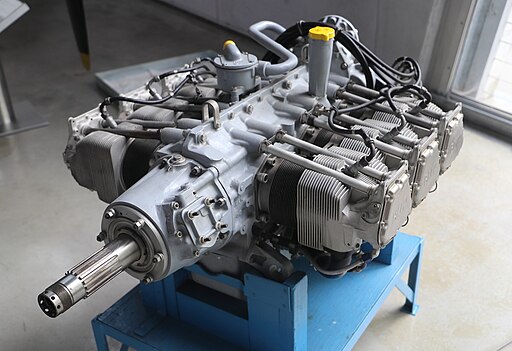
Lycoming engines power a huge chunk of general aviation. You'll find them humming under the cowlings of Cessna 172s, Piper Cherokees, Beechcraft Bonanzas, and dozens of other beloved aircraft.
If you want to know just how many platforms rely on this powerplant, the list is longer than most people expect — what planes use Lycoming engines covers it in full detail. These engines have earned a strong reputation for durability and simplicity. But no engine is perfect, and Lycoming engine problems do show up, especially on aircraft that aren't getting consistent care.
The good news is that most Lycoming issues follow predictable patterns. They give you warning signs before they become emergencies. If you know what to look for, you can catch problems early, fix them cheaply, and keep flying safely.
This guide breaks down seven of the most common issues, walks you through what causes them, and gives you practical steps to address each one.
Key Takeaways
Lycoming engine problems most often come down to a handful of root causes: ignition issues, fuel system faults, cooling failures, and mechanical wear. Catching symptoms like rough running, overheating, unusual smoke, or abnormal noises early is the difference between a quick fix and a costly overhaul. Regular oil changes, consistent flying schedules, and thorough preflight inspections prevent the majority of these problems before they ever appear. When in doubt, always consult a certified A&P mechanic — your safety depends on it.
| Problem | Most Common Cause | Key Fix |
| Engine won't start | Weak battery or flooded cylinder | Check voltage; clear flood; inspect ignition |
| Misfires / runs rough | Fouled spark plugs or faulty magneto | Magneto check; clean/replace plugs |
| Overheating | Damaged baffles or lean mixture | Inspect baffles; check oil; adjust mixture |
| Low power | Clogged air filter or low compression | Check intake; test compression |
| Excessive smoke | Rich mixture (black) or burning oil (blue) | Adjust mixture; inspect rings/valve guides |
| Abnormal noises | Valve train issues or loose components | Stethoscope diagnosis; do not fly until resolved |
| Oil pressure problems | Faulty relief valve or worn pump gears | Inspect relief valve; check suction screen |
A Systematic Approach to Lycoming Engine Troubleshooting
Diagnosing an aircraft engine is not a guessing game. You need to work through the problem step by step, starting with the simplest and most accessible causes before moving deeper into the engine. A missed diagnosis doesn't just cost money — it creates a safety risk every time the aircraft leaves the ground. Keep that in mind as you work through each issue below.
Problem 1: Engine Cranks but Won't Start
You turn the key, the prop swings, but nothing fires. This is one of the most frustrating situations on the ramp — and one of the most common. The engine needs three things to run: fuel, spark, and compression. A no-start condition almost always means one of the first two is missing.
Common Causes
- Weak or discharged battery
- Flooded cylinders from over-priming
- Fuel starvation from a blocked line or empty tank
- Ignition system failure
How to Fix It
Start with the battery. A weak battery may spin the prop slowly, but if it can't generate enough cranking speed, the magnetos won't produce a strong enough spark to ignite the mixture. Check voltage before anything else.
Next, consider whether you over-primed. Flooding is incredibly common, especially in cold weather. If the engine smells strongly of fuel during the start attempt, you've got a flooded cylinder. To clear it, open the throttle fully, set the mixture to idle cut-off, and crank the engine to push the excess fuel out. Once cleared, attempt a normal start.
Cold weather tip: Starting problems spike dramatically in winter. Low temperatures thicken oil, reduce battery output, and make fuel atomization less efficient. If you're flying in cold conditions, pre-heating your engine and using the correct oil viscosity makes a significant difference. The Lycoming engine cold weather starting guide walks through every step of this process in detail.
If fuel and battery check out and the engine still won't fire, the problem likely lives in the ignition system — fouled plugs, a failed magneto, or a broken ignition lead.
Problem 2: Engine Misfires or Runs Rough
A rough-running engine is hard to miss. You'll feel it in the airframe — an unsteady vibration that doesn't match the normal smooth hum of a healthy engine. On the ground, it shows up during run-up. In the air, it can range from mildly unsettling to genuinely alarming.
Common Causes
- Fouled or worn spark plugs (lead fouling is especially common with 100LL avgas)
- Faulty ignition leads or deteriorated insulation
- Stuck or leaking valves
- One magneto producing a weak spark
How to Fix It
Begin with a magneto check during run-up. Switch from BOTH to LEFT, then to RIGHT, and note the RPM drop on each side. A drop greater than 125 RPM on either side — or a difference of more than 50 RPM between the two — points to an ignition problem on that circuit.
If the mag check reveals an issue, remove and inspect the spark plugs. Lead fouling looks like a grey or yellowish crust on the electrode. Oil fouling leaves a wet, dark deposit. Clean fouled plugs with a spark plug cleaner and test them before reinstalling. If they're worn or cracked, replace them.
If the plugs look fine, test the ignition leads for continuity using a multimeter. A failing lead can arc internally and cause misfires that are invisible to the naked eye.
A stuck valve is the most serious scenario here. It produces a consistent misfire on one cylinder and often shows up as low compression during a differential compression test. This is a job for a certified mechanic.
Problem 3: Engine Overheating
High cylinder head temperatures (CHT) or elevated oil temperatures are a red flag you cannot ignore. Sustained overheating degrades valve seats, warps cylinder heads, and can cause catastrophic detonation. Most Lycoming engines should keep CHTs below 400°F (204°C) in normal cruise. Anything consistently above that warrants investigation.
Common Causes
- Damaged, missing, or improperly installed engine baffles
- Low oil level
- Excessively lean fuel mixture
- Prolonged ground operation with insufficient airflow
How to Fix It
Start with the baffles. These rubber-sealed panels direct airflow through the cylinder fins, and they're the first thing to check. If a baffle is torn, folded back, or missing entirely, cooling air bypasses the cylinders and escapes into the cowling. This is one of the most underappreciated causes of overheating in GA aircraft.
Check your oil level next. Oil does more than lubricate — it carries a significant portion of the heat away from the cylinder walls. Low oil means less cooling capacity, which means higher temperatures.
Finally, look at your mixture. A lean mixture burns hotter than a rich one. In climb especially, running too lean will push CHTs up quickly. Enrichen the mixture and monitor your gauges.
| Condition | Normal Range | Warning Level |
| Cylinder Head Temp (CHT) | 300–380°F | Above 400°F |
| Oil Temperature | 180–220°F | Above 245°F |
| Oil Pressure | 55–95 PSI | Below 25 PSI or above 100 PSI |
Problem 4: Low Engine Power
Full throttle, but the RPMs or manifold pressure fall short of what the POH says you should see. On takeoff, this isn't just frustrating — it's dangerous. A Lycoming that can't make rated power on a short runway or in high density altitude conditions puts you in a very tight spot.
Common Causes
- Clogged air induction filter
- Throttle cable or linkage not traveling to full travel
- Low cylinder compression from worn piston rings or damaged valves
- Incorrect magneto timing
How to Fix It
Start with the simple stuff. Pull the air filter and inspect it for debris, insects, or ice (in cold weather). A partially blocked filter chokes the engine and robs power before you've even checked anything else.
Next, have someone operate the throttle in the cockpit while you watch the carburetor or fuel injection throttle body. When the lever is full forward, the butterfly valve should be fully open. A stretched or misrigged cable can leave the throttle partially closed at full pedestal travel.
If those checks pass, perform a differential compression test. You're looking for a reading above 60/80 on each cylinder. A cylinder reading 45/80 or lower has a leak — either past the rings, the intake valve, or the exhaust valve. Each location has a distinct sound that helps you pinpoint the problem.
Heads up: Low compression in multiple cylinders on a high-time engine is a strong indicator that you're approaching TBO. Understanding whether to rebuild or overhaul your Lycoming engine is your next decision if compression numbers are trending down.
Problem 5: Excessive Engine Smoke
Smoke from the exhaust is your engine's way of sending a message. The color tells you almost everything you need to know.
Reading the Smoke
| Smoke Color | What It Means | Likely Cause |
| Black | Too much fuel | Rich mixture, stuck injector, carburetor fault |
| Blue/Gray | Burning oil | Worn piston rings, damaged valve guides |
| White (brief) | Condensation | Normal on cold starts, usually clears quickly |
How to Fix It
Black smoke means the engine is running excessively rich. Check the idle mixture adjustment first — a misadjusted idle mixture that's set too rich will show up as black smoke at low power settings. On fuel-injected engines, inspect the fuel injection servo for sticking or miscalibration.
Blue or gray smoke is the more serious one. Oil entering the combustion chamber leaves a tell-tale blue haze in the exhaust. This usually points to worn piston rings (which allow oil to migrate up from the crankcase) or worn valve guides (which let oil drip into the intake port). Monitor your oil consumption closely. More than a quart every 4–6 hours is worth investigating immediately. Cylinder work or a top overhaul may be on the horizon.
Problem 6: Abnormal Engine Noises
You fly the same airplane often enough that you know what it sounds like healthy. Any new clatter, knock, tick, or whine deserves your full attention. These sounds rarely get better on their own.
Common Causes
- Valve train clearance issues (improper tappet clearance)
- Worn accessory drive gears (alternator, vacuum pump)
- Loose or missing exhaust hardware
- Detonation or pre-ignition (a sharp metallic knock)
How to Fix It
Use a mechanic's stethoscope to probe around the engine while it idles. This tool is inexpensive and incredibly useful for isolating where a noise is coming from.
- Ticking or clicking near the top of the engine usually comes from the valve train. Improper hydraulic tappet operation or sticking tappets are common culprits.
- Whining or grinding from the rear of the engine points to the accessory case — alternator drive, vacuum pump drive, or magneto drive gears.
- A sharp metallic knock under load is a serious warning sign of detonation. This needs immediate investigation.
Do not fly the aircraft until you've identified and resolved the source of any unusual noise. Some noises signal minor issues. Others signal imminent failure.
Problem 7: Oil Pressure Issues
Your oil pressure gauge is one of the most important instruments in the panel. It gives you a real-time picture of your engine's circulatory health. Pressure that's too low means internal components are running dry. Pressure that's too high can overstress seals and gaskets.
Common Causes
Low oil pressure:
- Malfunctioning oil pressure relief valve (stuck open)
- Worn oil pump gears
- Clogged oil suction screen
- Low oil quantity
High oil pressure:
- Oil pressure relief valve stuck closed
- Incorrect oil viscosity (too thick, especially in cold weather)
- Blocked oil passages
How to Fix It
Start with the oil pressure relief valve. This small spring-loaded valve is designed to bypass excess oil when pressure exceeds a set limit. If debris gets caught in the valve seat, it can stick open (causing chronically low pressure) or stick closed (causing high pressure). Clean it carefully and inspect the seating surface.
If the relief valve is clean and functioning, suspect the oil pump itself. Worn pump gears allow oil to slip past the meshing teeth instead of being pushed through the system, reducing output pressure. You'll also want to pull and inspect the oil suction screen or filter for metal particles. Any metallic debris in the oil system is a serious sign of internal wear.
Important: Metal in the oil is not a "watch and see" situation. Fine metal particles (like a dusting of glitter) suggest general wear. Chunks or flakes suggest acute failure. Either way, ground the aircraft and consult your A&P mechanic immediately.
Preventative Maintenance: The Best Fix Is No Fix
The most effective way to deal with Lycoming engine problems is to prevent them from developing in the first place. A well-maintained Lycoming can run reliably well past its recommended TBO. An neglected one will give you trouble at the worst possible time.
For a comprehensive look at how to keep your engine healthy from one inspection to the next, the Lycoming engine maintenance guide covers 13 proven tips in detail. But here are the fundamentals:
Oil Changes
Change your oil every 25–50 hours depending on whether your engine uses an oil filter or just a screen. Engines with only a screen should be changed at the shorter interval. Old oil becomes acidic and attacks internal metal surfaces. It also loses viscosity, which reduces its ability to form a protective film between moving parts.
Use the oil change as an inspection opportunity. Look at the old oil. Sniff it. Check the screen or filter for debris. The oil tells a story about what's happening inside the engine.
Fly Regularly
Aircraft engines are not well-suited to long periods of inactivity. When a Lycoming sits for weeks without running, moisture condenses inside the crankcase and begins corroding the cylinder walls and camshaft lobes. Rust on cam lobes is one of the most common causes of premature engine failure in low-utilization aircraft.
Flying at least once every two weeks — or running the engine long enough to fully warm the oil — helps boil off that moisture and keep surfaces protected.
Follow the Break-In Correctly
If you've just installed a new or freshly overhauled engine, the break-in period is critical. Improper break-in is one of the leading causes of early oil consumption problems and glazed cylinder walls. The Lycoming engine break-in procedure explains exactly how to do this right — including the power settings to use and the hours to watch closely.
Tools You Need for Engine Troubleshooting
Guessing at engine problems is expensive and dangerous. Having the right tools on hand lets you work systematically and reach accurate conclusions.
| Tool | Purpose |
| Differential Compression Tester | Evaluates ring and valve condition in each cylinder |
| Magneto Timing Light | Synchronizes ignition timing to engine position |
| Borescope | Visual inspection of cylinder interior without disassembly |
| Spark Plug Cleaner and Tester | Cleans fouled plugs and checks spark output |
| Mechanic's Stethoscope | Isolates sources of abnormal engine noise |
| Calibrated Torque Wrench | Ensures fasteners are tightened to manufacturer specs |
| Multimeter | Tests ignition lead continuity and electrical components |
You don't need to own every item on this list, but you should have access to all of them before attempting serious troubleshooting work.
Safety Precautions During Engine Maintenance
Working around aircraft engines carries real hazards. Respecting those hazards is not optional — it's part of the job.
Propeller safety is the most critical habit to develop. A magneto with a broken ground wire can fire and spin the prop even with the key removed. Treat the propeller arc as a danger zone at all times. Never position yourself or anyone else in the prop arc while working on the engine.
Before any engine run, chock the wheels and secure the aircraft. Confirm the parking brake is set. Remove jewelry and tie back loose clothing. Keep a fire extinguisher within reach when working near fuel systems, and ensure the area is well-ventilated.
If you're running up the engine in the hangar or on a tie-down, confirm no one is standing behind the aircraft. Even at idle power, prop wash and exhaust heat can cause injury.
Conclusion
Lycoming engines are among the most dependable powerplants in general aviation — but they reward attention and punish neglect. The seven problems covered in this guide account for the vast majority of issues you're likely to encounter. Rough running, overheating, power loss, oil pressure anomalies — these all have logical causes and practical solutions.
Work systematically. Trust your instruments. And when the problem is beyond your experience level, bring in a certified A&P mechanic without hesitation. No diagnostic savings are worth the risk of flying an engine you're not confident in.
Explore more Lycoming engine guides, browse available engines, and connect with aviation professionals at Flying411.
Frequently Asked Questions
What are the most common problems with Lycoming engines?
The most frequent issues are fouled spark plugs leading to misfires, baffle-related overheating, oil leaks at gaskets and seals, and stuck or leaking valves. Most of these develop gradually and give early warning signs before becoming serious.
How do I troubleshoot an overheating Lycoming engine?
Start by inspecting the engine baffles and their rubber seals. If any are torn or misrouted, cooling airflow is compromised. Then verify oil level and check that the fuel mixture isn't too lean, especially in climb.
What tools do I need to diagnose Lycoming engine issues?
At minimum: a differential compression tester, a magneto timing light, a borescope, a multimeter, and a mechanic's stethoscope. These five tools cover the majority of diagnostic scenarios.
How often should I perform maintenance on a Lycoming engine?
Oil changes every 25–50 hours (depending on filter vs. screen). A 100-hour inspection covers compression, timing, ignition, and overall condition. An annual inspection is legally required regardless of hours flown.
What causes excessive smoke from a Lycoming engine?
Black smoke means the mixture is too rich. Blue or gray smoke means oil is entering the combustion chamber — typically from worn piston rings or deteriorated valve guides. White smoke on a cold start is usually just condensation and clears on its own.
How can I prevent engine misfires?
Keep spark plugs clean and properly gapped. Inspect the ignition harness regularly for cracked insulation or loose terminals. Verify magneto timing at each 100-hour or annual inspection. Running the engine through regular lean-of-peak operation can also reduce lead fouling.
What safety precautions should I take during engine maintenance?
Treat the prop as live at all times. Chock the aircraft, set the mixture to idle cut-off, and remove the key before working near the engine. Use a fire extinguisher when near fuel systems and work in a ventilated area.
Are Lycoming engines more reliable than Continental engines?
Both brands have strong reputations in general aviation. Lycoming engines are widely praised for their straightforward design and ease of maintenance. Continental engines are similarly capable. Reliability for either brand comes down to how consistently and carefully the engine is operated and maintained.
What does it cost to repair common Lycoming engine problems?
Spark plug replacement runs a few hundred dollars including labor. Ignition lead replacement is typically $300–$800. Cylinder repair or replacement can range from $1,500–$4,000 per cylinder depending on the damage. A full top overhaul on a four-cylinder engine often runs $8,000–$15,000 or more depending on shop rates and parts needed.
How do environmental factors affect Lycoming engine performance?
High density altitude reduces power output — a normally aspirated Lycoming loses roughly 3% of its power for every 1,000 feet of density altitude above sea level. Cold weather creates starting challenges and thickens oil, reducing initial lubrication. Extreme heat increases the risk of detonation and overheating, especially if the baffles or cooling system aren't in top condition.
How do I know if my Lycoming engine is approaching TBO?
Rising oil consumption, declining compression readings across multiple cylinders, and recurring magneto issues are the clearest signs. Most Lycoming engines have a recommended TBO between 1,400 and 2,000 hours depending on the model, though well-maintained engines often run beyond that with appropriate inspection.