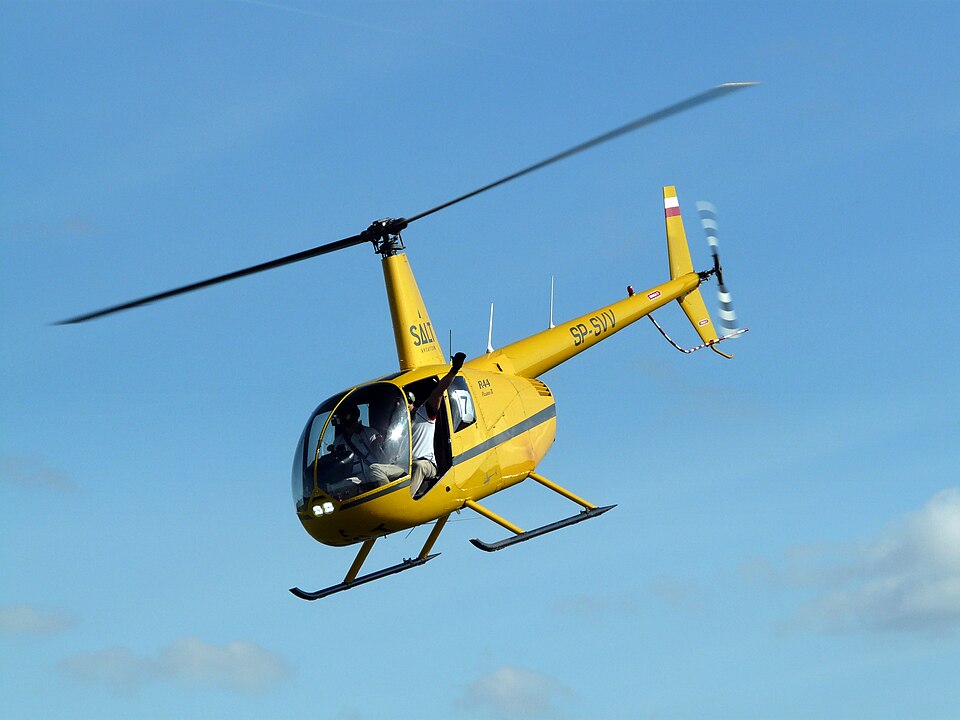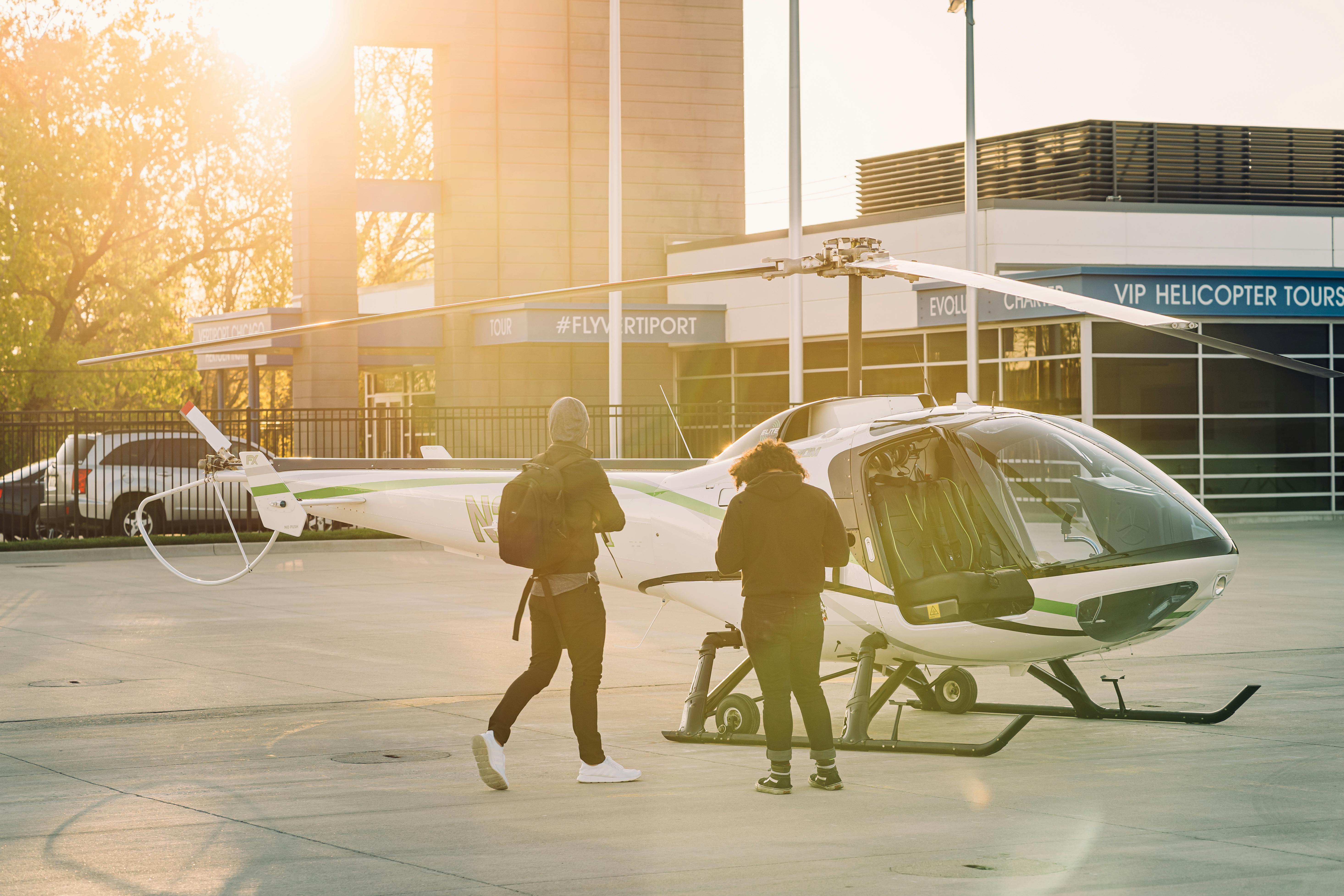
Flying in a helicopter is one of those experiences that sticks with you. Whether you are taking a scenic tour over the Grand Canyon, heading to a remote landing site, or riding in a private rotorcraft, the thrill is real. But before you board, there is something important to know: helicopters have strict rules about what you can and cannot bring on board.
Knowing what items are prohibited on a helicopter is not just a formality. It is a genuine safety matter that affects everyone on the flight, from the passengers to the pilot. The tight space, the weight-sensitive balance of the aircraft, and the risk of loose objects near rotor systems make these rules non-negotiable.
This guide walks you through everything you need to know before your next flight.
Key Takeaways
Several categories of items are prohibited on a helicopter for safety and regulatory reasons. Weapons, flammable materials, explosive devices, large loose items, and certain hazardous chemicals are consistently banned across most helicopter operations in the United States. Some restrictions come from Federal Aviation Administration (FAA) and Department of Transportation (DOT) rules, while others are set by individual operators. Either way, the goal is always the same: keeping every person on that aircraft safe.
| Category | Examples | Reason for Prohibition |
| Weapons | Firearms, knives, sharp objects | Passenger and crew safety |
| Explosives | Fireworks, flares, blasting caps | Fire and explosion risk |
| Flammable liquids | Gasoline, lighter fluid, alcohol over 70% | Ignition hazard in the cabin |
| Compressed gases | Propane, butane cylinders | Pressure and explosion risk |
| Loose/oversized items | Bags, scarves, hats, strollers | Rotor hazard and weight balance |
| Corrosive chemicals | Acids, bleach, mercury | Structural and health danger |
| Radioactive materials | Certain medical or industrial items | Radiation risk to passengers |
| Illegal substances | Drugs, contraband | FAA and federal law |
At Flying411, you will find in-depth guides and expert resources to help you understand everything about helicopter ownership, safety, and aviation. Whether you are a first-time flyer or a seasoned enthusiast, Flying411 is a trusted place to learn before you fly.
Why Helicopters Have Stricter Rules Than You Might Expect
You might be used to the rules at a commercial airport, where TSA screeners check your bags and there is a long list of what you can and cannot carry on a plane. Helicopter rules work a bit differently, but in many ways they are even stricter.
Here is why.
Helicopters are smaller aircraft with very limited interior space. Every pound matters because weight and balance directly affect how the helicopter handles in the air. A shifted center of gravity can make a helicopter difficult or impossible to control safely. This is why many helicopter tour operators weigh every passenger before boarding.
The rotor system also adds a unique hazard. Anything that becomes loose, falls, or blows away near a spinning rotor can cause catastrophic damage. Even a lightweight scarf or a hat can become a serious danger if it gets pulled into the tail rotor.
Good to Know: The FAA's Advisory Circular AC 91-32B provides safety guidelines specifically for helicopter operations, including guidance on passenger safety, loose items, and pre-flight procedures.
On top of that, helicopters used for commercial air tours and charter flights fall under additional layers of oversight, including FAA regulations under 14 CFR Part 91 and in some cases Part 135. Operators also have their own rules that may be stricter than the federal minimums.
What Items Are Prohibited on a Helicopter: A Full Breakdown
Here is a detailed look at every major category of prohibited items, what falls under each one, and why the rule exists.
Weapons of Any Kind
Firearms, knives, sharp objects, and any type of weapon are prohibited on helicopters. This includes concealed carry firearms, even if you have a license. Most helicopter operators explicitly state that no weapons are allowed on the property at all, not just in the aircraft.
The reason is straightforward. In an aircraft with limited space and no way to safely store or secure a firearm, the risk to other passengers and the pilot is simply too high.
- Handguns and rifles
- Knives with blades of any length
- Tactical tools and multitools
- Pepper spray and mace
- Stun guns
Heads Up: Even if you legally carry a firearm in your state, helicopter operators have the right to refuse any passenger carrying a weapon. The pilot's authority over the aircraft is final.
Explosives and Pyrotechnics
Fireworks, flares, blasting caps, detonators, grenades, and any other explosive or pyrotechnic device are absolutely prohibited. This is not just an operator rule. DOT regulations under 49 CFR classify fireworks as explosives and prohibit their transport by air.
This also includes items that might not seem obviously dangerous, such as:
- Party poppers
- Toy caps
- Signal flares
- Smoke grenades or cartridges
- Non-safety matches
Fun Fact: Fireworks are considered a Class 1 hazardous material under federal transportation regulations, which means they are treated the same as industrial explosives when it comes to air travel.
Flammable Liquids and Fuels
Gasoline, diesel, lighter fluid, ethanol, paint thinner, turpentine, and alcohol-based liquids above 70% concentration are all prohibited. These materials are highly volatile, and the combination of vibration, pressure changes, and the enclosed space of a helicopter cabin makes them extremely dangerous.
Even aerosol paint cans fall under this category. The pressurized container can rupture or ignite, and in a small aircraft, that could be catastrophic.
A limited amount of certain flammables, such as hand sanitizer or small personal care products in very small quantities, may be allowed in some contexts, but this varies by operator. When in doubt, leave it on the ground.
Pro Tip: If you are unsure about a specific liquid item, contact your helicopter operator before your flight. They can tell you exactly what is and is not allowed based on their operating certificate and aircraft type.
Compressed Gas Cylinders
Large cylinders of propane, butane, acetylene, or oxygen are banned from passenger-carrying helicopters. The pressure inside these containers can change dramatically with altitude, and any rupture or leak in an enclosed aircraft is a major hazard.
Small personal items that use compressed gas, such as certain inhalers or CO2 cartridges, may or may not be permitted depending on the operator and the specific item. Passengers with medical oxygen needs should contact the operator well in advance.
Corrosive and Toxic Chemicals
Acids, alkalis, bleach, chlorine, mercury, and disabling sprays such as certain industrial cleaners are prohibited. These substances can damage aircraft components if they leak, and they pose serious health risks to anyone in the cabin.
Wet-cell batteries fall into this category as well because they contain corrosive liquid electrolyte.
Why It Matters: Even a small leak from a corrosive substance can damage wiring, structural components, or sensitive flight instruments inside a helicopter cabin.
Radioactive Materials
Radioactive materials require special containment and are not appropriate for passenger helicopter flights. Certain medical items may fall under this category. If you are a healthcare worker or patient traveling with something that could be classified as radioactive, contact the operator and the FAA well ahead of your flight.
Loose, Oversized, and Potentially Dangerous Items
This is a category that surprises many passengers. Even everyday items can become dangerous near a helicopter.
Loose clothing and accessories such as scarves, hats, loose jackets, and open bags should not be brought near a running helicopter. The rotor wash, which is the powerful downward airflow created by the rotors, can pull these items away and send them toward the tail rotor. Some operators require that bags, purses, camera bags, and even hats be stored in lockers before boarding.
Large bags and luggage are generally not allowed on helicopter tours. The space inside the cabin is limited, and large items affect weight distribution. Most operators ask passengers to check in baggage and bring only what can fit on their lap.
Strollers and car seats cannot typically be accommodated on helicopters due to space limitations. Many tour operators offer storage for strollers while parents fly with children as lap children.
Keep in Mind: Even lightweight items can become dangerous near a spinning rotor. Always follow the instructions of ground crew when walking to and from the helicopter, and never chase an item that blows away.
Illegal Substances
Drugs and other contraband are prohibited on all aircraft under federal and state law. Pilots have the authority and responsibility to refuse any passenger they believe is carrying illegal substances, and they may search carry-on items under FAA regulations.
Rules That Vary by Operator
Not all helicopter operators have identical rules. The FAA sets a baseline, but individual companies often add their own restrictions based on the aircraft they operate, the type of flights they conduct, and the environments they fly in.
Here are some examples of rules that may vary:
| Rule | Common at Tour Operators | Common at Charter/Private |
| No bags or purses in cabin | Often required | Less strict |
| Passenger weigh-in | Standard practice | Required |
| No photography while boarding | Many require this | Varies |
| Life vest requirement | Over-water flights | Required |
| Photo ID required | Age 16 and older | Usually required |
| Intoxicated passengers denied | Yes, uniformly | Yes, uniformly |
The pilot in command has the final authority over the aircraft and can refuse any passenger or item they believe poses a safety risk. This authority comes directly from FAA regulations under 14 CFR Part 91.
Quick Tip: Read your operator's safety waiver and rules carefully before arriving at the heliport. Many rules, such as bag restrictions, are listed there and can help you pack appropriately.
Weight and Balance: Why What You Bring Matters Beyond Prohibited Items
Even items that are not technically prohibited can create problems if they affect the weight and balance of the aircraft. Helicopters are particularly sensitive to how weight is distributed across the cabin.
This is why most commercial helicopter tour operators weigh every passenger and their belongings before assigning seats. Heavier passengers may be seated in certain positions to keep the aircraft balanced. Your weight information is kept confidential by the operator.
Passengers who exceed the per-seat weight limit, which is often around 275 to 300 pounds depending on the aircraft, may need to wait for a different flight configuration or purchase an additional seat. This is a safety requirement, not a judgment.
If you are thinking about buying your own helicopter and want to understand how weight limits work from an ownership perspective, the considerations are similar but carry additional planning responsibilities.
Safety Briefings and What to Expect Before You Board
Before every helicopter flight, the pilot or ground crew will give you a safety briefing. Federal regulations require passenger safety briefings for commercial air tour operations. These briefings cover:
- How to fasten your seatbelt
- What to do in an emergency
- The prohibition on smoking
- How to exit the aircraft
- Life vest instructions for over-water flights
Pay close attention. This is not just a formality. Helicopter emergencies are rare, but knowing how to exit quickly and how your seatbelt works can make a real difference.
If you are new to rotorcraft, Flying411's guide on what to know before flying in a helicopter is a helpful starting point for understanding what the experience involves, from safety briefings to motion sickness.
Behavior That Can Get You Removed from a Flight
It is not just about what you bring. Certain behaviors are prohibited during helicopter flights as well.
- Smoking at any point during the flight
- Opening or closing doors while the aircraft is in motion (except in an emergency)
- Interfering with the pilot or flight controls
- Arriving intoxicated or becoming disruptive
- Attempting to board without a valid government-issued photo ID (required for passengers 16 and older at most commercial operators)
Passengers who are intoxicated will not be allowed to fly. Operators take this seriously because an unpredictable passenger in a small aircraft is a genuine safety threat to everyone on board.
Fun Fact: Under FAA regulations, no person may assault, threaten, intimidate, or interfere with a crewmember in the performance of their duties aboard any aircraft. Violating this rule carries serious federal penalties.
How to Prepare for Your Helicopter Flight
A little preparation goes a long way. Here is how to make sure you are ready and compliant before you arrive.
- Check the operator's specific rules before packing anything. Look for a waiver, FAQ page, or pre-flight checklist on their website.
- Wear secure, fitted clothing. Avoid scarves, loose jackets, and dangling accessories. Close-toed shoes are a good idea.
- Wear dark-colored clothing if you plan to take photos. Light colors can reflect on the windows and affect photo quality.
- Leave large bags and bulky items at home or in your car. Many heliports offer lockers for a small fee.
- Bring only your phone and glasses for most tour flights. Cameras may be allowed, but confirm with the operator first.
- Arrive early. Most operators ask passengers to check in at least 30 to 45 minutes before departure to allow time for the safety briefing and weigh-in.
- Be honest about your weight. The weight you provide is used to balance the aircraft. Giving an inaccurate number affects flight safety.
Understanding the advantages and disadvantages of helicopter travel can also help set realistic expectations before you fly.
What Happens If a Prohibited Item Is Found
If a prohibited item is discovered during a pre-flight screening, the item will be confiscated or you may be asked to leave it behind. In most cases, the operator will ask you to store the item in a locker or return it to your vehicle.
In more serious cases, such as the discovery of a weapon or illegal substance, the pilot may refuse to fly with you and may contact authorities. The FAA and DOT take violations involving hazardous materials seriously, and passengers can face civil or criminal penalties for knowingly bringing prohibited items aboard an aircraft.
Good to Know: Ground personnel at commercial heliports are authorized to search carry-on items under FAA regulations. You may be subject to a metal detector scan before boarding.
If you are curious about helicopter safety and what the most common causes of accidents are, Flying411 has a detailed guide on the most common causes of helicopter crashes that is worth reading before any flight.
A Note on Comparing Helicopter and Plane Rules
People sometimes wonder if helicopter rules are stricter than those for commercial airlines. In terms of prohibited item categories, they overlap significantly. The big difference is that airlines have TSA security checkpoints, while helicopter operators typically rely on their own pre-flight screening processes.
For private helicopters operating under Part 91, the rules lean more on the pilot's authority and the owner's guidelines. For commercial helicopter tours, Part 135 and Part 136 rules add formal requirements around passenger briefings, weight and balance, and over-water safety equipment.
If you are weighing the cost and lifestyle differences between owning a plane versus a helicopter, it helps to understand whether a plane or helicopter is cheaper to own, as the regulatory environments are also different.
Pro Tip: When in doubt about any item, the FAA's PackSafe resource at faa.gov/hazmat/packsafe is a reliable guide to what is and is not allowed on aircraft, including guidance on common everyday items like lithium batteries, aerosols, and medical devices.
Conclusion
Knowing what items are prohibited on a helicopter is one of the simplest and most important things you can do before any flight. The rules exist for good reasons. Helicopters are compact, weight-sensitive aircraft where safety margins depend on every passenger following the guidelines. From weapons and flammables to loose scarves and oversized bags, the prohibited items list is designed to protect everyone on board, including you.
The good news is that most flights go smoothly when passengers are prepared. A little research before you arrive goes a long way toward making your experience safe, comfortable, and memorable.
For more guides on helicopter safety, ownership, costs, and what to expect in the air, Flying411 is the resource worth bookmarking before your next flight.
Frequently Asked Questions
Can you bring a camera on a helicopter tour?
Most helicopter tour operators allow passengers to bring a camera phone or small camera inside the aircraft. However, camera bags and large equipment bags are often required to be stored at the heliport. Always confirm with your specific operator before arriving.
Are lithium batteries allowed on helicopters?
Small lithium batteries, such as those in phones and laptops, are generally permitted but may be subject to watt-hour limits. Spare lithium batteries should not be placed in checked baggage. Check your operator's rules and the FAA's PackSafe guidance for specifics.
Can a pregnant passenger fly in a helicopter?
Many helicopter tour operators allow pregnant passengers in their first and second trimester without restrictions. For passengers in their third trimester, some operators ask for a doctor's note or recommend checking with a physician before flying, particularly for longer flights.
Do helicopter rules apply to private flights too?
Yes. Private helicopter flights operating under FAA Part 91 still fall under federal aviation and transportation regulations regarding hazardous materials and prohibited items. The pilot in command has the authority and responsibility to ensure the safety of the flight, including what is brought aboard.
What should I wear to a helicopter tour?
Wear comfortable, fitted clothing with no loose ends. Close-toed shoes are recommended. Dark-colored clothing is suggested if you plan to take photos, as light colors can reflect off the windows. Avoid scarves, loose hats, and open-toed shoes near the aircraft.
Can I bring food or drinks on a helicopter?
This varies by operator. Many helicopter tours are short, so food and beverages are not typically needed. Some operators do not allow open containers in the cabin. Check with your operator, and avoid bringing glass containers or pressurized cans.
What items are safe to bring on a helicopter?
Safe items generally include your phone, glasses, a small camera (without a bag), your government-issued ID, and light personal items that can fit securely in your pockets or on your lap. Anything that can blow away or shift during flight should be left behind.