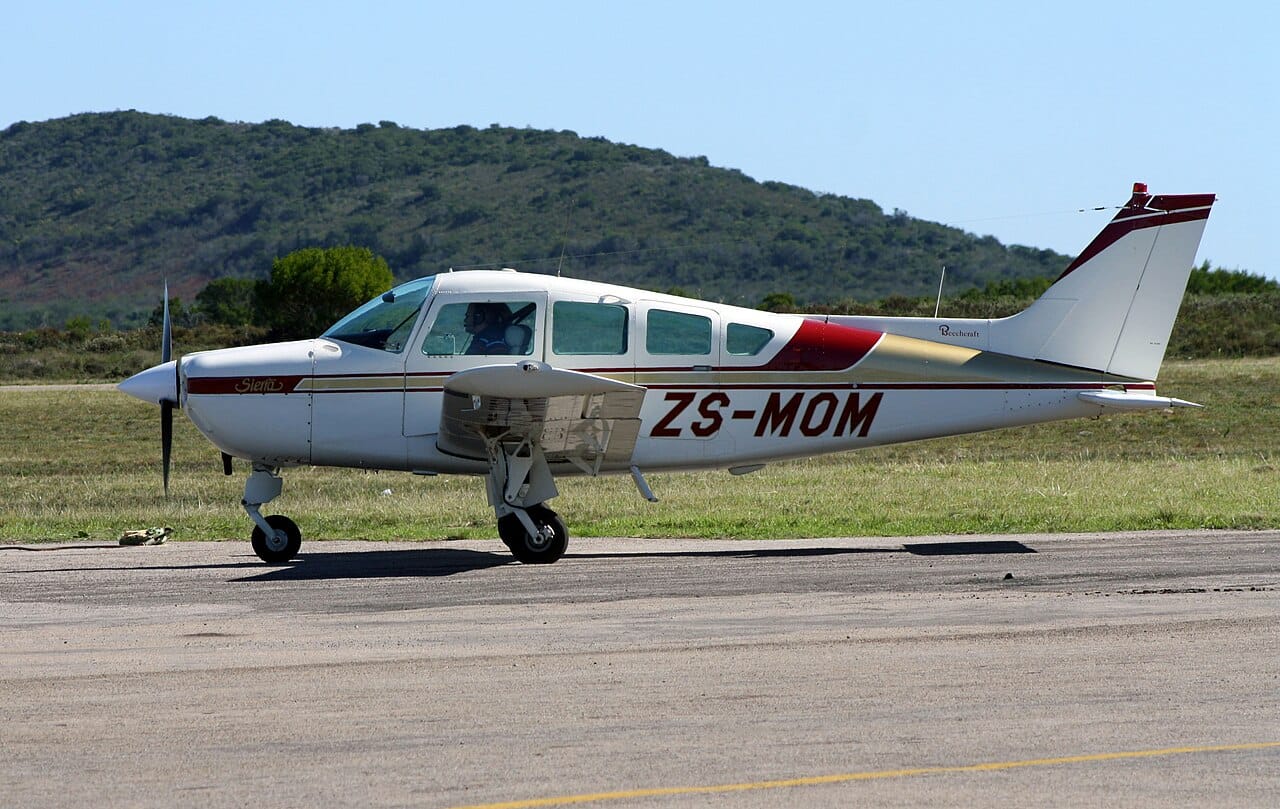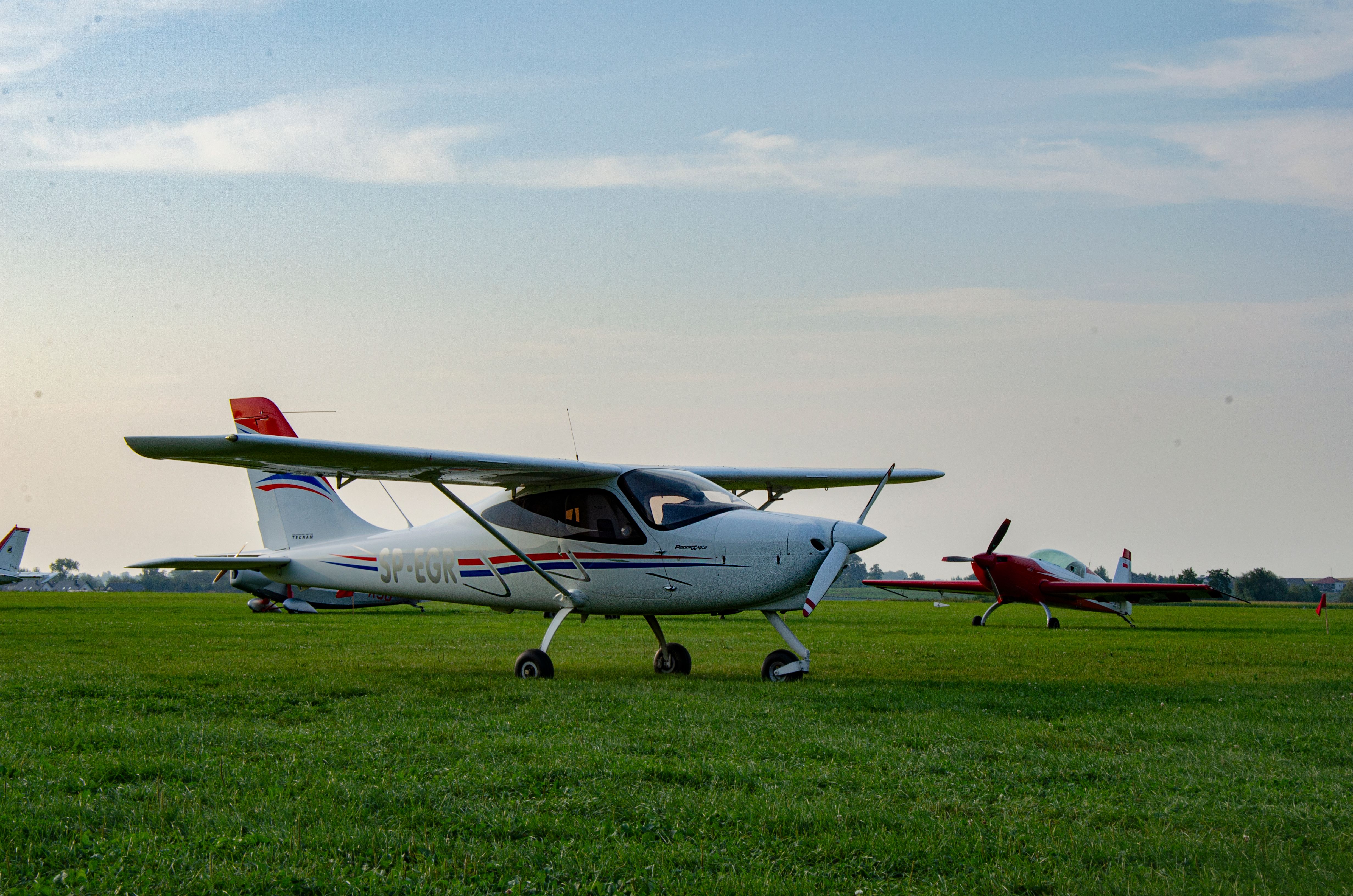
A Cessna parked on the ramp looks like freedom. To a lot of people, it also looks like a pile of money with wings. So, is buying a Cessna a good investment, or just a beautiful way to spend cash and feel the wind under your seat? The honest answer sits somewhere in the middle, and it leans far more on how you buy than on what you buy. A well-bought Skyhawk can hold most of its value for years, while a careless purchase can drain a bank account before the first oil change clears.
Key Takeaways
Buying a Cessna can be a good investment, but mostly as a purchase that holds its value, not as a way to get rich. A clean, well-kept Cessna often keeps much of its worth over time, and some older models have even climbed in price. The real money lives in the yearly bills: fuel, insurance, hangar space, and maintenance. Buy the right airplane with solid records and a proper inspection, and a Cessna can pay you back in value and use. Buy the wrong one, and the repairs can cost more than the plane.
| Question | Short Answer |
| Does a Cessna hold its value? | Often yes. Well-maintained models tend to keep a large share of their value, and some vintage ones have risen. |
| Will it make me money? | Rarely as cash profit. The "return" is mostly retained value plus the use you get. |
| What is the biggest cost? | Not the sticker price. The yearly operating and maintenance costs add up fast. |
| Which model is safest to buy? | The Cessna 172 Skyhawk, thanks to cheap parts, common mechanics, and steady demand. |
| What ruins the investment? | Skipping the pre-purchase inspection and buying a plane with weak paperwork or hidden damage. |
Flying411 was built to make calls like this easier, giving buyers one place to compare real aircraft listings, parts, and trusted aviation services.
What "Investment" Really Means When You Buy a Cessna
Before you run any numbers, it helps to be clear about the word "investment." Most people use it two different ways, and the gap between them causes a lot of disappointment.
The first meaning is a financial return, like a stock or a rental house. You put money in, and you expect more money back later. The second meaning is a store of value that also gives you something useful while you own it. A Cessna fits the second meaning far better than the first.
Here is the simple truth. A small plane is closer to a well-kept classic car than to a savings account. It can hold value. It can sometimes rise in value. But it costs money to keep, and that cost is the price of using it. When pilots say their airplane was a "good investment," they usually mean it held its worth and they flew it for years without losing their shirt.
Good to Know: Many lenders point out that over a typical five-year loan, plenty of light aircraft are worth close to what the owner paid. In plain terms, the loan payments end up acting a bit like rent for the years of flying.
So the goal is not to "beat the market." The goal is to buy smart, keep the plane well, and protect your money so the airplane gives you years of use without a painful loss at the end.
What a Cessna Actually Costs to Buy
Cessna makes a wide range of planes, from two-seat trainers to fast singles and even business jets. For most private buyers asking this question, the heart of the market is the single-engine piston world, and the used Cessna 172 sits right in the middle of it. Prices swing a lot based on year, hours, engine condition, and avionics.
New Cessna prices
A brand-new Cessna 172 Skyhawk with a modern glass cockpit now sells for roughly $400,000 to $500,000, depending on options. That is a big jump from a decade ago, and it is one reason used prices have climbed too. When new planes get pricey, buyers crowd into the used market, and that pushes those values up.
Used Cessna prices by era
The used market is where most of the action lives. Here is a rough guide to what airworthy, reasonably equipped 172s have been trading for in recent listings. Treat these as ballpark ranges, not promises, since condition changes everything.
| Era / Type | Typical Price Range |
| 1960s vintage models | Around $30,000 to $80,000 |
| 1970s to 1980s models | Around $60,000 to $140,000 |
| 1990s to early 2000s models | Around $130,000 to $250,000 |
| Newer glass-cockpit models | Often $200,000 to $300,000 or more |
A tired airframe with a run-out engine sits near the floor of any range. A clean, low-time example with fresh paint, a recent interior, and a newer engine sits near the top. The same model year can have a price gap of tens of thousands of dollars based on how it was treated.
Fun Fact: The Cessna 172 is widely considered the most-produced aircraft in history, with tens of thousands built since the mid-1950s. That long run is part of why parts are easy to find and mechanics know the plane so well.
One more thing to keep in mind. Inventory has been tight in recent years, and clean, low-time examples often sell fast. A patient buyer with a clear budget tends to win. A rushed buyer who waives inspections to "beat the next guy" tends to overpay or inherit problems.
Do Cessnas Hold Their Value?
This is the part that makes a Cessna interesting compared to a car. Cars lose value the moment they leave the lot and keep falling. A well-kept Cessna behaves very differently.
A brand-new airplane does drop in value for the first few years, like most new machines. But once a single-engine Cessna is several years old, the steep drop flattens out. From there, value tends to hold and can even creep upward over the long haul, especially for clean classics with good paperwork. Light single-engine values have climbed sharply over the past several years, though it is worth remembering that aircraft markets move in cycles and have fallen hard in past downturns.
A few things drive resale value more than anything else:
- Engine time. Hours since the last overhaul matter a great deal. A fresh engine adds real value. A run-out engine drags the price down.
- Logbooks and records. Complete, clean paperwork is gold. Missing pages or fuzzy history scare off serious buyers.
- Avionics. A modern panel with ADS-B and good navigation can lift the price well above a faded steam-gauge cockpit.
- Damage history. Even repaired damage can lower resale value, since buyers prefer a clean record.
- Total airframe time. Lower time generally helps, though a high-time plane with great records can still sell well.
The paperwork piece is bigger than new buyers expect. The story your records tell can quietly move the price by thousands, and gaps in the logbooks often cost more at sale time than the missing maintenance ever did. It also helps to understand calendar time versus flight time, since a plane can age on the ramp even when it barely flies. And before you fall in love with a high-hour bargain, it pays to learn how many hours an airframe can take so you know what you are really buying.
Why It Matters: Resale value is not luck. It is the direct result of how the plane was flown, stored, and documented. Treat the records like part of the airplane, because to the next buyer, they are.
The Real Cost of Owning a Cessna Each Year
Here is where many first-time buyers get a shock. The purchase price is only the entrance fee. The yearly cost of owning a Cessna is the part that decides if the whole thing feels like a smart move or a slow leak.
Costs split into two buckets. Fixed costs hit you even if the plane never leaves the hangar. Variable costs depend on how much you fly.
Fixed costs
These are the bills that show up no matter what.
- Insurance: Often around $1,200 to $3,500 a year, and sometimes more for newer pilots or higher-value planes.
- Hangar or tie-down: Anywhere from about $150 a month in low-cost areas to $1,000 a month in busy spots. Tie-downs cost less but expose the plane to weather.
- Annual inspection: The base inspection usually runs about $1,000 to $2,000, before any repairs it turns up.
Variable costs
These scale with your flying.
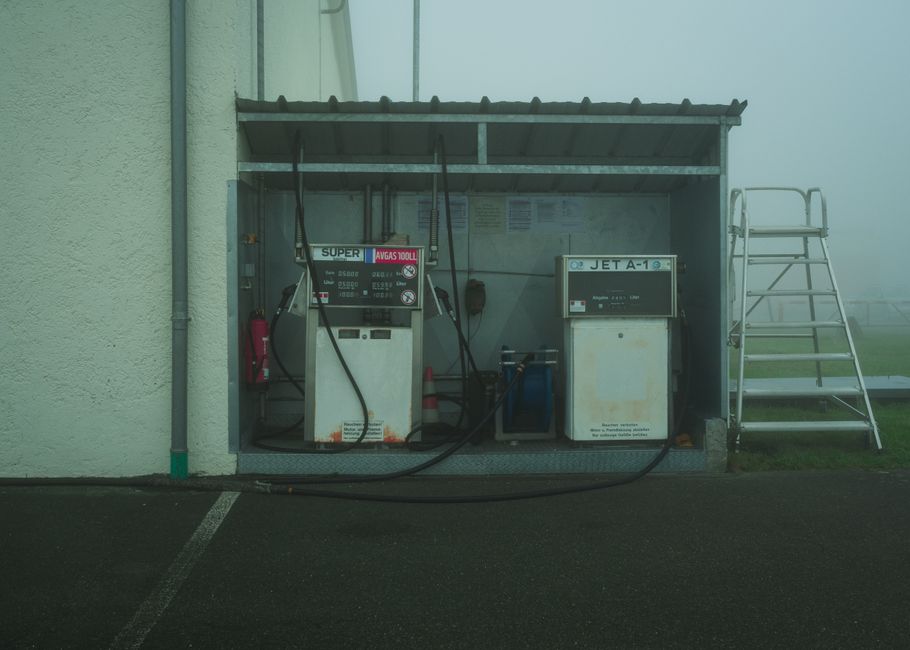
- Fuel: A 172 burns roughly 8 to 10 gallons an hour. At common avgas prices, that lands near $45 to $65 an hour.
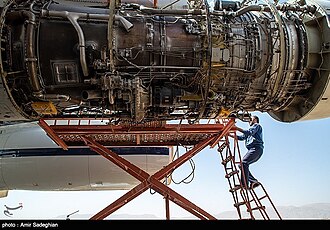
- Routine maintenance: Oil changes, filters, and small fixes add up over the year.
- Engine reserve: Smart owners set aside money each flight hour for the eventual overhaul. An overhaul often costs around $20,000 to $40,000 at the typical 2,000-hour mark.
Add it all up and a 172 owner flying around 100 hours a year often spends somewhere in the range of $15,000 to $30,000 annually once fuel, maintenance, insurance, hangar, and reserves are counted. Financing a purchase pushes that figure higher. The exact number depends heavily on your location, your hours, and the condition of your plane.
The surprises that bust budgets
The averages look manageable. The surprises are what hurt. There are real costs first-time owners miss, and they tend to land all at once.
A few classic budget-busters:
- Hidden corrosion on an older airframe, which can be costly to address and easy to overlook.
- Refreshing a tired interior, since seats and panels wear out and a redo is not cheap.
- A cracked windshield, which is a bigger job than most people guess.
- Parts decisions, where the choice between used versus overhauled parts changes both the bill and the long-term value.
Heads Up: Build a repair reserve before you buy, not after. A plane that looks perfect at purchase can still surprise you in the first year. Owners who keep a cushion sleep better and avoid panic sales.
Not sure what a fair price looks like for the plane you are eyeing? Flying411 lets you compare current aircraft listings side by side so you can judge condition and value before you ever make an offer.
7 Factors That Decide if Buying a Cessna Is a Good Investment
So, when does a Cessna purchase actually work out? The plane itself does not decide that. These seven factors do. Run your situation through each one, and the answer usually becomes clear.
- How much you will fly. Fixed costs feel painful if you fly only a few hours a year, because those costs spread over almost nothing. Fly often, and the cost per hour drops and the value of ownership rises. A plane that sits is a plane that bleeds money.
- The condition you buy in. A clean, well-documented airplane protects your money. A neglected one with deferred maintenance can cost more to fix than it will ever return. Condition at purchase shapes your entire ownership.
- The quality of the records. Complete logbooks raise value and make resale easy. Weak paperwork drops the price and stretches the time to sell. Records are part of the asset.
- The engine and airframe time. A fresh engine and reasonable airframe hours mean fewer big surprises and a stronger resale. A run-out engine is a giant bill waiting to happen.
- The model you choose. Common models with cheap parts and plentiful mechanics, like the 172, hold value and stay affordable to maintain. Rare or complex models can cost far more to keep flying.
- The market you buy in. Aircraft prices move in cycles. Buying when the market is hot and selling when it cools can erase value. Patience and timing matter, just like with houses.
- Your reason for owning. A Cessna used for training, building hours, business travel, or steady recreation earns its keep. A plane bought on impulse and rarely flown almost never pencils out.
When most of these line up in your favor, a Cessna can be a genuinely smart purchase that holds value and gives you years of use. When several work against you, even a great airplane becomes a money pit. The plane is rarely the problem. The buyer's plan usually is.
Pro Tip: Write down your honest flying hours for the year and multiply your expected costs across them. Seeing the real cost per hour on paper is the fastest way to know if ownership beats renting for you.
Which Cessna Makes the Best Investment?
Not every Cessna behaves the same way in your wallet. If protecting your money is the goal, the model you pick matters as much as the price you pay.
- Cessna 152: A small two-seat trainer. Cheap to buy and fly, popular with schools, and easy to resell. Limited cabin space, but a strong value holder for its size.
- Cessna 172 Skyhawk: The sweet spot for most buyers. Four seats, forgiving handling, cheap parts, mechanics everywhere, and steady demand. It tends to have lower total ownership costs than most four-seat rivals.
- Cessna 182 Skylane: More power, more speed, and more useful load than a 172. Costs more to buy and feed, but a strong performer that holds value well.
- Cessna 206 Stationair: A workhorse hauler. Great for utility missions, though bigger and thirstier, so the running costs climb.
- Cessna 210 Centurion: A fast, capable retractable single. More complex, which means higher maintenance and insurance, so it suits experienced owners.
For a first plane bought partly as an investment, the 172 is the safe pick. It is a textbook example of a general aviation aircraft that stays in demand, partly because flight schools, time-builders, and private owners all want the same airplane. That broad demand is exactly what supports resale value.
Keep in Mind: A more capable plane is not always a better investment. The extra power on a 182 or 210 brings extra cost in fuel, maintenance, and insurance. Match the plane to your real mission, not your daydream.
Buying vs Renting vs Leaseback
Owning is not the only path, and it is not always the smartest one. Three common routes lead to very different math.
Renting keeps things simple. You pay by the hour, often $120 to $180 for a 172, and you walk away when you land. No insurance, no hangar, no surprise repairs. The downside is that you build no value and the plane is never truly yours. For pilots who fly only a handful of hours a year, renting usually wins on cost.
Buying makes sense once your hours climb. The more you fly, the more those fixed costs spread out and the more ownership pays off in value retained and freedom gained. This is the route where a Cessna starts to act like an asset instead of an expense.
Leaseback is the income angle. Here you buy a plane and lease it to a flight school or club, and the rental income helps cover the bills. Some owners chase leaseback income to offset ownership costs, and a retired flight-school trainer can be a smart starting point because schools maintain those planes on a steady schedule. The catch is heavy use and faster wear, so the numbers only work with careful planning.
There is also a tax piece worth understanding. When a plane is used for business, there can be real tax advantages of ownership that change the overall picture. Rules vary by situation, so this is one area to review with a qualified tax professional before counting on any benefit.
How to Avoid Buying a Money Pit
The single biggest factor in if your Cessna is a good buy or a regret comes down to one step that too many buyers rush. Do this right, and you tilt the odds heavily in your favor.
- Order a proper pre-purchase inspection. Hire an independent mechanic who knows Cessnas to do a thorough pre-purchase inspection before you sign anything. This is the cheapest insurance you will ever buy. A good inspection finds the corrosion, the worn parts, and the deferred work that the seller may not mention.
- Read every logbook. Look for complete history, real maintenance entries, and an honest record of any damage. Gaps and vague notes are red flags worth thousands.
- Check the engine carefully. Get a compression test and ask about hours since overhaul. The engine is the most expensive part to fix, so it deserves the most attention.
- Compare against real market data. Look at what similar planes are actually selling for, not just asking prices. This keeps you from overpaying in a hot market.
- Plan your exit before you buy. Think about who will want this plane when you sell, and keep the records and condition strong from day one.
Quick Tip: Never waive the pre-buy inspection to win a bidding war. Walking away from a rushed deal costs you nothing. Skipping the inspection can cost you the price of a second airplane.
Ready to start the search the smart way? Browse Flying411 to compare aircraft, find certified mechanics for your pre-buy, and line up the services you need before you make an offer.
Conclusion
So, is buying a Cessna a good investment? It can be, as long as you treat it like a smart purchase that holds value rather than a ticket to easy money. The plane that pays you back is the one bought with clean records, a fresh enough engine, a careful inspection, and a real plan to fly it. Get those pieces right, and a Cessna can serve you for years and return most of your money when it is time to move on. Get them wrong, and even the prettiest airplane on the ramp can turn into the most expensive lesson of your life.
The runway to a smart purchase starts with good information, and Flying411 puts the listings, parts, and trusted pros in one place so your next Cessna is a win, not a wallet wound.
FAQs
Is a Cessna 172 a better investment than a Cessna 182?
For most first-time buyers, the 172 is the safer value play because parts are cheaper, mechanics are everywhere, and demand stays high. The 182 holds value well too, but its higher fuel and maintenance costs make it a better fit for owners who need its extra speed and load.
How much should I keep in reserve for surprise repairs?
A common approach is to set aside money every flight hour toward the eventual engine overhaul, plus a separate cushion for unexpected fixes. Having a healthy reserve before you buy is what keeps a single bad month from forcing a rushed sale.
Does buying a Cessna with a glass cockpit hold value better?
Modern avionics generally help resale because many buyers want ADS-B and capable navigation. That said, a clean airframe with strong records can still sell well with older instruments, so paperwork and engine time often matter more than the panel alone.
Can I make money renting my Cessna to a flight school?
It is possible through a leaseback, where rental income helps cover ownership costs. The trade-off is heavy use and faster wear, so the math only works with careful budgeting and a plane the school will fly often.
How long does it take to sell a Cessna at a fair price?
Selling for top dollar can take weeks or even months, since serious buyers want time to inspect records and condition. Pricing it realistically and keeping the logbooks and maintenance in great shape are the best ways to speed up a clean sale.