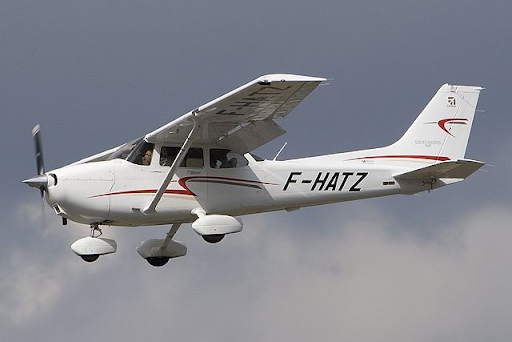
You're scrolling through airplane listings online when something catches your eye. A Cessna 172 for $65,000. Your heart skips a beat. New ones sell for over $400,000. This has to be a mistake, right? You click the listing and see those magic words: "Former flight school aircraft." Suddenly the price makes sense, but now you're wondering if this deal is too good to be true.
Here's something that might surprise you: according to the FAA, there are over 200,000 general aviation aircraft in the United States, and the Cessna 172 remains the most popular trainer in the sky. Flight schools retire these planes all the time, flooding the used market with aircraft that look affordable on paper. The question is simple but important. Can you really save money buying a flight school Cessna 172, or will you end up paying more in the long run?
The answer depends on knowing what you're getting into. Let's start with why these planes cost so much less than their private-owner cousins.
Key Takeaways
Buying a flight school Cessna 172 can be smart if the plane has excellent maintenance records, passes a thorough inspection, and you budget for repairs. It's risky if you skip the pre-buy inspection, can't afford surprise costs, or find incomplete logbooks. The right ex-trainer offers great value. The wrong one becomes an expensive problem. Success depends on careful research and realistic expectations about what a hard-working plane needs.
| Decision Factor | Smart Buy | Risky Buy |
| Price Range | $60,000-$100,000 for good condition | Under $40,000 (usually needs major work) |
| Maintenance Records | Complete logs, regular 100-hour inspections | Missing pages, gaps in history |
| Pre-Buy Inspection | Professional A&P finds minor issues only | Owner won't allow independent inspection |
| Your Budget | Purchase price + $10,000-$20,000 reserve | Stretched thin just to buy it |
| Engine Condition | Recently overhauled or mid-time | High hours, low compression numbers |
| Best For | Pilots who understand aircraft ownership | First-time buyers seeking "bargains" |
| Annual Costs | $15,000-$25,000 (100 hours/year) | Unpredictable, often much higher |
Why Flight School Planes Cost Less
Walk into any FBO and ask about used aircraft prices. You'll notice a pattern fast. Flight school planes sell for thousands less than comparable aircraft owned by private pilots. A 1980s Cessna 172 with a private owner might list for $95,000. The same year model from a training fleet? Maybe $65,000. That's a $30,000 difference.
The reason is simple. These airplanes work harder than private planes ever will.
Think about your car. If you drive 10,000 miles a year, it stays nice for a long time. But what if you drove for Uber, putting on 50,000 miles a year? The wear adds up fast. The same thing happens with training aircraft.
Here's what hard work looks like in the aviation world:
- Monthly flying hours: A private aircraft owner might fly 8-10 hours per month. A flight school plane? Try 60-100 hours.
- Landings per year: Private pilots make a few hundred landings. Trainers rack up thousands.
- Different hands: One careful owner versus 30 different student pilots each month.
- Pattern work: Constant takeoffs and landings put stress on everything.
But here's the interesting part. All those hours mean something good too. Engines don't like sitting around. They actually stay healthier when they're used regularly. A training plane with 5,000 hours that flew consistently might have a better engine than a 2,000-hour plane that sat in a hangar for years at a time.
The market knows this history. Buyers see "flight school" in the listing and they think about worn interiors, tired brakes, and seats that have been adjusted ten thousand times. They're not wrong. That's exactly what happened. So sellers drop the price to match reality.
You get a lower price tag because you're buying an aircraft with a known hard life. The question becomes: did that hard life include good care, or did it break things that never got fixed right?
What Flying Students Do to Airplanes
Let's go over what really happens when someone is learning to fly. Nobody means to be rough on the plane. Every student pilot wants to do everything perfectly. But learning means making mistakes. And mistakes wear out airplanes.
Picture a typical training flight. The student is nervous. They're thinking about six things at once. The CFI is coaching them through every step. Things that seem simple to an experienced pilot take total concentration when you're new.
Landing is where most wear happens:
- Students misjudge the flare. The plane drops hard onto the runway.
- They bounce. Then drop again. Sometimes three or four times.
- Tires take the impact. Brakes get used aggressively.
- The nose gear hits harder than it should.
- Shimmy dampeners work overtime.
One hard landing isn't the end of the world. But multiply that by hundreds of students making hundreds of landings. Now you see why training planes need new tires every few months instead of every few years.
The interior takes a beating too:
- Seats get adjusted constantly. Morning student is 5'4". Afternoon student is 6'2". Every single flight means moving that seat.
- The seat rails (those metal tracks the seat slides on) develop wear. The locking pins that hold the seat in place get rounded instead of sharp.
- Carpet gets dirty from dozens of different pairs of shoes every week.
- Upholstery tears from getting in and out hundreds of times.
Engine operations add stress:
- New pilots forget to lean the mixture properly. The engine runs rich and fouls plugs.
- Touch-and-goes mean rapid power changes. Full throttle, then idle, then full throttle again.
- Pilot training includes practicing engine failures. The throttle gets chopped suddenly, over and over.
But remember what we said earlier. Regular use keeps mechanics busy, which is actually good. Flight schools can't afford to have planes sitting broken. They fix problems fast because every grounded plane loses money.
Most training operations follow the rules carefully. They do 100-hour inspections in addition to the annual inspections the FAA requires. That's a lot of eyes on the plane, checking for problems before they become dangerous.
The real issue comes down to maintenance philosophy. Some schools fix everything properly. Others do the minimum to keep the plane legal. That difference matters more than the hours on the airframe.
The Hidden Costs Nobody Talks About
You found a Cessna 172 for $70,000. You can swing that payment. Great! But that number is just the beginning. The real cost of ownership hides in places most new buyers never think about.
Here’s what you'll actually spend.
Insurance costs more for ex-trainers:
- A plane with private ownership history might cost $1,200 a year to insure.
- The same plane with flight school history? Try $2,500 to $4,000.
- Insurance companies know the statistics. More hours means more risk in their eyes.
- Some insurers won't even cover former training aircraft at all.
You'll pay for inspections twice as often:
- Private owners get an annual inspection once a year. Cost: $1,500-$3,000.
- If your plane was used commercially (which training counts as), you need 100-hour inspections too.
- Fly 200 hours a year? That's two 100-hour inspections plus the annual. Three inspections total.
- Each inspection runs $800-$1,500. Add it up.
Storage isn't optional:
- Leaving any airplane outside means weather damage. UV rays crack plastic. Rain causes corrosion.
- A hangar in the Midwest might cost $200 a month. In California? Try $600-$1,000.
- That's $2,400 to $12,000 every year just for a parking spot.
The engine overhaul fund:
This is the big one people forget. Engines don't last forever. After about 2,000 hours, they need to be completely rebuilt. That's called an overhaul. The cost? Between $25,000 and $38,000.
Here's the math that scares new owners. If you buy a plane with 1,200 hours on the engine, you have maybe 800 hours before overhaul time. If you fly 100 hours per year, that gives you 8 years. Sounds like a long time. But you need to save for it now.
$30,000 divided by 8 years = $3,750 per year. That's $312 every single month you need to set aside.
Then come the surprises:
- Radios stop working. Replacing avionics costs $3,000-$15,000 depending on what you need.
- Cylinders crack. Each new cylinder runs $1,500-$2,000.
- Seat rails wear out (we'll talk more about this later). New rails cost $500-$1,000 plus installation.
- Paint and interior eventually need work. Budget $15,000-$30,000 when that time comes.
The hourly costs add up fast:
Let's say you fly 100 hours a year. Here's what each hour actually costs:
- Fuel: $50-$60 (at current prices)
- Oil: $2-$5
- Maintenance reserve: $50
- Fixed costs spread across hours: $150-$250
Total: $252-$365 per hour. Compare that to renting a similar plane for $150-$180 hourly. Suddenly rent looks pretty good if you're only flying occasionally.
The real question becomes: Will you fly enough to make ownership worth it? If you're flying 150+ hours annually, the math starts working. Under 100 hours? You're probably losing money compared to renting.
These hidden costs don't make buying a training plane a bad idea. They just mean you need to be realistic about the total picture. That $70,000 purchase price is really a commitment to spending $20,000-$30,000 every year to keep the plane flying safely.
Should You Buy a Plane That Taught Others to Fly?
So here we are at the big question. You've seen the prices. You understand the wear. You know about the hidden costs. Now you need to decide if a former training aircraft makes sense for you.
The answer isn't the same for everyone. Let's walk through the different situations and what matters most.
When a Training Plane Makes Perfect Sense
Some people are actually perfect candidates for buying ex-flight school airplanes. Here's who fits that description:
You're a realistic person with money saved. The best ex-trainer buyers know that $10,000-$20,000 in repairs might hit in year one. They have that money sitting in the bank, ready to go. They won't panic when the mechanic calls with bad news about the cylinders.
You understand aircraft systems. Maybe you're already a pilot with 500 hours. You've been around planes long enough to know what's normal wear and what's neglect. You can look at an airplane and see things a first-time buyer would miss. Experience protects you.
You found a school with excellent standards. Not all flight schools are the same. Some treat their planes like the expensive tools they are. They fix every squawk immediately. They replace parts before they fail. They keep meticulous records. If you can buy from one of these operations, you're getting an airplane that was actually maintained better than many privately-owned planes.
The logbooks tell a complete story. Every oil change is documented. Every repair has an entry. Every inspection is signed off properly. The aircraft owner before you cared about doing things right. That paper trail gives you confidence about what you're buying.
The engine was recently overhauled. Finding a training plane with 200 hours since a major overhaul changes everything. You just eliminated your biggest expense for the next 1,800 hours. That's 18 years of flying if you do 100 hours per year. Suddenly that ex-trainer looks like a fantastic deal.
You plan to fly a lot. Here's where the math flips. If you're planning to fly 150-200 hours a year (maybe you're working on advanced ratings or just love flying cross-country), ownership starts making financial sense. The hourly costs drop because you're spreading those fixed costs across more flight time.
The Red Flags That Mean Walk Away
Just as some situations are perfect for buying a trainer, others scream "danger." Here's when you should keep looking:
The logbooks have missing sections. You open the records and find that years 2015-2017 are just gone. Nobody can explain why. This is a deal-breaker. Those missing pages probably hide problems. Don't guess about what might be hidden. Just walk away.
The seller won't allow an independent inspection. Every legitimate seller understands that buyers need their own mechanic to look at the plane. If someone says "it just had an annual, that's good enough," they're hiding something. Always get a pre-buy inspection from someone you choose, not someone they choose.
The seat rails are worn past limits. This is specific but critical. The FAA has an Airworthiness Directive about seat rails. They must be inspected every 100 hours. If the locking pin holes are worn, the seat can slide backward during takeoff. Pilots have died from this. If the inspection shows wear past limits and the seller hasn't fixed it, that tells you about their maintenance philosophy.
You're stretching your budget just to buy it. If you're using every dollar you have to make the purchase, you can't afford this plane. The post-purchase repairs will break you financially. Better to save another year and buy with a cushion.
The price is suspiciously low. A Cessna 172 that should sell for $75,000 is listed at $45,000. Why? Usually because it needs $30,000 in work. The seller knows this. They're hoping you don't. Trust market prices. If it seems too cheap, there's a reason.
The flight school is sketchy. You visit to see the plane. The other aircraft in the fleet look rough. Oil stains on the ramp. Tires worn to the cords. Nobody can find maintenance records quickly. This school runs on minimum standards. Their plane you're looking at got the same treatment.
The Inspection That Saves Your Money
Let's talk about the most important $1,000 you'll spend. The pre-purchase inspection isn't optional. It's the difference between a smart buy and a financial disaster.
Here's what a good inspection includes:
Engine checks that matter:
- Compression test on all cylinders (you want 70/80 or better)
- Borescope inspection to look inside cylinders for cracks or carbon buildup
- Oil analysis if there's enough oil to sample
- Check all engine accessories (magnetos, alternator, starter)
Airframe inspection:
- Look for corrosion in the wing spars (this is expensive to fix)
- Check all control cables for wear
- Inspect landing gear for cracks or damage from hard landings
- Examine the firewall for cracks (common in training planes)
The seat rail inspection:
- Measure the locking pin holes (must be under 0.42 inches at proper depth)
- Check all rollers for flat spots
- Verify springs are present and functional
- Look at the tang thickness on roller housings
Avionics and electrical:
- Test all radios and navigation equipment
- Check that IFR equipment works if plane is certified for instrument flight
- Verify avionics aren't outdated to the point of being useless
- Make sure ADS-B is installed (required by FAA)
A thorough inspection takes 8-12 hours. The mechanic will find things. Count on it. The question is whether those things are minor (worn tire, cracked dome light) or major (cracked cylinder, corroded spar).
Budget $800-$1,200 for the inspection. Some buyers skip this to save money. Those buyers often end up spending $20,000 on repairs they didn't know about. Don't be that person.
Understanding the Real Numbers
Let's put real math to this decision. We'll compare three scenarios: buying an ex-trainer, buying a private owner plane, and renting.
Scenario 1: You buy the $70,000 ex-trainer
- Purchase price: $70,000
- First-year surprises: $8,000
- Annual insurance: $3,000
- Hangar: $3,600 ($300/month)
- Inspections (annual + one 100-hour): $2,500
- You fly 120 hours
- Fuel and oil: $6,600 ($55/hour average)
- Maintenance reserve: $6,000 ($50/hour)
- Total first year: $99,700
- Cost per hour: $831 first year (drops to $175/hour after purchase)
Scenario 2: You rent from a flight school
- You fly 120 hours
- Rental rate: $165/hour
- Total: $19,800
- No other costs. No surprises.
Scenario 3: You buy a $110,000 private owner plane
- Purchase price: $110,000
- First-year surprises: $3,000
- Annual insurance: $1,800
- Hangar: $3,600
- Annual inspection only: $1,800
- You fly 120 hours
- Fuel and oil: $6,600
- Maintenance reserve: $6,000
- Total first year: $132,800
- Cost per hour: $1,107 first year (drops to $190/hour after purchase)
The ex-trainer saves you $40,000 on purchase price compared to the private owner plane. But the first year costs more due to catching up on deferred maintenance. By year three, if nothing major breaks, you're probably ahead financially.
Compared to renting, ownership makes sense when you fly a lot. At 120 hours per year, you're spending about $175 per hour in the ex-trainer after the first year. Renting costs $165. You're paying $10 more per hour to own instead of rent, but you have a plane available anytime and you're building equity.
Drop to 60 hours per year and ownership costs jump to $300+ per hour. Renting wins easily.
What About a Leaseback Deal?
Some sellers offer an interesting option. Buy the plane and lease it back to the flight school. They'll rent it to students, and you collect part of the revenue. Sounds perfect, right?
Be very careful here. Most leaseback deals favor the flight school, not you.
How leasebacks typically work:
- You buy the plane for $80,000
- The school pays you $75-$95 per flight hour
- You pay ALL maintenance costs
- You pay ALL inspections
- You pay insurance (which just went way up because it's commercial use now)
- You have to schedule the plane like any other renter
The math rarely works out:
- The plane needs to fly 50+ hours a month to break even
- Your insurance jumps to $6,000-$10,000 per year
- Students are harder on the plane than if you flew it yourself
- You lose control of your own airplane
- The school might go out of business, leaving you with a worn-out plane
Some people make leasebacks work. They're usually pilots building hours toward a career. They buy a plane, lease it back while getting their commercial and CFI certificates, fly it for free while instructing, then sell it when they're done. Even then, most just break even.
For someone wanting a plane to fly for fun? Skip the leaseback. The headaches outweigh the benefits.
Comparing to Other Options Like Piper
One question that comes up often: should you look at Piper aircraft instead of Cessna 172s? Piper makes great training planes too, especially the Cherokee and Warrior models.
The comparison goes like this:
Cessna 172 advantages:
- More available in the used market
- Better visibility with high wings
- Easier to get in and out
- Parts are everywhere
- Every mechanic knows them
Piper Cherokee/Warrior advantages:
- Often cost less to buy
- Lower insurance rates
- Better useful load (can carry more)
- Sportier handling
- Cheaper to maintain
For a first-time buyer, the Cessna 172 usually makes more sense. The support network is bigger. Finding mechanics and parts is easier. The resale market is stronger when you decide to sell.
But don't ignore Pipers completely. A well-maintained Piper Warrior from a flight school might be a better deal than a rough Cessna 172. Judge each plane on its own condition, not just the name on the cowling.
Making Your Final Decision
After all this information, how do you actually decide? Here's a simple checklist:
✓ Can you answer "yes" to all of these?
- I have money saved beyond the purchase price ($15,000+)
- I found a plane with complete maintenance records
- A qualified mechanic will inspect it before I buy
- I understand this plane will need work
- I can afford $20,000-$30,000 per year to operate it
- I'll fly enough hours to justify ownership (100+ per year)
- I'm patient enough to walk away if this isn't the right plane
If you said "no" to even one, keep renting. Save more money. Learn to fly more. Study the market. The right plane will come along when you're truly ready.
If you said "yes" to all of them, you might have found your plane. Get that inspection scheduled. Review the logbooks carefully with your mechanic. Make an offer that reflects the real condition, not the asking price.
Remember, buying a flight school Cessna 172 works great for some people. It's a disaster for others. The difference isn't the plane. It's the buyer's preparation and realistic expectations. A hard-working trainer that's been well-maintained will serve you faithfully for years. You just need to be the right owner for it.
Conclusion
Here's the truth about buying a flight school Cessna 172. It's not automatically smart. It's not automatically risky. The outcome depends entirely on you doing your homework before you sign anything.
The planes that taught hundreds of student pilots to fly can become excellent personal aircraft. They're available. The prices are lower. The maintenance is often better than privately-owned planes that sat in hangars for months at a time. But they come with real wear that costs real money to address.
Your job is simple: find the right plane, not just any plane. Complete logbooks matter more than low hours. A recent overhaul beats a cheap price. A thorough inspection saves you from expensive surprises. And having money in the bank protects you when something breaks.
The flight school aircraft market rewards patient, educated buyers. It punishes people chasing the lowest price without understanding what they're buying. Which buyer will you be?
Ready to explore more about aircraft ownership and make smart decisions about your aviation future? Flying411 has the guides, reviews, and expert advice you need to navigate the used aircraft market with confidence. Check out our resources and join pilots who made ownership work for them.
Frequently Asked Questions
Can I finance a used flight school Cessna 172?
Yes, aviation lenders will finance used training aircraft. Expect to put down 15-20% and pay interest rates around 7-9%. Your approval depends on credit score and income. Some lenders won't finance planes over 40 years old or with certain damage history. The loan term typically runs 10-20 years. Factor the monthly payment into your ownership budget alongside insurance and hangar costs.
How many hours is too many for a flight school Cessna 172?
Total airframe hours matter less than maintenance quality. A 10,000-hour plane with complete records and recent overhaul beats a 3,000-hour plane that sat neglected. Focus on engine hours since major overhaul instead. Under 1,000 hours is great. Over 1,500 means budgeting for overhaul soon. Check the logbooks for consistent care throughout the plane's life, not just recent work.
What's the biggest mistake first-time buyers make?
Skipping the pre-purchase inspection to save money. Buyers get excited about a good price and trust the seller's word about condition. Then they discover $15,000 in needed repairs after closing. Always hire your own mechanic for inspection. It costs $1,000 but saves thousands. Also, buyers underestimate ongoing costs and end up unable to fly the plane they just bought.
Should I buy a plane to build hours for my commercial license?
Maybe, but run the numbers carefully. If you need 150 hours and plan to earn them in one year, buying could work. You'll spend about $26,000 ($175/hour operating cost) versus $25,000 renting at $165/hour. You break even financially but own an asset. However, if something breaks or you need three years to build hours, renting wins. Consider partnerships to split costs instead.
Can I convert a flight school plane back to looking nice?
Absolutely. New interior runs $3,000-$8,000 depending on materials. Paint costs $12,000-$20,000 for quality work. Updated avionics range from $5,000-$30,000. Budget $20,000-$50,000 total for a complete cosmetic overhaul. Many owners buy cheap trainers, fly them during restoration, and end up with gorgeous planes at half the cost of buying one already perfect. Just do the cosmetics after mechanical issues are resolved.