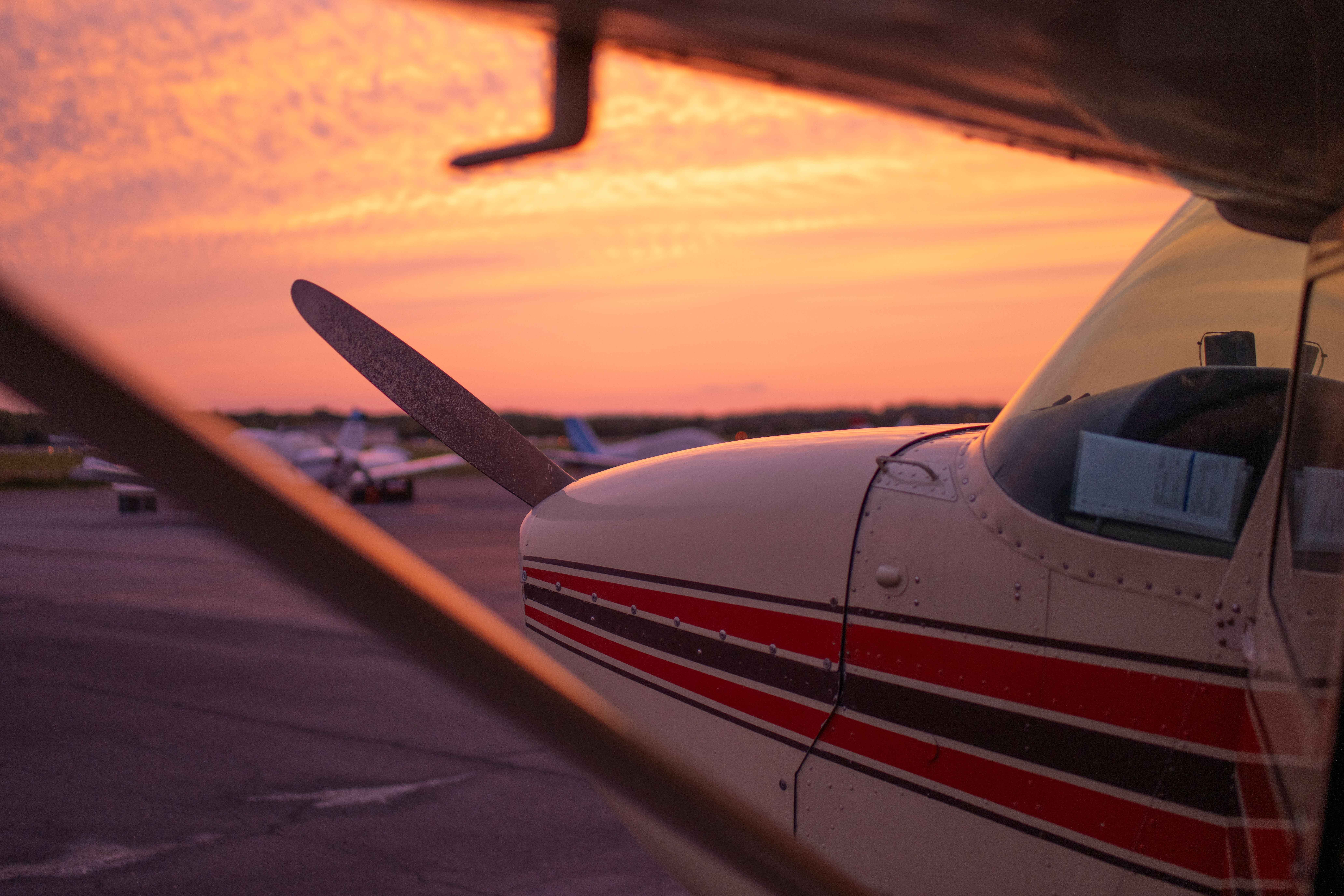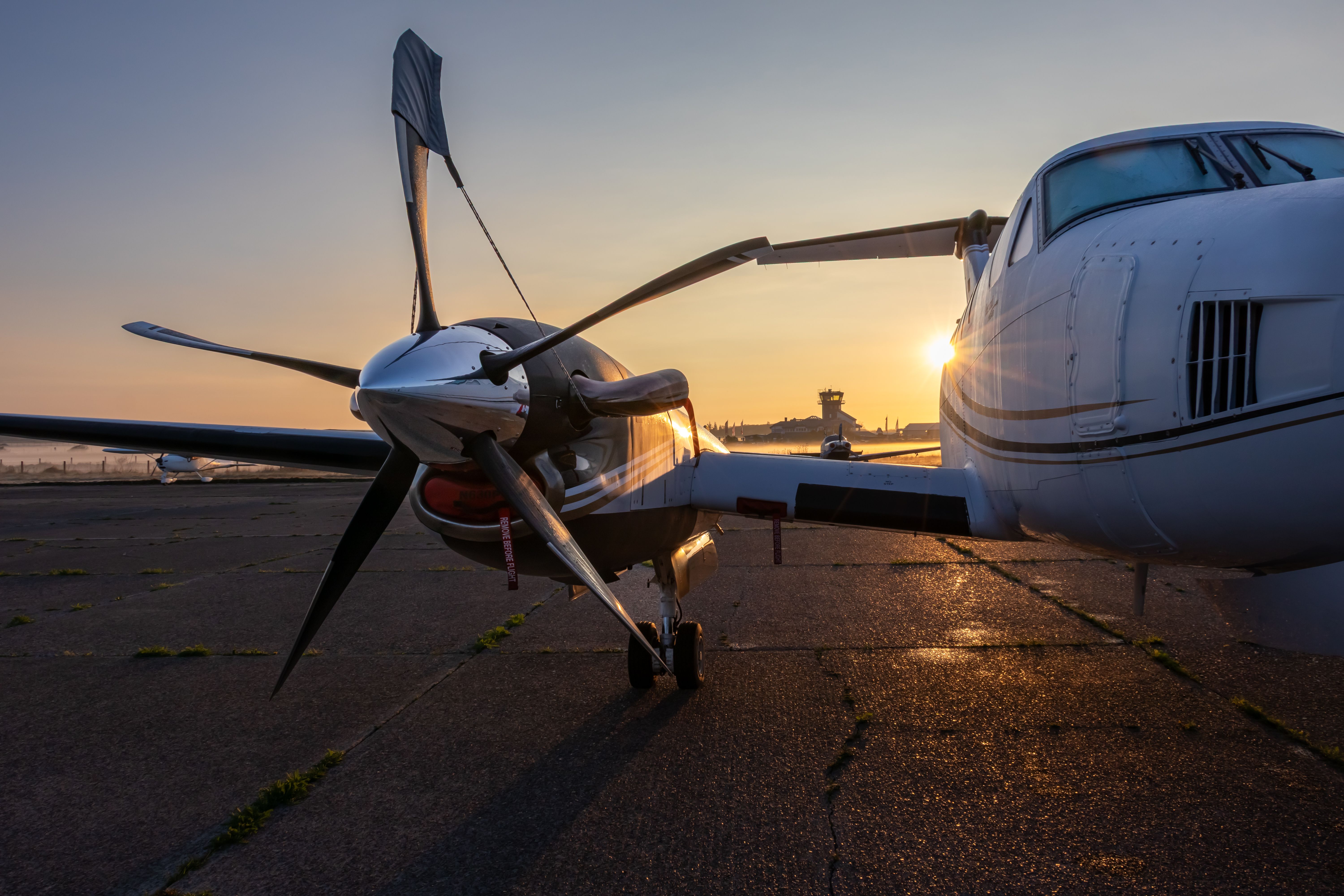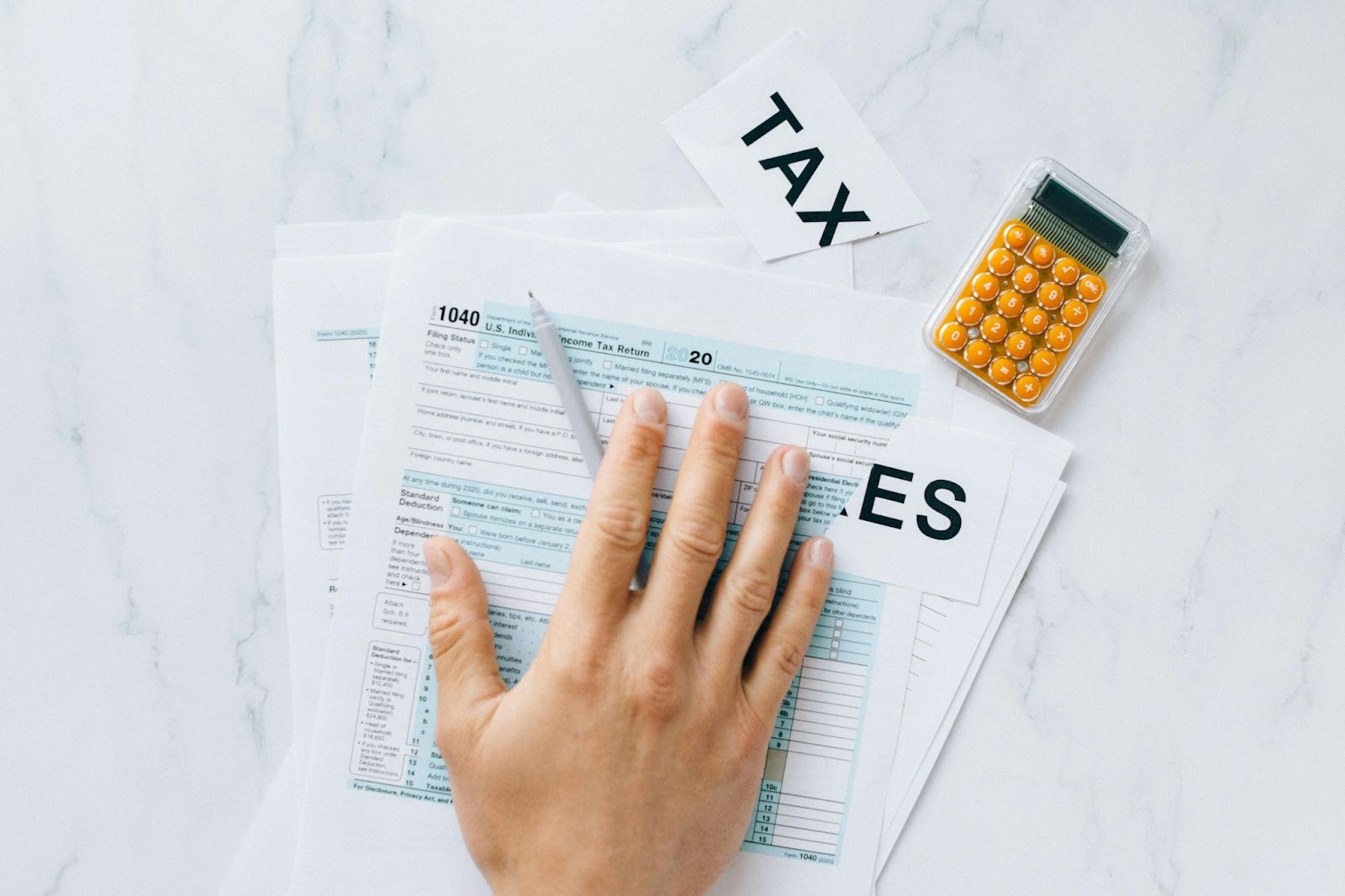
You know what's cool about owning a small plane? You can actually save a lot of money on your taxes. If you run a business and you need to fly places, a Cessna 172 can help you keep more cash in your pocket. This little four-seat plane has been around since 1956—making it the most popular plane ever made.
Business folks love it because it's reliable, easy to fly, and costs less than bigger planes. But here's the best part: the government lets you write off almost the whole thing on your taxes if you use it for work.
The tax advantages of owning a Cessna 172 can be huge if you know how to do it right. This post goes over what makes this plane such a smart choice for people who want to fly and save money at the same time.
Key Takeaways
If you buy a Cessna 172 and use it mostly for business, you can write off the full purchase price in the first year (thanks to something called bonus depreciation), plus all your flying costs like fuel, insurance, and maintenance. You just need to use the plane for business more than half the time and keep good records of every flight. The catch? If you use it too much for fun stuff, you could lose these tax breaks and even have to pay money back to the IRS.
| What You Can Save | How It Works |
| Full Purchase Price | Write off 100% in year one with bonus depreciation |
| All Flying Costs | Deduct fuel, insurance, hangar rent, repairs, inspections |
| The Big Rule | Must use plane for business more than 50% of the time |
| What You Need | Flight logs showing where you went and why for work |
| What Doesn't Count | Fun trips, vacations, sporting events—even with clients |
| Price Range | New: $400,000-$500,000 / Used: $30,000-$300,000 |
What Makes the Cessna 172 Special for Business Owners?
The Cessna 172 Skyhawk is like the Honda Civic of the sky. It's been the go-to plane for flight schools, business owners, and weekend pilots for almost 70 years. But why do so many people who run companies pick this particular plane?
First off, it's simple to fly. You don't need to be a rocket scientist to figure out the controls. The high-wing design means you get great views when you're looking for a landing spot or checking out properties from the air. It sits four people comfortably—perfect for bringing along a couple of colleagues or clients.
Here's what makes it work so well for business purposes:
- You can land almost anywhere. Small airports without commercial flights? No problem. That dirt strip near your construction site? The 172 can handle it.
- It doesn't break the bank. Flying costs run about $100 to $200 per hour. Compare that to chartering a private jet at thousands per hour.
- It's tough and reliable. These planes can fly for decades if you take care of them. Some are still going strong after 50 years.
- Everyone knows how to fix them. Mechanics everywhere work on these planes. Parts are easy to find. You won't be stuck waiting for some rare piece to ship from overseas.
The aircraft also gets you places fast. You can skip the security lines, the layovers, and the two-hour-early arrivals at big airports. Just drive up, do your pre-flight check, and go. For someone running a business activity across multiple cities or rural areas, that time savings adds up quick.
And here's something people don't always think about: when you own the plane, you control the schedule. Client meeting got moved up? You can leave early. Need to visit three job sites in one day? Easy. Try doing that on commercial airlines.
The Cessna 172 also holds its value pretty well. A well-maintained one doesn't lose money like a new car does. Some folks even see their planes go up in value over time, especially with the right upgrades.
But the real magic happens when you combine all this with the tax code. The government sees business aircraft as tools that help companies grow. And they want to encourage that. So they let you write off the costs. We'll get into exactly how that works in a bit, but the bottom line is this: the 172 is affordable enough to make sense for small and medium businesses, but big enough to qualify for serious tax advantages.
How Much Does a Cessna 172 Actually Cost?
If you want to buy a brand new aircraft straight from the factory, you're looking at somewhere between $400,000 and $500,000. That gets you all the latest bells and whistles—fancy glass cockpit screens, new upholstery, that fresh airplane smell, and a full warranty.
But most business owners don't go that route. They buy used. And that's where things get interesting.
Used plane prices all over the map:
- Older models from the 1960s and 70s: $30,000 to $75,000
- These are the budget options. They fly just fine, but the paint might be faded and the panel might look like it's from your grandpa's era.
- Middle-aged planes from the 1990s to early 2000s: $70,000 to $150,000
- These hit the sweet spot for a lot of buyers. Not too old, not too pricey. Usually have some decent upgrades.
- Nearly new or heavily upgraded models: $150,000 to $300,000
- Low hours, modern avionics, leather seats—basically like buying a three-year-old luxury car instead of a brand new one.
Now here's what really affects the price:
Engine condition matters most. The engine is the heart of any plane. A recently overhauled engine can add $30,000 to $40,000 to the value. An engine that's near the end of its life? That knocks the price way down. Smart buyers look at "time since major overhaul" (SMOH) like a used car buyer checks mileage.
Avionics make a big difference. Modern GPS navigation, autopilot, and updated radios can bump up the price by tens of thousands. Some buyers specifically hunt for planes with Garmin glass cockpits because they make flying easier and safer.
But the sticker price is just the start. Operating costs hit you every month:
- Fuel: About $42 to $70 per hour (the plane burns 7 to 9 gallons per hour)
- Insurance: $800 to $5,000 per year depending on your experience
- Hangar rent: $1,000 to $5,000 per year (or $100 to $300 per month)
- Annual inspection: $1,000 to $2,000 each year (required by law)
- Surprise repairs: Could be a few hundred or a few thousand
Add it all up, and you're looking at roughly $5,000 to $7,000 in fixed costs every year, plus another $100 to $200 every time you fly.
Here's the thing though: every dollar you spend on that plane for business use can come off your taxes. That business expense deduction means the government is basically paying part of your flying costs. If you're in a high tax bracket, Uncle Sam might cover 30% to 40% of everything through tax savings.
And if you're smart about it? You can write off the entire aircraft purchase price in year one. That's where the real money gets interesting.
Why the Government Gives Tax Breaks for Business Planes
You might wonder why Washington wants to help you buy an airplane. It seems like a luxury, right? But the tax law sees it differently.
The government looks at aviation equipment as business tools—just like a delivery truck or a computer. If a construction company needs a fleet of pickup trucks to do its job, those trucks are deductible. Same thing with a plane.
Here's the thinking: when businesses can move faster and work more efficiently, they make more money. When they make more money, they hire more people, pay more in taxes overall, and help the economy grow. A private aircraft lets you visit customers and job sites that commercial airlines don't reach. It lets you make three meetings in one day instead of one meeting spread over three days.
The tax benefit also encourages investment. When the government says "buy equipment now and write it off now," companies are more likely to spend money. That spending keeps aircraft manufacturers busy, creates jobs for mechanics and pilots, and pumps money through the whole private aviation industry.
But there's another angle too: small businesses need help competing with big corporations. A huge company with deep pockets can afford to fly executives on chartered jets. A small company can't. But if that small company can buy a used Cessna 172 and write off the cost, suddenly they're more competitive. They can respond to opportunities faster. They can serve customers better.
The specific tax rules we'll talk about—bonus depreciation and Section 179—were designed to help businesses invest in themselves. Congress figured out that when you let companies keep more of their money in the early years, they use that cash to grow. It's like giving them a loan they never have to pay back.
Tax considerations around planes have gotten even better recently. In July 2025, a new law brought back 100% bonus depreciation permanently. Before that, the deduction was shrinking every year and was supposed to disappear completely by 2027. Now it's locked in for good.
Some people think aircraft ownership tax breaks only help rich folks. But talk to the guy who runs a pipeline inspection company and needs to check hundreds of miles of remote territory every week. Or the doctor who flies to rural clinics in three different counties. Or the rancher with properties spread across two states. For them, a plane isn't a toy—it's how they do their job.
And honestly? The government wants people investing in their businesses instead of just sitting on cash. These tax breaks make that happen. When you're deciding between buying that aircraft or just dealing with the hassle of commercial flights, knowing you can write off the whole purchase price this year? That tips the scale.
The rules can get complicated—and we'll break them down—but the basic idea is simple: if you're using the plane to make money in your trade or business, the government will help you afford it through the tax code. That's a deal worth understanding.
How to Write Off Your Cessna 172 and Save on Taxes
Okay, here's where we get into the money-saving stuff. The tax code has two main ways to write off your plane, plus a bunch of smaller deductions for operating the aircraft. Here’s a breakdown of it all down so you know exactly what you can claim on your tax return.
Taking the Full Cost Off Your Taxes in Year One
This is called bonus depreciation, and it's probably the biggest tax benefit you'll find. Here's how it works: if you buy a Cessna 172 and put it to work in 2025, you can deduct the entire purchase price this year. The whole thing. Every penny.
Let's say you buy a nice used 172 for $150,000. You use it 60% for business purposes and 40% for personal flying. On your 2025 taxes, you can write off $90,000 (that's 60% of the purchase price). If you're in the 37% federal tax bracket, that saves you about $33,300 in taxes. That's real money.
Here's what you need to know:
- The plane has to be new to you. Used planes count as long as you didn't own or lease this specific plane before. Buying a new or used aircraft from someone else? You're good.
- You need to "place it in service" by December 31. That means you have to own it and be ready to fly it by the end of the tax year. Just signing a contract doesn't count—you need the actual plane.
- Business use needs to be over 50%. This is huge. More than half your flying has to be for work. Not 50-50. More than half. We'll talk about tracking that in a minute.
- It has to stay in the U.S. most of the time. If you're mainly flying in America, you're fine.
One thing people mess up: they think "depreciation" means the plane is losing value. Nope. This is a tax thing, not a market value thing. Your plane might actually go up in value over time, and you still get the write-off. The IRS doesn't care what it's worth later—they care about you investing in your business activity now.
The Other Way to Deduct Your Plane Purchase
Section 179 is the second option. It works a lot like bonus depreciation, but with some different rules. For 2025, you can write off up to $2.5 million in equipment purchases this way.
Here's when Section 179 makes sense:
You want flexibility. Unlike bonus depreciation (which is all-or-nothing), you can choose to deduct only part of the plane's cost. Maybe you want to spread the tax savings over two years. Section 179 lets you do that.
You're buying something under $2.5 million. Most Cessna 172 buyers will fall under this limit. But there's a phase-out: if you buy more than $4 million in total equipment in one year, your Section 179 deduction starts shrinking. At $6.5 million in total purchases, it goes away completely.
You have enough business income to cover it. Section 179 has a special rule: you can't use it to create a loss. Your deduction can't be bigger than your total business income for the year. Bonus depreciation doesn't have this limit.
Most aircraft owners go with bonus depreciation because it's simpler and you can write off more. But talk to your tax professional—they'll know which one fits your situation better.
Writing Off Your Monthly and Yearly Plane Costs
The big deductions are sexy, but the everyday operating costs add up too. Every dollar you spend on the plane for business use comes off your taxes. And I mean everything:
- Fuel and oil: Usually your biggest variable cost
- Insurance: The whole premium if it's 100% business, or your business percentage if mixed use
- Hangar or tie-down fees: Whether you park it inside or outside
- Maintenance and repairs: Oil changes, new tires, brake work, all of it
- Annual inspection: That mandatory check-up every year
- Upgrades and improvements: New radios, paint job, interior work—but only if it's maintenance, not a major improvement (those get depreciated)
- Landing fees: The little charges at some airports
- Pilot costs: If you hire a pilot, their salary counts
- Training: The cost to keep your ratings current
Let's say you fly 100 hours this year for work. At $150 per hour in costs, that's $15,000 in operating costs. If 75% of your flying is business, you can write off $11,250. In a 37% tax bracket, that saves you about $4,150 in taxes.
The IRS calls these "ordinary and necessary" expenses for your trade or business. As long as you can show the plane helps you make money, you're good.
The Most Important Rule: Use It for Business More Than Half the Time
This is the rule that makes or breaks everything. Your aircraft use needs to be more than 50% business to get all these tax breaks. Not 50-50. Not "close enough." More than half.
The IRS counts this by hours flown. If you fly 100 hours this year, at least 51 of those hours need to be for work. Some people track it by number of flights instead, but hours is safer and more accurate.
Here's what happens if you drop below 50%:
You lose bonus depreciation entirely. Can't claim it at all. And if you already claimed it in a previous year and then slip below 50%? You have to "recapture" it—meaning you pay back those tax savings plus interest. Ouch.
Your regular expenses get limited. You can still write off costs, but only for the percentage you use it for business. If it's 40% business use, you can only deduct 40% of your fuel, insurance, etc.
Section 179 goes away too. Same deal as bonus depreciation—below 50% means you lose it.
This is why tracking matters so much. You need to prove to the IRS that you're really using this thing for work. Which brings us to...
What Counts as Business Use (And What Doesn't)
Okay, so what actually qualifies as business purposes? The IRS is pretty specific about this.
Good business flights:
- Flying to meet with clients or customers
- Visiting job sites or properties you own
- Going to conferences or trade shows
- Checking on business locations in other cities
- Transporting goods or equipment for your company
- Flying to meet with your accountant, lawyer, or other business advisors
- Scouting new business opportunities
Not business flights:
- Vacations (even if you check email once while you're there)
- Flying to sporting events or concerts
- Weekend getaways
- Taking friends or family on fun trips
- Commuting from home to your regular office
Here's where it gets tricky: entertainment flights. Even if you take a client to a football game and talk business the whole time, the IRS says that's entertainment—not a business flight. The 2017 tax law killed deductions for entertainment, and it applies to planes too.
What about mixing business and personal? Let's say you fly to another city for a client meeting (business), then stay the weekend to go skiing (personal). The flight there and back counts as business as long as the main reason for the trip was work. But if you're mostly going for fun and happen to stop by a customer for an hour? That's personal.
The IRS looks at the "primary purpose" of each trip. If work is the main reason, you're usually okay. Keep records showing what you did and why.
Passengers matter too. Flying alone to a business meeting? Definitely business. Flying with your spouse who helps with the company? Still business. Flying with your spouse who just wants to tag along for fun? Now you're getting into mixed use, and it gets complicated. A good rule: if the passenger has a legitimate work reason to be there, you're fine.
Keeping Records That the IRS Will Accept
None of these deductions mean anything if you can't prove them. The IRS wants to see detailed records of every flight. Not guesses. Not "I think I flew about 60% for business." Actual logs.
Here's what you need to write down for every single flight:
- Date
- Where you flew from and where you landed
- How many hours (Hobbs meter readings)
- Who was on board
- Why you made the trip—the business purpose
The "why" is the most important part. Don't just write "business meeting." Write "Met with Johnson Construction to bid on the new warehouse project." Or "Inspected rental properties in Bakersfield—units 12-18 needed roof evaluation."
The IRS wants "contemporaneous records." That's fancy talk for writing it down right away, not six months later when you're doing your taxes. Keep a logbook in the plane. Fill it out after every flight. It takes two minutes.
Also keep:
- Receipts for fuel, oil, repairs, everything
- Invoices from your mechanic
- Insurance statements
- Hangar rental agreements
- Proof of payment for everything
Some aircraft management companies will track this stuff for you. That can be worth it just for the peace of mind. But even then, you need to give them the business purpose for each flight.
One more thing: take photos. Not required, but smart. Picture of you at the client site. Photo of the property you inspected. Screenshot of the conference agenda. These backup your flight log if the IRS ever questions it.
People get lazy about this. Don't. The difference between "we flew for business sometimes" and "here's a detailed log of every business flight with supporting documents" is the difference between keeping your deductions and losing them in an audit.
Avoiding Expensive Mistakes That Cost You Money
Alright, now let's talk about the ways people screw this up. The tax implications can be great, but the tax issues can be brutal if you don't follow the rules. Here's what to watch out for.
What Happens If You Use Your Plane for Fun Too Much
Remember that 50% business use rule? If you dip below it, bad things happen fast.
Let's walk through an example. You buy a Cessna 172 for $200,000 in 2025. You use it 60% for business and personal use mixed, claim 100% bonus depreciation on the business portion ($120,000), and save about $44,000 in taxes if you're in the 37% bracket. Life is good.
Then in 2026, you use the plane more for fun. Weekend trips. Visiting family. Cruising around for the joy of it. Your business use drops to 40%.
The IRS sees this and says "nope, you don't qualify anymore." Now you have to "recapture" that depreciation. Here's what that means:
You have to add $120,000 back to your income on your 2026 tax return. Yep, the whole amount you deducted before. You'll owe about $44,000 in taxes, plus interest, plus maybe penalties if they think you knew you wouldn't maintain business use.
This is called depreciation recapture, and it hurts. A lot.
How to avoid this:
- Track your hours religiously
- If you see yourself slipping toward 50%, fly more business trips before year-end
- Don't count borderline trips as business if they're really not
- Plan your personal flying for months when you know you'll have heavy business flying too
Some people try to game the system by calling everything "business inspection flights" or "checking property." Don't. The IRS isn't stupid. They've seen every trick. If you get audited and your logs show you "inspected" the same beach property 15 weekends in a row, you're going to have problems.
Better strategy: be honest. Use the plane for business when you actually need it for business. Keep your percentage above 50% legitimately. If you want to fly for fun too, great—just track it separately and don't deduct those costs.
State Taxes Can Surprise You (Here's How to Avoid Them)
Federal taxes are one thing. Sales and use taxes from your state are another. And they can hit you hard if you're not careful.
When you buy an aircraft, most states want to charge sales tax on it—just like buying a car. Sales tax rates vary, but in some states it's 6%, 7%, even 8% or more. On a $200,000 plane, that's $12,000 to $16,000 you might have to pay.
But here's the good news: almost every state has exemptions. You just need to know about them.
Common state tax exemptions:
Fly-away exemption: Buy the plane in the state, but leave within a certain time (usually 10 to 30 days), and you don't owe their sales tax. States like Kansas, Georgia, and Arkansas have these because they build planes there. They want you to buy from their manufacturers but don't expect you to keep the plane there forever.
Interstate commerce exemption: If you use the aircraft mostly for flying across state lines for business, some states won't tax you. California has a version of this. You buy the plane outside California, use it for business in other states, then bring it to California. If more than 50% of your flying in the first six months is interstate business trips, you skip California's use tax.
Purchase for resale: This one's tricky. You buy the plane through a special company (called a special purpose entity), then lease it back to yourself or your business. The state sees it as buying for resale, so no sales tax. But you pay tax on the lease payments instead—which spreads the tax liability over time. This can work, but you need a lawyer to set it up right or you'll run into trouble with the FAA and IRS.
The common carrier exemption: If you're using the plane for Part 135 charter operations (commercial flying), some states exempt you. This usually doesn't apply to business owners just flying themselves around, but it's worth knowing about.
Here's the thing about state taxes: they're complicated and they change. What works in Montana doesn't work in New York. Your tax planning needs to include where you buy the plane, where you base it, and where you fly it.
Some people try to "base" their plane in Delaware or Montana because those states don't have sales tax. But if you live in California and hangar the plane there and fly it there 80% of the time? California's going to come after you for use tax. You can't just register it somewhere else and hope nobody notices.
Smart approach:
- Talk to a tax professional who knows aviation before you buy
- Understand your home state's rules and exemptions
- Keep records of where you fly (especially if you're claiming interstate commerce)
- Don't try clever tricks that smell like tax evasion
The potential tax savings from state exemptions can be huge. But the penalties for doing it wrong are huge too. States are aggressive about collecting use tax on planes. They have whole departments dedicated to finding aircraft that should be paying tax but aren't.
When You Need to Talk to a Tax Expert
Look, I can explain the basics here, but aircraft ownership taxes get complicated fast. Here's when you absolutely need to bring in a professional:
Before you buy. Not after. Before. A good aviation tax advisor can structure the purchase to maximize your tax benefits and minimize state taxes. This isn't a "figure it out later" situation.
If you have complex ownership. Buying through an LLC? An S-corp? A partnership? Each structure has different tax considerations. You need someone who knows the rules.
If you're doing fractional ownership. Owning a piece of a plane with other people brings in a whole new set of tax rules. The IRS treats this differently than full ownership.
If you mix business and personal use heavily. The allocation rules can get messy. A tax pro can help you track things properly and stay out of trouble.
If you get audited. If the IRS sends you a letter questioning your aircraft deductions, don't handle it yourself. Get help immediately. These audits can be aggressive, and the stakes are high.
If you're buying a private jet instead of a Cessna 172. Jets have additional rules, international flying considerations, and usually involve more money—which means more scrutiny.
What to look for in a tax advisor: Find someone who specializes in aviation taxes. Not just any CPA. Someone who understands the specific rules for planes. Ask them how many aircraft owners they work with. If they say "Oh, I've done a few," keep looking. You want someone who does this all the time.
Also, consider hiring an aircraft management company that handles tax purposes along with maintenance scheduling. They can track your flights, manage your logbook, and provide documentation that'll hold up in an audit. Yeah, it costs money—but so does an IRS audit that disallows $100,000 in deductions.
One last thing: the tax rules keep changing. That law I mentioned from July 2025 that brought back bonus depreciation? Nobody saw that coming a year earlier. Things shift. New court cases set new precedents. The IRS issues new guidance. You need someone keeping up with all that so you don't miss out on tax advantages or accidentally break new rules.
Bottom line: The significant tax savings from owning a Cessna 172 for your business are real. But so are the rules. Follow them carefully, keep excellent records, and get professional help when you need it. Do it right, and that plane will save you a ton of money while making your business activity more efficient. Do it wrong, and you'll wish you'd just stuck with commercial airlines.
Conclusion
Owning a Cessna 172 for your business can put serious money back in your pocket through tax deductions. Between the 100% bonus depreciation, operating expense write-offs, and smart state tax planning, you can turn that plane into one of the best investments you make. Just remember the golden rule: keep your business use above 50%, document everything, and don't try to cheat the system.
When you do it right, the tax advantages of owning a Cessna 172 make that aircraft pay for itself faster than you might think. Your business gets the freedom to fly where you need to go, when you need to be there. And Uncle Sam helps foot the bill.
Want to explore aircraft ownership and see how it fits into your business? The team at Flying411 can help you find the right plane and connect you with the tax professionals who'll make sure you maximize every deduction. Let's get you in the air and saving money.
Frequently Asked Questions
Can I deduct my flight training costs when I buy a Cessna 172 for business?
Yes, but with limits. If you're getting your initial pilot's license, that's considered a personal expense and isn't deductible. However, once you have your license and you're getting additional ratings or recurrent training specifically to operate your business aircraft safely, those costs usually qualify as ordinary business expenses. Things like instrument rating training, annual flight reviews, and type-specific training for your Cessna 172 can be written off if they're necessary for your business operations. Keep receipts and document how the training relates to your business flying needs.
What happens if I sell my Cessna 172 after claiming bonus depreciation?
When you sell the plane, you'll face depreciation recapture taxes on any gain. Here's how it works: if you bought the plane for $150,000, claimed $90,000 in depreciation, then sold it for $140,000, the IRS considers $90,000 of that sale price as recaptured depreciation (taxed as ordinary income) and $50,000 as a capital loss. The recapture can create a significant tax liability in the year you sell, so plan ahead. Some owners do a 1031 exchange into another aircraft to defer the taxes, but that requires careful timing and professional guidance.
Can I claim home office deductions if I manage my aircraft from home?
Absolutely, as long as you meet the regular home office requirements. If you have a dedicated space in your home where you do flight planning, maintain your logbooks, handle aircraft management paperwork, and conduct other business related to operating your plane, that space can qualify for a home office deduction. Calculate the percentage of your home used for this office and deduct that percentage of your mortgage interest, utilities, insurance, and maintenance. Just make sure the space is used regularly and exclusively for business—the IRS is picky about home office deductions.
Does it matter if I'm the only pilot flying my business aircraft?
Not for tax purposes. You don't need to hire a professional pilot to claim deductions on your Cessna 172. As long as you're properly licensed and flying the plane for legitimate business reasons, you can pilot it yourself and still write off all the expenses. In fact, flying yourself can save money since you won't have pilot salary costs. Just maintain your medical certificate and stay current with your ratings. The IRS cares about the business use and proper documentation, not who's sitting in the left seat.
Can I deduct costs if I let my business partner use the plane too?
Yes, if your partner is using it for the same trade or business and you're tracking their flights properly. The key is maintaining accurate logs showing each flight's business purpose, regardless of who's flying. If you own the plane through a partnership or LLC, the entity claims the deductions and allocates them to partners based on ownership percentage. If you own it personally but let your partner use it for your shared business, you can still deduct those costs as business expenses. Just make sure your insurance covers other pilots and document everything carefully to avoid tax issues if questioned.