Buying or selling an airplane comes with paperwork that can feel overwhelming at first. One document you'll handle early on is the aircraft bill of sale. This single sheet of paper proves ownership changed hands and helps the FAA process your aircraft registration. But once the sale is complete, how long should you actually keep it?
Many new aircraft owners don't realize that proper documentation can prevent costly delays and legal headaches. The bill of sale isn't another form to file away and forget. It serves as proof of purchase, protects your investment, and keeps you in compliance with federal rules.
Some records need to stay with you for just a year, while others should remain on hand indefinitely. The type of flying you do and the rules that apply to your situation determine exactly how long you need to hold onto each document.
Understanding these storage requirements now saves you stress later. Let's walk through exactly who needs to keep what, where to store these important papers safely, and how long each one should stay in your files.
Key Takeaways
You should keep your aircraft bill of sale indefinitely as the registered owner of the aircraft. The FAA requires records to prove ownership transfer, and you'll need the original bill of sale for future transactions, audits, or disputes. While some aviation paperwork has minimum retention periods of one year, ownership documents like the bill of sale should stay with you for as long as you own the plane and even beyond. This protects you legally and ensures compliance with federal aviation regulations.
| Topic | Key Point |
| Retention Period | Keep your aircraft bill of sale indefinitely |
| Who Needs It | Current and previous owners, buyers, and sellers |
| Storage Location | Secure, fireproof location with digital backup |
| Legal Requirement | Proof of ownership transfer required by FAA |
| Best Practice | Store with other permanent aircraft records |
What Is an Aircraft Bill of Sale and Why Does It Matter?
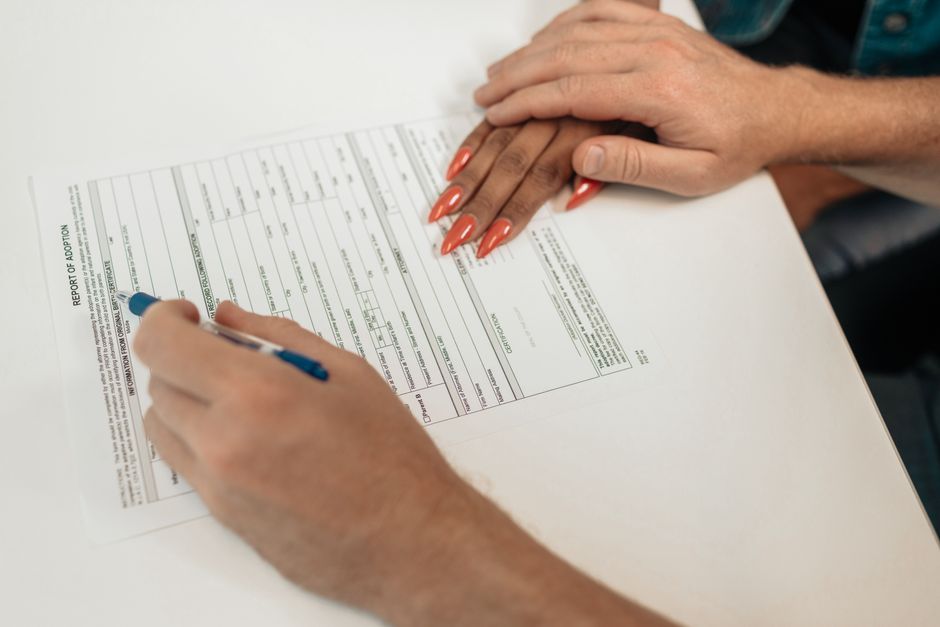
An aircraft bill of sale is the legal document that proves ownership changed from one person to another. Think of it like the title transfer form you use when buying a car. This form shows who sold the plane, who bought it, the date of the sale, and the purchase price. The FAA uses it to update their records and issue a new certificate of aircraft registration to the buyer.
Without a proper bill of sale, you can't legally register your plane. The form must include specific information to meet FAA requirements:
- Full legal names and addresses of both the seller and buyer
- Aircraft make, model, and serial number
- Certificate number (also called the N-number)
- Sale date and purchase price
- Signature of the seller (and notarization if required)
The bill of sale protects both parties in the transaction. For sellers, it proves they no longer own the plane and aren't responsible for what happens after the sale. For buyers, it confirms they legally purchased the aircraft and have the right to register it. This paperwork also helps during pre-purchase inspections, insurance claims, and any future sales.
Many people confuse the bill of sale with the certificate of aircraft registration. These are two different documents. The registration certificate shows the current registered owner, while the bill of sale proves how ownership transferred. You need both for complete aviation records. The FAA keeps copies of both documents at their registry in Oklahoma City, but you should maintain your own copies as well.
The bill of sale matters because it's your proof of purchase. Banks need it for financing. Insurance companies request it for policies. Future buyers will want to see a clear chain of ownership. Keeping this document safe ensures you can handle any compliance issue that comes up. It also confirms the plane meets airworthiness standards when you submit your registration application.
Who Needs to Keep an Aircraft Bill of Sale?
Every aircraft owner should keep their bill of sale on file. This includes private pilots who own small planes, flight schools with training fleets, and companies operating business jets. The registered owner of the aircraft bears the primary responsibility for maintaining ownership documents.
Both the buyer and seller in any aircraft transfer should keep copies of the bill of sale. Here's why each party needs it:
For Buyers:
- Proves you legally purchased the aircraft
- Needed to complete your aircraft registration with the FAA
- Required by insurance companies before they'll issue coverage
- Shows clear ownership history if you decide to sell later
- Protects you if ownership disputes arise
For Sellers:
- Confirms you transferred ownership legally
- Releases you from liability for the aircraft
- Proves you're no longer the registered owner
- Important for tax records and financial documentation
- Helpful if questions come up about the sale years later
Flight schools and training operations need to keep bills of sale for each plane in their fleet. These organizations face regular inspections from the FAA and must prove proper ownership of every aircraft they operate. When schools buy training aircraft like Cessna 172s, they need to maintain complete ownership records.
Commercial operators and business aviation companies also fall under this requirement. Part 135 charter operators and Part 121 airlines must keep bills of sale for all aircraft in their fleet. The FAA can request these documents during audits or compliance checks. Companies that lease aircraft need to keep lease agreements alongside bills of sale to prove they have legal authority to operate the planes.
Previous owners benefit from keeping their old bills of sale too. If someone contacts you years after a sale with questions about the plane's history, you'll have the document ready. It also helps if the new owner runs into title problems and needs your help clearing them up. Some people keep these records for tax purposes or to prove they sold the plane if questions arise about liability.
Estate executors handling aviation assets need bills of sale to settle ownership matters. When someone passes away and leaves behind an aircraft, the executor must show clear title transfer to heirs or new buyers. The bill of sale becomes part of the estate paperwork and helps smooth the transition.
Where Should You Store Your Aircraft Bill of Sale Safely?
Storing your bill of sale properly protects one of your most important aviation documents. You want it safe from damage but easy to access when needed. Most aircraft owners use a combination of physical and digital storage for their paperwork.
The best physical storage options include:
- Fireproof safe at home: Keeps the document protected from fire, water, and theft
- Bank safety deposit box: Offers maximum security but requires a trip to access
- Locked filing cabinet: Good for quick access but less protection from disasters
- Aircraft document folder: Convenient but keep this as a copy, not your original
Many pilots keep the original bill of sale at home in a fireproof safe and carry certified copies in the plane. This way, you have the legal document protected while still having access to copies during flights or inspections. The FAA accepts certified copies for most routine checks, but you'll need the original for certain transactions.
Digital storage adds another layer of protection. Scan your bill of sale at high resolution and save it in multiple locations:
- Cloud storage services like Google Drive or Dropbox
- External hard drive kept in a separate location
- Email attachment sent to yourself
- Encrypted USB drive in your flight bag
Make sure your digital copies are clear and readable. The signature section should be visible, and all text should be sharp enough to read easily. Some pilots take photos with their phones as backup, but scans produce better quality for official use.
Keep your bill of sale with other important aircraft documents. This includes your certificate of aircraft registration, airworthiness certificate, operating handbook, and weight and balance data. Storing related paperwork together makes it easier to find everything when you need it. You'll also want to note where you keep these documents in case family members need to locate them.
Update your storage system when you move or change banks. Make sure at least one trusted person knows where your aviation documents are stored. This helps if you're unavailable and someone needs to access the paperwork for emergencies or compliance checks.
Label your storage clearly so you can find the bill of sale quickly. Use a folder marked "Aircraft Ownership Documents" or something similar. Include the date you purchased the plane and the N-number on the label for easy reference.
How Long Should You Keep Your Aircraft Bill of Sale?
The simple answer is to keep your bill of sale indefinitely. Unlike some aviation records that have specific retention periods, ownership documents should stay with you permanently. The FAA requirements don't set a maximum timeframe for keeping bills of sale, and smart airplane owners hold onto them for as long as possible.
Federal aviation regulations under 14 CFR outline record-keeping rules for aircraft operators. While the FAA stores copies at their registry in Oklahoma City, you need your own records for several reasons. The registered owner of the aircraft must be able to prove ownership at any time, and your bill of sale serves as that proof.
Here's the breakdown of how long different aviation documents need to be kept:
Permanent Records (Keep Indefinitely):
- Bill of sale (AC Form 8050-2 or equivalent)
- Certificate of aircraft registration (AC Form 8050-3)
- Registration application (AC Form 8050-1)
- Major alteration records
- Supplemental Type Certificate documentation
- Export certificates of airworthiness (if applicable)
Records That Must Be Kept for Specific Periods:
- Maintenance logbook entries: Keep indefinitely
- Preventive maintenance records: At least one year after the work is performed
- Inspection records: Minimum of 1 year, but best practice is indefinitely
- Alteration and records: Keep until the work is superseded by newer work
- Annual inspection records: Keep for at least one year
- 100-hour inspection records: Keep for at least one year
The legal requirements for keeping your bill of sale stem from several sources. Part 91 of the Federal Aviation Regulations (FARs) requires aircraft owners to maintain proper documentation. The FAA registry uses your bill of sale to verify ownership when you apply for or renew your certificate of aircraft registration.
Your bill of sale proves the chain of ownership from the time the airplane was manufactured to the current day. Each time an aircraft changes hands, a new bill of sale gets created. But previous owners should retain their copies as well. Here's why keeping the original matters so much:
Legal Protection:
- Proves you purchased the aircraft legally
- Protects you in ownership disputes
- Serves as evidence if title problems arise
- Shows the purchase price for tax and insurance purposes
- Demonstrates clear title for future sales
Regulatory Compliance:
- Required by the FAA for registration application processing
- Needed during FSDO (Flight Standards District Office) inspections
- Part of the regulatory requirements for aircraft owner documentation
- Supports your current registration status
- Verifies your status as the registered owner
Financial and Business Reasons:
- Banks require it for aircraft loans and refinancing
- Insurance companies need it to issue or update policies
- Tax authorities may request it during audits
- Escrow companies need it for future transactions
- Warranty claims may require proof of purchase date
The records must stay with the aircraft in many cases. When you sell your plane, certain documents get transferred with the aircraft to the new owner or operator. This includes maintenance logbooks, alteration records, and equipment lists. However, you keep your copy of the bill of sale that shows when you bought the plane. The new buyer gets their own bill of sale showing they purchased it from you.
Some aircraft owners wonder if they can throw away old bills of sale from previous purchases after selling the plane. The answer is no. Keep every bill of sale you've ever signed or received. These documents might become important years later if questions arise about the aircraft's history. They also help establish a complete paper trail if anyone challenges the plane's title.
The issuance of your certificate of aircraft registration depends on the FAA receiving and processing your bill of sale. The registry reviews the document to confirm it meets all requirements before issuing your certificate number. This process can take several weeks, and you'll need to show proof of submission during this waiting period.
Business aviation operators face additional record-keeping requirements. Part 135 and Part 121 operators must maintain complete ownership documentation for every aircraft in their fleet. These companies often keep bills of sale in multiple locations and create detailed filing systems to track each plane's paperwork. Their regulatory obligations require quick access to these documents during FAA audits.
Export considerations add another reason to keep your bill of sale permanently. If you ever export your aircraft from the United States, you'll need to provide the complete ownership history. Foreign aviation authorities want to see every bill of sale in the chain of title. Missing documentation can delay or prevent the export process.
The bill of sale also connects to your aircraft maintenance log. While the logbook tracks repairs and inspections, the bill of sale establishes when you became responsible for maintaining the airplane. This helps determine which maintenance records belong to your period of ownership and which came before.
Some pilots ask if keeping a copy is good enough or if they need the original. The best practice is to keep the original bill of sale in secure storage and use certified copies for routine needs. The FAA accepts certified copies for most purposes, but certain transactions require the original. Banks and title companies often want to see the original document when you're selling or refinancing.
Aviation safety depends partly on proper documentation. While your bill of sale doesn't directly affect how safely you fly, it's part of the complete record-keeping system that supports safe operations. Planes with unclear title histories or missing paperwork can hide problems. Complete records show the aircraft has been properly maintained and legally operated throughout its life.
The connection between your bill of sale and authorization to operate can't be overstated. You must be able to prove you're the legal owner or operator at any time. During ramp checks or FSDO visits, inspectors may ask to see your ownership documents alongside your airworthiness certificate and registration. Having your bill of sale accessible proves you have legal authority to operate the aircraft.
Storage methods matter for permanent records. Use acid-free folders and store documents in climate-controlled spaces. Bills of sale on thermal paper (like fax paper) fade over time, so make high-quality copies on regular paper. Some owners laminate their copies for protection, though the original should never be laminated.
Digital records serve as excellent backups but shouldn't replace physical originals. Scan your bill of sale at 300 DPI or higher and save it as a PDF. Store copies in multiple locations, including cloud storage and external drives. Make sure the scanned signature is clearly visible and all text is readable.
When preparing an aircraft for sale, gather all your ownership documents. Future buyers will want to see your bill of sale to verify you're the legal owner. They'll also want to review the complete chain of title going back to when the plane was new. Missing bills of sale in the history can reduce your aircraft's value or scare away buyers.
The interaction between state and federal aviation requirements adds complexity. While the FAA handles aircraft registration, your state may have property tax or registration requirements. Keep your bill of sale to prove when you purchased the plane and what you paid. This helps with state tax filings and disputes over assessed values.
Remember that your bill of sale serves multiple masters. The FAA needs it for regulatory purposes. Your insurance company needs it to write policies. Your logbook references it as the start of your ownership period. Banks need it for loans. Future buyers need it to verify title. With so many uses, keeping this document safe and accessible makes sense.
Create a record-keeping system that works for your situation. Some pilots keep a binder with all their aircraft documents organized by category. Others use digital filing systems with folders for each type of paperwork. Pick a method that makes sense to you and stick with it. Update your files promptly when you complete maintenance or make changes to your aircraft.
Conclusion
Keeping your aircraft bill of sale on file indefinitely protects your investment and keeps you compliant with federal rules. This single document proves you own your plane legally and helps with everything from insurance to future sales. Store the original safely with both physical and digital backups, and keep it organized with your other important aviation documents.
The time you spend organizing your paperwork now saves headaches later. Good record-keeping makes maintenance easier, inspections smoother, and future sales faster. Your bill of sale anchors your entire aircraft documentation system and deserves careful attention.
Ready to simplify your aircraft buying, selling, or ownership experience? Flying411 connects you with resources and tools to manage every aspect of aircraft ownership with confidence.
Frequently Asked Questions
Can I get a replacement bill of sale if I lose my original?
The FAA keeps copies of bills of sale in their records, but obtaining a replacement takes time. You can request a copy from the FAA Aircraft Registry in Oklahoma City by providing your aircraft's N-number. However, this copy may take several weeks to receive. Banks and title companies often prefer original documents, so keeping your own copy secure prevents delays during important transactions.
Does the FAA bill of sale form expire or need renewal?
No, the bill of sale itself never expires once completed. It's a permanent record of a specific transaction that occurred on a particular date. You don't need to renew or update it unless you sell the aircraft to someone else. Your certificate of aircraft registration requires renewal every three years, but the underlying bill of sale remains valid permanently as proof of that original purchase.
Should I keep bills of sale from before I owned the plane?
Yes, smart buyers request copies of all previous bills of sale when purchasing an aircraft. These documents establish the complete chain of ownership from manufacture to present day. Gaps in the title history can indicate problems like disputes, liens, or incomplete transfers. Having the full history also helps when you eventually sell, as future buyers will want the same documentation you requested.
What happens if the bill of sale has errors or missing information?
A defective bill of sale can delay or prevent aircraft registration. The FAA may reject applications with missing signatures, incorrect N-numbers, or incomplete buyer/seller information. If you catch errors before submission, create a corrected bill of sale with both parties signing again. If the FAA rejects your application, they'll notify you of needed corrections. Never alter or modify a signed bill of sale after completion.
Do I need a bill of sale for inherited aircraft?
Yes, but the process differs from standard sales. When inheriting an aircraft, you'll need either a bill of sale from the estate executor or court documents showing the transfer of ownership. The FAA requires proof that the aircraft legally passed to you through inheritance. Contact the Aircraft Registry for specific forms needed for estate transfers, as they may require additional documentation beyond a standard bill of sale.