Buying aircraft parts can feel simple at first. You search for a part number. You ask for a quote. You compare prices. Then you notice something odd. One seller lists the part low. Another seller lists the same part much higher. Same part number, very different cost.
This is where how aircraft part condition affects price starts to make sense. The price is not based on the part number alone. It is based on the part's condition, the paperwork, the seller, the history, and how ready the part is for use. A clean, tested part with proper documents will usually cost more. A cheaper part may still need testing, repair, or inspection before it can go near an aircraft.
It really comes down to risk. The less risk a buyer takes, the higher the price may climb. The more risk a buyer accepts, the lower the price may look at first. But that low price can grow fast if the part fails inspection, has missing records, or needs extra work.
The FAA has long emphasized that guidance on replacement parts helps confirm the quality, eligibility, and traceability of parts meant for installation on certificated aircraft. That one idea matters a lot. A part does not only need to exist. It needs to be acceptable for the job.
So before you get excited about a low quote, ask one smart question: "What am I really buying?" That question leads straight into part condition, part value, and the paperwork that can change the real price.
Key Takeaways
Aircraft part condition affects price because the label shows how ready, safe, documented, and risky a part is. A new or overhauled part usually costs more because it carries less use history and stronger paperwork. A serviceable part can cost less while still being usable. An as-removed or repairable part may look cheap, but repairs, testing, shipping, and delays can push the final cost much higher.
| Takeaway | What It Means for Buyers |
| Better condition usually costs more | You pay for lower risk and faster readiness |
| Weak paperwork lowers value | The part may be hard to accept or install |
| Serviceable is often a smart middle | Usable without paying full new-part prices |
| Cheap parts can hide extra costs | Repair, testing, and delays add up |
| Traceability protects the buyer | It helps prove where the part came from |
| Remaining life affects price | More usable hours or cycles means more value |
Flying411 makes it easier to compare aircraft and parts side by side, so you can weigh condition and price before you commit.
Why Part Condition Matters Before You Buy
Before buying any aircraft part, you need to understand what the condition label really means. The label tells you how much work may still be needed before the part can be accepted, installed, or placed into stock.
Think of a part condition as a short status report. It tells you if the part is new, used, tested, repaired, restored, or still waiting for inspection. This matters because aircraft parts are not like regular online purchases. You are not buying a phone charger or a set of headphones. You are buying something that may support safe flight, safe maintenance, or legal aircraft operation.
A part in better shape usually has a higher price because it gives you more confidence. A new part has no operating time. A serviceable part has been checked and released for use. A repairable part may be cheaper, but it still needs work before it can fly.
Why It Matters: The condition label helps you understand risk before money leaves your account. Reading it carefully can save stress, time, and a few painful "we should have checked that first" moments.
Your type of operation shapes the choice too. A flight school may need a fast, reliable part because downtime hurts training. A private owner may have more time to compare quotes. A repair shop may accept a lower-condition part because it has the tools to test and fix it. Matching the part to your situation is part of choosing the right part condition for the job.
Good buying starts before the quote is accepted. It starts with knowing what the condition label is really telling you.
Why the Same Part Number Can Have Different Value
Two parts can share the same part number and still hold very different value. This is one of the most important ideas in aircraft parts buying.
Say you need a fuel pump, starter generator, alternator, wheel assembly, avionics unit, or actuator. Several sellers may offer the same item. At first glance, the lowest price looks best. But one unit may be new. One may be repaired. One may sit on a shelf with missing records. One may have clear documents and a recent return to service. Those are not equal offers.
Comparing Total Cost, Not Just Sale Price
A higher-priced overhauled part may already be opened, cleaned, inspected, repaired as needed, reassembled, and tested. That extra work raises the price. But it also lowers your risk and may be ready to install sooner. A lower-priced part may need an overhaul first, and that can flip the math. You pay less today, then pay again for shipping, inspection, repair, and testing. If a shop finds major damage, the final cost can pass the price of the better part.
Here are helpful items to compare before you decide:
- Condition listed on the quote
- Documents included with the part
- Serial number match
- Shop report or test report
- Warranty period and return terms
- Lead time and shipping cost
- Core charge, if any
- Possible repair cost
That is why it helps to understand the difference between overhauled and serviceable units before you compare quotes. The labels point to very different amounts of work, risk, and cost.
Pro Tip: Do not ask "Which one is cheapest?" Ask "Which one gives the best value after all costs and risks are counted?" That single change in mindset protects your budget more than any discount.
How Supply and Demand Shift Value
The market also moves the price. If a part is hard to find, the price can rise. If many units are available, you have more room to compare. Urgency matters too. If an aircraft is grounded, you may pay more for a part that is ready now.
Remaining service plays a role as well. A part with many hours or cycles left is usually worth more. A part near its limit should cost less. A part can look clean in photos but still have limited life left on paper. The same condition logic also helps sellers price fairly, which is useful background if you ever look into where to sell aircraft parts yourself.
How Each Aircraft Part Condition Changes the Price
This is the heart of the topic. Each condition label sits at a different point on the price range because each one carries a different level of risk and readiness. Here are the conditions you are most likely to see, and how each affects price.
- Factory new. This sits near the top of the price range. It usually has no operating time and comes from the maker or an approved source with strong records. You pay more for the simplest path and the lowest chance of extra repair work.
- New surplus. This is usually unused stock sold after sitting in inventory. It can cost less than factory new, but it may need fresh inspection or updated paperwork because of its age on the shelf. Knowing the gap between new and new surplus stock helps you judge whether the lower price is worth it.
- Overhauled. An overhauled part has been through deep work, often inspection, cleaning, repair, testing, and release. That work raises the price, but it also lowers surprises and can return an aircraft to service fast. It helps to know what an overhaul actually requires so you can confirm the work matches the price.
- Serviceable. This is often the smart middle choice. It is not new, but it may already carry a release document and be ready after normal receiving checks. The price is usually lower than new while the risk stays reasonable.
- Repaired. A repaired part is often cheaper than an overhauled unit. That can be fine if the repair is clear and the shop record is complete. Always ask what was repaired, who repaired it, and which document supports the return to service.
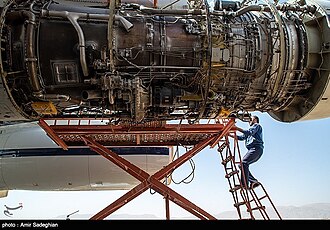
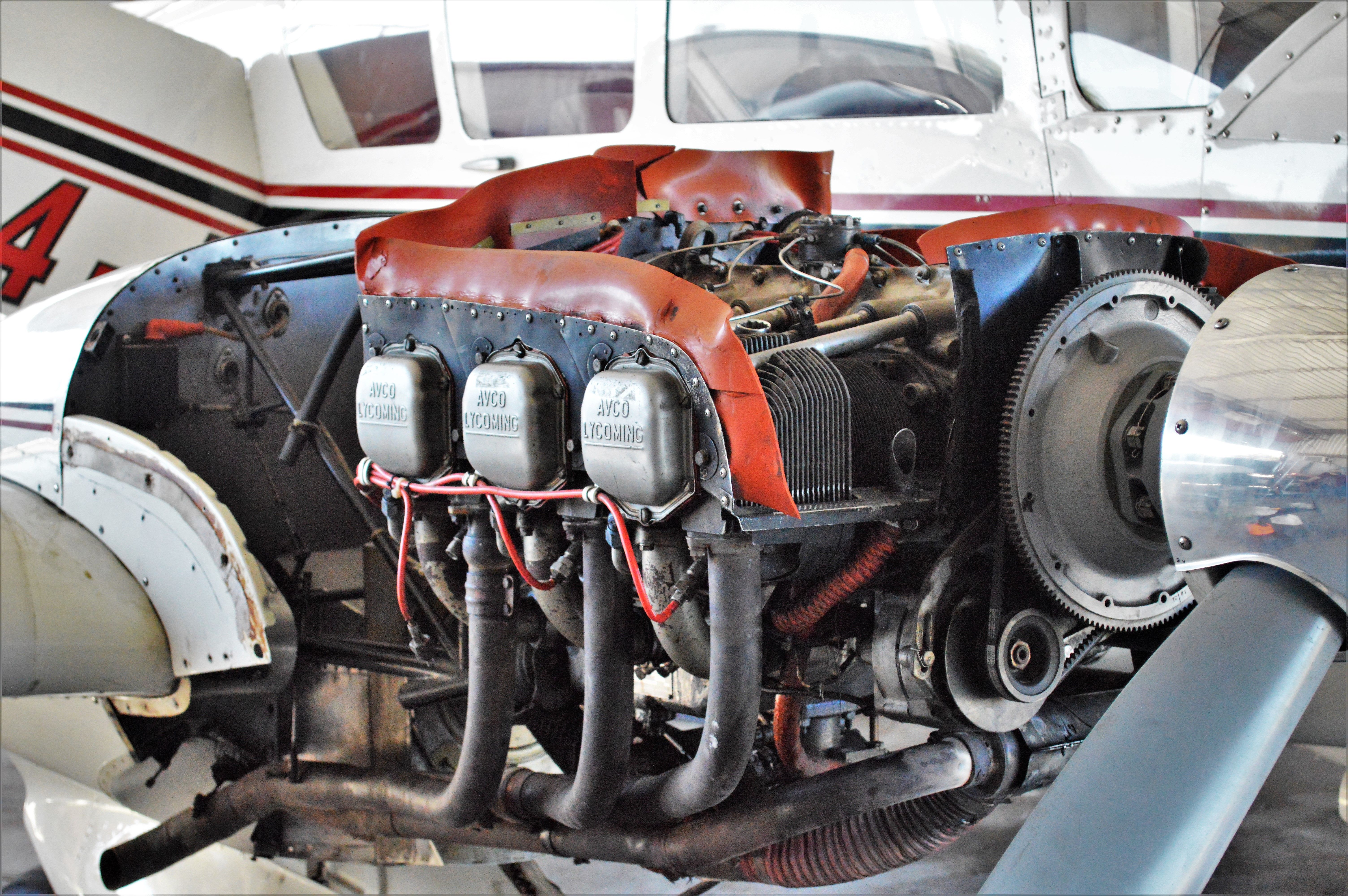
- As-removed. This part was pulled from an aircraft and not yet tested. It may work well for a shop that can test it, but you carry the testing risk. Understanding what as-removed really means keeps you from treating an untested unit like a ready one.
- Repairable. A repairable unit is a core that can be restored. It fits a buyer with time to send it out. Add the repair cost and time to the sale price before you call it a bargain.
- Beyond economical repair. This sits at the bottom of the range. It may only make sense as a core, a training item, or a parts source when allowed. Knowing the line between beyond economical repair status and a usable unit keeps you from buying something you cannot install.
Good to Know: A lower condition does not always mean a bad deal. Many used aircraft parts offer excellent value. The key is to respect the condition label and check the records before the deal is done.
Here is a quick comparison of how the conditions stack up:
| Condition | Typical Price | What You Pay For | Main Buyer Risk |
| Factory New | Highest | Zero time, strong records | Higher upfront cost |
| New Surplus | High | Unused stock, may need fresh paperwork | Older shelf stock, document checks |
| Overhauled | High | Full strip, repair, test, release | Verify the release matches the work |
| Serviceable | Medium | Checked and released for use | Confirm fit and records |
| Repaired | Medium-Low | A specific fix with a record | Ask exactly what was repaired |
| As-Removed | Low | Untested unit pulled from aircraft | Needs testing before use |
| Repairable | Low | A core that can be restored | Repair cost and time |
| Beyond Economical Repair | Lowest | Core or parts source only | Usually not installable as-is |
The main decision stays simple. Pay more for lower risk. Pay less only when the risk is clear. Match the part to the real need. Count time, repair, and paperwork before calling anything a deal.
How Paperwork and Traceability Change the Real Price
Paperwork can change the real price of an aircraft part very quickly. A part may look fine in photos. It may have the right number. It may even come from a known seller. But if the documents are weak, missing, or unclear, you may have a problem.
In aircraft buying, paperwork helps show that a part can be accepted for maintenance. It can also help prove the part is airworthy or has been handled in a way that supports airworthiness. Without the right records, a maintenance provider may reject it.
Common Documents to Ask For
The exact document you need depends on the part, the aircraft, the operation, and the maintenance provider. Common records may include:
- FAA Form 8130-3
- EASA Form 1
- Certificate of Conformity
- Shop report, teardown report, or test report
- Repair station release
- Packing slip or invoice trail
- Life-limited part records
Because the right mix changes from part to part, ask your mechanic, inspector, repair station, or quality team before you buy. The same record types that prove a part to a buyer are also the ones a seller needs, which is why it helps to know what documents are needed to sell an airplane or its parts.
Heads Up: Some parts carry open airworthiness directives that must be addressed before use, like inspections tied to certain Pratt & Whitney GTF engine issues. Checking AD status early keeps a "cheap" part from becoming an expensive surprise.
Why Traceability Protects Your Money
Traceability means you can see where the part came from and how it moved through the market. A part with clear history often holds more value. A part with missing history may sell for less because you take on more risk.
The source matters too. Some buyers prefer parts from an OEM, which stands for original equipment manufacturer. An OEM part may come from the company that made the original approved part, which can raise trust. Even then, you still need to check documents and eligibility. Learning how to verify traceability and certification gives you a clear way to confirm a part's story before you pay.
The lesson is simple. The document package is part of the deal. A lower price with weak paperwork can cost more in the end than a higher price with clean records. Nobody enjoys a paperwork mystery after the invoice is paid.
How to Compare Aircraft Part Quotes
A quote should never be judged by price alone. The lowest number can look great until you add shipping, testing, repair, delay, and possible rejection. Reading the condition carefully helps you compare quotes in a fair way.
Start with the basics. Check the part number, serial number, condition, and included documents. If the seller says it is ready to use, ask for the release paperwork. If the seller says it is repairable, ask for a teardown report or failure note. If the seller says it is new, ask for source documents from the supplier, distributor, or OEM.
A strong quote should answer these questions:
- What is the listed part condition?
- What paperwork comes with the part?
- Does the serial number match the document?
- Is the part from an OEM or approved source?
- Is there clear traceability?
- Is there a warranty, and what are the return terms?
- How long is the lead time?
- Who pays shipping and restocking fees?
- Does the part have known AD, service bulletin, or modification concerns?
If a listing feels confusing, the problem may be the listing itself, not the part. Getting comfortable with how to read an aircraft listing makes it far easier to spot a clear quote from a vague one.
Quick Tip: Send the quote and documents to your maintenance provider before you approve payment. It is easier to ask one extra question today than to chase a refund next week.
It also helps to remember that FAA guidance is broad. It can touch parts eligibility, engine directives, and even drone use in controlled airspace, so the matching reference for your specific part is the one that really counts. A good comparison is not about being difficult. It is about being careful.
Red Flags Buyers Should Watch For
Most sellers want clean deals and happy buyers. Still, it pays to watch for warning signs. A red flag does not always mean a seller is bad. It means you should slow down and ask better questions.
The first warning sign is a price that feels too low. A cheap part can still be a good deal, but you need to know why it is cheap. Is it missing paperwork? Is it untested? Is it close to its life limit? Was it removed for a known defect?
Watch for these common red flags:
- No serial number is shown
- The paperwork is blurry or incomplete
- The seller will not explain the source
- The document does not match the part
- The part number has been changed or scratched
- The seller uses "serviceable" with no release document
- The quote has no warranty or return terms
- The seller pushes for fast payment before sharing records
- The condition sounds better than the paperwork proves
Keep in Mind: Clean photos are helpful, but they do not prove condition. A shiny part can still fail a test, and a dusty part can still be usable if the records are strong. The document package matters as much as the part on the table.
If a listing feels unclear, trust that feeling. A good-looking part with weak records can still cause delays, and a maintenance team may reject it. Then you are left with a part you cannot use.
How to Get the Best Deal Without Taking Too Much Risk
The best deal is the part that solves your problem at the lowest total cost. That means counting the sale price, paperwork, repair risk, lead time, warranty, and maintenance approval together. A low price only helps if the part can actually be used.
Start with the aircraft's need. If the aircraft is down and needs to fly soon, paying more for a documented, ready-to-use part may be the smart move. If there is no rush, you may have time to compare options, ask for more records, or consider a repairable part.
Use this simple buying path:
- Check the part number and effectivity
- Confirm the condition
- Ask for documents before paying
- Match the serial number to the paperwork
- Review life limits when needed
- Ask the maintenance provider before final approval
- Compare total cost, not only sale price
For lower-cost parts, have a repair plan ready. Ask a repair shop for a rough cost before buying, then add shipping and time. Weighing the advantages and disadvantages of an overhaul against a serviceable option often shows that the higher quote is actually the cheaper path.
Fun Fact: It is often said that the paperwork behind an aircraft part can be worth as much as the part itself. In many cases, a missing record can turn a usable unit into little more than a paperweight.
The safest habit is to buy with a clear purpose. Do not buy a part just because it is cheap. Buy it because it fits the aircraft, fits the documents, fits the timeline, and fits the maintenance needs. A smart buyer does not need to fear used parts. The key is to respect the condition label and check the records before the deal is done.
Conclusion
How aircraft part condition affects price really comes down to risk, trust, and readiness. A new or overhauled part may cost more because it gives you cleaner records and fewer unknowns. A lower-cost part can still be a great deal, but only when you understand the condition, paperwork, traceability, and possible repair cost.
The best deal is not always the cheapest quote. It is the part that fits the aircraft, carries the right records, and solves the maintenance need with the least trouble. A careful buyer checks the full picture before saying yes.
For buyers, sellers, and aviation businesses, Flying411 helps make aircraft and parts easier to find and compare, so the right buyer and the right item come together faster.
FAQs
Why are overhauled aircraft parts expensive?
Overhauled parts cost more because they have already gone through major inspection, repair, testing, and release work. You are paying for lower risk and better readiness, which often saves money once you count the full picture.
Can a serviceable part be installed right away?
Sometimes, yes. But your maintenance provider must still check the part, the paperwork, the aircraft fit, and the rules before installation. The release document is what makes a serviceable part usable.
Is new surplus the same as factory new?
No. New surplus is usually unused stock sold after sitting in inventory, and it may need fresh inspection or paperwork. Factory new usually comes straight from the maker or an approved supply source.
Why do aircraft parts need traceability?
Traceability helps prove where a part came from and how it moved through the market. It supports trust, safety checks, and acceptance by maintenance teams, and it protects the value of your purchase.
What makes a cheap aircraft part risky?
A cheap part may have missing records, unclear condition, limited remaining life, repair needs, or no return option. Once you add testing, repair, and delays, the final cost can climb past the price of a better-documented part.
How does remaining service life affect part price?
A part with many hours or cycles left is usually worth more because it can stay in service longer. A part near its life limit should cost less, and a part with missing life records can lose value fast since the buyer cannot confirm what is left.
What documents should I ask for before buying an aircraft part?
It depends on the part and your maintenance provider, but common records include an FAA Form 8130-3, an EASA Form 1, a certificate of conformity, a shop or test report, and life-limited part records. Ask your mechanic or repair station which documents your specific part will need before you pay.
Should I always choose the part with the best condition?
Not always. The right choice is the part that fits the aircraft, the timeline, the budget, and the maintenance need. A serviceable or repaired part can be the smarter buy when the records are clear and the risk is one you can manage.