A properly executed overhaul can extend an aircraft engine's service life by thousands of hours? Many pilots face a tough choice when their engine starts showing its age. You want to keep flying safely, but you also want to make smart financial decisions.
Understanding the true benefits and drawbacks of an engine overhaul helps you make the right call for your plane and your wallet. This post goes over what you need to know about overhauling your aircraft engine.
Key Takeaways
An engine overhaul can save you money and extend your aircraft's life, but it comes with trade-offs like longer wait times and potential hidden issues. The advantages and disadvantages of engine overhaul depend on your aircraft's condition, your budget, and how long you plan to keep flying. Understanding both sides helps you make a smart choice for your plane.
Engine Overhaul Advantages vs. Disadvantages
| Advantages | Disadvantages |
| Lower Cost: Typically saves 40–60% compared to buying a new engine. | Hidden Costs: Unexpected damage discovered during teardown can raise the final price. |
| Extended Engine Life: Adds roughly 1,500–2,000+ flight hours. | Aircraft Downtime: The process usually takes 4–8 weeks or longer. |
| Better Performance: Restores compression, efficiency, and overall power. | Mixed Components: Some parts are reused and may wear out sooner. |
| Comprehensive Inspection: Identifies cracks, corrosion, and wear before they become major failures. | Shorter Warranty: Coverage is often less robust than factory-new engines. |
| Reduced Environmental Impact: Reuses serviceable components instead of manufacturing entirely new ones. | Shop-Dependent Quality: Results vary based on the facility and parts used. |
| Higher Resale Value: Fresh overhaul records make aircraft more attractive to buyers. | May Not Fix Underlying Issues: Design or operational problems can persist. |
| Upgrade Opportunities: Allows installation of improved or modernized components. | |
| Original Configuration Maintained: Keeps engine serial numbers and historical continuity intact. | |
| Known Maintenance History: Eliminates uncertainty that can come with replacement engines. |
What Is an Engine Overhaul?
An overhaul is a deep restoration process for your aircraft engine. Think of it as taking your engine completely apart, inspecting every single piece, and replacing the parts that show damage or excessive wear.
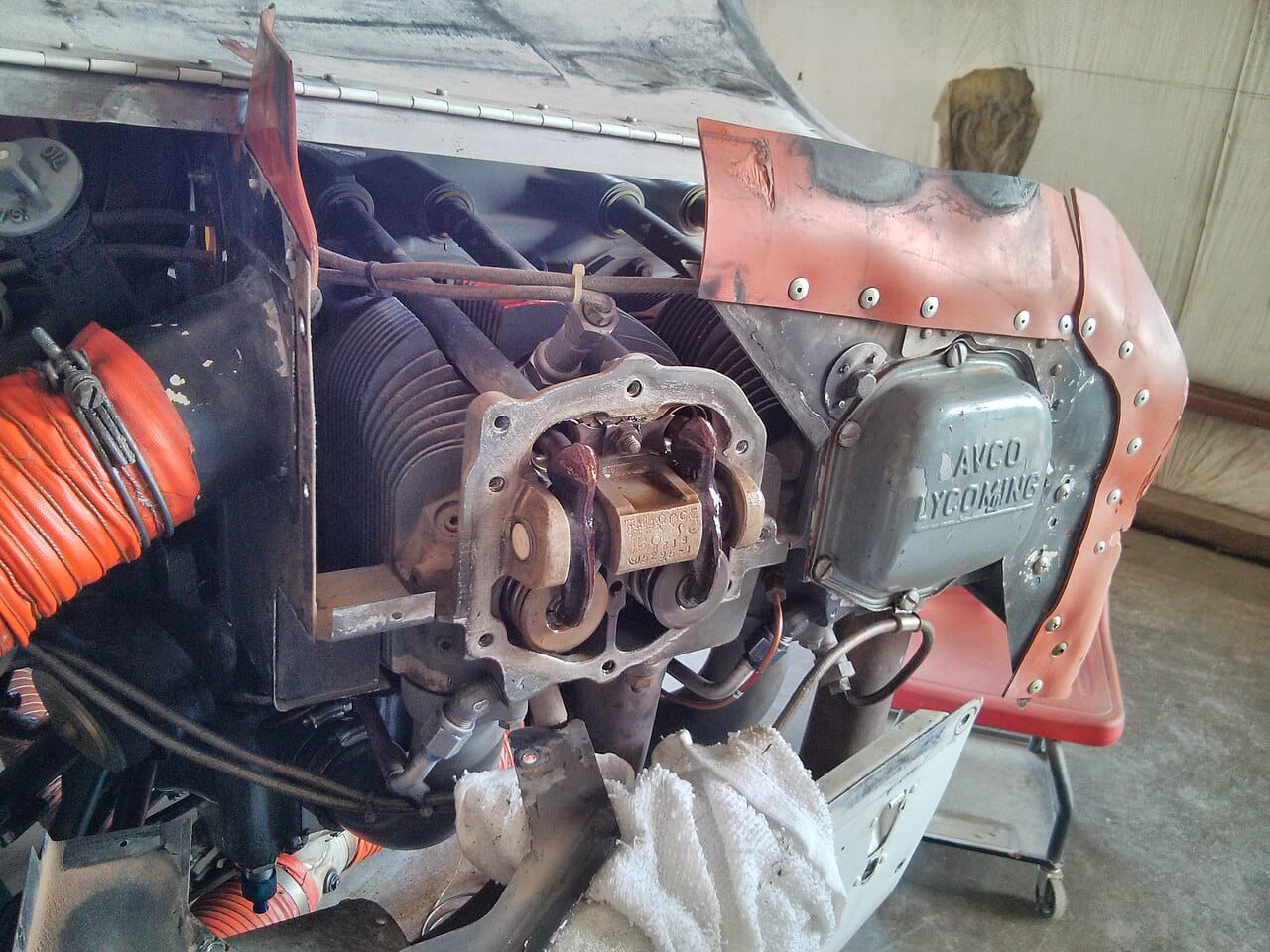
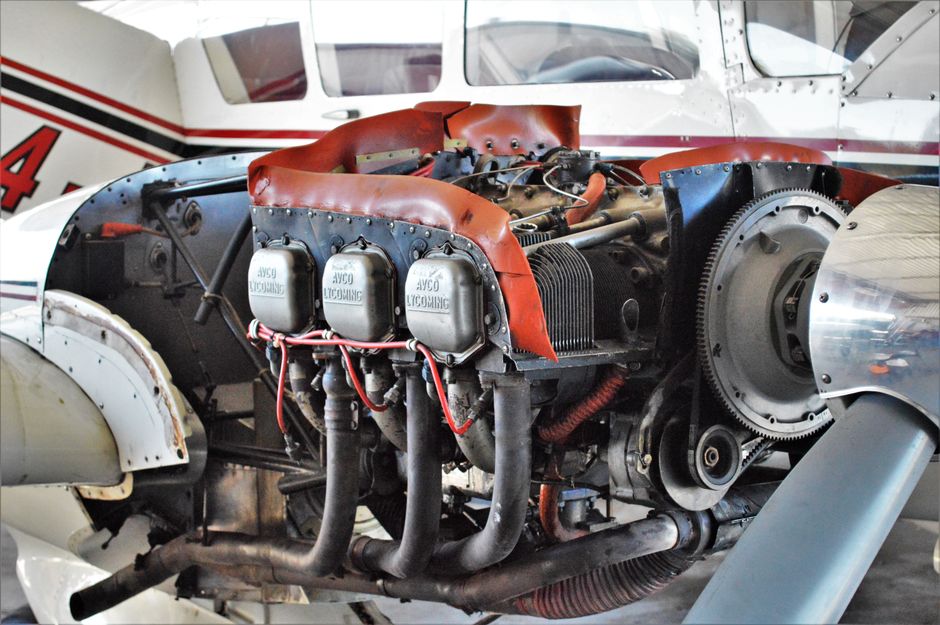
During an engine rebuild, certified mechanics disassemble your engine down to its core components. They check each piston, valve, bearing, gasket, and seal for damage. Parts that meet manufacturer specifications get cleaned and reused. Parts that don't meet those standards get replaced with new or approved components.
Here's what typically happens during the process:
- The engine gets removed from your aircraft
- Mechanics take it apart piece by piece
- Each component gets measured and inspected
- Worn-out parts get replaced
- Everything gets cleaned thoroughly
- The engine gets reassembled to factory specifications
- It goes through testing before reinstallation
The goal is to bring your engine back to like-new condition without the full cost of a new engine. This approach works for both aircraft engines and diesel engine applications, though the specifics vary by engine type.
A rebuilt engine typically comes with a fresh logbook entry and can add significant value to your aircraft. The work must meet strict FAA guidelines, and only qualified shops can perform major overhauls. Some pilots choose this route because it's more cost-effective than replacement while still giving them peace of mind about their engine's condition. The process preserves your original engine while restoring its performance and reliability.
Signs Your Engine Might Need an Overhaul
Your engine will usually give you warning signs before it needs major work. Catching these signs early helps you plan and budget for the work ahead.
Loss of power during takeoff or climb is one of the clearest indicators. If your aircraft struggles to reach normal performance levels, internal wear might be the culprit. You might notice your plane needs more runway than usual or climbs more slowly than it used to.
Oil consumption tells you a lot about engine health. Here are the red flags to watch:
- Burning more than one quart per 10 flight hours
- Finding metal particles in your oil filter
- Oil pressure readings outside normal range
- Dark, thick oil that looks contaminated
- Unusual smells coming from the engine compartment
High mileage or flight hours matter too. Most aircraft engines have a recommended time between overhauls, often around 2,000 hours. Getting close to that number means you should start planning, even if the engine seems to run fine.
Compression issues show up during annual inspections. Low compression in one or more cylinders suggests piston rings or valve problems. Your mechanic measures this during routine checks, and the numbers don't lie.
Unusual noises deserve immediate attention. Knocking, rattling, or grinding sounds often mean serious internal engine wear. These noises might come from worn components like bearings or badly damaged pistons.
Starting problems can signal deeper issues too. If your engine is harder to start than normal, runs rough during warm-up, or shows excessive smoke, these symptoms point toward the need for major service. Metal in the oil filter is particularly concerning because it means parts are breaking down inside your engine. Some wear is normal, but large amounts or chunks of metal mean significant damage is happening. The pros and cons of continuing to fly versus overhauling now should be carefully weighed with your mechanic's input.
Engine Overhaul vs Engine Replacement: What's the Difference?
The choice between overhauling and replacing your engine shapes your maintenance strategy and budget for years to come. Understanding how these options differ helps you pick the right path.
An engine overhaul means working with your existing powerplant. Mechanics tear down your current engine, inspect everything, and rebuild it using a mix of your original parts and new replacement components. You keep your engine's serial number and history, which some pilots prefer.
Replacement means installing a completely different engine in your aircraft. This could be a factory-new unit, a factory-remanufactured engine, or an overhauled engine from another aircraft. You're essentially swapping out your old powerplant for a different one.
Cost differences can be significant:
- Overhaul typically costs 40-60% less than new
- Factory remanufactured engines fall in the middle
- Used engines cost the least but carry more risk
- Your diesel or specialty engine might have limited options
Time commitments vary between these choices. An engine rebuild usually takes 4-8 weeks, depending on shop workload and parts availability. Installing a new engine can happen much faster if the unit is in stock—sometimes in just a few days.
Warranty coverage differs too. A rebuilt engine might come with a 12-24 month warranty from the overhaul shop. Factory new engines often include longer warranties and more comprehensive coverage. This protection can matter a lot if problems develop after the work is done.
The condition of your engine block plays a big role in this decision. If your block has cracks or severe damage, replacement might be your only option. A good block can be saved through overhauling, preserving your investment.
Your gasket and seal choices matter during either process, but overhaul shops often give you more flexibility to choose premium parts. With replacement, you get what comes with the engine package. Some pilots want specific upgrades or improvements, which an overhaul allows. Others prefer the simplicity and consistency of a complete factory unit. Both paths can work well—your choice depends on your aircraft's needs, your timeline, and your budget constraints.
15 Advantages and Disadvantages of Engine Overhaul
Making smart decisions about your aircraft engine requires understanding both the benefits and the challenges. Let's look at what overhauling really means for your plane and your wallet.
Advantages of Engine Overhaul
1. Significant Cost Savings
Rebuilding an engine costs substantially less than buying new. You'll typically save 40-60% compared to a full engine replacement. For many aircraft owners, this difference represents tens of thousands of dollars. The cost savings come from reusing parts that still meet specifications while only replacing components that truly need it. This approach makes sense for older aircraft where the quality of parts in your existing engine remains good.
2. Extended Engine Life
A proper complete overhaul can add 1,500-2,000 or more flight hours to your powerplant. The overhaul process brings your engine back to manufacturer specifications, essentially giving you a refreshed powerplant. This extension of the lifespan of your engine means more years of flying without another major expense. Many pilots find that an overhauled engine performs just as reliably as it did when new.
3. Improved Performance
Your engine performance often gets better after overhaul work. Worn-out components that caused power loss get replaced with fresh parts. Compression returns to proper levels. Fuel efficiency typically improves because everything fits and seals correctly again. You might notice better climb performance and smoother operation throughout the power range.
4. Thorough Inspection Identifies Problems
The overhaul involves taking apart every component of your powerplant. This full teardown lets mechanics spot issues that don't show up during normal inspections. They can find cracks, corrosion, or wear patterns that might cause engine problems down the road. Catching these issues now prevents costly repairs later. Every piston, camshaft, bearing, and valve gets examined closely.
5. Environmental Benefits
Overhauling produces less waste than scrapping an old engine and manufacturing a new one. You're reusing the engine block and many other components that still have life left. This approach reduces the environmental impact of your aircraft maintenance. For pilots who care about sustainability, this matters.
6. Maintains Aircraft Value
A documented overhaul can boost your aircraft's resale value significantly. Buyers look for aircraft with fresh engines or low time since major work. Having professional overhaul records shows you've maintained the plane properly. This documentation becomes especially important when you're ready to sell.
7. Customization Options
During the overhaul process, you can choose upgrades that weren't available when your plane was new. Some shops offer improved piston rings, better bearings, or upgraded components that boost performance. You might add modifications that improve engine efficiency or reliability. This flexibility lets you tailor the overhaul to your specific flying needs.
8. Preserves Original Configuration
Your aircraft keeps its original engine and logs, maintaining continuity in its history. Some owners value this connection to their plane's past. The engine serial number stays the same, and the maintenance records show a clear timeline. This continuity can matter for vintage or classic aircraft where originality adds value.
9. Known History
You know exactly how your engine was operated throughout its life. You understand its maintenance history, how it was flown, and what repairs it's had. This knowledge gives you confidence that a replacement engine for older aircraft can't provide. You're not inheriting someone else's problems or unknown history.
Disadvantages of Engine Overhaul
1. Hidden Problems Increase Costs
The overhaul might uncover damage that wasn't visible during initial inspection. A cracked engine block, severely worn camshaft, or damaged crank can turn an affordable overhaul into an expensive nightmare. These hidden problems only show up once everything gets taken apart. Your final bill might climb well beyond the initial estimate, sometimes approaching the cost of replacement.
2. Time-Consuming Process
Rebuilding the engine takes considerable time. Most shops need 4-8 weeks to complete the work, though complex cases can stretch into days or even weeks longer. This downtime means you're not flying. If you depend on your aircraft for business or time-sensitive travel, this delay can create serious problems. The process can be time-consuming, especially if the shop finds issues or waits for parts.
3. Not All Components Get Replaced
Unlike buying a new engine, an overhaul reuses parts that still meet minimum specifications. These components might be near the end of their service life even though they technically pass inspection. Your engine components get a mix of new and reused parts. This reality means some pieces might fail sooner than they would in a completely new powerplant.
4. Warranty Limitations
Most overhaul shops offer shorter warranties than you'd get with a factory new engine. Coverage typically lasts 12-24 months, and some exclusions might apply. Factory new engines often come with longer protection and more comprehensive coverage. If your overhauled engine develops problems, warranty support might not match what a new unit provides.
5. Quality Depends on Shop Selection
The results of your overhaul depend entirely on the shop doing the work. Not all facilities maintain the same standards. The quality of replacement parts used varies between shops too. Some use only genuine manufacturer parts, while others might mix in aftermarket parts to keep costs down. Choosing the wrong shop can leave you with subpar work that doesn't last.
6. May Not Solve All Issues
If your engine damage extends beyond normal wear and tear, an overhaul might not fully address the problems. Some issues come from design limitations or operating conditions that an overhaul can't fix. The worn-out components get replaced, but underlying problems with engine needs might persist. You could face repairs down the line for issues the overhaul didn't solve.
Understanding these pros and cons of rebuilding helps you make an informed choice. The advantages and disadvantages of engine overhaul balance differently for each aircraft owner. Your specific situation—including your plane's condition, your budget, and your flying plans—determines which factors matter most.
How to Decide If an Engine Overhaul Is Worth It
Making the right call about overhauling your engine requires careful analysis of several factors. Let's walk through the key considerations that should guide your decision.
Assess Your Aircraft's Overall Condition
Your plane's airframe condition matters as much as the engine needs. If your aircraft has corrosion issues, structural problems, or outdated avionics, investing in an expensive overhaul might not make sense. The whole engine work should align with your aircraft's overall value and remaining useful life. A solid airframe with good bones justifies the investment. A plane that needs extensive work everywhere might not.
Calculate the True Costs
Explore the pros and cons by running detailed numbers. Get written quotes from reputable overhaul shops. Factor in removal and reinstallation labor, any hose or mount replacements, and fresh engine monitors if needed. Compare this total against the cost of a factory remanufactured or used replacement engine. Remember to include the value of your core if you go the replacement route.
The math might look like this:
- Complete overhaul: $30,000-$45,000 for most single-engine aircraft
- Factory reman: $50,000-$70,000
- Used engine: $20,000-$35,000 (higher risk)
- New engine: $70,000-$100,000+
Consider your expected future use too. If you plan to sell the aircraft soon, the added value from the overhaul might not cover your investment. If you'll fly for another decade, spreading that cost over thousands of hours makes sense.
Evaluate the Severity of Current Problems
The signs your engine shows right now indicate whether overhaul is urgent or optional. An engine with good compression, normal oil consumption, and decent performance might run fine for hundreds more hours. One burning excessive oil with low compression and metal in the filter engine might need immediate attention.
Consider Your Timeline
Can you afford to be without your aircraft for 6-8 weeks? The overhaul significantly impacts your flying schedule. Some pilots time their overhaul for winter months when they fly less. Others need their plane available year-round for business or personal reasons. Compared to a full engine replacement, which can happen faster if a unit is available, the overhaul involves more time in the shop.
Research Shop Options Carefully
The quality of parts and workmanship varies dramatically between facilities. Look for shops with:
- Strong reputations in the aircraft community
- FAA repair station certificates
- Specific experience with your engine model
- Clear warranty terms in writing
- References from recent customers
Don't choose based on price alone. A cheap overhaul using inferior parts or rushed work will cost you more in the long run. The overhaul allows you to choose your shop, so use that flexibility wisely.
Understand What Work Actually Gets Done
Ask detailed questions about what the overhaul and complete teardown includes. Find out whether the work involves a partial overhaul or a full factory-spec rebuild. Clarify what parts are replaced automatically and what gets reused if it passes inspection. Some shops perform complete engine replacement of certain assemblies while reusing others.
The engine overhaul involves several possible levels:
- Top overhaul: Cylinders and valves only (less expensive, shorter term solution)
- Major overhaul: Complete teardown and rebuild to limits
- Factory limits: Meets minimum manufacturer specs
- New limits: Parts brought to new engine tolerances
Factor in Your Flying Mission
Your typical flying style impacts this decision. If you fly hard IFR in challenging conditions, you might want the peace of mind of a full engine replacement with a factory warranty. If you putter around VFR on nice days, an overhaul works fine. The engine depends on your demands.
Think About Insurance Implications
Some insurance companies view freshly overhauled engines differently than high-time engines approaching TBO. You might see premium reductions after the work. Call your insurance agent to understand how the overhaul affects your coverage and rates.
Plan for Preventive Measures
After investing in an overhaul, commit to regular maintenance and timely oil changes. The engine typically lasts longer with proper care. Use good quality oil, monitor your engine closely, and address small issues quickly. This diligence prevents internal engine wear from accelerating and protects your overhaul investment.
Get Multiple Opinions
Talk to your mechanic, other owners of your aircraft type, and overhaul shops before deciding. The signs of wear and tear in your engine might look worse than they are, or they might indicate problems beyond what overhaul can fix. Multiple expert perspectives help you see the full picture.
Consider the Alternative Options
Overhauls can be classified into different approaches, but sometimes replacing the entire engine makes more sense. If your car engine analogy helps, think about when you'd rebuild a vehicle engine versus swapping in a remanufactured unit. The original engine has sentimental value, but practical considerations matter more.
For some pilots, especially those with older aircraft like a Cessna 150, the decision between overhaul and replacement shapes their entire ownership experience. A fresh powerplant can increase its resale value and give you confidence for years of flying ahead.
Make the Decision
After gathering all this information, you'll have a clear picture of your best path forward. Trust your analysis, but also trust your gut. If something feels wrong about proceeding with an overhaul, explore alternatives. Your safety and financial security both matter. The right choice balances short-term costs against long-term value and reliability.
The engine entirely shapes your flying experience. Making this decision carefully ensures you'll be happy with the outcome for years to come. Whether you choose to reassemble your existing engine or go another direction, base your choice on solid information and realistic expectations about what each option delivers.
Remember that engine problems caught early cost less to fix. The worn parts in your engine will only get worse over time. Acting before a catastrophic failure gives you options and control over the timing and cost. The damaged parts might seem manageable now, but waiting often leads to more extensive damage and higher bills.
Your mechanic can help identify the signs of wear that indicate urgency. Some engines show loss of power gradually, while others decline quickly. Understanding where yours falls on that spectrum helps you time the work appropriately. The goal is to improve engine reliability while managing costs and minimizing surprise failures.
Finally, document everything. Keep detailed records of your overhaul, including what thoroughly cleaned to remove deposits, which bearings were replaced, what the head gasket condition looked like, and every measurement taken. These records prove invaluable when you eventually sell the aircraft or if warranty issues arise. Good documentation shows you made informed decisions and took proper care of your investment. The performance and longevity of your overhauled engine depends partly on the quality of work, but also on how well you maintain and operate it going forward.
Conclusion
The advantages and disadvantages of engine overhaul create a complex decision that affects both your wallet and your flying future. You now understand the real benefits—like significant cost savings and extended engine life—along with the genuine challenges like hidden problems and time commitments. The right choice depends on your specific aircraft, your budget, and your long-term flying plans.
Taking time to evaluate your options carefully pays off in the long run. Get multiple quotes, talk to experienced mechanics, and consider both the immediate costs and the long-term value. Your engine deserves attention before small problems become big emergencies.
Ready to make informed decisions about your aircraft? Flying411 provides resources and guidance for aircraft owners navigating maintenance choices, buying decisions, and ownership questions. Let us help you fly smarter.
Frequently Asked Questions
How long does an overhauled engine typically last?
An overhauled engine typically lasts 1,500-2,000 flight hours before needing major work again, though this varies by engine model and operating conditions. Proper maintenance, regular oil changes, and careful operation can extend this timeline. Some engines exceed their recommended time between overhauls when well cared for, while harsh operating conditions might shorten the interval.
Can I fly my plane to the overhaul shop?
Most pilots can fly their aircraft to the overhaul facility if the engine runs safely and isn't showing critical warning signs. However, if you're experiencing significant power loss, excessive oil consumption, or concerning metal in your oil, arrange for ground transportation instead. Always consult your mechanic about the safety of flying your plane to the shop.
What's the difference between a field overhaul and a factory overhaul?
A field overhaul is performed by an FAA-certified repair station or mechanic at a local facility using parts that meet manufacturer specifications. A factory overhaul happens at the engine manufacturer's facility under tighter controls and often includes upgraded parts and more comprehensive warranties. Factory overhauls typically cost more but may offer better quality assurance.
Do all engine parts get replaced during an overhaul?
No, only parts that don't meet manufacturer specifications get replaced during an overhaul. Components like the crankshaft, connecting rods, and engine case often get reused if they measure within acceptable limits after inspection and cleaning. This selective replacement keeps costs down while maintaining safety and performance standards. All gaskets, seals, and bearings typically get replaced regardless of condition.
How does an engine overhaul affect my aircraft's logbooks?
An engine overhaul creates an important logbook entry that shows the work performed, parts replaced, and who did the work. The entry typically includes the date, total engine hours, and details about the overhaul scope. This documentation becomes part of your aircraft's permanent records and significantly affects resale value and insurance rates. Proper logbook entries prove the overhaul was completed correctly.