If you're considering purchasing your first airplane, you're not alone. According to the FAA, there are over 160,000 current private pilots in the United States, including many first-time plane buyers like you. Choosing the appropriate aircraft is a significant decision, and one name that frequently comes to mind is the Cessna 150.
You might be thinking if the Cessna 150 is a decent first plane. It's a good question, and the answer depends on the type of flying you want to do, your budget, and how comfortable you are in the cockpit.
This book provides a clear and straightforward overview of what the Cessna 150 has to offer. We'll discuss the advantages, disadvantages, and everything in between. Whether you want to increase your flying hours, fly for pleasure on weekends, or simply have a reliable beginner aircraft, this article will help you determine whether the Cessna 150 is right for you.
What Is the Cessna 150?
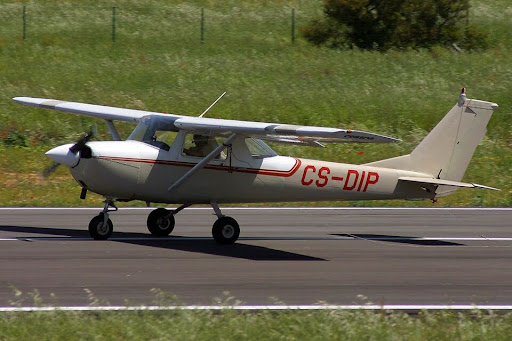
The Cessna 150 is a two-seat, single-engine airplane first built in the 1950s. It was made with student pilots in mind. For decades, it’s been used in flight schools and by new pilots around the world.
You’ll typically find it with:
- A 100-horsepower engine
- Basic flight instruments
- Two seats (you and one passenger)
- Simple controls
The plane is small, light, and built to be forgiving. That means when you make mistakes, and you will while learning, you’re more likely to recover easily. For that reason alone, many first-time owners consider it a top option.
Why You Might Like the Cessna 150
So, why do so many pilots start with this airplane? Let’s look at some of the reasons that make it a favorite.
It’s Easy to Fly
When you're new to flying, simple is better. The Cessna 150 responds smoothly to your input. That helps you learn faster and with less stress. You don’t need to fight the controls or figure out complicated systems. Everything is basic and clear.
Additionally, if you’ve trained in a Cessna 150 or a similar aircraft, transitioning to ownership feels more natural. You already know what to expect from takeoff to landing.
It's Cost-Effective
Another big reason people choose the 150 is cost. It’s one of the most affordable airplanes to buy and maintain. Used models often range between $25,000 and $40,000, depending on condition.
Even better, it sips fuel at just around 6 gallons per hour. That’s much lower than larger planes. You’ll also find that insurance rates are generally low for this model, especially if you're still building hours.
In short, it keeps your flying costs manageable, which is a big deal when you’re just starting out.
It Has a Great Track Record
Cessna produced over 20,000 units, and many are still flying today. That means you’ll find a lot of advice, community support, and available parts if something needs fixing. When you’re learning the ropes of aircraft ownership, that support can save you a lot of time and stress.
Things to Think About Before You Buy
Even with all its benefits, the Cessna 150 isn’t perfect for everyone. Before making a decision, consider your flying goals and how this plane aligns with them.
Limited Seating and Space
The Cessna 150 only has two seats. That’s perfect for you and an instructor or you and a friend, but not much else. There’s no space for a third passenger or large bags. If you’re looking to take family trips, this plane might feel too small.
Not Very Powerful
With just 100 horsepower, the 150 isn’t built for high-speed travel or tough conditions. If you're flying out of airports at high elevations or want to carry more weight, it could struggle. You’ll need to plan your flights carefully, especially in warm or mountainous areas.
It’s an Older Aircraft
Most Cessna 150s were built between 1959 and 1977. While many are still in great shape, age does matter. You’ll need to inspect maintenance records closely and check for things like rust or outdated avionics.
How It Compares to Other Starter Planes
You might also be considering other beginner-friendly airplanes like the Cessna 152, Piper Cherokee, or Diamond DA20. Here’s how the 150 stacks up:
| Feature | Cessna 150 | Cessna 152 | Piper Cherokee | Diamond DA20 |
| Seats | 2 | 2 | 4 | 2 |
| Horsepower | 100 hp | 110 hp | 140–160 hp | 125 hp |
| Fuel Burn (avg) | ~6 gph | ~6.5 gph | ~8–10 gph | ~5 gph |
| Used Price Range | $25K–$40K | $30K–$45K | $45K+ | $80K+ |
If your main priorities are simplicity, affordability, and ease of handling, the Cessna 150 remains one of the best options in its class.
What You Should Check Before Buying
If you’re leaning toward buying one, that’s great! But before you commit, there are a few important things to double-check. Most Cessna 150s are over 40 years old, so don’t skip the inspection.
Maintenance Logs
Always request the complete set of maintenance records. These will show you how often the plane has been serviced, what parts were replaced, and whether any steps were skipped. Missing records are a red flag.
Airworthiness Directives (ADs)
ADs are required safety checks issued by the FAA. You’ll want to confirm that all of them have been completed. If they haven’t, you may need to pay for the work after you buy the plane.
Engine Hours
Check the Time Since Overhaul (TSOH) on the engine. Most engines require overhaul around 1,800–2,000 hours. If the engine is close to that number, factor the cost of an overhaul often $15,000 or more, into your budget.
Signs of Corrosion
Corrosion is common in older airframes, especially ones stored outdoors. A mechanic can check for rust or damage during a pre-buy inspection, which is always a good idea.
Who Should Choose a Cessna 150?
The Cessna 150 is a good fit for many, but not all. If you match the following traits, it could be the right plane for you:
Best For:
- Student pilots
- Solo flyers
- Weekend hobbyists
- Budget-conscious owners
Less Ideal For:
- Families or frequent group travel
- High-altitude or hot-weather airports
- Needing faster cross-country flights
If you asked yourself Is a Cessna 150 a good first plane? and your flying goals align with the points above—there’s a strong chance it could be a great choice for you.
Conclusion
Choosing your first plane is an important step. You want something safe, easy, and economical, and the Cessna 150 checks all of those boxes. While neither the fastest nor the most powerful, it excels at helping you develop competence and confidence.
So, is the Cessna 150 a good first plane? For many inexperienced pilots, yes. It's forgiving, dependable, and one of the most affordable ways to get into aircraft ownership. Before making a purchase, take your time, conduct thorough research, and consult with a trained mechanic. With adequate planning, your first flight can be a pleasant experience.
Frequently Asked Questions
1. What license is required to fly a Cessna 150?
To fly a Cessna 150, you need at least a Private Pilot License (PPL) or a Sport Pilot License, depending on how the aircraft is classified. If you're asking, “Is a Cessna 150 a good first plane? ”, the answer is yes, especially since it pairs well with training for your first license.
2. How much does it cost to own and operate a Cessna 150?
Owning and operating a Cessna 150 can cost between $6,000 and $10,000 per year, depending on factors such as fuel use, maintenance, and storage. Because it's affordable, light, and simple, many people feel confident in saying that a Cessna 150 is a good first plane.
3. What is the easiest plane to fly for a beginner?
The Cessna 150 is frequently cited as one of the easiest airplanes to fly for beginning pilots. If you're asking, "Is the Cessna 150 a good first plane?" Most teachers and pilots would agree that the forgiving controls and uncomplicated systems make it perfect.
4. Is it tough to fly the Cessna 150?
No, the Cessna 150 is noted for its ease of control and stability in the air. If you're wondering, "Is the Cessna 150 a good first plane?", its user-friendly controls make it an excellent choice for beginner pilots.
5. How far does a Cessna 150 fly?
A Cessna 150 has a range of approximately 350 miles on a full tank of fuel. That's another reason why many people answer yes to the question, "Is a Cessna 150 a good first plane?" It has an adequate range for training flights and short cross-country journeys.