Owning your own private plane is not something to take lightly. No matter if you dream of flying across the country or just want to avoid the hassle of airport lines, buying a plane gives you freedom and flexibility. But with that freedom comes a lot of decisions.
Don't worry—we're here to walk you through it, step by step. From choosing the right aircraft to understanding the full cost of ownership, we’ll cover what you really need to know—even if you're just starting to explore the world of aviation.
Why Buy Instead of Charter?
Let’s start with a common question: why would someone buy a plane instead of just using a private jet charter?
Chartering means you rent the plane for each trip. You don’t have to worry about anything else. That’s great for people who only fly once in a while.
But if you travel a lot—especially for business or to places with few flights—owning a private jet starts to make more sense.
Here are some good reasons to buy:
- You fly often. If you take 200+ hours of flights each year, owning can be cheaper over time than booking charter flights.
- You want more control. You pick the jet. You decide how it’s set up inside. And it’s ready when you are.
- You visit remote places. Some charter companies don’t fly everywhere. Your own plane can.
- You care about privacy and safety. When you own, you know who’s flying and maintaining your aircraft.
But charter flights still work well for others.
If you only take a few trips a year or want to try private flying before buying, chartering is a smart way to start. You can even ask a broker to help you try different jet types.
So, think about your travel habits. Do you fly often enough to make buying worth it?
Should You Buy New or Pre-Owned?
Should you buy a brand-new plane or a used one? It’s a big question, and the answer depends on your needs, budget, and how quickly you want to start flying.
Buying New
When you buy new, everything is fresh—from the engine to the seats. You also get the latest tech, better fuel efficiency, and a factory warranty. If you care about design, you can even choose the layout and materials.
But new planes come with a much higher price tag. A new Gulfstream or Bombardier jet can cost tens of millions of dollars. And delivery can take a year or more, depending on the model.
Buying Pre-Owned (Used)
Used jets are much more affordable. In fact, most people who purchase a private jet buy pre-owned. You get a quality aircraft without the long wait.
Still, there are things to check:
- Flight hours. Like a car’s mileage—how much has it been used?
- Maintenance history. Has it been taken care of?
- Upgrades. Does it have modern equipment?
Before you buy a pre-owned private aircraft, it’s important to get a full inspection. A good broker and aviation consultant can help with that.
Which One Is Right for You?
If you want the newest features and don’t mind paying more, go new. If you want a lower price and don’t mind a little extra work upfront, used is a smart choice.
No matter what, remember this: buying the plane is just step one. There are still operating costs, insurance, hangar space, and crew to think about. But don’t worry—we’ll cover all that, too.
Types of Private Jet Ownership
There are a few ways to own or use a private jet:
1. Whole Ownership
You own the jet entirely. You pay for all costs, like hangars, maintenance, insurance, fuel, and pilots.
2. Fractional Ownership
This is like a timeshare for jets. You share ownership with others. Companies like NetJets make this approach popular.
3. Jet Card Memberships
You pay for upfront hours (like a debit card) and use jets as needed.
4. Jet Charter Services
You don’t own the jet—you just charter it when you need private charter services. Great for rare travel or testing before buying.
How To Buy a Private Plane
Buying a private aircraft takes time, planning, and some good advice. It’s not simply choosing a shiny plane. You’ll also need to think about how you’ll use it, how much you want to spend, and what it takes to keep it flying safely.
Here’s a step-by-step guide to help you purchase a private jet with confidence.
1. Set Your Budget (Purchase + Upkeep)
Before you do anything else, you need a clear budget. That means knowing not just how much you want to spend to buy the jet, but how much you can spend every year to keep it running.
Main Costs to Expect:
- Purchase Price:
Whether new or used, this is the biggest upfront cost. Prices range from under $1 million for a small Cessna to $75+ million for a large private jet. - Fuel:
Jets burn a lot of fuel. The bigger the plane, the higher the cost. - Maintenance and Inspections:
Regular checkups keep your aircraft safe. Maintenance varies by model and usage. - Crew Salaries:
If your plane needs pilots and staff, you’ll need to pay them. Some owners use part-time or contract pilots. - Storage (Hangar Fees):
Planes need to be parked when not flying. Hangars keep them safe from the weather. - Insurance:
Just like a car, you’ll need aircraft insurance. Costs depend on the plane’s value and your flying history. - Upgrades and Repairs:
Older planes may need new avionics or interior updates. - Miscellaneous:
Navigation fees, cleaning, subscription services (for flight software), and taxes.
Some owners offset costs by offering their jet for charter when not in use. Companies handle the bookings and management for you.
Owning a business jet brings freedom, but it also means planning for long-term expenses.
If you’re new to owning a private jet, ask your consultant or dealer for a sample cost breakdown.
2. Choose the Right Jet for Your Needs
Once your budget is set, think about how you'll use the jet. That helps narrow down your options.
Different planes are made for different uses, and not everyone needs the same thing.
Ask Yourself These Questions:
- How far will I usually fly?
Short trips might only need a small aircraft like a Cessna. Longer flights may require a midsize or heavy business jet. - How many people will be flying with me?
If it’s just you and one or two others, a light private plane is plenty. Larger groups need more space—and more seats. - Where will I land?
Smaller airports often have shorter runways. Not every jet can land there. Smaller aircraft are better for tighter spaces. - Will I fly often or just sometimes?
If you only fly now and then, a jet charter or fractional ownership might be smarter than full ownership.
Quick Breakdown of Common Types:
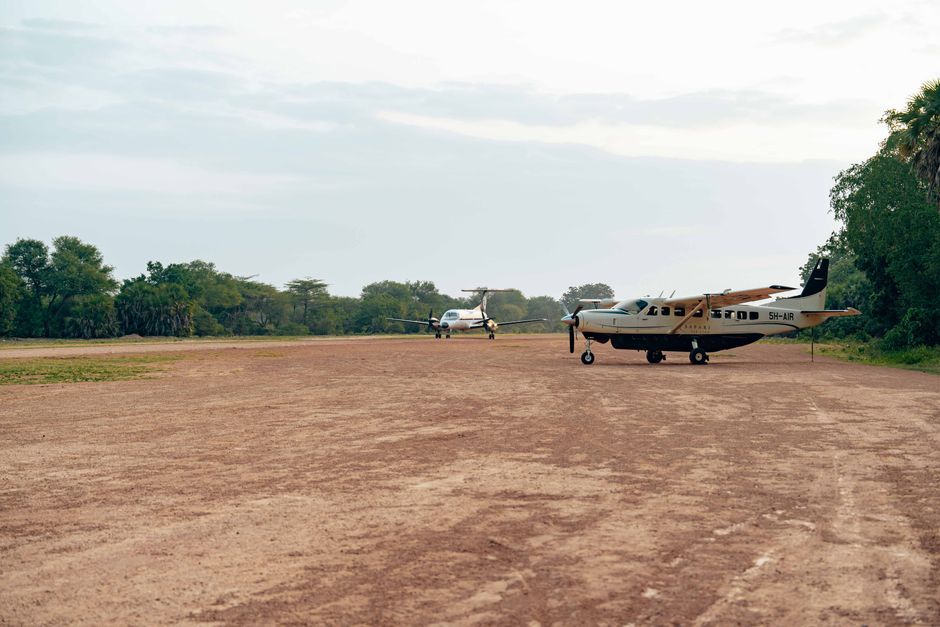
- Turboprops (like the Cessna Caravan):
Good for short distances and smaller runways. Lower cost. Slower speed. - Light Jets:
Seats 4–7 passengers. Fast and efficient for shorter trips. - Midsize Jets:
More space and range. Good for cross-country travel. - Heavy Jets:
Big cabins, long range, and high comfort. Best for international travel or large groups.
Matching your flying habits to the right kind of aircraft is the key. The better the fit, the better the experience.
Still not sure? Consider taking a private jet charter first. A few test flights can help you figure out what feels right.
3. Hire an Aviation Consultant
An aviation consultant is someone who helps you make smart decisions. They know the market, and they don’t work for just one brand.
Why this matters:
- They’ll help you compare jets.
- They understand operating costs and hidden fees.
- They work for you, not the seller.
A consultant can save you time and help you avoid costly mistakes.
4. Find Listings from Brokers and Verified Dealers
Now it’s time to shop! But don’t just use a random website.
Look in the right places:
- Trusted brokers who deal in private aircraft
- Certified aircraft dealers
- Manufacturer resale sites (like Gulfstream or Bombardier)
- Aviation market platforms with verified listings
A good broker should give you full records, answer your questions, and be clear about pricing. If someone avoids giving details, walk away.
5. Get a Full Pre-Purchase Inspection
Once you find a plane you like, stop! Before you sign anything, get a full inspection.
What happens:
- A licensed mechanic checks the engine, frame, electronics, and paperwork.
- They’ll make sure the aircraft is safe and up to date.
- They’ll also look for signs of damage, wear, or past accidents.
This is one of the most important steps. A bad jet can look perfect from the outside. Always check under the hood!
6. Use an Aviation Attorney to Close the Deal
Closing the sale involves contracts, documents, and registration. That’s where an aviation attorney comes in.
They help with:
- Purchase agreements
- FAA title registration
- Tax and legal rules (especially if you plan to use the jet for charter flights)
It’s worth the fee. Legal mistakes in aviation can get expensive fast.
7. Arrange Hangar, Insurance, Crew, and Maintenance
Once the jet is yours, you’re almost done. But there’s still more to set up before your first flight.
Final steps:
- Hangar space: Protects your jet when it’s not in use.
- Insurance: Covers you and your aircraft from damage or liability.
- Crew: Some jets need pilots and attendants. Hire trained, licensed staff.
- Maintenance plan: Regular service keeps the jet in top shape.
Some owners use a management company to handle all of this. Others build their own team. Choose what works best for you.
Buying a jet isn’t quick—but it’s worth it when you’re flying on your terms!
Conclusion
Buying a private plane is a big decision—but with the right planning, it can be one of the most rewarding choices you’ll ever make. By choosing the right aircraft, understanding new vs. used options, and preparing for ownership costs, you're well on your way to smarter skies.
Regardless if you're buying for personal travel, work, or both, the process doesn't have to be overwhelming. Take your time. Ask questions. Work with trusted aviation professionals. And most of all—enjoy the journey.
Frequently Asked Questions
1. How long does it take to buy a private jet?
It can take a few weeks for a used jet or several months for a new one.
2. Do I need a pilot’s license to own a plane?
No. You can hire a pilot or use a management service.
3. Can I finance a private plane?
Yes! Many banks and lenders offer aircraft financing options.
4. How do I know if a used jet is in good condition?
Always get a pre-purchase inspection by a licensed aviation mechanic.
5. Can I rent out my jet when I’m not using it?
Yes. Jet charter companies can help you manage and rent your aircraft.