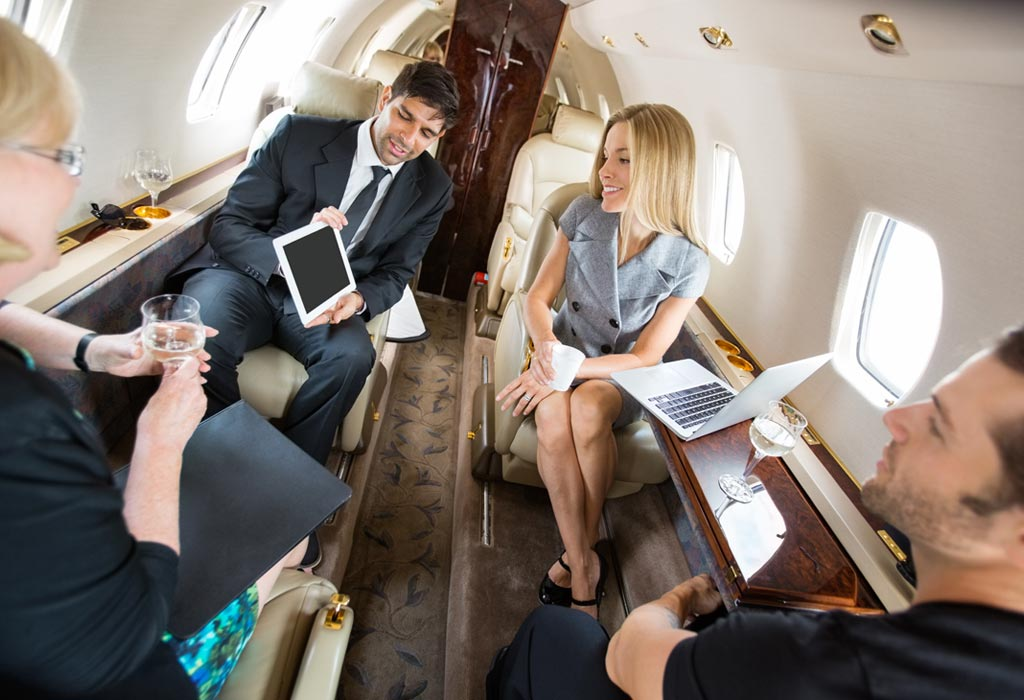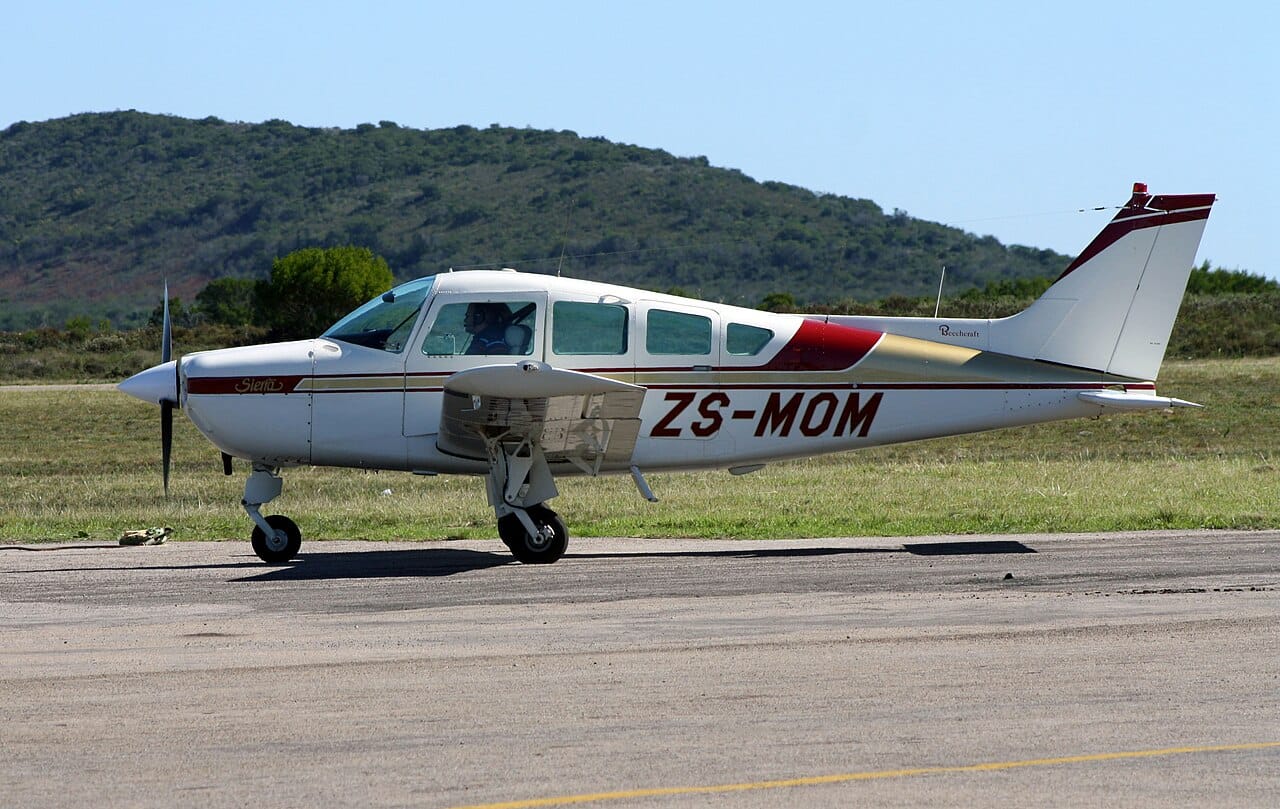
If you're thinking about a career in private aviation, how to become an aircraft broker can be both fascinating and lucrative. According to IBISWorld, the global charter flight market is valued at more than $27 billion annually and is expected to continue rising. That means there are several opportunities for experts who understand how to manage the skies and business dealings.
This post will lead you through everything you need to know about becoming an aviation broker in 2025 and beyond, from the job description to the necessary skills, legal requirements, and career route you should take.
What Is an Aircraft Broker and What Do They Do?
An aviation broker assists clients in the purchase, sale, leasing, or chartering of aircraft. You serve as a liaison between sellers and purchasers, negotiating terms, scheduling viewings or inspections, and finalizing contracts. Your job is to ensure that the process runs smoothly and profitably for your clients. Whether they're purchasing a personal jet or selling an older aircraft, your goal is to ensure they get the greatest offer.
You may work with individuals, firms, or organizations, and you must have a solid understanding of both aviation and sales. Some brokers specialize in charter services, connecting clients with private aircraft for business or leisure purposes, while others focus on selling jets. Either way, trust and knowledge are crucial.
Why Choose This Career Path?
This profession combines aviation, sales, and luxury service. It appeals to people who enjoy fast-paced environments and have an interest in aircraft. It's also relatively flexible; many brokers work independently or start their own firms after gaining experience. Additionally, successful brokers can earn high commissions on aircraft transactions, making it a financially rewarding endeavor as well.
Skills You Need to Become a Successful Aircraft Broker
Before you jump into selling jets or matching buyers with the perfect plane, it helps to know what skills really matter. Being an aircraft broker means working with people, solving problems, and knowing a lot about airplanes.
But don’t worry—you don’t have to be a pilot or an engineer. Below is a look at the key skills that help brokers succeed.
1. Knowledge of Private Aviation and Aircraft Type
To succeed, you must grasp the many types of aircraft and how they are employed. You don't have to be a pilot, but understanding the differences between a Gulfstream and a Cessna allows you to successfully counsel clients. You should also stay current with aviation trends, laws, and technologies.
2. Sales and Negotiation Skills
As a broker, your primary role is to facilitate the closing of deals. That implies you'll need good bargaining skills as well as the ability to understand what both parties desire. You should be comfortable with direct communication and persuasive without being aggressive. Clients rely on brokers who can negotiate a reasonable price promptly and smoothly.
3. Customer Service and Communication
You aren't simply selling jets; you're also developing connections. Good communication fosters trust, whether you're assisting a client in finding the proper airplane or keeping them informed about a transaction. Be straightforward, professional, and available. Listening is equally important as talking.
4. Networking and Industry Relationships
The airplane brokerage sector thrives on personal connections. Relationships with aviation companies, aircraft owners, mechanics, and legal specialists can help you close transactions faster. Attend industry events, join aircraft associations, and get your name out there.
5. Problem-Solving and Adaptability
Every deal is different. Sometimes the aircraft fails inspection. Other times, the buyer backs out at the last moment. Your ability to think quickly, adapt to change, and offer solutions keeps deals alive and clients happy.
6. Personal Branding and Reputation
Developing your personal brand is critical. Trust is vital in this industry. Clients need to know you're reliable, discreet, and skilled. Over time, your reputation will generate referrals and repeat business.
Step-by-Step: How to Become Aircraft Broker in 2025
If this sounds like the right job for you, great! Now you might be wondering how to actually become an aircraft broker. The good news? There’s no single path, and you don’t need a fancy degree. But there are some smart steps you can follow to build your career the right way.
Step 1: Ensure that you fully understand your role.
Before you begin, take some time to learn about the work. Speak with experienced brokers, shadow someone if possible, or take an introductory aviation business course. This will provide you a realistic view of everyday duties and challenges.
Step 2: Build Your Aviation Knowledge
While a formal degree is not required, many effective brokers have experience in aviation, sales, or a related business field. You can increase your knowledge by:
- Online courses for aviation sales
- Aviation maintenance workshops
- Read aircraft sales reports.
If feasible, fly on different aircraft or visit hangars to obtain a firsthand experience.
Step 3: Get Sales Experience
Even if you're new to aviation, you can start by learning sales. Working in real estate, luxury products, or auto sales can provide you with valuable experience. The ability to transition a customer from interest to purchase is critical.
Step 4: Understand legal and business requirements.
While there is no federal license required to become an aviation broker in the United States, your state may require a local business license or sales tax registration. Some brokers also seek surety bonds to increase their trustworthiness. If you intend to work globally, it is essential to become familiar with contracts, escrow services, FAA regulations, and foreign legislation.
Step 5: Establish a network.
Networking is important from the beginning. Attend NBAA (National Business Aviation Association) conferences and local aviation shows. Join LinkedIn groups or aviation forums to connect with potential customers, sellers, and service providers. The more links you have, the easier it is to match individuals and aircraft.
Step 6: Create a Business Model
Decide whether you want to work solo, join an established brokerage, or build a small team. Think about:
Your commission structure
Whether you will specialize in charters or sales
Your target clients (business owners, celebrities, etc.)
Also, set up a simple but professional website. Include contact info, testimonials if you have any, and photos of aircraft you’ve handled (with permission).
Step 7: Start Small and Build Your Portfolio
Begin by listing or selling one or two aircraft. You might start by partnering with a senior broker and splitting the commission. As your experience and confidence grow, you'll be able to handle more deals independently.
Maintain a record of your successful transactions, client feedback, and collaborations over time. This portfolio will help you acquire new clients and negotiate greater commissions.
What a Typical Day Looks Like
So, what’s life like once you become an aircraft broker? Each day can be a little different, but most days follow a steady rhythm. There’s a mix of phone calls, emails, research, and maybe even visiting aircraft. The following is a look at what a regular workday might look like, from morning to evening.
Morning:
- Check emails from customers or sellers.
- Confirm viewing schedules.
- Follow up on potential leads.
Afternoon:
- Negotiate pricing or contract terms.
- Review airplane inspection reports.
- Coordinate logistics for test flights.
Evening:
- Finalize documents.
- Join networking calls or webinars.
- Update the listings on websites or platforms.
- You may also need to visit aircraft locations or meet with clients in person.
Optional Training Courses and Certifications
Although not required, completing a professional course can give you a competitive advantage. Some choices are:
- Aircraft Broker Certification Programs
- Aviation Law Seminars
- Online workshops about air charter regulations
Courses can help you avoid legal pitfalls, comprehend foreign dealings, and better serve affluent clients.
Common Challenges and How to Overcome Them
Like any job, being an aircraft broker has its tough spots. Maybe a sale falls through. Maybe a client changes their mind. These things happen, and they can be frustrating. But don’t worry—there are ways to handle each challenge and come out stronger. Let’s go over a few common problems and how brokers deal with them.
- Low inventory: When there aren't enough planes available, sales may suffer. Concentrate on lead creation during these times.
- Tough negotiations: Know when to push and when to listen. Sometimes walking away from a deal indicates strength.
- Slow seasons: Certain months may experience a decrease in commerce. Take use of this opportunity to update your website, attend a course, or contact past clients.
Conclusion
If you're serious about becoming an airplane broker, the process is both manageable and rewarding. It requires dedication, strong interpersonal skills, and a genuine interest in flying.
However, once you're up and running, you may pursue a job that offers flexibility, advancement opportunities, and a higher earning potential. Take the time to learn, interact, and start small—the sky will not be the limit, but rather the beginning.
FAQs
1.Do brokers make more than agents?
Yes, aircraft brokers often make more than agents, particularly when they close high-value transactions. Brokers handle the entire transaction, negotiate directly with clients, and often work independently or on a commission basis. Understanding how to become an airplane broker involves taking complete control of the sales process while maximizing revenues through experience and reputation.
2. How do I get into the airplane brokerage industry?
To enter the airplane brokerage field, begin by learning about the aviation industry and gaining foundational sales experience. Building connections in the field and understanding legal requirements is also crucial. A great way to begin is by researching how to become aircraft broker through courses, mentorship, or shadowing a professional in the business.
3. Is it hard to become a jet broker?
Becoming a jet broker isn’t overly difficult, but it does take dedication, sales skills, and a willingness to learn the aviation market. The most challenging aspect is typically establishing a robust network and earning client trust. If you're committed to the process, learning how to become an aircraft broker becomes an achievable and rewarding goal.
4. What is the difference between an aircraft broker and a dealer?
An aircraft broker represents buyers or sellers in a transaction without owning the aircraft, while a dealer often buys and resells planes for profit. Brokers rely on commissions, while dealers profit from markup. If you're exploring how to become an aircraft broker, it’s essential to know this distinction, especially when deciding your career path.
5. How do brokers make their money?
Brokers earn commissions from aircraft sales or charter deals, typically a percentage of the transaction value. High-end sales can result in substantial earnings per deal. Anyone learning how to become aircraft broker should focus on building client trust and closing high-value deals to generate steady income.