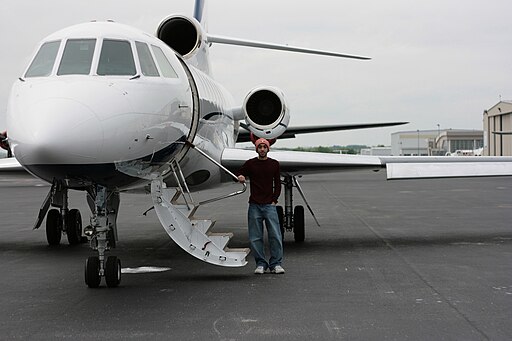
Picture stepping into a spacious cabin, closing the door, and lifting off to your destination without the crowds or long lines. When you decide to own a private jet, you’re making more than a purchase—you’re buying access, freedom, and time.
Did you know the typical full private-jet owner has a median net worth around $190 million? That helps explain why jet ownership remains an exclusive club.
But how rich do you actually need to be to make this real? Let’s go through what it takes so you can see if owning a private jet might someday be in your world.
Let’s go through what it takes so you can see if jet ownership might someday be in your world.
What Makes Private Jets So Special?
Owning your own jet or choosing to fly private changes how travel works in several clear ways. Let’s look at why people choose a plane that’s their own versus a regular commercial flight.
Comfort and privacy
- On a private jet, you get a quiet cabin and fewer people around you.
- You can work, relax, or even nap without interruptions.
- You don’t have to wait in long lines or go through the same crowds as public air travel.
Flexibility and time savings
- With private air travel, you can often leave when you want instead of following airline schedules.
- You can pick an airport closer to your destination, which saves ground travel time.
- For a business person or frequent flyer, those time savings add up quickly in the private jet industry.
Tailored to you
- You choose the aircraft type—for example, a light jet for short hops or a midsize jet for longer distances.
- You decide who flies with you and what amenities you want.
- When you’re a jet owner, you have the freedom to design the experience.
The difference between owning vs. using
- Private jet charter means renting the jet for your trip. It gives you many benefits but you aren’t responsible for upkeep.
- Jet ownership means you buy and maintain the plane—this gives maximum control, but it also brings responsibilities like maintenance, insurance, and management.
All these features show why owning or regularly using a private jet can be special. The next question: what are the real costs that go into making it possible?
The Real Cost of a Private Jet
When someone considers owning a private jet, they often think only of the purchase. But the cost to fly private includes many parts. Let’s break them down into manageable pieces.
Upfront purchase price
- Buying a small light jet might start in the millions.
- A larger long-range aircraft could have a purchase price of tens of millions of dollars.
- For example, many jets can cost $1 million plus just to get started in some rental or share models.
Operating costs
- After you buy a plane, you still have to pay fuel, hangar space, crew salaries, and more.
- Every flight hour adds up: there is a standard “hourly cost” for jet usage.
- Things like private jet insurance, maintenance, and aircraft management also factor in.
Usage matters
- If you only fly a few hours a year, chartering or using a jet card program might cost less than full ownership.
- But if you fly a lot—say 200–300+ hours per year—then buying and owning a jet can make more sense.
Hidden or variable costs
- Fuel price jumps, landing fees, and aging aircraft maintenance can unexpectedly raise costs.
- Used aircraft might have lower purchase cost but might need more upkeep, increasing long-term cost.
- The net worth needed to absorb these fluctuations matters. Without a big financial cushion, what seems like a dream can become a burden.
Putting a number together
- Many exprts say you should be well above the $20-$30 million net worth level before private jet ownership is truly comfortable.
- For full ownership of a large jet, numbers like $50 million, $100 million or more are common thresholds.
- It’s not simply the purchase—it’s being able to cover the yearly bills without stress.
By understanding all of these cost pieces—upfront & ongoing—you get a clearer view of what owning a private jet really requires.
Who Can Actually Afford One?
Now we arrive at the central question: who in practical terms is able to move into full ownership of a private jet, and what does their world look like?
Net worth and income
- To even seriously consider buying a plane and managing it well, many jet owners have net worths in the tens or hundreds of millions.
- If someone has a net worth of $100 million, they might buy a aircraft and feel comfortable flying many hours without over-stretching.
Usage patterns
- Consider usage: someone who flies only 50 hours a year will likely be better off with fractional ownership or a jet card rather than full ownership.
- For people flying 100-300 hours a year, owning a jet might make sense if their budget allows.
Alternatives fit too
- Jet card and private jet charter are good alternatives for those who fly less often. For example, purchasing blocks of hours with a NetJets card can cost hundreds of thousands of dollars for 25 hours of flight time.
- Fractional ownership means you buy a share of a plane (for example a 1/16 share) and you share cost and usage with others. This lowers the barrier compared to full ownership.
Owning a private jet vs sharing
- With full ownership, you have exclusive access and control, but you carry all the cost burden.
- With fractional or jet-card programs, you get many benefits yet lower cost commitment.
The real decision line
- If you have $20-30 million net worth and fly minimally, full ownership may be too big a commitment.
- If you have $50-100 million+ net worth and fly many hours, full ownership becomes more realistic.
- If you have hundreds of millions or billions, you might own multiple jets or a fleet of business jets.
In short: affordability is both about how much money you have and how much you’ll use the aircraft. Being rich helps—but using the plane enough and planning for all costs matters just as much.
How Much Money You Need to Comfortably Own a Private Jet
Owning a private jet sounds like the kind of dream most people imagine for movie stars or billionaires. But there’s an actual number behind that dream. To really understand how rich you have to be, you need to know what “comfortably owning” a jet means.
It’s not only about the first purchase. It’s also having enough money left over to fly it, store it, and maintain it—without worrying each time it takes off. Here’s how much money it truly takes to live that kind of life.
1. The Purchase Price: Buying the Jet Itself
The first big number you face is what it costs to buy the airplane. Jets come in different sizes, speeds, and ranges, so their prices vary widely.
Here’s a breakdown of what different types can cost:
- Small or light jets: These are best for short trips—about 2–3 hours of flying. Prices usually start around $1 million for older models and can reach up to $10 million for new ones.
- Midsize jets: These can fly coast-to-coast and carry more passengers. They often cost between $8 million and $20 million.
- Large or long-range jets: These are luxury-level aircraft that can cross oceans without stopping. Expect to pay $30 million to $80 million or even higher.
But remember, that’s only the starting point. Many owners spend extra on upgrades such as custom interiors, better seats, or new technology. The total bill can climb fast.
2. The Yearly Cost of Ownership
Once you buy the jet, there are yearly expenses that keep it ready to fly safely and comfortably. Here’s what those look like in simple terms:
- Fuel: Jet fuel prices change often. On average, flying costs a few thousand dollars per hour in fuel alone. The more you fly, the bigger this cost gets.
- Crew and staff: Pilots, copilots, and maintenance teams all earn salaries. Most full-time pilots for private owners earn over $100,000 a year.
- Storage and hangar space: Your jet needs a safe, weather-protected place to stay. Hangar fees can run from $2,000 to $10,000 each month, depending on the airport.
- Maintenance and inspections: Like cars, jets need regular care. Big repairs or checks can cost hundreds of thousands of dollars.
- Insurance: A private jet insurance plan can run from $30,000 to $500,000 a year, depending on the value of the plane and how it’s used.
Add all of this together, and the yearly bill can easily reach several million dollars for larger jets. That’s why having money left over after buying the aircraft matters so much.
3. The Real Wealth Level
Experts often say you should have at least $30 million to $50 million in net worth before buying a private jet makes financial sense. Why? Because you shouldn’t spend a huge part of your total wealth on something that also costs a lot to maintain.
Here’s an easy rule of thumb:
- You can consider owning a jet when the cost of running it is less than 10% of your yearly income or available cash.
- If you have to think twice before refueling or scheduling maintenance, it’s too soon.
For example:
- A person worth $10 million could easily afford to fly private sometimes through rentals or memberships, but owning a jet would stretch their budget.
- Someone worth $50 million or more could likely buy a small or midsize jet and pay the annual costs without stress.
- Billionaires can own large jets, and sometimes multiple ones, with no real impact on their lifestyle.
4. Ways to Make It More Affordable
Luckily, full ownership isn’t the only way to enjoy private flying. Many people with high incomes but smaller net worths use flexible programs that lower the costs.
Here are the most common options:
- Fractional jet ownership: This means buying a share of a jet, like splitting the cost with others. You might own 1/8 or 1/16 of the aircraft. This allows you to use it for a set number of hours each year. It cuts down the price and removes the stress of full maintenance.
- Jet cards and memberships: These are prepaid plans that give you access to jets at a set hourly rate. It’s a smart way to control costs while keeping the private experience.
- Chartering trips: Renting jets through private charter companies for single flights is another simple choice. You pay only when you fly.
Each method lets you travel in luxury but without having to spend $20 million up front or deal with all the ongoing bills.
5. How to Think About “Comfortable” Ownership
Comfortable ownership means the plane feels like a tool, not a problem. The money should be enough that flying it doesn’t require second thoughts.
To feel comfortable, a jet owner should be able to:
- Cover all yearly costs, including maintenance and insurance, easily.
- Replace the aircraft every 8–10 years without financial pressure.
- Pay staff and fuel bills even if business slows down.
If those goals fit your lifestyle and finances, then you’re in the comfort zone for jet ownership.
Making Money from a Private Jet
Some owners look for ways to offset the costs by making money from a private jet when they’re not using it. This can happen in a few ways:
- Chartering your jet out: You can allow others to rent your plane when it’s free. The income helps cover some operating costs.
- Partnership with management companies: Some owners sign up with jet management firms that handle scheduling, staff, and renting. They find clients, manage bookings, and share the revenue with you.
- Corporate use: Companies often use their jets for business trips. When executives aren’t traveling, they might rent it to trusted partners to keep it earning money.
These methods won’t make you rich, but they can soften the blow of yearly costs. However, keep in mind that renting it out adds wear and tear. Every extra hour flown means more maintenance later.
Planning for the Long Term
Owning a jet also involves long-term planning. Aircraft values drop over time, which means resale prices are often lower than what you paid. Knowing that helps you budget more realistically.
- Depreciation: Most private jets lose value every year, especially during the first few years of use.
- Upgrades: Technology changes fast in aviation. Updating systems, safety gear, and interiors keeps your plane modern but also costs money.
- Resale market: The used jet market can go up or down with the economy. Having patience can help you sell at the right time.
When you see all these costs together, the picture becomes clearer: being “comfortable” means having wealth that easily absorbs both expected and surprise expenses.
A Look at the Real Numbers
So, how much money do you truly need? Here’s a simple way to think about it:
| Jet Size | Typical Purchase Cost | Yearly Operating Cost | Suggested Net Worth |
| Light Jet | $2M–$10M | $800K–$1.5M | $30M+ |
| Midsize Jet | $10M–$20M | $1.5M–$3M | $50M+ |
| Large Jet | $30M–$80M+ | $3M–$6M+ | $100M+ |
These numbers aren’t exact but give a fair guide. The key is having enough income and assets so the jet feels like convenience, not a burden.
The Smart Path Forward
If you’re serious about owning or using a jet, start small. Try flying with a fractional jet ownership program or a charter service first. It gives you the private flying experience and helps you learn the details of the lifestyle before making a big purchase.
Flying privately can be one of life’s great luxuries, but it works best when it fits smoothly into your financial world. Take your time, ask experts for help, and plan carefully. If one day you do decide to buy, you’ll be ready to enjoy every flight with peace of mind.
Conclusion
Owning a private jet can feel like the ultimate symbol of freedom and possible success. When you see how the private jet ownership world works—what aircraft cost, what it takes to operate one, and who typically steps into that role—you start to understand what “how rich do you have to be to own a private jet” really means.
It’s not only simply being wealthy—it’s being wealthy and ready: ready to use the plane enough, ready to handle all the costs, and ready to fly on your terms. If you’re curious and thinking ahead, take the time now to learn the full picture.
When you’re ready, you’ll know if the runway leads to your own jet. For help digging deeper into the details, trust Flying411 to guide you.
Frequently Asked Questions
What is a jet card and how does it differ from owning a jet?
A jet card offers prepaid hours of flight time on a plane without buying the aircraft. It costs less upfront than owning and removes the need for maintenance and management.
How many flight hours per year make jet ownership worthwhile?
Most sources suggest owning a plane makes sense when you fly around 200-300 flight hours per year. Less than that and alternatives like charter or a card often cost less.
What size plane should I consider when thinking of owning a jet?
Start by thinking about mission: for regional trips a light jet may be enough; for longer trips you’ll look at a midsize jet or larger. Aircraft type affects cost heavily.
Does buying a used aircraft reduce the cost to fly private?
Yes, a used aircraft often costs less upfront than new, but it may also require higher maintenance and renewal costs. It’s a trade-off.
Are charter and fractional ownership good stepping stones to full ownership?
Yes. Fractional jet ownership and private jet charter let you experience private travel with lower commitment and cost. They can help you decide if you’ll ever want full ownership.