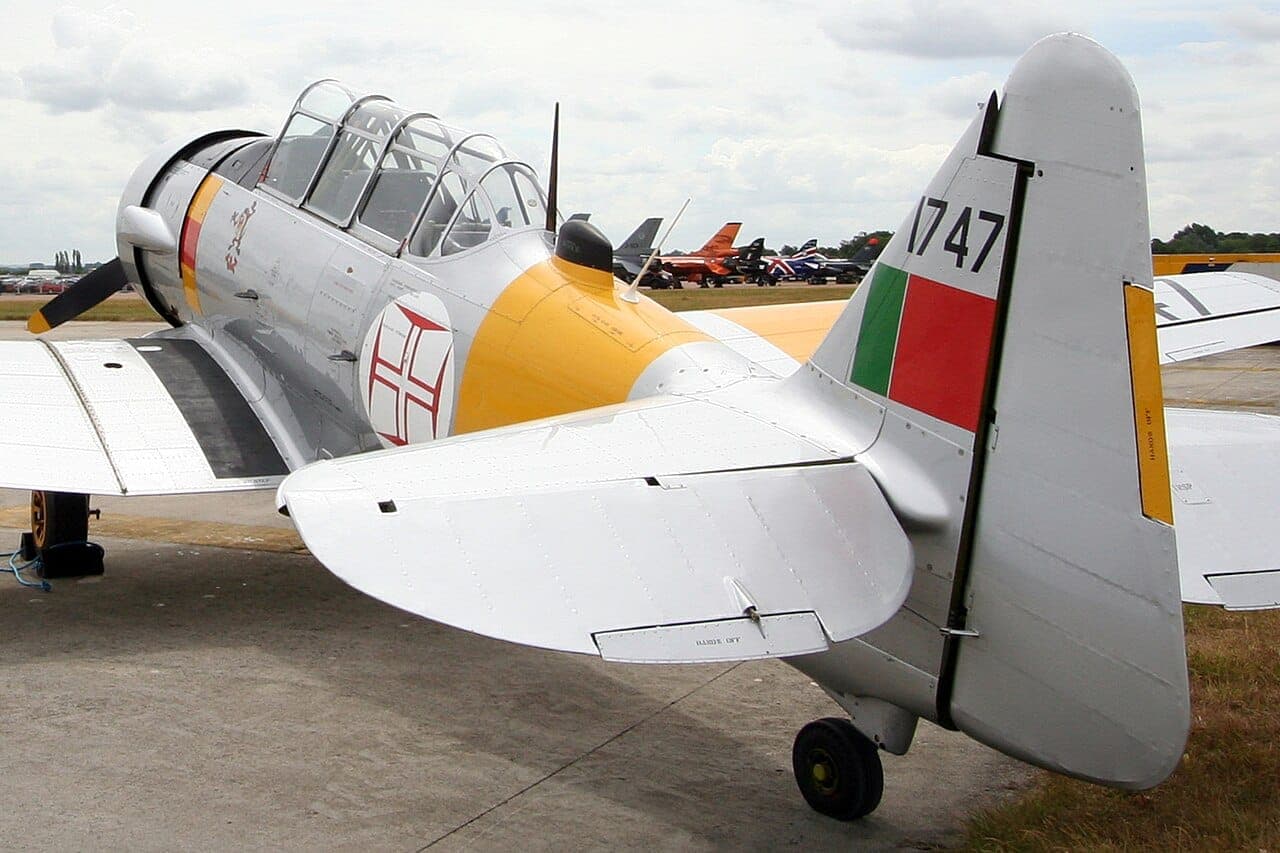
On every line of the budget that matters — purchase, insurance, fuel, parts and the annual — the Harvard Mk IV vs Yak-11 question comes out the same way: the Harvard is the cheaper airplane to own and fly in the United States, usually by a wide margin. The Yak is faster, rarer and turns more heads on the ramp, and a few owners happily pay for that.
What follows is the detail behind that answer: where the money actually goes, why the engine matters more than the airframe, why insurance brokers treat these two types very differently, and which buyer each one genuinely suits.
The Short Answer
Buy the Harvard Mk IV if you want to fly a big radial warbird regularly, on a budget you can predict, with a mechanic you can find and parts you can order on a Tuesday. The Pratt & Whitney R-1340 Wasp is one of the best-supported piston engines in aviation, several shops overhaul it, and the T-6/SNJ/Harvard family is the most numerous flying warbird in the country. Buy the Yak-11 only if you want that specific airplane — a Soviet fighter-trainer with fighter manners — and you have the budget, the patience and the shop relationships to keep an orphan engine and a pneumatic airframe alive. The Yak is not a bad airplane. It is a specialist's airplane, and specialists pay specialist prices.
What You Pay to Get In
Purchase prices for both types swing enormously with condition, logbook quality, time since overhaul and how good the restoration was. A tired but flying Harvard and a show-winning one can be separated by a factor of two or three.
As a general shape of the market in 2025, flyable Harvard Mk IVs and their American T-6/SNJ cousins trade in the mid-six figures for honest, well-documented examples, with project airframes far cheaper and award-winning restorations considerably more. Yak-11s start higher for one simple reason: supply. Canadian Car and Foundry built 555 Harvard Mk IVs between 1951 and 1954, and they sit inside a worldwide T-6 family of roughly 15,000 airframes. Yak-11s were built in larger numbers originally — about 3,850 in the Soviet Union plus some 700 LET C-11s in Czechoslovakia — but almost all were scrapped, and the airworthy population today is tiny. When fewer than two dozen of a type fly worldwide, price stops tracking cost and starts tracking desire.
There is a second Yak market to be aware of. Many of the Yak-11s that survived into Western hands were re-engined with the Wright R-1820 Cyclone, a far more powerful American engine, originally to make them competitive air racers. Those conversions solved the parts problem and created a different airplane: faster, thirstier and more expensive to feed. A converted Yak is not comparable to a Harvard on operating cost at all.
Why It Matters: With a Harvard, the airplane you inspect is roughly the airplane the market has seen a hundred times, so comparable sales exist. With a Yak-11, every airframe is a one-off restoration and you are largely valuing the quality of one shop's work.
Edge: Harvard Mk IV — lower entry price and a real comparables market to price against.
The Engine Decides the Budget
This is the heart of the comparison, and it is not close.
The Harvard Mk IV runs a Pratt & Whitney R-1340-AN-1 Wasp, a nine-cylinder radial rated at 600 horsepower. It was built by the tens of thousands, it still powers ag planes and restored Beavers, and several U.S. shops overhaul it as routine work. Published overhaul intervals cluster around 1,200 hours, though many operators run on a calendar-and-condition basis under experimental operating limitations. Cylinders, magnetos, carburetors and accessories are all available from stock. Your mechanic can get a manual in English and a part number that means something to a vendor.
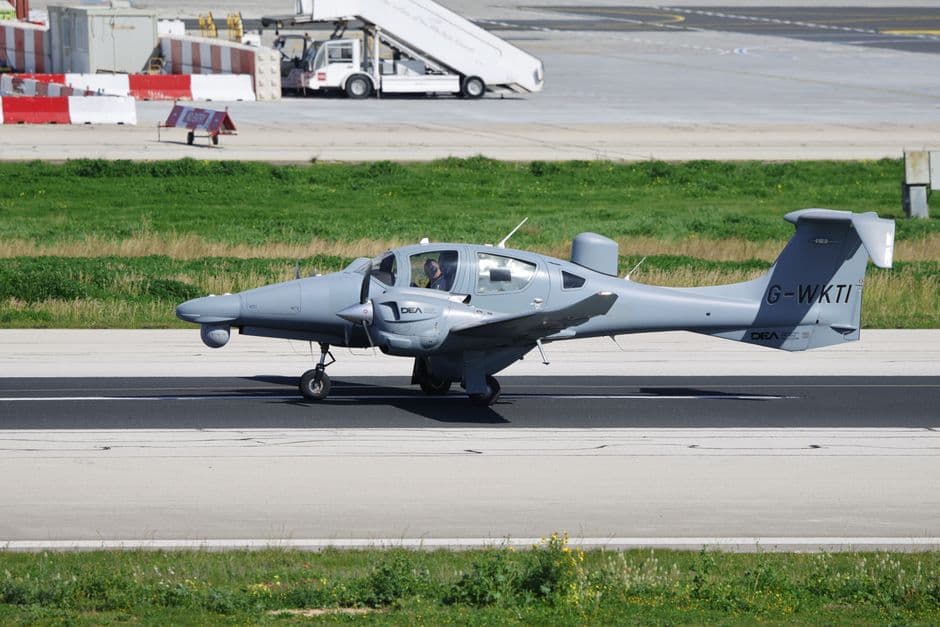
The Yak-11 was designed around the Shvetsov ASh-21, a seven-cylinder radial of roughly 700 horsepower that is essentially one row of the ASh-82. It is an orphan. There is no Western overhaul line for it, surviving spares came out of Eastern Europe decades ago, and the engines that remain are serviced by a very short list of specialists. Soviet-era service intervals for the ASh-21 were measured in the low hundreds of hours, which is why most surviving operators run them conservatively, baby the cylinders, and keep a second engine in a crate if they can find one. Restorers have told the warbird press for years that engine availability — not airframe condition — is the thing that grounds Yak-11s permanently.
Heads Up: Ask any Yak-11 seller the same two questions before anything else: what spare engine or cylinder stock comes with the airplane, and who has actually signed off work on this engine in the last five years. If there is no answer to either, you are buying a static display with a current annual.
Fuel is the one place they are roughly comparable. Owners typically report somewhere in the high 30s of gallons per hour in cruise for a Harvard on 100LL, and Yak-11 operators report numbers in the same neighborhood with the ASh-21. Re-engine that Yak with an R-1820 and fuel burn climbs sharply — 1,400-plus horsepower drinks accordingly.
For a line-item breakdown of Harvard annuals, hangar, fuel and engine reserve, see our companion piece on what it costs to own a Harvard Mk IV warbird.
Edge: Harvard Mk IV, decisively. A supported engine with a working parts chain is worth more than any performance number on the spec sheet.
| Specification | Harvard Mk IV (CCF) | Yak-11 / LET C-11 |
| Engine | Pratt & Whitney R-1340-AN-1 Wasp, 9-cylinder radial | Shvetsov ASh-21, 7-cylinder radial |
| Takeoff power | 600 hp | about 700 hp |
| Seating | 2, tandem | 2, tandem |
| Wingspan | 42 ft 0 in | 30 ft 10 in (9.40 m) |
| Length | About 28 ft 11 in | About 27 ft 11 in (8.50 m) |
| Empty weight | about 4,150 lb | about 4,190 lb (1,900 kg) |
| Maximum gross weight | Configuration-dependent; approximately 5,235–5,750 lb in published Harvard Mk IV references | About 5,380 lb (2,440 kg) |
| Maximum speed | about 205 mph (178 kt) | about 289 mph (465 km/h) |
| Typical cruise | about 145 kt (167 mph) | about 180 kt (208 mph) |
| Range | about 730 miles | about 780 miles (1,250 km) |
| Service ceiling | about 21,500 ft | about 23,300 ft (7,100 m) |
| Cruise fuel burn (owner-reported) | high 30s gph | mid-to-high 30s gph |
| Overhaul support | Multiple U.S. shops; interval commonly quoted near 1,200 hr | No Western overhaul line; specialist shops only, short military intervals |
| Numbers built | 555 Harvard Mk IVs (1951–54); about 15,000 in the T-6 family | about 3,850 in USSR plus about 700 LET C-11 |
| Airworthy in the U.S. (2025) | Several hundred across the T-6/SNJ/Harvard family | A handful — well under 20 |
Good to Know: The Yak-11's wingspan is almost twelve feet shorter than the Harvard's. That is a meaningful difference when you are pricing hangar space, and one of the few places the Yak saves you money.
Insurance: Who Will Even Write the Policy
Warbird insurance is a small market with a handful of underwriters, and they price what they can model. They have decades of T-6 loss data. They have almost none on the Yak-11.
For a Harvard Mk IV, a broker will typically ask for a tailwheel-current pilot with a few hundred hours total, a formal transition course in type, and a stated number of dual hours before solo — ten to twenty-five is a common requirement for a low-time-in-type buyer. Hull rates on warbirds run well above what you would pay on a Bonanza, and liability limits are usually capped lower than owners expect. The important point is that coverage is readily available and renewals are routine.
For a Yak-11, expect fewer markets willing to quote at all, a higher hull rate for the same declared value, and training requirements that may be hard to satisfy because there is no established school. Underwriters will often want significant T-6 or similar high-horsepower taildragger time first, plus type-specific instruction from one of the very few pilots qualified to give it. Some buyers find that the only route to a policy is to own and fly a Harvard first — which is its own argument about which airplane to buy.
Pro Tip: Get the insurance conversation started before you sign anything, not after. On rare warbirds it is normal for a quote to take weeks, and a deal that depends on a policy nobody will write is a deal that falls apart at the worst moment.
Flying411 keeps warbird and classic listings in one place, so you can compare asking prices, time since overhaul and restoration quality side by side before you start making calls.
Edge: Harvard Mk IV. More markets, lower rates, and a training path an underwriter already recognizes.
Parts, Mechanics and the Paperwork You Live With
Keeping a Harvard flying is a bit like keeping a 1970s pickup on the road: the design is old, but the parts counter is open. Airframe hardware is in AN and MS standards, drawings and manuals are in English, there are active type clubs and the EAA Warbirds of America community, and a large number of A&Ps have at least seen a round engine. Supporting consumables — plugs, hoses, brake pucks, tires, mag parts — are shelf items.
The Yak-11 is closer to keeping an imported car running in a small town with no dealer. Hardware is metric. Original documentation is in Russian or Czech. The systems architecture is different: Yakovlev used compressed air where Western designers used hydraulics, so the gear, flaps and brakes run off an air system that most American mechanics have never touched. The brake system in particular, operated through the stick in the Soviet fashion, catches pilots and mechanics out. None of this is unmanageable — people do it — but every job takes longer, and "we'll have to make that part" is a sentence you will hear.
Paperwork differs too. T-6 family aircraft have a long history in U.S. civilian operation, with examples holding Limited category or Experimental Exhibition airworthiness certificates. Yak-11s in the United States generally operate under Experimental Exhibition certificates. Under 14 CFR Sections 21.191 and 91.319, Experimental Exhibition aircraft must operate within their specific FAA-issued operating limitations, including approved exhibition activities and related proficiency or maintenance flights. These aircraft generally require annual program-letter updates describing planned activities, and they cannot be used for unrestricted personal transportation. Limited category aircraft operate under different certification requirements and limitations. Paid passenger flights require separate FAA authority, such as an applicable Living History Flight Experience exemption or authorization, rather than ordinary Experimental Exhibition privileges.
Keep in Mind: Those operating limitations are part of the ownership cost even though they never appear on an invoice. If you want an airplane you can fly anywhere, any weekend, for any reason, read the limitations on the specific airframe you are buying before you fall in love with it.
Edge: Harvard Mk IV, and this is the widest gap of the three cost dimensions.
Performance and How They Fly
Here, finally, the Yak wins something real. With about 700 horsepower on a much smaller wing, the Yak-11 is genuinely quick — period figures put maximum speed near 289 mph against roughly 205 mph for the Harvard — and it handles like what it is, a trainer derived from the Yak-3 fighter. Pilots who have flown both describe the Yak as lighter and more immediate in roll, with the clean, purposeful feel of a fighter cockpit. It climbs better and cruises meaningfully faster.
The Harvard's reputation is different and deliberate. It was designed to be demanding enough to prepare pilots for fighters, and it keeps that character: heavy controls, a famous rasping propeller tip note, and a well-earned name for punishing sloppy footwork on landing. More T-6s have been bent on the runway than anywhere else. But it is predictable, it is documented, and thousands of pilots have been taught in it.
The Yak's narrow-track landing gear and higher approach speeds raise the stakes on the same skills, with far fewer instructors available to teach them.
Fun Fact: The Harvard's distinctive buzz comes from the direct-drive propeller: at takeoff power the blade tips approach the speed of sound, which is why a T-6 formation can be identified by ear long before it is in sight.
Edge: Yak-11, on speed, climb and handling. If performance is what you are buying, this is the airplane.
Which One Should You Buy?
The first-time warbird owner. Harvard Mk IV, with no real argument against it. You get a type with a training pipeline, insurable terms, a parts supply chain, a type club that will answer the phone, and resale into a market that actually exists. If something breaks on a trip, somebody within a few hundred miles has probably fixed one before. Treat your first radial as the aircraft that teaches you what warbird ownership costs, then decide whether you want something rarer.
The experienced warbird pilot who wants the airplane nobody else has. Yak-11 — with conditions. You want an airframe that comes with spares, a documented relationship with a shop that knows the type, and a realistic reserve for an engine event that cannot be solved by a phone call. If the airplane has already been converted to a Wright R-1820, you have traded the parts problem for a fuel-burn and acquisition-cost problem, which is a trade some owners make happily.
The budget-first buyer who mainly wants round-engine noise and a tandem cockpit. Look at the whole T-6/SNJ/Harvard family rather than fixating on the Mk IV specifically, and look hard at time since overhaul. An airplane with 200 hours on a fresh Wasp at a higher price is usually cheaper over five years than a bargain with a runout engine. If the whole warbird budget still looks heavy, a replica like the Titan T-51 Mustang delivers much of the look on a fraction of the operating cost.
Flying411 keeps engine time, total time and asking price together on every listing, so you can compare a fresh-overhaul airframe against a cheaper runout without digging through three different ads.
The Cheaper Warbird Is the One With a Parts Catalog
Settle the Harvard Mk IV vs Yak-11 decision on logistics rather than on looks and the answer is clear. The Harvard costs less to buy, less to insure, and far less to keep airworthy, not because it is a lesser airplane but because the infrastructure around it survived. The Yak-11 is faster and rarer, and for the right owner that is worth the premium — as long as that owner walks in knowing the premium is permanent, not a one-time acquisition cost.
Whichever way you lean, spend money on the pre-buy before you spend it on the airplane. Hire an inspector who knows the specific type, pull the engine and prop logs apart, verify the operating limitations attached to that tail number, and confirm your insurance terms in writing. The discipline is the same one we describe in our pre-buy inspection guide; only the stakes are larger.
Flying411 keeps warbirds, classics and trainers in one searchable place, so you can compare what is actually for sale this month instead of guessing at the market.
When you are ready to compare listings, visitFlying411and see what is on the market today.
Frequently Asked Questions
Do I need a type rating to fly a Harvard Mk IV or a Yak-11?
Neither the standard Harvard Mk IV nor the original Yak-11 ordinarily requires a type rating under 14 CFR Section 61.31(a), but pilots must hold the appropriate category and class ratings and meet applicable tailwheel, high-performance and complex-airplane training requirements. Certain Experimental Exhibition aircraft also require a specific FAA pilot authorization. Under current FAA guidance, this generally applies to aircraft exceeding 12,500 pounds, turbojet-powered aircraft, or aircraft with both more than 800 horsepower and a VNE above 250 KIAS, when the operating limitations require that authorization. The original 600-horsepower Harvard and approximately 700-horsepower Yak-11 do not ordinarily meet those thresholds. However, modified examples and aircraft-specific operating limitations must be checked before flying. Insurance companies may impose additional transition-training requirements.
Can I give paid rides in either airplane?
Not under an ordinary Experimental Exhibition certificate. Carrying passengers for compensation in a surviving warbird requires a Living History Flight Experience authorization from the FAA, which comes with its own application, maintenance and pilot requirements. Many Harvard owners pursue it; very few Yak-11 owners do, because the operation has to pencil out against the cost of the flying.
Is a Wright R-1820-converted Yak-11 a better buy than an original?
It depends on what you are solving for. The conversion replaces an unsupported Soviet engine with an American one that shops still overhaul, which removes the single biggest ownership risk. In exchange you get a higher acquisition price, much higher fuel burn and a smaller buyer pool at resale among purists who want originality. If you intend to fly a lot, the converted airplane is usually the more practical machine.
How much hangar and annual budget should I plan for?
Both are roughly 30-foot-plus airframes that want a heated hangar, and both need an annual condition inspection from someone who knows radials — budget several thousand dollars for the inspection alone before anything is found. The larger number to plan for on either airplane is the engine reserve. Setting aside a per-hour amount toward the next overhaul from your very first flight is what separates owners who keep flying from owners who park the airplane.