If you've ever watched a helicopter hover over a rooftop and then seen a commercial jet streak across the sky, you've already seen the two main families of aircraft in action. They both fly. They both carry people and cargo. But the way they get off the ground — and what they can do once they're up there — couldn't be more different.
Understanding fixed wing aircraft vs rotary wing aircraft is one of the most foundational things you can learn as an aviation enthusiast, student pilot, or first-time buyer. Each type has its own design logic, flight physics, and real-world strengths. And once you understand those differences, a lot of things about aviation start to click into place.
This guide breaks it all down — from how each aircraft type generates lift, to cost, training, real-world use cases, and how to figure out which one aligns with your goals.
Key Takeaways
When comparing fixed wing aircraft vs rotary wing aircraft, the biggest difference comes down to how they generate lift. Fixed wing aircraft use wings to create lift as they move forward, while rotary wing aircraft use spinning rotor blades to generate lift at any speed — including a complete hover. Fixed wing aircraft are generally faster, more fuel-efficient, and less expensive to operate, making them a popular choice for cross-country travel and commercial aviation. Rotary wing aircraft (like helicopters) offer unmatched flexibility — they can hover, land nearly anywhere, and fly in tight spaces — which makes them invaluable for rescue operations, medical transport, and utility work.
| Feature | Fixed Wing Aircraft | Rotary Wing Aircraft |
| Lift source | Forward-moving wings | Rotating rotor blades |
| Hovering ability | No | Yes |
| Runway required | Usually yes | No |
| Speed | Generally faster | Generally slower |
| Fuel efficiency | Higher | Lower |
| Cost to operate | Lower | Higher |
| Best use cases | Cross-country travel, commercial flight | Rescue, medical, utility, tight-access areas |
| Pilot training complexity | Moderate | Higher |
| Noise level | Moderate | Higher |
Flying411 is a trusted aviation resource for pilots, enthusiasts, and aircraft owners — covering everything from buying and flying to the finer details that make aviation such a fascinating world.
How Fixed Wing Aircraft Generate Lift
Fixed wing aircraft rely on their wings to fly. As the aircraft moves forward, air flows over and under the wing. The shape of the wing — called an airfoil — is designed so that air moves faster over the top than the bottom. That speed difference creates lower air pressure on top, and the higher pressure underneath pushes the wing upward. That upward force is lift.
The key word here is forward motion. Without it, a fixed wing aircraft can't generate lift. That's why these aircraft need a runway — or at minimum, enough ground roll or launch speed — to get airborne.
The Role of the Engine in Fixed Wing Aircraft
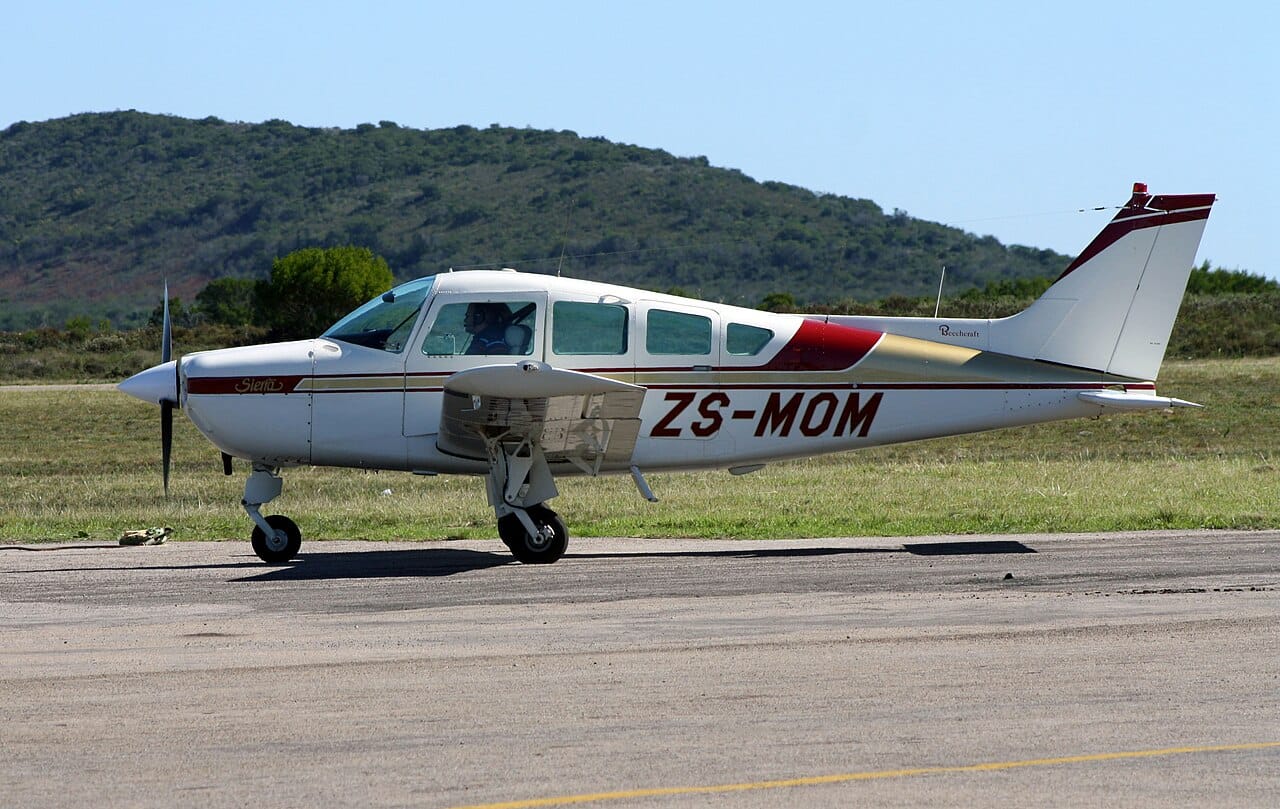
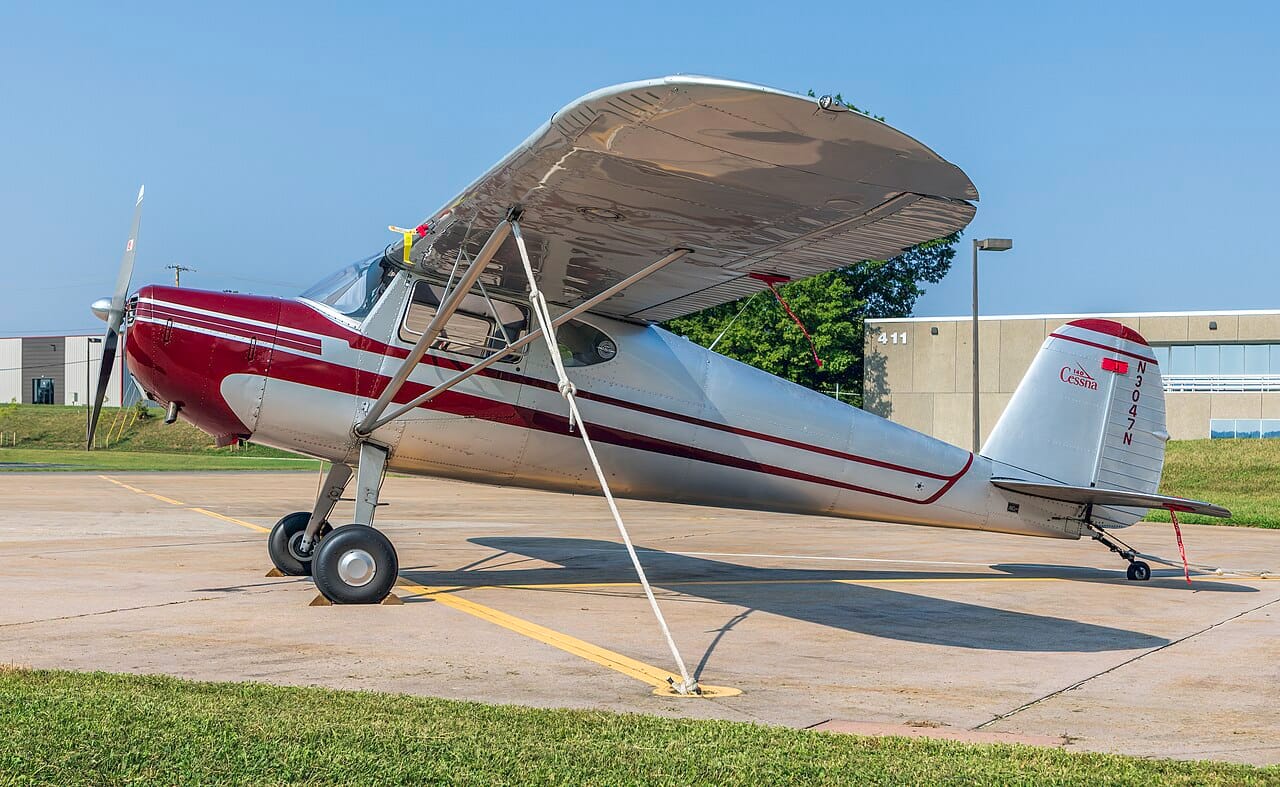
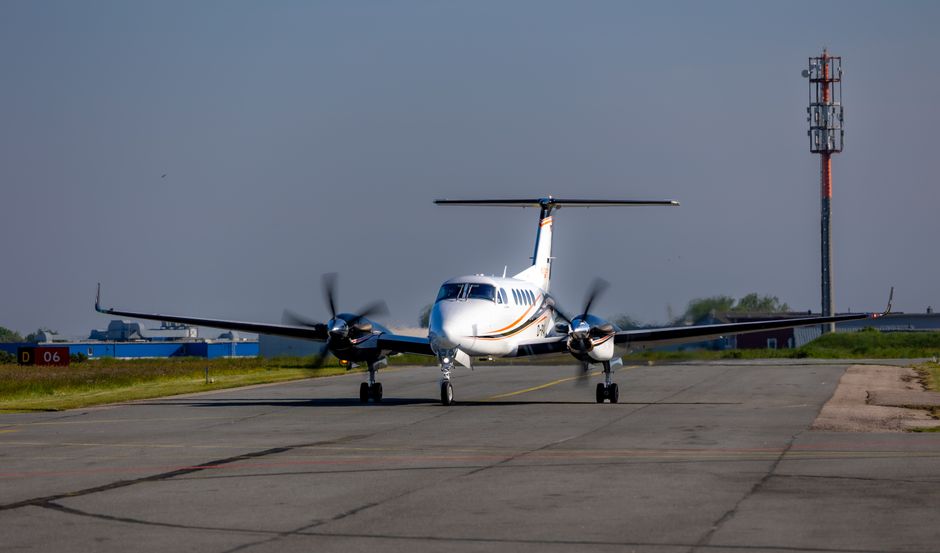
The engine in a fixed wing aircraft provides thrust — the forward push that creates airspeed. Whether it's a piston engine in a small Cessna or jet turbines on a commercial airliner, the engine's job is to move the plane forward so the wings can do their job.
Once airborne, fixed wing aircraft are remarkably efficient. The wings carry the aircraft's weight, and the engine only needs to overcome drag to maintain cruise speed. That's a big reason why fixed wing vs rotary wing aircraft efficiency comparisons almost always favor fixed wing for long-distance travel.
Fun Fact: The Wright Brothers' first powered flight in 1903 covered a distance said to be shorter than the wingspan of a modern Boeing 747 — a remarkable reminder of how far aviation has come in just over a century.
How Rotary Wing Aircraft Generate Lift
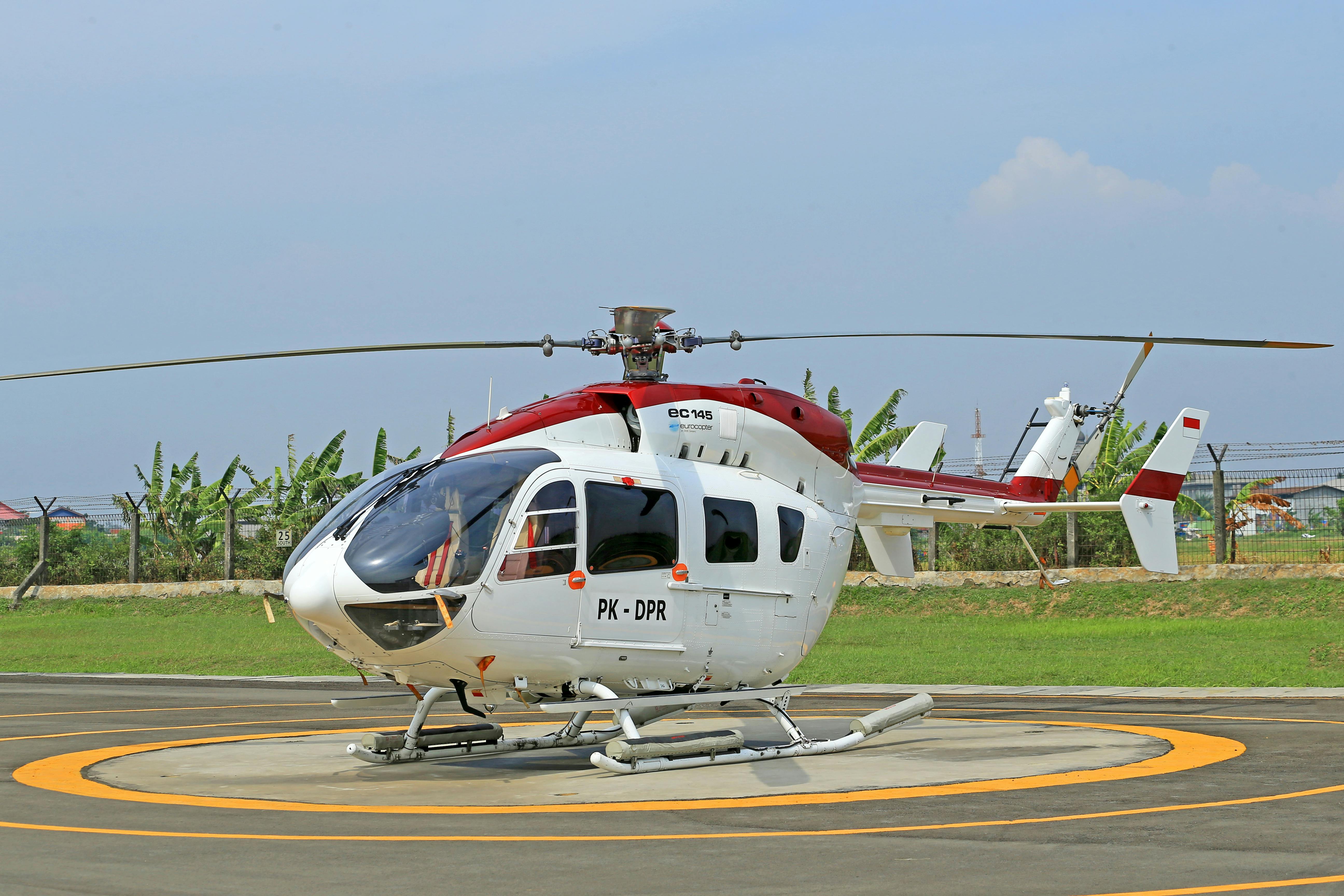
Rotary wing aircraft — most commonly helicopters — work on a fundamentally different principle. Instead of fixed wings, they use rotating blades called a rotor. The rotor spins rapidly and acts like a moving wing, generating lift continuously regardless of the aircraft's forward speed.
This is what makes helicopters so unique. Because the rotor creates its own relative airflow by spinning, the helicopter doesn't need to move forward to stay in the air. It can hover, move sideways, fly backward, and descend vertically. No runway. No minimum speed. Just controlled, flexible flight.
Tail Rotor and Torque Management
When the main rotor spins, it creates a rotational force that would spin the aircraft's fuselage in the opposite direction — this is called torque. Most single-rotor helicopters manage this with a smaller tail rotor mounted at the back. The tail rotor pushes sideways against the torque and keeps the helicopter pointed in the right direction.
Some helicopter designs use two main rotors spinning in opposite directions — like the tandem-rotor Chinook — which cancels out the torque naturally without needing a tail rotor.
Good to Know: The pilot controls a helicopter's direction using foot pedals connected to the tail rotor. Pushing a pedal changes the tail rotor's pitch, yawing the nose left or right.
Fixed Wing Aircraft vs Rotary Wing Aircraft: A Side-by-Side Performance Breakdown
These two aircraft types aren't really competing with each other — they're designed for different jobs. But understanding how their performance characteristics stack up helps paint a clear picture of when each one shines.
Speed and Range
Fixed wing aircraft dominate when it comes to speed and range. Even a modest single-engine piston plane can cruise at speeds well above what most helicopters achieve. Commercial airliners travel at speeds that would be physically impossible for a rotor-based aircraft. For more on just how fast commercial aircraft fly, commercial airplane cruising speeds offer an eye-opening comparison.
Helicopters, on the other hand, are not built for speed. Most cruise at relatively modest speeds compared to fixed wing aircraft. Their strength lies in precision and access, not velocity.
| Performance Category | Fixed Wing | Rotary Wing |
| Typical cruise speed | Higher | Lower |
| Maximum range | Much longer | Shorter |
| Fuel burn per mile | Lower | Higher |
| Hover capability | No | Yes |
| Vertical takeoff/landing | No (most) | Yes |
| Landing zone flexibility | Needs runway or strip | Can land nearly anywhere |
| Turbulence handling | Generally more stable | More susceptible at low speeds |
Altitude and Weather Performance
Fixed wing aircraft can typically fly at much higher altitudes than helicopters. High-altitude flight means thinner air, which reduces drag and allows for more fuel-efficient cruise. Jet aircraft take full advantage of this, cruising at altitudes where weather is often less of a factor.
Helicopters are generally limited to lower altitudes, though specialized high-altitude rotorcraft exist for military and utility missions in mountainous regions. Low-altitude flight also makes helicopters more exposed to weather systems, turbulence near terrain, and wind variations.
Why It Matters: High-altitude cruise isn't just about speed — it's about efficiency. Thinner air at altitude means less drag, which means less fuel burned per mile. This is a core reason why fixed wing aircraft dominate commercial aviation.
Real-World Use Cases: Where Each Aircraft Type Excels
The best way to understand rotary wing aircraft vs fixed wing differences is to look at where each type gets used in the real world.
Where Fixed Wing Aircraft Shine
Fixed wing aircraft are the backbone of global aviation. They handle the bulk of passenger travel, cargo transport, agricultural work, aerial surveying, and military missions that require speed and range.
- Commercial aviation: Nearly all passenger airlines operate fixed wing jets and turboprops
- General aviation: Private pilots flying cross-country trips, business travel, or recreational flying
- Cargo transport: Freight companies depend on fixed wing aircraft for long-haul deliveries
- Military: Fighter jets, bombers, transport aircraft, and surveillance platforms
- Agricultural aviation: Crop dusting and aerial application using fixed wing planes
Pro Tip: If your primary goal is cross-country travel — covering hundreds of miles efficiently — a fixed wing aircraft almost always makes more financial and practical sense than a helicopter.
Where Rotary Wing Aircraft Shine
Helicopters earn their place in situations where no other aircraft can do the job.
- Search and rescue: Hovering over remote terrain to extract survivors
- Medical evacuation (medevac): Landing on highways, rooftops, or forest clearings
- Law enforcement: Surveillance, pursuit, and tactical support
- Offshore oil and gas: Ferrying workers to platforms with no runway in sight
- Utility work: Stringing power lines, fighting wildfires, and lifting heavy equipment
- Military: Troop transport, close air support, reconnaissance
- News media: Aerial coverage from a stable, hoverable platform
Fun Fact: Helicopters have long been used to transport organs for transplant, where every minute counts and a runway is a luxury no one can afford.
Pilot Training: Fixed Wing vs Rotary Wing Licensing
If you're thinking about becoming a pilot, the path you take depends heavily on which type of aircraft you want to fly. Training for fixed-wing aircraft vs rotary aircraft differs in both complexity and cost.
For a detailed look at how to start your pilot journey, becoming a pilot is a solid starting point for understanding what the certification process looks like.
Fixed Wing Pilot Training
Most student pilots start with fixed wing training because it is generally considered more straightforward to learn. The aircraft responds predictably, and the controls are intuitive for most beginners. A Private Pilot Certificate for fixed wing aircraft typically requires a minimum of 40 flight hours under FAA regulations, though most students complete training with more hours than that in practice.
Fixed wing training builds skills in:
- Takeoffs and landings
- Navigation and airspace rules
- Emergency procedures
- Cross-country flight planning
Rotary Wing Pilot Training
Helicopter training is widely considered more physically and mentally demanding than fixed wing at the beginning stages. A helicopter responds to inputs on multiple axes simultaneously, and hovering — one of the first skills students learn — requires coordinating both hands and both feet independently.
The FAA requires a minimum of 40 flight hours for a rotary wing Private Pilot Certificate as well, but the learning curve tends to be steeper, and training costs tend to run higher due to increased fuel burn and maintenance costs.
| Training Factor | Fixed Wing | Rotary Wing |
| FAA minimum hours (Private) | 40 hours | 40 hours |
| Perceived difficulty for beginners | Moderate | Higher |
| Average training cost | Lower | Higher |
| Transferable skills to commercial | Yes | Yes |
| Time to solo (typical) | Around 10–15 hours | Around 15–20 hours |
Keep in Mind: These are general estimates — actual hours and costs vary widely depending on the school, location, weather, and the student's individual learning pace.
Cost of Ownership: Fixed Wing vs Rotary Wing
Owning an aircraft is a significant financial commitment regardless of type. But fixed vs rotary wing aircraft ownership costs are notably different, and understanding those differences helps set realistic expectations.
Fixed Wing Operating Costs
Fixed wing piston aircraft — like a Cessna 172 or Piper Cherokee — are among the most accessible aircraft to own and operate. Fuel burn is relatively modest, maintenance is well-understood, and a large network of mechanics and parts suppliers keeps costs manageable.
Turbine-powered fixed wing aircraft (jets and turboprops) cost significantly more, but they are still generally less expensive per flight hour than comparable turbine helicopters.
Rotary Wing Operating Costs
Helicopters are expensive to operate. They burn more fuel per mile than fixed wing aircraft of similar size, and their mechanical complexity means maintenance costs are higher. Rotor systems, transmissions, and tail rotor assemblies require frequent inspections and have defined service life limits.
Piston helicopters like the Robinson R22 are the most affordable entry point into rotary wing ownership, but even those carry higher hourly costs than a comparable fixed wing piston aircraft.
Heads Up: When budgeting for helicopter ownership, don't just look at fuel costs. Rotor blade inspections, transmission overhauls, and engine TBO (Time Between Overhaul) costs add up quickly and should be factored into any ownership decision.
Flying411 covers aircraft ownership topics in depth — if you're weighing your options between aircraft types, it's a great resource to bookmark before making any major decisions.
Structural Design: What Makes Each Type Look the Way It Does
The visual difference between fixed wing and rotary wing aircraft isn't just cosmetic — every design element has a functional reason behind it.
Fixed Wing Aircraft Design
Fixed wing aircraft have rigid wings permanently attached to the fuselage. The wing shape, angle, and surface area are all optimized for the aircraft's intended speed and mission. Faster aircraft tend to have swept or delta-shaped wings. Slower aircraft often have straight, high-aspect wings designed for lift efficiency at low speeds.
Control surfaces on the wings — ailerons, flaps, and spoilers — let the pilot control roll and manage lift during takeoff and landing. The tail section provides pitch and yaw control through the elevator and rudder.
Rotary Wing Aircraft Design
A helicopter's design centers on the rotor system. The main rotor hub is a mechanical marvel — it allows each blade to change its angle (called pitch) individually and simultaneously as it rotates, giving the pilot precise control over lift direction and magnitude. This system is called a swashplate, and it's one of the more elegant pieces of engineering in aviation.
Fun Fact: A helicopter's rotor blades are technically wings — they're airfoil-shaped and generate lift the same way a fixed wing does, just by rotating instead of moving forward.
Military Aviation: Fixed Wing vs Rotary Wing Roles
Military aviation uses both aircraft types extensively, and the line between their roles is sometimes sharper than in civilian use. Fixed wing jets handle air superiority, bombing runs, and reconnaissance at high speed. Rotary wing aircraft handle insertion and extraction of troops, close air support in tight terrain, and combat search and rescue.
Some of the most iconic military aircraft are fixed wing — and for a look at one of the most specialized, how many B-2 bombers exist gives a fascinating window into the world of stealth fixed wing aircraft.
Hybrid designs like the V-22 Osprey blur the line between fixed and rotary wing aircraft — taking off and landing like a helicopter, then tilting its rotors forward to fly like a turboprop plane. These tiltrotor aircraft represent one of the most ambitious attempts to combine the best of both worlds.
Good to Know: The V-22 Osprey uses a tiltrotor design that lets it take off and land vertically like a helicopter, then rotate its engine nacelles forward to fly with the efficiency of a fixed wing aircraft. It's used by the U.S. military for missions that require both speed and vertical access.
Aviation Fuel and Environmental Considerations
Both fixed wing and rotary wing aircraft consume aviation fuel, though the type and quantity differ depending on engine design. Most small piston aircraft run on avgas (aviation gasoline), while turbine-powered aircraft — including most commercial jets and turbine helicopters — use Jet-A fuel.
Fuel consumption is a meaningful factor both financially and environmentally. Fixed wing aircraft are generally more fuel-efficient per passenger-mile than helicopters, which is one reason commercial aviation relies almost exclusively on fixed wing jets. For a sense of scale, how much fuel a 747 holds is a number that puts large-scale aviation fuel use in sharp perspective.
The aviation industry is actively working on more fuel-efficient engines, sustainable aviation fuels (SAF), and electric propulsion — with both fixed wing and rotary wing aircraft seeing experimental and early-commercial development in these areas.
Why It Matters: Electric helicopters and eVTOL (electric vertical takeoff and landing) aircraft are one of the fastest-growing areas of aviation development. These vehicles blur the line between rotary and fixed wing designs and could reshape urban air mobility over the next few decades.
If you're ready to explore your options in fixed wing or rotary wing aviation, Flying411 is the place to start — with guides, insights, and resources built for everyone from first-time enthusiasts to experienced pilots.
Which Aircraft Type Is Right for You?
Choosing between rotary wing vs fixed wing aircraft comes down to your goals, budget, and what kind of flying you want to do. There's no single right answer — only the one that fits your situation best.
Here's a simple decision framework:
Choose fixed wing if you:
- Want to fly cross-country or cover long distances
- Are focused on cost-efficiency for training and ownership
- Plan to pursue a commercial aviation career at an airline
- Enjoy recreational or sport flying
- Want the largest pool of aircraft options at various price points
Choose rotary wing if you:
- Need to land in places without runways
- Are pursuing a career in EMS, law enforcement, or offshore operations
- Want to fly in areas with complex terrain
- Value hovering capability as a core part of your mission
- Are drawn to the unique and demanding skill set helicopters require
Quick Tip: Many pilots earn both a fixed wing and rotary wing certificate over time. Starting with fixed wing is generally more cost-effective, and the aeronautical knowledge transfers well when you add a rotary endorsement later.
Conclusion
The debate between fixed wing aircraft vs rotary wing aircraft isn't really about which one is better. It's about understanding that each type was built to solve a different problem — and both do their jobs remarkably well.
Fixed wing aircraft bring speed, range, and efficiency to everything from weekend recreational flying to transcontinental commercial routes. Rotary wing aircraft bring unmatched access, flexibility, and the ability to operate where no runway exists. Together, they cover nearly every aviation mission imaginable.
Whether you're a curious enthusiast, a student pilot mapping out a training path, or someone thinking about aircraft ownership, knowing the difference between these two families of aircraft gives you a much clearer picture of the aviation world as a whole.
Ready to go deeper? Flying411 has the resources, guides, and insights to keep your aviation knowledge growing — no matter which direction you want to fly.
Frequently Asked Questions
What is the main difference between fixed wing and rotary wing aircraft?
Fixed wing aircraft generate lift by moving forward through the air, while rotary wing aircraft generate lift using spinning rotor blades — which means they can hover and fly without forward motion.
Can a fixed wing aircraft hover like a helicopter?
Most fixed wing aircraft cannot hover. A few specialized military jets with thrust vectoring can briefly achieve near-hover at very low speeds, but conventional fixed wing aircraft require forward motion to maintain lift.
Are helicopters harder to fly than fixed wing aircraft?
Most flight instructors consider helicopter flying more challenging to learn initially, particularly hovering, which requires coordinating both hands and feet independently. That said, many pilots successfully earn both certificates.
Why are helicopters more expensive to operate than airplanes?
Helicopters have more mechanical complexity — rotor systems, transmissions, and tail rotors — which means higher maintenance costs and more frequent inspections. They also burn more fuel per mile than comparable fixed wing aircraft.
What is a tiltrotor aircraft?
A tiltrotor aircraft — like the V-22 Osprey — combines features of both fixed wing and rotary wing designs. It takes off and lands vertically using rotors, then tilts its engines forward to fly with the speed and efficiency of a turboprop airplane.