The Cessna Citation II operating costs are one of the biggest things owners and buyers want to understand before making a decision. This popular light business jet has been in service for decades, and it still appeals to people who want reliable performance, room for a small group, and straightforward flying.
But the price to own and operate a Citation II private jet is shaped by many factors, and learning how each one works can help anyone build a smart plan.
Let’s move on to find out what makes this airplane stand out, and why the numbers behind it matter.
What Is the Cessna Citation II?
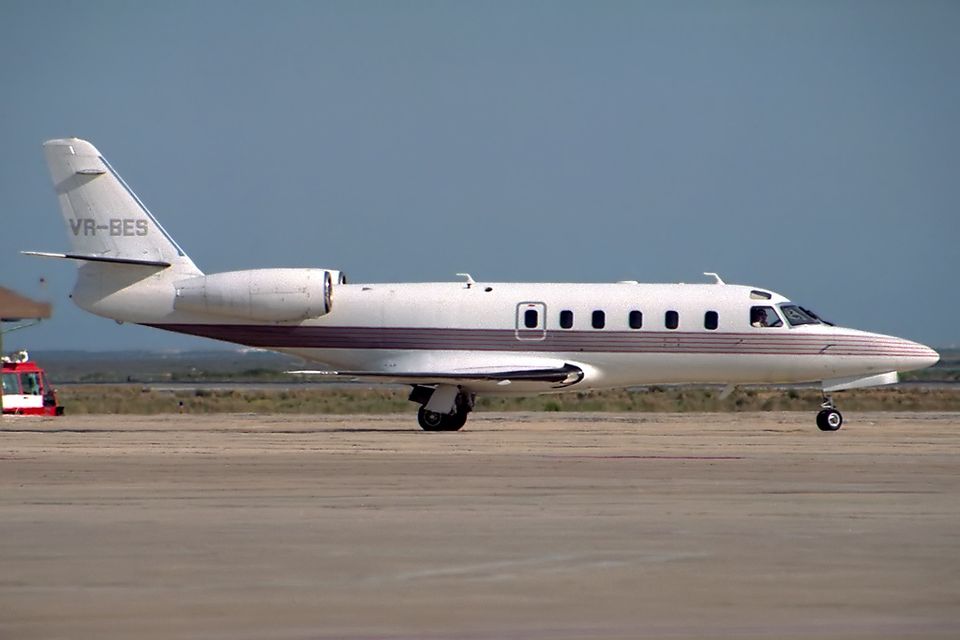
The Cessna Citation II is part of the famous Cessna Citation family. It was built as a bigger version of the earlier Citation I, with stronger engines and a longer cabin. This jet can seat about six to eight passengers, which makes it useful for both companies and families.
When it was first introduced in the late 1970s, it quickly became one of the most popular small jets in the world of aviation.
Here are some key details:
- Engines: The plane is powered by Pratt & Whitney JT15D-4 engines. These engines are known for solid reliability, though they need careful attention when planning an operating cost budget.
- Cruise speed: The cruise performance is around 350–380 knots, which is a good cruise speed for its class.
- Runway needs: The average landing distance is about 2,700 feet, which means the Citation II can use many regional airports. Shorter runway access adds flexibility for trips.
- Range: The range depends on load, but typical trips run about 1,500 nautical miles.
The Citation II also has later siblings, like the Citation Bravo, which kept the same general airframe but added newer systems. Many owners today have upgraded their avionics, swapping older dials for glass panels with modern navigation tools.
Buyers should also think about citation ii pricing on the used market. Prices vary based on condition, upgrades, and engine hours. Some aircraft cost under $1 million, while others with updated equipment and fresh inspections may go higher. Understanding aircraft cost calculator tools can help show different purchase scenarios.
The Citation II is still respected because it combines the benefits of a light jet with the flexibility of a business jet. It’s not the fastest or the newest, but it’s a proven airplane that remains popular in private jet charter fleets around the world.
Why Operating Costs Matter for Jet Owners
Buying an airplane means looking past the sticker price. The operating cost each year can be the real test for an owner. A jet like the Citation II has both direct operating costs and fixed costs. Knowing these helps build a clear annual budget.
- Direct operating costs: These change with flying. They include fuel cost, engine reserves, and regular upkeep. The hourly operating costs for a Citation II often fall between $2,000 and $3,000 per flight hour, depending on location, maintenance needs, and contract prices.
- Fixed costs: These are steady each year, no matter how many flight hours you log. Total fixed costs include annual fixed costs such as insurance, hangar space, and crew training. These can add up to hundreds of thousands of dollars each year.
Let’s break down some examples:
- Fuel efficiency: The Citation II burns about 165–180 gallons per hour. If Jet-A is $6 per gallon, that means over $1,000 per hour in fuel.
- Maintenance: Routine checks and larger inspections can run high. Inspections like Phase 5 are a major item that owners must plan for.
- Crew and training: Even though a II/SP can be flown single-pilot, many owners hire professional pilots. Training programs are required every year and are not cheap.
- Insurance and hangar: Costs vary by region. A simple storage space might cost under $1,000 a month in a smaller city, while large airports may charge much more.
Owners also compare these numbers to jet charter pricing. If someone flies only 100–150 hours per year, they may find that paying charter rates is cheaper than full ownership. On the other hand, someone flying 300–400 hours annually often finds direct ownership easier to control.
Charter services also use the Citation II in their fleets, which shows how dependable it is as a light business jet. However, for personal ownership, it’s smart to think of every per mile cost, not just the fuel. When all expenses are added up, many owners use about $5 to $6 per nautical mile as a safe number for planning.
What Buyers Want to Know First
Before buying, most people want answers to simple but important questions. These questions all connect to the operating cost of a Citation II:
- How much does it cost to run each flight? The short answer is about $2,000–$3,000 an hour when counting fuel, maintenance, and reserves.
- What is the per mile cost? Many use $5–$6 per nautical mile, though the exact number changes with fuel prices and hours per year flown.
- How do upgrades change things? A Citation II with new avionics may cost more to buy, but it can make flying safer and more enjoyable.
- What is the balance between owning and using charter services? If you only fly a few trips a year, private jet charter can make more sense. But if you plan hundreds of flight hours, ownership can bring more control.
- How do you compare with other jets? Many owners also look at the Citation Bravo or newer jets when they review citation ii pricing.
Using an aircraft cost calculator helps compare ownership against jet charter options. These tools let buyers adjust things like fuel price, annual budget, and hours per year. They can also show how direct operating costs combine with annual fixed costs to shape total spending.
It is also common to check what other operators are charging. Charter rates for a Citation II may range from $2,500–$3,500 an hour in the U.S. depending on market and season. These numbers give a good benchmark when planning.
For many, the real value of the Citation II is balance. It offers space, speed, and flexibility at a price that is often lower than newer models. For someone looking for a proven light business jet, it is a dependable choice.
Cessna Citation II Operating Costs
Understanding the costs of owning and flying a Citation II helps owners and buyers plan ahead with confidence. The numbers may look complex at first, but when you break them down into clear parts, the picture starts to make sense. Every dollar falls into a few simple categories.
Some are tied to how much you fly. Others are steady, no matter how many trips you make. Together, they shape the full cost of ownership.
| Category | Details | Typical Range / Estimate |
| Variable (Hourly) Costs | Costs that depend on hours flown. | $2,000 – $3,000 per flight hour |
| Fuel | 165–180 gallons/hour; ~5,000 lbs capacity; range ~1,500 nm | ~$1,000+/hr at $6/gal |
| Maintenance Reserves | Engine & systems set-aside for overhauls/inspections | $300 – $400/hr |
| Other Hourly Costs | Tires, brakes, oil, minor parts | Included in $2,000–$3,000/hr total |
| Fixed (Annual) Costs | Paid regardless of hours flown | $200,000 – $300,000/year |
| Hangar/Storage | Space rental at airport | $800/month (small town) → $5,000+/month (major city) |
| Insurance | Depends on hull value, usage, pilot experience | $10,000 – $25,000/year |
| Training | Annual simulator/ground school (mandatory) | Variable, part of fixed total |
| Subscriptions & Charts | Navigation data (Jeppesen, ForeFlight, etc.) | Annual subscription fees |
| Performance Details | Impact planning and efficiency | — |
| Cruise Speed | 350 – 380 knots | Efficient for class |
| Service Ceiling | 43,000 ft | Improves fuel efficiency |
| Balanced Field Length | ~3,800 ft | Needs moderate runway length |
| Short Runway Ability | Can use smaller airports | Saves time/money vs. larger jets |
| Baggage Capacity | ~40 cubic ft, multiple compartments | Sufficient for typical missions |
| Ownership & Payment Models | Ways to manage costs | — |
| Direct Ownership | Pay all costs directly | Best if flying 300+ hrs/year |
| Programs | Fixed hourly engine/maintenance programs | Smooths out expenses |
| Jet Cards | Prepaid access at fixed hourly rate | Higher cost, no surprise bills |
| Charter Offset | Place aircraft in charter fleet | Generates revenue but adds wear |
| Annual Budget Examples | Illustrative scenarios | — |
| Example A – Light Use | 150 hrs × $2,500/hr = $375,000 + $250,000 fixed | $625,000/year |
| Example B – Heavy Use | 350 hrs × $2,500/hr = $875,000 + $275,000 fixed | $1,150,000/year |
| Market Comparison | Charter rates for Citation II | $2,500 – $3,500/hr |
The Basics of Hourly Costs
When people ask about a Citation II, the first question is usually: how much does it cost to fly each hour? To answer, you need to think about fuel, maintenance, and reserves. These are called variable costs. They change depending on the number of hours flown each year.
- Fuel: The Citation II burns around 165–180 gallons per hour. The fuel capacity is about 5,000 pounds, which gives enough range for trips up to 1,500 nautical miles. Fuel prices vary from place to place. At $6 per gallon, that means fuel alone is over $1,000 an hour.
- Maintenance reserves: Engines and systems need service. Owners set aside money for big inspections and eventual overhauls. Many use planning numbers of $300–$400 an hour for engines.
- Other hourly costs: Tires, brakes, oil, and minor parts add to the total. These may seem small, but over hundreds of hours, they add up quickly.
When you put everything together, the cost per flight hour is often between $2,000 and $3,000. This is the number most owners use when comparing against charter or other jets in the jet market.
Fixed Costs That Come Every Year
Next are the fixed expenses. These do not change much with flying hours. Owners pay them whether the plane flies one trip or hundreds.
- Hangar or storage: Airports charge for space to park. Smaller towns may charge $800 a month, while big city airports can charge many thousands.
- Insurance: Rates depend on pilot experience, hull value, and usage. A Citation II often costs between $10,000 and $25,000 per year for standard coverage.
- Training: Pilots must complete simulator or ground school each year. Training ensures safety and keeps insurance valid.
- Subscriptions and charts: Modern flying needs up-to-date information. Services like Jeppesen or ForeFlight provide navigation data for a yearly fee.
When added together, these annual fixed costs can easily reach $200,000 to $300,000 a year. Owners call this the total fixed costs of the airplane.
Performance Details That Affect Costs
The Citation II is efficient compared to many other jets in its class. But details in the performance book can change your costs depending on the airports and missions you fly.
- Normal cruise speed: Expect about 350–380 knots. At this normal cruise speed, you cover a lot of distance each hour, which makes planning easier.
- Service ceiling: The service ceiling is around 43,000 feet. Flying higher can improve fuel efficiency and comfort.
- Balanced field length: On takeoff, the balanced field length is roughly 3,800 feet. That means you need a decent runway, but still shorter than many larger jets.
- Short runway ability: With short runway performance, the Citation II can access airports that bigger jets cannot. This saves money and time by getting closer to your destination.
- Baggage capacity: The baggage capacity is about 40 cubic feet, with several compartments. This is usually plenty for passengers on business trips or family vacations.
Each of these factors plays into flight planning. For example, if your trip involves a mountain airport with a short field, you must know the aircraft’s weight and weather conditions. Performance affects safety and cost.
Direct vs. Indirect Ways to Pay
Owners have different ways to manage costs. Some pay directly. Others use programs to make expenses more predictable.
- Programs: Engine and maintenance programs allow owners to pay a set hourly fee. These spread out the big repair bills into smaller, regular payments.
- Jet cards: For people who don’t want full ownership, jet cards provide access to aircraft at fixed hourly rates. They avoid the surprise of maintenance bills, but the hourly rate is higher.
- Charter services: Some owners offset costs by placing their aircraft in a management program. This lets the plane fly for charter services when not in personal use. The revenue can help balance the books, though it increases wear.
The choice depends on flying habits. An owner who flies 100 hours a year may look at jet cards or charter. Someone flying 300 or more hours usually benefits from direct ownership, even with the higher bills.
Annual Budget Examples
Let’s look at two simple examples of an annual budget.
Example A: Light Use (150 hours per year)
- Fuel and hourly expenses: $2,500 × 150 = $375,000
- Fixed costs: about $250,000
- Total yearly cost: $625,000
Example B: Heavy Use (350 hours per year)
- Fuel and hourly expenses: $2,500 × 350 = $875,000
- Fixed costs: about $275,000 (slightly higher with more training and insurance)
- Total yearly cost: $1,150,000
These are broad averages, but they show how flying more hours spreads the fixed expenses across each trip. The hours per year make a big difference.
Comparing to the Jet Market
In the current jet market, the Citation II offers a good balance of cost and capability. It does not have the speed or efficiency of the latest jets, but it also avoids the huge purchase price of new aircraft. Many buyers choose it because they can enter the world of private jet ownership at a lower upfront cost.
Charter companies also keep Citation IIs in their fleets. The charter rates usually fall between $2,500 and $3,500 an hour. This is a good benchmark when asking, “Does ownership make sense for me?”
For many, the Citation II is an airplane that works well for regional business trips, family vacations, and even entry into business jet ownership. Its costs are predictable, and with careful planning, they can be managed in a way that fits many budgets.
Planning Ahead Makes the Difference
The key to managing Citation II costs is simple: plan ahead. Fuel, maintenance, and fixed fees are all part of the picture. Tools like an aircraft cost calculator can help owners make smart decisions.
Good flight planning also saves money. Choosing the right altitude, balancing fuel and payload, and picking airports with fair fees all make a difference. Each detail keeps the budget in line and helps the airplane deliver reliable service.
The Citation II may not be the newest business jet, but it remains a strong choice for people who want dependable performance and clear numbers. By knowing the direct operating costs, fixed expenses, and planning tools, any owner or buyer can see the full picture.
Conclusion
The Cessna Citation II operating costs may seem complex at first, but once broken down into fuel, maintenance, and yearly overhead, the picture becomes clear. Buyers and owners who study these numbers can create realistic budgets and avoid surprises.
By knowing what to expect, you can make smarter choices about purchase, upgrades, or even comparing ownership to jet charter.
If you want more help understanding these details, visit Flying411 for guides and insights tailored for aircraft owners.
Frequently Asked Questions
How far can a Citation II fly on a full tank?
The range is about 1,500 nautical miles with typical passengers and fuel reserves.
How fast does a Citation II usually fly?
The average cruise speed is around 350–380 knots, depending on weight and weather.
What is the seating capacity of a Citation II?
Most cabins are set up for six to eight passengers, plus the pilots.
Is the Citation II single-pilot certified?
The CE-551 II/SP is certified for single-pilot, but special training and approval are required.
How does Citation II compare to newer models?
It has higher hourly operating costs than some modern jets but costs far less to buy upfront.