You packed your bag, grabbed your ticket, and you are ready to go. Then it hits you — did you pack your deodorant right? It is one of the most searched travel questions in the country, and for good reason.
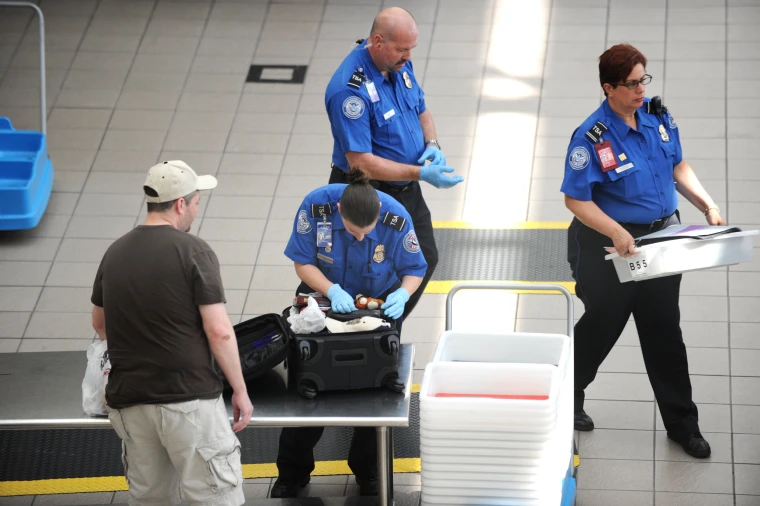
TSA agents screen millions of passengers every single day, and toiletry mix-ups are among the most common reasons bags get flagged at the checkpoint. Knowing whether you can take deodorant on a plane before you leave the house saves you time, stress, and the sad experience of watching your favorite stick get tossed in a bin.
The rules are actually pretty clear once you understand which type of deodorant you are dealing with — and that is exactly what this article breaks down.
Whether you are a first-time flier or a frequent traveler who just switched to a new brand, the type of deodorant in your bag matters a lot. Solid? Gel? Spray? Powder? Each one plays by slightly different rules at the security checkpoint.
Read on, and you will know exactly what to pack — and where to put it — every time you fly.
Key Takeaways
Yes, you can take deodorant on a plane — but the rules depend on what type you are packing. Solid stick deodorants are the easiest and have the fewest restrictions, making them the most travel-friendly choice. Gels, roll-ons, and sprays must be 3.4 ounces or less to ride in your carry-on, and anything larger belongs in your checked bag. Knowing your deodorant type before you reach the airport is the key to breezing through security without a second look.
| Deodorant Type | Allowed in Carry-On? | Size Limit | Allowed in Checked Bag? |
| Solid Stick | Yes | No strict limit | Yes |
| Gel / Roll-On | Yes | 3.4 oz or less | Yes |
| Spray / Aerosol | Yes | 3.4 oz or less | Yes — up to ~70 oz total |
| Powder | Yes | Under 12 oz recommended | Yes |
Traveling smart starts before you even reach the airport. Flying411 covers everything from travel tips to aircraft ownership guides — bookmark it before your next trip so you always have the answers you need.
What Type of Deodorant Are You Bringing on a Plane?
Before you worry about rules, you need to know what you are actually packing. Not all deodorant is the same, and the type you choose determines exactly which rules apply to you. There are four main types travelers usually pack, and each one is treated a little differently by airport security.
Solid Stick Deodorant — The Most Travel-Friendly Option
Solid stick deodorant is your best friend for air travel. It comes in a hard, dry form and does not count as a liquid or gel under TSA guidelines. That means it does not need to follow the strict size limits that apply to other types. You can pack a full-size solid stick in your carry-on without any issues — no size check, no liquids bag required.
The only time a solid stick might get a second look is if the X-ray image appears unusual. Dense solids can occasionally look odd on a screen, but a quick hand check resolves it in seconds. Check the label if you are ever unsure — it should say "solid" or show no liquid ingredients listed as the base formula.
PRO TIP Switching to a solid stick deodorant for travel is the single easiest packing decision you can make. No measuring, no bag, no stress.
Gel and Roll-On Deodorant — Watch the Size
Gel deodorants and roll-on deodorants are popular, but they fall squarely under TSA's liquid rules. That means 3.4 ounces or less is the limit for anything going in your carry-on. If your roll-on is larger than that, it needs to go in your checked bag — or get left at home.
Here is where a lot of travelers slip up. They grab their regular-size roll-on from the bathroom counter and toss it in their bag without checking the label. At the checkpoint, it gets flagged. Checking the fluid ounces takes about three seconds and saves a whole lot of hassle. Travel-size versions of most popular gel and roll-on brands are widely available and already meet TSA rules right out of the box.
KEEP IN MIND The container size is what matters — not how full it is. A mostly empty 4 oz roll-on still does not qualify for your carry-on.
Spray and Aerosol Deodorant — Rules on Both Ends
Yes, you can bring spray deodorant on a plane — but you need to follow the liquid rule for carry-ons and a few extra rules for checked bags. Aerosol deodorant in your carry-on must be 3.4 ounces or less and fit in your quart-sized liquids bag. Most standard spray cans are larger than 3.4 oz, so always check the label before you pack.
TSA guidelines also recommend that aerosol caps be secured to prevent accidental discharge. A spray that goes off inside a bag can damage your belongings and trigger a flagged bag inspection. For checked bags, the Federal Aviation Administration (FAA) sets specific volume limits — more on those in the checked baggage section below.
HEADS UP Many full-size aerosol deodorant cans exceed the 3.4 oz limit. Always check the label before assuming your spray can make it through security in your carry-on.
Powder Deodorant — Growing in Popularity, Easy to Travel With
Powder deodorants are a newer option that has been growing in popularity. They are generally treated like solid products by TSA, which means no liquid rules apply. That said, unusually large amounts of powder — typically anything over 12 ounces — can sometimes trigger extra screening at the checkpoint. Keeping it under 12 ounces in your carry-on is a safe and sensible habit.
If you have never tried powder deodorant, it is worth exploring for travel. It is lightweight, compact, and has no liquid content to worry about. Some travelers find it especially useful for long-haul international flights.
GOOD TO KNOW Powder deodorants over 12 oz in your carry-on may trigger additional screening. Under that amount, they move through security as easily as a solid stick.
Here is a quick summary of the four main types:
- Solid stick — Hard, dry, no liquid content. Most travel-friendly type.
- Gel / Roll-on — Water or gel base. Counted as a liquid by TSA.
- Spray / Aerosol — Pressurized canister. Has both liquid and aerosol rules.
- Powder — Dry powder formula. Generally treated like a solid.
Why Do Airlines Care About Deodorant on a Plane?
It might seem strange that a stick of deodorant gets so much attention at security. But there is a real reason behind it, and it has nothing to do with how you smell.
The concern is safety, not hygiene. Liquids, aerosol products, and pressurized containers can behave unpredictably at altitude. Aerosol cans are sensitive to pressure and temperature changes. In larger quantities, flammable aerosols in an enclosed aircraft cabin can create a genuine fire risk. That is why aviation authorities and security agencies set limits on what passengers can carry and how much.
The Real Reasons Behind the Liquid Rules
Here is what actually drives the restrictions:
- Pressure changes at altitude can cause aerosol cans to leak or, in rare cases, expand. Keeping quantities small reduces that risk inside the cabin.
- Flammability is a concern with some spray deodorants. Many aerosol products contain alcohol or other flammable propellants.
- Liquid explosive concerns came directly from security incidents in the mid-2000s. Aviation authorities worldwide tightened restrictions after it was discovered that certain liquid compounds could be used to make explosives. The 3.4-ounce rule was born from that.
- Screening accuracy matters too. Larger containers of liquids are harder for X-ray machines to evaluate clearly, which is why they get flagged more often.
WHY IT MATTERS The 3.4 oz liquid rule was not invented to inconvenience travelers — it was developed in direct response to real security threats. Every liquid in your carry-on bag, including your deodorant, falls under a system built to keep every passenger safer in the air.
Airlines themselves do not set these rules — they follow them. The regulations come from federal agencies and apply to every commercial flight in the country. Even private aviation and general aviation operations follow their own versions of these guidelines when commercial airports are involved.
Curious about how aviation regulations affect different types of flights? Flying411's guide on how to become a pilot walks through how aviators learn to operate within these frameworks from day one.
Who Sets the Rules for What You Can Take on a Plane?
The short answer: the Transportation Security Administration, better known as the TSA, sets the rules for what you can bring through airport security in the United States. The TSA operates under the U.S. Department of Homeland Security and has authority over every checkpoint at every major U.S. airport.
The TSA 3-1-1 Rule Explained
The TSA created the 3-1-1 rule as a standardized system for liquids and gels in carry-on bags. The name refers to three straightforward guidelines:
- 3.4 ounces or less per container
- 1 quart-sized clear plastic bag per passenger
- 1 bag per person, placed in the screening bin
This rule applies to all liquids, gels, creams, and aerosols in your carry-on — including gel and spray deodorants. If your deodorant falls into one of those categories and exceeds 3.4 ounces, it will not make it through security in your carry-on.
FUN FACT The 3-1-1 liquid rule has been in place in some form since around 2006, following security investigations that changed how aviation authorities worldwide approach liquids at checkpoints.
The FAA's Role in Checked Baggage Rules
The TSA handles security screening, but the FAA handles safety regulations for what can fly in the cargo hold. For aerosol products specifically, the FAA sets limits on total quantities allowed per passenger. These are two separate agencies with two separate but overlapping sets of rules, and it helps to know which one applies to which part of your bag.
What About International Flights?
International travelers should know that other countries have their own aviation security rules. Some are stricter than U.S. standards, and some are broadly similar. If you are flying internationally, it is worth checking the rules for your destination country in addition to TSA guidelines. The European Union, the United Kingdom, Australia, and Canada all maintain their own liquid restriction policies that may differ from the U.S. standard.
QUICK TIP Before any international trip, look up the airport security rules for the country you are flying into — especially if you have a connecting flight. Liquid rules can vary just enough to cause problems at a foreign checkpoint.
How to Pack Deodorant for a Flight Without Getting Stopped
Packing deodorant for a flight does not have to be complicated. But a lot of travelers still get stopped at security because they did not check the type or size of what they packed. Here is a complete breakdown of how to handle every kind so you can bring deodorant on a plane without any surprises.
Solid Stick: The Easiest Carry-On Option
A solid stick does not count as a liquid or gel under TSA rules, which means the 3-1-1 rule simply does not apply to it. You can pack a full-size solid stick in your carry-on without putting it in a liquids bag or checking the ounce count.
- No size restrictions for carry-ons
- No need to place it in your quart-sized bag
- Full-size sticks are completely fine
- Works for short trips and long-haul flights alike
Gel and Roll-On: Check the Label Before You Pack
Gel and roll-on deodorants must be 3.4 oz or less per container in your carry-on. The container size is what matters — not how full it is. A mostly empty 4 oz roll-on still does not qualify. Travel-size versions are widely available at most drug stores and are a smart buy before any trip.
Many stores now sell travel-sized gel and roll-on deodorants specifically sized for air travel. These are usually at or under 3.4 ounces (100 milliliters) and already meet TSA rules right out of the package.
Spray Deodorant: Carry-On and Checked Bag Rules
Spray deodorant follows the liquid rule for carry-ons — 3.4 oz or less, placed in your quart-sized bag. Most standard spray cans are larger than 3.4 oz, so always check before you pack. TSA also recommends securing the cap on any aerosol to prevent accidental discharge.
For checked bags, the FAA allows larger aerosol containers but sets overall limits. Each aerosol container should not exceed around 17 fluid ounces, and the total amount of aerosols per passenger is generally capped at around 68 fluid ounces. Deodorant aerosols fall into the "toiletry" category, which is treated more leniently than other aerosols, but the limits still apply.
Where in Your Bag Should Each Type Go?
A little organization goes a long way at the security checkpoint. Here is a simple placement guide:
- Solid stick — Anywhere in your carry-on. No special placement needed.
- Gel or roll-on (travel size) — In your clear, quart-sized bag with your other liquids. Pull this bag out at the checkpoint for screening.
- Spray (travel size) — Same as gel — quart-sized bag, pulled out at screening.
- Full-size anything — In your suitcase or checked baggage, packed securely with lids on tight.
PRO TIP Pack your quart-sized liquids bag at the very top of your carry-on so it is easy to pull out quickly at the checkpoint. This one habit makes security lines noticeably faster for you and everyone behind you.
What You Can Pack in Checked Bags: Full-Size Deodorant Rules
If you want to bring a full-size deodorant — especially a large spray or gel — your checked bag is the right place for it. The rules are more relaxed here, but they are not unlimited. Here is how it breaks down:
| Deodorant Type | Checked Bag Rules | Notes |
| Solid Stick | No size limit | Secure the cap |
| Gel / Roll-On | No size limit | Secure the cap to avoid leaks |
| Spray / Aerosol | Up to ~17 fl oz per can; ~68 fl oz total | FAA toiletry limits apply |
| Powder | No strict limit | Pack securely to avoid mess |
GOOD TO KNOW Solid sticks and roll-ons have no size restrictions in checked bags. You can pack a full-size roll-on or gel without any problem — just make sure lids are secure so nothing leaks onto your clothes.
When Does TSA Flag Your Deodorant — and What Happens Next?
TSA agents are trained to look for specific things on X-ray screens, and certain deodorants do trigger extra attention. Knowing when it happens — and what to do — takes all the stress out of it.
Common Reasons Deodorant Gets Flagged
- Oversized containers — Any liquid or spray over 3.4 oz in a carry-on will be flagged immediately.
- Missing from the liquids bag — Gels or roll-ons found loose in your bag can cause delays at the checkpoint.
- Unlabeled containers — If TSA cannot clearly identify what something is, they may open the bag for a closer look.
- Dense solid items — Occasionally, a solid stick looks unusual on X-ray. It is rare and usually resolved quickly with a hand check.
- Large powder amounts — More than 12 oz of powder can trigger additional screening.
What Happens If TSA Confiscates Your Deodorant?
If your deodorant does not meet carry-on rules — usually because it is too large — a TSA agent will ask you to either place it in a checked bag, surrender it, or leave it behind. You will not be fined or penalized. The agent will give you a moment to decide, but the item cannot go through the checkpoint if it violates the rules.
If your bag is checked on the spot, expect a short delay while it is transferred. If you have to surrender the item, you can usually buy a replacement at shops located past the security checkpoint — though prices at airport shops may be higher than regular retail.
HEADS UP Getting a deodorant confiscated at security is frustrating but not the end of the world. Most airports have shops past the checkpoint where you can pick up a replacement. Travel-size options are almost always available.
TSA Rules vs. International Security Rules for Deodorant
TSA rules apply to security screening in the United States before your departure. Once you land abroad, the rules of your destination country apply for any connecting or return flights. The good news is that many countries follow similar liquid restrictions — but there are enough differences to be worth checking.
How U.S. Rules Compare to Other Countries
| Country / Region | Liquid Limit | Notes |
| United States | 3.4 oz / 100 ml per container | TSA 3-1-1 rule |
| European Union | 100 ml per container | Same limit, similar enforcement |
| United Kingdom | 100 ml per container | Post-Brexit rules broadly align |
| Australia | 100 ml per container | Very similar to U.S. and EU rules |
| Canada | 100 ml per container | CATSA rules align closely with TSA |
Always check the aviation security guidelines of any country you are flying through, not just where you land. A connecting flight in a different country means clearing that country's security — and their rules apply.
Interested in how international aviation routes and aircraft performance factor into long-haul travel? Check out Flying411's look at the best planes for flying internationally to see how aircraft are designed for the demands of global routes.
FUN FACT The 100 ml (roughly 3.4 oz) liquid limit used by most countries is said to have originated from coordinated international aviation security discussions, which is part of why so many countries share a nearly identical standard today.
Practical Tips for Packing Deodorant on Every Trip
You know the rules. Now here are some practical habits that make packing deodorant for any flight faster and easier — whether you are taking a quick domestic hop or a long international journey.
Short Domestic Trips: Keep It Simple
For trips of a day or two, a travel-size solid stick or a small gel roll-on is all you need. Grab a travel-size option before you leave, and it lives in your liquids bag ready to go. This eliminates the need to check your full-size deodorant every time you fly.
- Keep a dedicated travel toiletry kit packed and ready between trips
- Use a solid stick to eliminate the liquids bag step entirely for short travel
- Label your travel kit with your name in case it gets separated from your bag
Long Hauls and International Travel: Plan for the Full Journey
For longer trips, think about deodorant from two angles: what you need during travel, and what you need at your destination. A travel-size option handles the journey itself. A full-size version can be packed in your checked bag, or purchased at your destination if you are traveling light.
- Full-size sticks and gels are fine in checked bags — no size limit
- Aerosol sprays in checked bags must stay within FAA volume limits
- Consider buying deodorant at your destination to save checked bag space
- If staying somewhere with easy shopping access, skip packing it altogether
QUICK TIP One of the easiest travel hacks is keeping a pre-packed mini toiletry bag in your travel backpack year-round. Fill it with travel-size versions of everything you use daily — including deodorant — and you will never have to think about TSA rules again.
What This Has to Do With Flying Beyond the Basics
Most people think of TSA rules as a passenger issue — something to deal with before you board. But for aviation enthusiasts, aircraft owners, and aspiring pilots, understanding how regulatory frameworks work at the passenger level is just the beginning of a much deeper world of aviation rules and systems.
Commercial aviation involves layers of safety oversight that touch everything from what passengers carry to how much fuel a Boeing 747 can hold. Private aviation adds its own complexity, with aircraft ownership and operations governed by a separate set of FAA regulations that go well beyond TSA checkpoints.
If you have ever wondered why certain areas of the globe remain off-limits for most commercial routes, the reasons involve aviation safety rules that go far beyond what fits in a quart-sized bag. Flying411's piece on why Antarctica is a no-fly zone is a fascinating look at how geography, safety, and regulation shape where planes can and cannot go.
WHY IT MATTERS TSA rules, FAA regulations, and international aviation security guidelines are all part of the same broader system that makes air travel one of the safest forms of transportation in the world. Understanding even the basics — like what your deodorant type means at a checkpoint — builds a foundation for understanding how aviation works at every level.
Conclusion
Packing deodorant for a flight really comes down to one thing: knowing what type you have and where it needs to go. Solid sticks are the easiest — no size limits, no liquids bag required. Gels, roll-ons, and sprays need to be 3.4 ounces or less to ride in your carry-on, and anything bigger belongs in your checked bag. Powder deodorants travel like solids, though keeping them under 12 oz in your carry-on is a smart habit.
Follow those basics and you will sail through security without a second look. The rules are not complicated once you know them — and now you do.
For more helpful travel and aviation tips, Flying411 is a great resource to bookmark before your next trip. Safe travels — and yes, you are absolutely allowed to smell great at 30,000 feet.
Frequently Asked Questions
Can you take deodorant on a plane in your carry-on?
Yes. Solid stick deodorants have no size restrictions in carry-ons. Gel, roll-on, and spray deodorants must be 3.4 ounces or less and placed in your quart-sized liquids bag. Any type larger than 3.4 oz must go in your checked bag.
Can I bring two deodorants on a plane?
Yes. If they are solid sticks, there is no carry-on limit on quantity. If they are gels or sprays, each one must be 3.4 oz or less, and they all need to fit within your single quart-sized liquids bag. If you run out of room in the bag, the extras go in your checked bag.
Does TSA consider deodorant a liquid?
It depends on the type. Solid stick deodorants are not considered liquids by the TSA. Gel, roll-on, and spray deodorants are classified as liquids or gels and must follow the 3-1-1 rule in carry-ons. A simple rule of thumb: if it smears or sprays, it is likely counted as a liquid.
Can you bring spray deodorant on a plane?
Yes, but only in a container of 3.4 oz or less for carry-ons. Most standard spray cans are larger than 3.4 oz, so check the label before packing. Full-size aerosol sprays can go in your checked bag, subject to FAA volume limits.
What happens if TSA confiscates your deodorant?
If your deodorant does not meet carry-on rules — usually because it is too large — a TSA agent will ask you to either place it in a checked bag, surrender it, or leave it behind. You will not be fined or penalized. Most airports have shops past the checkpoint where you can buy a replacement.
Do TSA deodorant rules change for international flights?
TSA rules apply to U.S. security screening before departure. Once you land abroad or take a connecting flight, the rules of your destination country apply. Most major countries use a 100 ml (3.4 oz) liquid limit similar to the U.S. standard, but it is always worth checking the aviation security guidelines of any country you are flying through.
What is the best type of deodorant to bring on a plane?
A solid stick deodorant is the most travel-friendly option. It has no size restrictions for carry-ons, does not need to go in a liquids bag, and is available in full size without any security concerns. For travelers who prefer gels or sprays, a travel-size version (3.4 oz or less) is the next best choice.
Is powder deodorant allowed on planes?
Yes. Powder deodorant is generally treated like a solid product by TSA and does not fall under the liquid rules. Amounts over 12 oz in your carry-on may trigger additional screening, so keeping it under that amount is a good habit. There are no strict size limits for powder deodorant in checked baggage.
Can you buy deodorant after passing through airport security?
Yes. Most airports have shops, convenience stores, or pharmacies located past the security checkpoint where you can buy deodorant. Prices may be higher than regular retail, but it is a reliable backup if your deodorant gets confiscated or you forgot to pack one.
What is the TSA 3-1-1 rule and how does it apply to deodorant?
The TSA 3-1-1 rule means: 3.4 oz or less per container, placed in 1 quart-sized clear plastic bag, and 1 bag per person. Gel, roll-on, and spray deodorants fall under this rule in carry-ons. Solid stick and powder deodorants do not — they are exempt from the liquid restrictions and can be packed freely in your carry-on.