So, you're ready to build flight time and take that next big step in your aviation journey—awesome! Whether you’re a private pilot, working toward your CPL, or planning to become an airline pilot, one thing is clear: you need a good airplane to build time.
But the thing is—buying a plane, or even just picking the best aircraft for time building, isn’t as simple as grabbing the cheapest thing with wings. There are tons of choices out there—Cessna, Piper, Mooney, Cub, you name it—and each has its pros and cons.
This guide will go into detail on what time building actually means, what makes a plane worth owning (or not), and which models are popular picks for pilots who just want to fly a lot—without spending a fortune. Let’s jump in and get the hours you need!
What is Time Building and Why Does It Matter?
Time building (or hour building) is exactly what it sounds like: flying as much as you can to gain flight hours. This is something most professional pilot hopefuls go through—especially those looking to hit minimum flight hour requirements for flight school, a CPL, or the airlines.
Let’s say you already earned your private pilot certificate. That’s great—but now you want to work as a CFI, get your instrument rating, or qualify for a job flying commercially. You’ll need to build time fast—and often on a budget.
There are many ways to build hours:
- Rent from a flight school
- Join a club
- Pay per hour with a CFI
- Or go all in by purchasing an aircraft
Most pilots eventually realize that owning a plane, even if it's expensive to buy upfront, can be cheaper than renting in the long run—especially if you want to log a hundred hours or more in a year.
That’s where time-building aircraft come in. These are usually entry-level, cheap to operate, and easy to fly. Let’s look at what makes a good pick.
What Are The Key Factors to Consider When Choosing a Plane?
Choosing a capable airplane for time building isn’t just about price—it’s about value, safety, and the kind of flying you want to do. Here are the most important things to look at:
1. Price and Operating Costs
If you're looking for an aircraft to build hours, you probably want something as cheap as possible. But be careful—some planes may seem cheap to buy but cost more to run.
- Fuel-efficient engines like the Rotax 912 can save you money.
- Light aircraft with an 85 hp or 150 hp engine tend to burn less fuel.
- Consider total aircraft values over time—include insurance, hangar, maintenance, and avionics updates.
2. Maintenance and Parts Availability
You’ll want something easy to maintain. Planes like the Cessna 150, Cessna 172, and Piper Cherokee 180 are widely used, so parts and support are easy to find.
- Older planes may need STC (Supplemental Type Certificate) upgrades.
- Make sure you can access a good A&P mechanic.
- Always get a good pre-buy inspection before closing a deal.
3. Useful Load and Seating
Even if it’s just you in the cockpit, a decent useful load gives you more options for fuel, passengers, or gear. A C172 can carry more than a Cessna 150, but at a higher price.
4. Flight Characteristics and Performance
Low-time pilots often choose planes with docile flight characteristics. Here's a quick look at popular options:
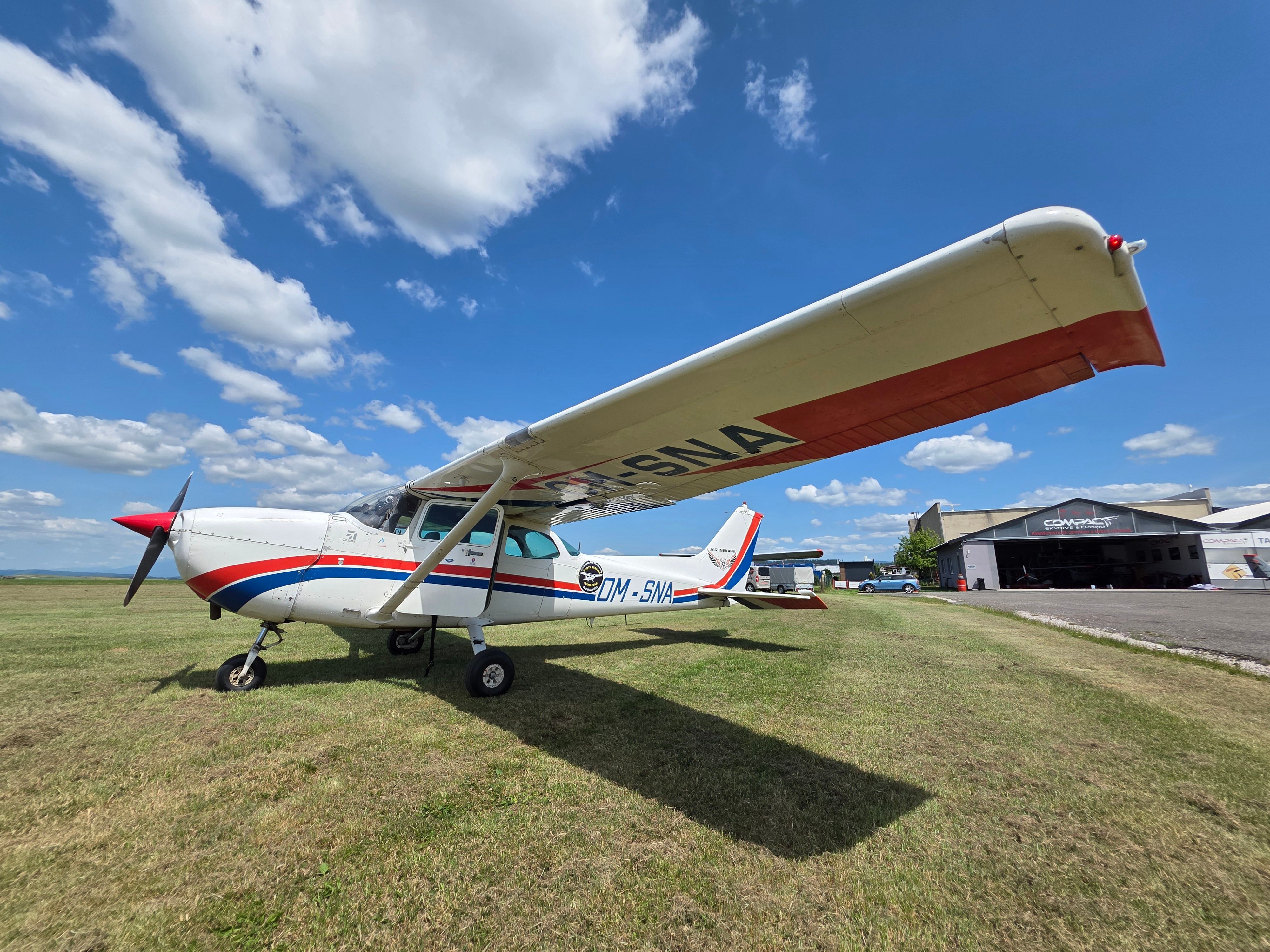
- Cessna 150: Great for solo flying and hour building.
- Cessna 172: More room and range, common in flight training.
- Piper Cherokee 180: Low wing, solid performance, often cheaper than a 172.
- Cub or tailwheel models: Great if you want tailwheel time, but they can be trickier to land.
5. Ownership vs Renting
If you plan to fly a lot, owning a plane may be the best move. You’ll avoid scheduling issues and might even enjoy owning. But don’t forget:
- You’ll pay for storage (hangar or tie-down).
- You’ll handle aircraft maintenance and insurance.
- Think long-term: aircraft ownership can pay off if you fly 50–100 hours a year.
Still not sure if it’s worth it? Many pilots use aviation forums to compare vs buying or instead of renting. You can even go in with a partner to share the costs.
Top Picks: Best Planes to Build Flight Time
Now that you know what to look for, let’s go over some of the most popular planes time builders choose. These planes are known for being simple, safe, and budget-friendly. They’re perfect if you want to build hours cheaply, without sacrificing quality or fun.
1. Cessna 150 / 152
- Why it’s great: Super affordable, easy to fly, and burns very little fuel.
- Perfect for: Solo pilots or small-framed friends.
- Engine power: Around 100 hp, fixed propeller.
- Downside: Limited space and useful load, not ideal for two large adults or long trips.
These are top picks on nearly every forum → aircraft discussions when folks are talking about hour building on a tight budget.
2. Cessna 172 (C172)
- Why it’s great: More room than a 150, carries passengers, and easy to find parts.
- Perfect for: Pilots wanting to train or share time with others.
- Useful for: Cross-country flying or prepping for an instrument rating.
If you're planning to fly 50 hours or more in the next few months, this might be the sweet spot. Many schools and aircraft owners love this model for its reliability.
3. Piper Cherokee 140 / 180
- Why it’s great: Stable low wing design with solid handling.
- Perfect for: Students looking for a sturdy platform to train in.
- Bonus: Often cheaper than similar Cessnas.
These are great if you like a slightly sportier feel but don’t want to jump into high performance territory just yet.
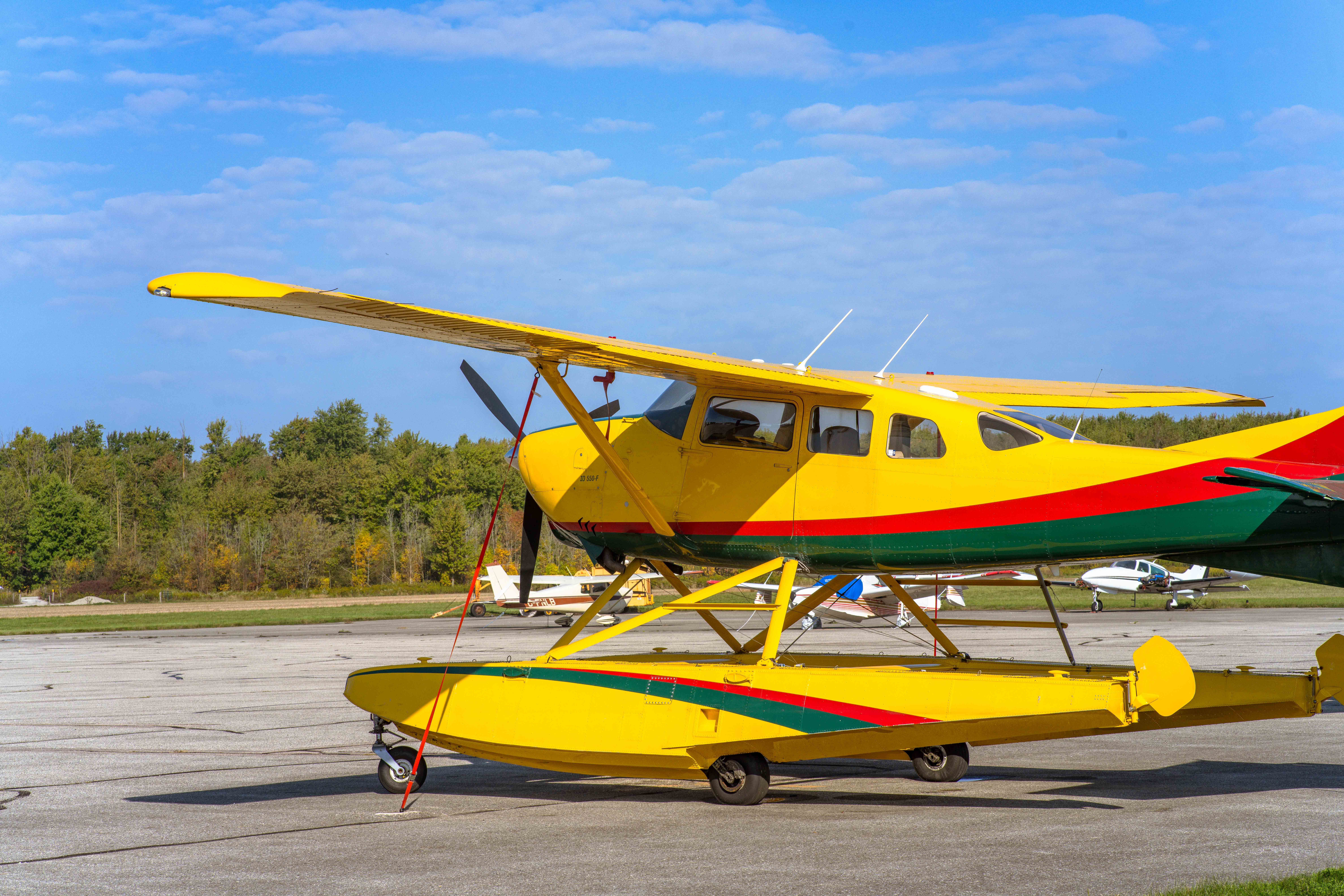
4. Tailwheel Aircraft (Cub, Citabria, etc.)
- Why it’s great: Helps you build tailwheel time, which can set you apart.
- Perfect for: Pilots planning to fly bush planes or tow gliders.
- Warning: Harder to land, so not ideal if you’re still very low time.
Tailwheel planes look fun—and they are—but make sure you’re ready for the extra challenge.
5. Mooney M20
- Why it’s great: Fast, efficient, and stylish.
- Perfect for: More experienced time builders or those working toward high performance endorsements.
- Watch out: Maintenance can cost more, and it's not the best for complete beginners.
This isn’t a plane you'd pick if you still need to rent a lot or haven't flown much solo yet—but if you want to step things up, it's worth considering.
6. Multi-Engine Trainers (Like Beechcraft Duchess)
- Why it’s great: You can build it multi time.
- Perfect for: Pilots headed for the airline track.
- Cost: Much higher fuel and maintenance, but often worth it.
You probably won’t use a multi for all your time building, but doing some multi hours early can help later on when applying for commercial jobs.
Who Should Consider Buying a Time-Building Plane?
If you’ve already flown solo and are serious about reaching airline or commercial goals, you might be ready. Here’s a simple checklist:
- You have at least 50–100 hours and want to build hours faster
- You’re tired of having to need to rent every weekend
- You want to enjoy owning and flying on your schedule
- You’re ready to learn about aircraft ownership and maintenance
Even if you’re not sure, talking to current aircraft owners or hanging out in a local aviation group can help. Lots of people share tips in a good forum → aircraft section—just ask!
Buying a plane isn’t for everyone. But if you want freedom, flexibility, and lower costs per hour over time, it’s a great step.
Conclusion
Choosing the best plane for time building doesn’t have to be stressful. Think about your goals, your budget, and how much you really want to fly. No matter if you're a time builder who needs a few hundred hours fast, or just someone who’d like to fly more often, there’s a plane out there that fits.
Remember, a good prebuy, smart finance planning, and picking a reliable airframe can save you a lot of trouble down the road. Whatever path you take—rent, buy, or join a club—just keep your logbook growing and your dreams in sight.
Want help finding your next plane? Check out Flying411—we make it easy to find, compare, and shop aircraft with confidence.
FAQs
1. How many hours do I need to start time building?
Once you have your private pilot license, you can start building hours toward commercial goals.
2. Is it better to rent or buy a plane for an hour building?
If you plan to fly 50–100 hours a year, buying a plane may be cheaper than renting.
3. What’s the cheapest plane to operate?
Planes with Rotax 912 engines or older Cessna 150s are often the cheap to operate options.
4. Should I get a tailwheel plane?
Only if you want to build tailwheel time or fly in backcountry conditions—it’s not required for airline jobs.
5. Do I need to log all hours with a CFI?
Not always. Only specific hours (like for an instrument rating) require a CFI present.