If you've ever looked up at the sky and wondered why some planes seem to slice through the air like a rocket while others hum along at a more relaxed pace, you're already asking the right question. The airplane vs jet difference isn't simply about size or speed — it goes all the way down to how the engine works, who's flying it, and what it costs to keep it in the air.
Most people use the words "airplane" and "jet" interchangeably, and honestly, that's understandable. Both fly. Both carry people or cargo. But once you start looking under the hood — or in this case, under the wing — you'll find that the differences are pretty significant.
Whether you're a prospective buyer, a student pilot, or just someone who loves aviation, understanding these distinctions can help you make smarter decisions.
Key Takeaways
The core airplane vs jet difference comes down to propulsion: a jet uses a turbine engine that pushes the aircraft forward with a high-speed stream of hot exhaust, while a traditional airplane uses a piston engine to spin a propeller that pulls or pushes it through the air. Jets are generally faster, fly higher, and travel farther — but they cost significantly more to buy and operate. Piston-powered airplanes are more affordable, easier to maintain, and better suited for shorter regional trips or flight training.
| Feature | Piston Airplane | Jet Aircraft |
| Engine Type | Piston / Reciprocating | Turbine (Turbojet, Turbofan, Turboprop) |
| Typical Speed | 100–200 mph | 400–600+ mph |
| Typical Range | 300–1,000 miles | 1,000–7,000+ miles |
| Cruise Altitude | 5,000–15,000 ft | 25,000–45,000 ft |
| Fuel Type | Avgas (100LL) | Jet-A Fuel |
| Acquisition Cost | $30,000–$500,000+ | $1M–$70M+ |
| Best For | Training, short hops, recreation | Business travel, long-haul, cargo |
| Maintenance Complexity | Moderate | High |
| Pilot Certification | Private/Commercial | ATP or Type Rating often required |
At Flying411, we help pilots and aviation enthusiasts navigate every corner of the aircraft world — from first-time buyers to seasoned operators looking to upgrade.
What Exactly Is an "Airplane"?
Before comparing the two, it helps to get the definitions straight. In the broadest sense, an airplane is any powered, fixed-wing aircraft that generates lift through its wings and moves through the air using some form of engine. That's a wide definition — and it actually includes jets.
So technically, all jets are airplanes. But not all airplanes are jets.
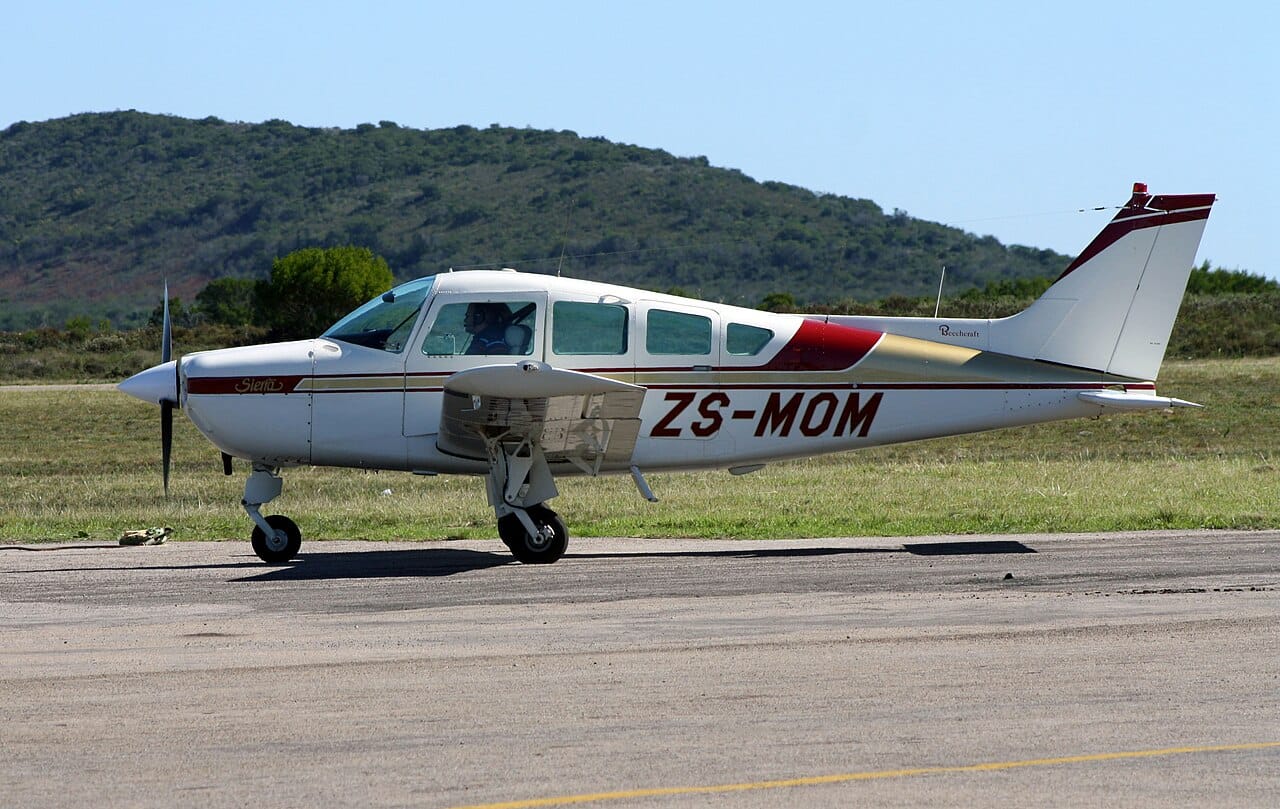
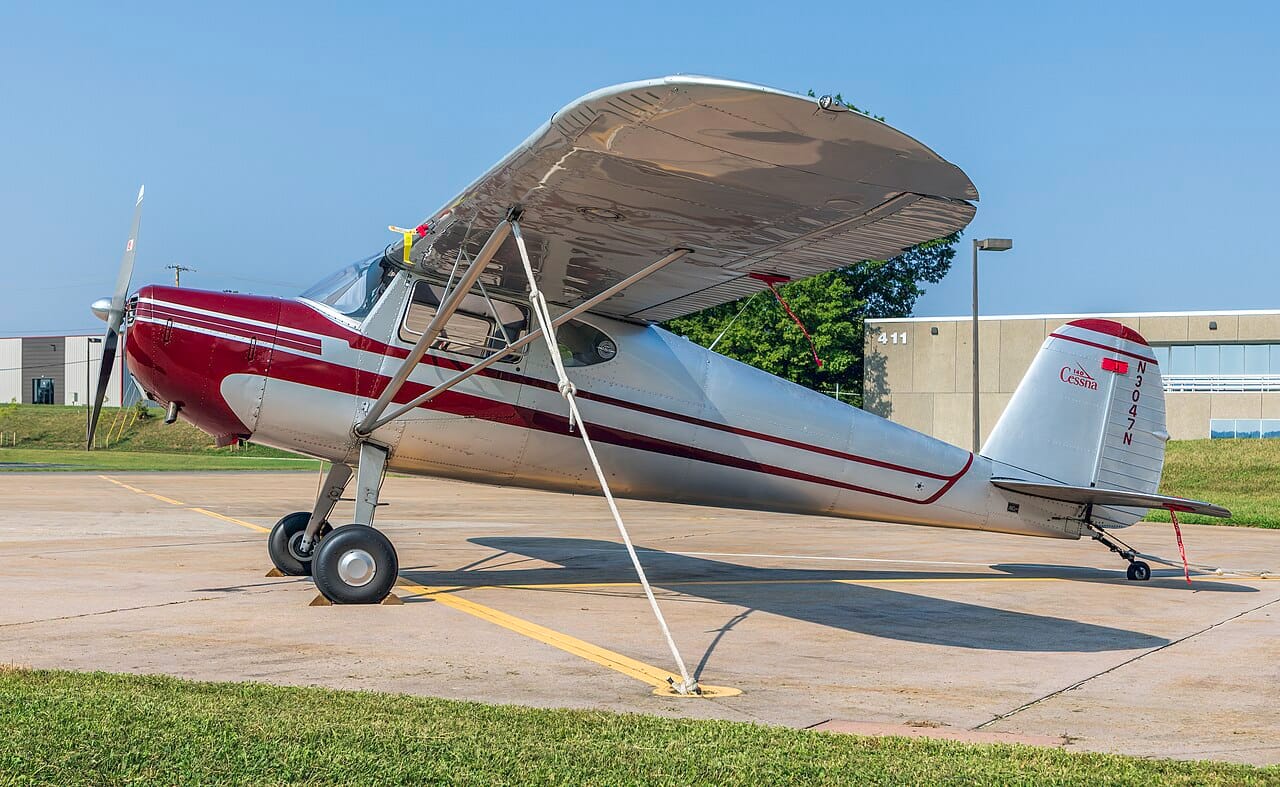
In everyday conversation, though, when someone says "airplane," they usually mean a piston-powered aircraft — the kind with a propeller you can see spinning at the front (or sometimes the rear). Think of a Cessna 172, a Piper Cherokee, or a Beechcraft Bonanza. These are the workhorses of general aviation, flight schools, and recreational flying.
The Piston Engine Explained
A piston engine in an aircraft works a lot like a car engine. Fuel mixes with air inside cylinders, ignites, and pushes pistons up and down. That motion spins a crankshaft, which in turn spins the propeller. The propeller then bites into the air and moves the plane forward.
Simple, reliable, and relatively inexpensive to maintain — which is why piston planes dominate the entry-level and training markets.
Fun Fact: The Wright Brothers' famous 1903 Flyer used a custom-built piston engine producing roughly 12 horsepower — about the same as a small riding lawn mower today.
What Makes a Jet a Jet?
A jet aircraft uses a turbine engine, which operates on an entirely different principle. Instead of pistons, a jet engine uses a series of spinning blades (the turbine) to compress incoming air, mix it with fuel, ignite it, and blast it out the back at extremely high speed. That high-speed exhaust is what pushes the aircraft forward — a principle based on Newton's Third Law of Motion (for every action, there is an equal and opposite reaction).
There are several types of jet engines used in aviation:
- Turbojet – The original jet engine design. Pure jet propulsion. Efficient at high speeds and high altitudes. Less common in modern commercial aircraft but still used in some military jets.
- Turbofan – The most common engine type on commercial airliners today. It adds a large front fan that moves a huge volume of air around the core, making it much quieter and more fuel-efficient than a turbojet.
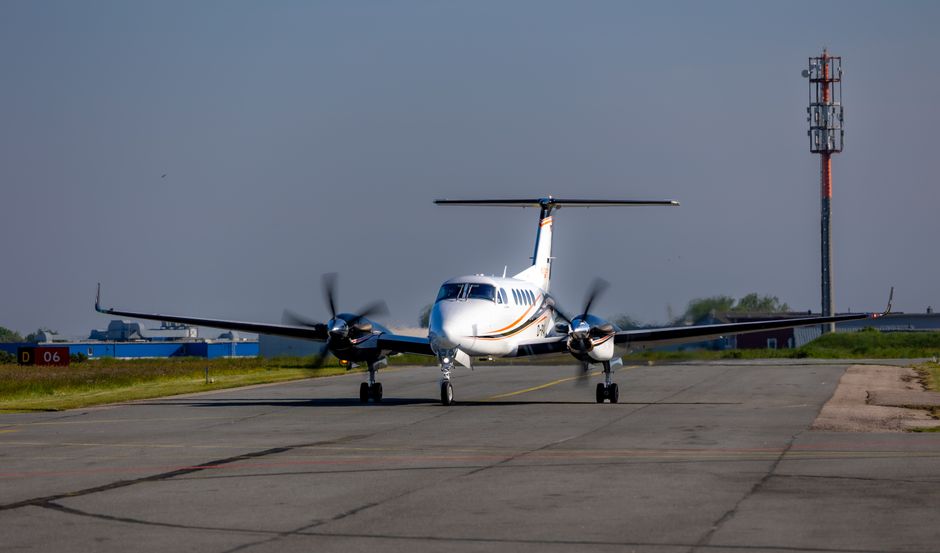
- Turboprop – A turbine engine that drives a propeller rather than producing pure jet thrust. A hybrid of sorts — looks like a prop plane, but uses jet-engine technology internally. Great for regional travel.
- Turboshaft – Similar to turboprop, but primarily used in helicopters to drive a rotor system instead of a propeller.
Good to Know: Turboprop aircraft are a fascinating middle ground. Planes like the Beechcraft King Air and the Pilatus PC-12 use turbine engines to turn propellers, giving them many of the reliability advantages of a jet with lower operational costs than a full business jet.
The Real Airplane vs Jet Difference: A Deeper Look
Now that the basics are in place, here's a more thorough comparison across the most important factors for buyers, pilots, and aviation enthusiasts.
Speed
This is the most obvious difference. Piston airplanes typically cruise between 100 and 200 miles per hour. That's perfectly comfortable for a short regional hop, but a cross-country flight from New York to Los Angeles would take many hours.
Jets, by contrast, typically cruise between 400 and 600+ miles per hour. Large commercial airliners cruising at 35,000 feet often hit around 575 mph. Business jets like the Gulfstream G700 can cruise at similar speeds, cutting that cross-country trip to around five hours.
Speed isn't just about comfort — it's a practical business consideration for anyone who flies regularly.
Altitude
Piston engines need oxygen to combust fuel, and the air gets much thinner as you climb. Most piston planes operate comfortably below 15,000 feet, and many aren't pressurized, meaning passengers breathe the outside air (with supplemental oxygen required above 12,500 feet in many cases).
Jets thrive at altitude. Turbine engines are designed to perform at high altitudes where the air is cold, thin, and smooth. Most business jets and commercial airliners cruise between 35,000 and 45,000 feet — well above weather systems and most commercial air traffic.
Pro Tip: Flying at higher altitudes means smoother air, shorter routes (due to favorable winds), and better fuel efficiency for turbine engines. That's a big part of why jets cost less per mile than you might expect at full capacity.
Range
A typical single-engine piston plane might have a usable range of 500–900 miles before needing to refuel. That limits where you can go nonstop.
Jets change that picture dramatically. A midsize business jet like the Citation Latitude can fly roughly 2,700 nautical miles nonstop. Ultra-long-range jets like the Gulfstream G700 or Dassault Falcon 10X are capable of flying well over 7,000 nautical miles — enough to connect the US East Coast to destinations in Asia without stopping.
Fuel and Operating Costs
Here's where things get real. Piston planes use Avgas (100LL), a leaded aviation gasoline similar to car fuel, though distinct from it. It's sold by the gallon at most small airports and general aviation fields.
Jets run on Jet-A fuel, a kerosene-based fuel that burns differently and is much more energy-dense. Jet-A is generally less expensive per gallon than Avgas, but jets burn far more of it — sometimes hundreds of gallons per hour.
| Operating Cost Factor | Piston Airplane (Single-Engine) | Light Business Jet |
| Fuel Burn (per hour) | 8–15 gallons | 80–200+ gallons |
| Fuel Cost (approx. per hour) | $60–$150 | $400–$1,500+ |
| Annual Maintenance | $5,000–$20,000 | $50,000–$200,000+ |
| Hangar Fees (annual) | $2,000–$10,000 | $10,000–$50,000+ |
| Typical Hourly Operating Cost | $100–$250 | $1,500–$4,000+ |
These figures are approximate ranges and can vary widely based on location, aircraft age, and usage.
Why It Matters: Operating costs are often the deciding factor for aircraft buyers. A jet may get you there faster, but the ongoing expense of ownership — fuel, maintenance, crew, insurance, and hangar fees — adds up quickly.
Pilot Requirements
To fly a basic piston-powered airplane, you need at minimum a Private Pilot License (PPL), which typically requires around 40 hours of flight time (though most students take 60–70 hours to reach test-ready proficiency).
Jets are a different story. Flying a jet usually requires a Commercial Pilot License (CPL) and often an Airline Transport Pilot (ATP) certificate. Many jets also require a specific type rating — a certification tied to that particular aircraft model — which involves additional training, simulator time, and testing. This adds considerable cost and time to the path of a jet pilot.
Keep in Mind: Some light jets and very light jets (VLJs) have lower pilot certification requirements, but they still typically require an instrument rating and significant flight experience to operate safely.
Types of Aircraft That Blur the Line
The airplane vs jet difference isn't always black and white. Some categories of aircraft occupy interesting middle ground.
Turboprop Aircraft
As mentioned earlier, turboprops use jet engine technology to spin a propeller. Popular models include:
- Cessna Caravan – A workhorse turboprop used for cargo, bush flying, and regional airline operations
- Pilatus PC-12 – A high-performance single-engine turboprop popular for private and business travel
- Beechcraft King Air series – Twin-engine turboprops widely used in corporate and medevac operations
Turboprops sit between piston planes and jets in terms of speed, cost, and complexity. For many operators, they represent the sweet spot.
Very Light Jets (VLJs)
Planes like the Cirrus Vision Jet (SF50) and the Embraer Phenom 100 represent a newer category designed to make jet travel more accessible. VLJs typically seat fewer than 6–8 passengers, cruise at jet speeds, but cost significantly less than traditional business jets — sometimes in the $2–$3 million range for a used aircraft.
Fun Fact: The Cirrus SF50 Vision Jet is the world's best-selling single-engine personal jet, often favored by owner-pilots transitioning from piston aircraft.
If you're weighing aircraft categories for purchase, Flying411 connects buyers and sellers across all types — from piston trainers to business jets.
Fixed-Wing vs. Rotary-Wing: Another Key Distinction
All of the aircraft we've discussed so far — piston planes and jets alike — are fixed-wing aircraft, meaning their wings are stationary and generate lift by moving through the air. This is distinct from rotary-wing aircraft like helicopters, which generate lift by spinning their rotor blades.
If you're curious about how fixed-wing aircraft compare to helicopters and other rotary-wing aircraft in terms of performance, cost, and use cases, the team at Flying411 has put together a solid breakdown of fixed-wing aircraft vs rotary-wing aircraft that covers those distinctions in detail. And if you want to go even deeper into rotary-wing categories, their guide on rotary-wing aircraft vs helicopters is worth a read.
Military Aircraft: Jets in a League of Their Own
When it comes to military aviation, jets dominate. Modern military jets operate at speeds and altitudes that make commercial aviation look leisurely. The differences between branches also matter — pilots and aviation enthusiasts often debate the capabilities of US Navy planes vs Air Force aircraft, and there are genuinely fascinating distinctions in how each branch designs and deploys its aircraft.
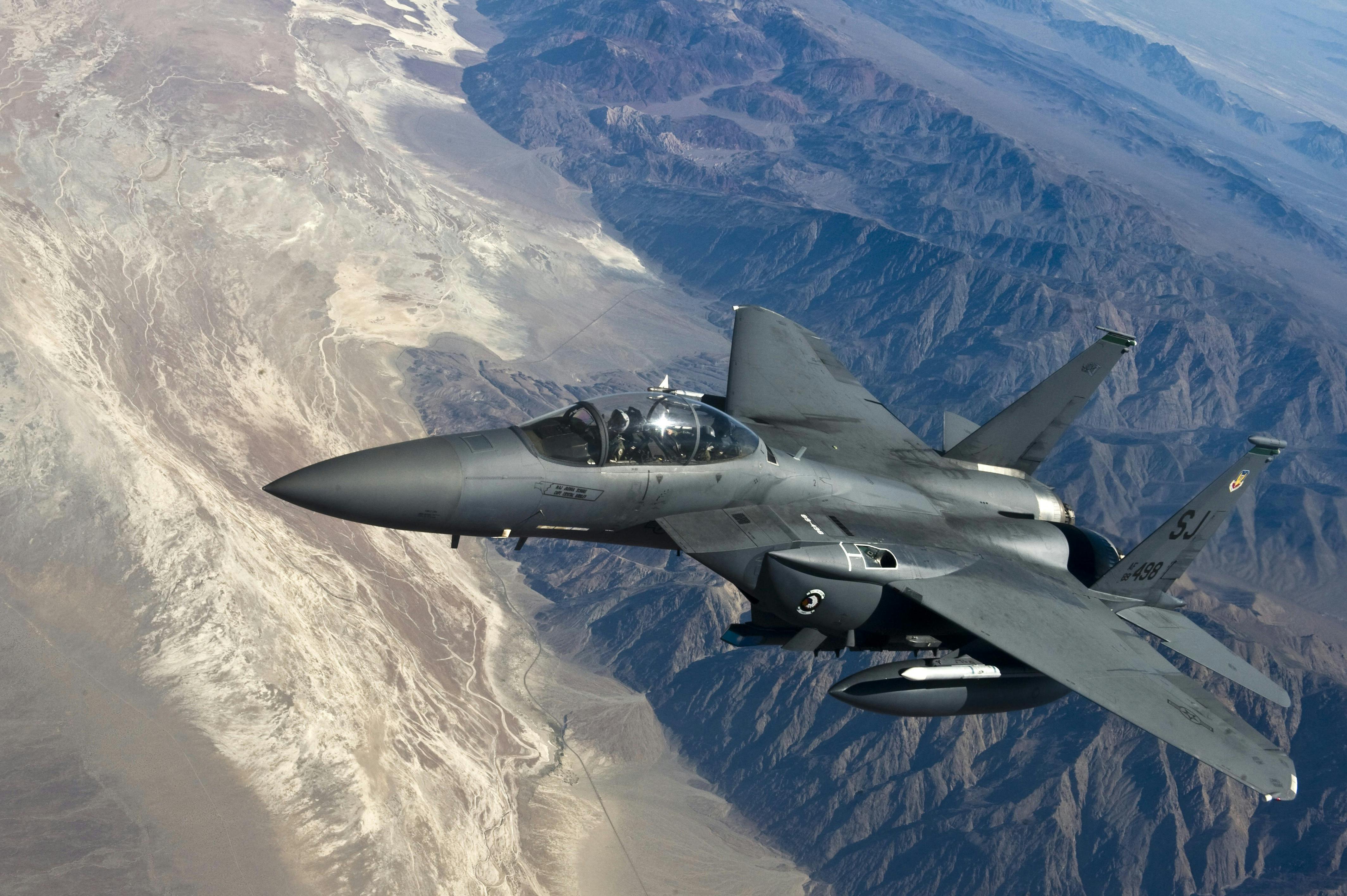
Military jets like the F/A-18 Hornet, F-35 Lightning II, and B-2 Spirit use turbofan engines engineered for extreme performance — not just speed, but maneuverability, stealth, and reliability under combat conditions. These are a world apart from the Cessna 172 your local flight school uses for training.
Heads Up: Military jet certifications, capabilities, and procurement are entirely separate from civilian aviation regulations. Civilian pilots cannot simply transition to military jets — the training pipelines are entirely different.
Choosing Between a Piston Plane and a Jet
So which one is right for you? Here's a simple framework to think it through.
Choose a piston airplane if:
- You're learning to fly or just getting your private pilot certificate
- You plan to fly shorter regional trips (under 500 miles)
- Budget is a primary concern — both for acquisition and ongoing costs
- You want a simpler, more hands-on flying experience
- You're buying for recreational use or personal weekend travel
Choose a jet (or turboprop) if:
- You regularly travel long distances and time matters
- You fly for business and need to reach multiple cities in a day
- You want to fly above weather reliably
- You have the resources for significantly higher operating costs
- You're ready to invest in advanced pilot training or hire a professional crew
Quick Tip: Many buyers start with a piston airplane to build hours and experience, then transition to a turboprop as a stepping stone before a full business jet. This path makes financial and practical sense for most owner-operators.
A Brief History of Jet Aviation
The jet engine transformed aviation in the mid-twentieth century. Frank Whittle in the United Kingdom and Hans von Ohain in Germany are generally credited with independently developing workable jet engine designs in the late 1930s, with the first jet-powered aircraft flights occurring in 1939 and 1941.
Commercial jet aviation took off — quite literally — in the late 1950s when aircraft like the de Havilland Comet and Boeing 707 entered service, cutting transatlantic travel times dramatically compared to piston airliners. The jet age made global travel practical for millions of people and reshaped how the world does business.
Piston engines, meanwhile, remained the backbone of general aviation and continued to improve in reliability and efficiency. Today, advanced piston engines from manufacturers like Lycoming and Continental are more capable than ever, and the general aviation fleet in the United States includes hundreds of thousands of piston-powered aircraft still flying actively.
Good to Know: Despite decades of technological advancement, the basic architecture of the four-cylinder aircraft piston engine has remained remarkably consistent since the early days of aviation. Its simplicity is a feature, not a limitation.
Conclusion
The airplane vs jet difference really comes down to what you need the aircraft to do. Piston planes are the foundation of aviation — affordable, approachable, and perfect for training, recreation, and short-distance travel. Jets are the expression of aviation's full potential — fast, high-flying, and capable of connecting any two points on the globe with efficiency and comfort. Turboprops offer a thoughtful middle ground for those who want more capability without the full complexity and cost of a jet.
There's no single right answer. The best aircraft is the one that fits your mission, your budget, and your goals as a pilot or aircraft owner.
If you're thinking about buying, selling, or learning more about the aircraft world, Flying411 is a great place to start. The team at Flying411 is built for aviation enthusiasts and serious buyers alike — explore the platform and find the resources that match where you are in your aviation journey.
Frequently Asked Questions
Is a jet technically an airplane?
Yes — technically, a jet is a type of airplane. All jets are airplanes (fixed-wing, powered aircraft), but not all airplanes are jets. In casual use, "airplane" often refers to piston-powered propeller aircraft, while "jet" refers specifically to turbine-powered aircraft.
What is the main technical difference between a jet engine and a piston engine?
A piston engine uses fuel combustion to push pistons up and down, which spin a crankshaft connected to a propeller. A jet engine uses a turbine and high-speed exhaust to produce thrust directly, without pistons or a propeller (except in turboprops).
Can a private pilot fly a jet?
Most jets require additional certifications beyond a private pilot license, including a commercial pilot certificate, instrument rating, and often a specific type rating for the aircraft. Some light jets have lower barriers to entry, but significant additional training is still required.
Are jets always faster than propeller planes?
In most cases, yes — jet-powered aircraft fly significantly faster than piston-powered propeller planes. However, some high-performance turboprop aircraft can approach the lower end of jet speeds, blurring the line a bit.
What's the most affordable way to experience jet flight as an owner?
Very light jets (VLJs) like the Cirrus SF50 or older models like the Cessna CitationJet offer the most accessible entry points into jet ownership. Fractional ownership programs and jet cards are also options that allow access to jet travel without the full cost of owning an aircraft outright.
How does altitude affect piston planes vs jets?
Piston planes generally max out at lower altitudes (often under 15,000 feet) due to the oxygen requirements of their engines and lack of pressurization in many models. Jets are designed to perform at high altitudes — typically 30,000 to 45,000 feet — where thinner air reduces drag and turbine engines operate most efficiently.
What kind of fuel does each aircraft use?
Piston aircraft typically use Avgas (100LL), a leaded aviation gasoline sold at most general aviation airports. Jet aircraft use Jet-A fuel, a kerosene-based fuel available at larger airports and fixed-base operators (FBOs). The two fuels are not interchangeable.