Owning a private jet might sound like something only billionaires do, but many smart travelers and business leaders see it as an investment.
For example, in 2024 the world logged 3.6 million business-jet departures, nearly 59% higher than in 2019—showing how active this market is! With the right plan, you can make money from owning a private jet or at least recover some of what you spend on it.
If you’ve ever wondered how people turn their jets into income, the answer is a mix of smart planning, strong partnerships, and knowing the rules of aviation.
This post goes into detail on what it really means to own one, the costs involved, and how you can turn that into an opportunity.
What It Really Means to Own a Private Jet
When you own a private jet, you’re not only getting a personal way to travel—you’re taking responsibility for a small flying business. A jet owner must think about everything from pilots to aircraft maintenance, just like running a company.
Every aircraft owner handles different details depending on the type of aircraft, such as a light jet, turboprop, or large jet. Each comes with its own needs and cost of ownership. You’ll also decide if your jet is for personal trips, business jet use, or a mix of both.
Here’s what ownership often includes:
- Buying a private jet or financing it through a bank or lender.
- Registering it with the FAA and following all aviation rules.
- Storing it in a hangar and paying hangar fees.
- Hiring pilots and paying crew salaries.
- Keeping up with ongoing maintenance, inspections, and insurance.
- Tracking flight hours and scheduling service to stay safe and legal.
Many owners work with a professional aircraft management company. These experts handle day-to-day operations like pilot scheduling, maintenance, and charter management. They make life easier, especially for people new to owning an aircraft.
Managing all these parts helps protect your investment and improve profitability later. By knowing how the aviation industry operates and keeping your jet in top shape, you’ll be ready to explore options like chartering a jet for others or using it for business travel.
The Costs That Come With a Jet
Before your first flight, you’ll notice that private jet ownership involves more than just fuel. The annual ownership costs can add up quickly, so understanding them helps you plan.
Let’s look at the key expenses most aircraft owners face:
Fixed Costs
These are the regular bills you pay even when your jet isn’t flying:
- Hangar fees: Keeping your jet protected from weather.
- Crew salaries: Paying pilots and flight attendants.
- Insurance: Protecting you from accidents or damage.
- Aircraft management company fees for handling scheduling and paperwork.
- Ongoing maintenance programs to keep your jet ready to fly.
Variable Costs
These depend on how often you fly:
- Fuel and oil
- Landing fees
- Catering and cleaning
- Aircraft maintenance after a set number of hours per year
Together, these create the costs of owning a jet. For example, a light jet might cost hundreds of thousands of dollars a year to operate, while a large jet like a Challenger can reach into the millions.
Hidden or Long-Term Costs
- Depreciation: The drop in value as your jet gets older.
- Upgrades: New tech or cabin changes to stay competitive in the charter market.
- Training: Pilot and mechanic courses to meet new FAA standards.
The total cost of ownership varies by aircraft type and how much you fly. Owning a private jet means keeping an eye on your net worth, managing expenses, and planning ahead. But here’s the good news: many of these costs can be reduced—or even recovered—through smart planning.
How You Can Make Money From Owning a Private Jet
Owning a jet can feel like the ultimate luxury, but it doesn’t have to be only about spending money. In fact, you can make money on a private aircraft if you plan wisely. Many people who buy a jet do so with a clear plan to earn income or reduce expenses when the plane isn’t being used.
Below are some of the main ways you can turn your jet into an income-producing asset, while keeping safety, comfort, and your travel needs in mind.
1. Chartering Your Jet
One of the most popular ways to earn money on a private jet is by offering it for charter flight use. This means your jet can fly paying passengers when you don’t need it.
A charter broker connects travelers with available planes. These professionals work with a management company’s fleet to match each traveler’s needs, from short regional trips to international journeys. If someone books your jet through the broker, you get paid for those flight hours.
Here’s how it works step-by-step:
- You sign up with a certified management company’s charter program.
- They handle the advertising, customer service, and flight scheduling.
- The company pays you a portion of each charter flight yet after their operating costs.
- You still receive regular maintenance updates and detailed flight records under your jet’s tail number.
Owners usually need to fly enough hours with the management team to keep the plane in good condition, but not so much that it’s overused. If you balance that well, your jet earns steady income while staying in great shape.
2. Leasing or Sharing Your Jet
Another way to bring in cash is by leasing your jet to a company or another frequent flyer. Some businesses lease private aircraft for corporate travel, while individuals might lease for vacation or personal use. This setup brings in predictable monthly income.
If you prefer a lighter schedule, shared ownership can work too. You might split the costs and usage with one or two people who have similar air travel routines. You’ll still share the upkeep, but each owner pays their share, lowering your monthly management and maintenance bills.
This approach works well if you need to fly less often but want to keep your jet active. It’s especially smart for first-time owners who are testing out how much they really want to fly before upgrading later.
3. Working With a Management Company
Running a jet on your own can be complex. That’s why most owners partner with an experienced management company’s team. These professionals handle everything: pilot scheduling, maintenance tracking, cleaning, catering, and safety checks.
Their services often include:
- Coordinating charter management and bookings
- Paying crew salaries and handling training
- Overseeing inspections and upkeep
- Tracking your plane’s performance and flight hours
- Managing taxes and reports
When you let experts handle the details, you can focus on managing your aircraft as an investment rather than worrying about day-to-day operations. Of course, this service has a monthly management fee, but the convenience and reliability usually outweigh the cost.
4. Using Your Jet for Business
If you own a company, your private jet comes with tax advantages. When used mainly for business trips, you can deduct some costs such as fuel, maintenance, and crew wages. These deductions help lower your tax bill and protect your bottom line.
The key is proper documentation. Keep detailed records showing which flights are for work. Many flight advisors and accountants specialize in helping owners track these expenses correctly.
Also, using your own plane can save you time or money compared to commercial flights. For example, if you often fly between offices or meet clients in different states, skipping airport lines and check-in can easily save hours each week.
5. Choosing the Right Jet for Income Potential
Some aircraft earn more than others. A commercial aircraft or large jet might make higher hourly rates, but smaller options can be easier to manage.
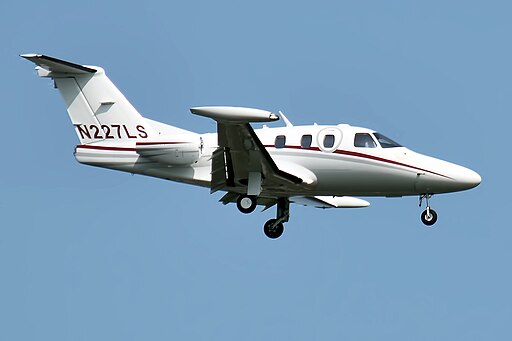
Many owners start with a smaller model like the Cirrus Vision Jet, which offers comfort and efficiency for short business or personal trips. It’s perfect for people who want to fly privately but still care about fuel savings and easy storage.
When it comes to aircraft, smaller jets usually have lower costs for upkeep and training. They may not earn as much per hour as large jets, but their operating costs are lower, improving your profitability.
Before deciding, think about:
- How often you’ll use it
- Your budget for fuel and upkeep
- The purchase price and resale value
- How easily it fits your travel needs
If you plan carefully, your plane can be more than a convenience—it can become a practical asset that earns its keep.
6. Market Changes and Lessons Learned
During the pandemic, many travelers turned to private flying because it felt safer and more flexible. Demand for air charter services rose fast, and many new owners found success in offering flights through reliable charter brokers.
That trend taught owners that the aviation world can change quickly. Prices and demand go up and down, but private flying remains steady for those who value time, comfort, and privacy. Even when the market slows, a well-managed jet that keeps flying is better than nothing sitting idle in a hangar.
7. Planning Ahead for Profit
If you want to earn with your jet, planning is everything. Start by asking a few key questions:
- Do you want to fly for business, pleasure, or both?
- How much time can you spend managing your aircraft?
- What’s your comfort level with sharing or chartering it?
Then, connect with experts:
- Charter brokers who know how to market your plane.
- Experienced flight advisors who can guide you through charter management options.
- Accountants familiar with aircraft deductions and depreciation rules.
It’s also smart to review your management company’s agreements carefully. Check what’s included—some companies charge extra for pilot overtime, cabin cleaning, or fuel management. Make sure you understand what portion of each charter payment goes back to you.
By staying informed and involved, you’ll make smarter decisions that keep your jet working for you all year round.
Conclusion
Making a jet pay for itself takes effort, but it’s possible.
A private jet can be more than a luxury—it can be a smart business tool. With good planning, safe operation, and help from trusted professionals, you can turn your jet into an asset that earns or saves money. Many jet owners discover that the rewards go beyond convenience.
With the right strategy, partnerships, and planning, you can make money on a private aircraft while enjoying all the benefits of ownership.
Start small, track your expenses, and fly safely. Your private plane can do more than take you places—it can help grow your financial future, one flight at a time.
Working with a skilled aircraft management company or broker keeps your operation organized and compliant. The key to success is planning every detail—buy a jet, maintain it well, fly safely, and follow all aviation laws.
If you’re ready to learn how to manage or grow your private jet ownership wisely, visit Flying411 for trusted insights and expert tips to help your investment truly take off!
Frequently Asked Questions
1. Do I need a license to let others use my jet for pay?
No, but you must work with a certified operator under FAA Part 135 rules to fly passengers legally for money.
2. How many hours per year should my jet fly to earn income?
Many owners aim for around 400–500 hours per year for good charter efficiency.
3. What types of jets earn the most from charters?
Large jets often earn higher rates per hour, but light jets may book more flights overall.
4. Can a charter offset all my costs?
Usually, charter revenue helps offset the cost, but few jets fully cover every expense.
5. Who handles check-in and scheduling for charter trips?
Your aircraft management company or broker manages all check-in and trip details for each charter flight.