Flying high in a private jet feels exciting and powerful. But what makes a flight truly safe? Today, jet makers like Cirrus Aircraft focus on more than speed or comfort—they focus on protection. One smart idea has changed how people think about aviation safety: the parachute built right into the plane.
This isn’t the kind of parachute you wear on your back. It’s a whole airframe parachute system—a strong canopy designed to lower the entire aircraft safely to the ground during an emergency. It’s proven to work, too. The Cirrus Airframe Parachute System has already saved over 250 people in real emergencies, showing how modern design can truly make a difference in the sky.
Soon, we’ll look at which private jet models use this life-saving technology. But first, let’s understand what makes any airplane “safe” in the sky and how something as powerful as a jet can carry a parachute at all.
What Makes an Airplane “Safe”?
Safety in flight begins long before takeoff. It starts with how the aircraft is built, tested, and flown. Engineers, pilots, and the Federal Aviation Administration all play important roles in keeping airplanes among the safest ways to travel.
Strong Design and Smart Materials
Modern airplanes use carbon fiber and lightweight metals for strength. These materials help jets handle stress, turbulence, and pressure changes. In a Cirrus jet, for example, the body is designed to absorb energy while keeping the cabin intact.
Technology That Thinks Ahead
Safety today goes beyond solid frames. Planes like the Cirrus Vision Jet use advanced technology such as:
- Synthetic vision: Displays clear 3D-like views even in fog or darkness.
- Flight control system: Keeps the jet stable and prevents dangerous angles.
- Autoland system: Can land the plane by itself if the pilot is unable to.
The Safe Return autoland system and the Safe Return emergency autoland feature allow passengers to push a single button, guiding the jet safely to an airport. The Vision SF50 Jet and Cirrus Vision SF50 models both use this feature.
Training and Human Skill
Technology helps, but people matter most. Pilot training teaches how to handle pressure, read instruments, and react fast. Programs like Cirrus Approach use the Vision Jet flight simulator to prepare pilots for real challenges.
Backup Systems for Peace of Mind
Even the best business jet or light jet can face a surprise emergency. That’s why Cirrus added the Cirrus Airframe Parachute System, a ballistic parachute designed to slow the entire airframe during trouble. Combined with the autoland and strong design, it gives an extra layer of comfort every flyer can appreciate.
Safety, in the end, is a mix of good design, reliable systems, and skilled people working together. That teamwork makes the Cirrus Vision Jet one of the safest private jets flying today.
How Can a Jet Have a Parachute?
At first, the idea of a jet carrying a parachute sounds impossible. Jets are heavy and fast! But the engineers at Cirrus Aircraft proved it could be done. Their system, called the Cirrus Airframe Parachute System, uses a small rocket to pull out a strong canopy from the top of the jet aircraft.
How It Works
- Inside the personal jet, the parachute is packed in a compartment near the tail.
- When the pilot pulls the handle or an emergency system triggers, a rocket fires upward.
- The canopy opens fast, pulling the plane into a slower, steady descent.
The whole airframe parachute system spreads across the sky like a giant umbrella, strong enough to slow down a single-engine personal jet such as the Cirrus Vision SF50. This parachute recovery system doesn’t stop the plane midair—it helps it reach the ground gently enough for people to survive.
Why It Matters
A parachute like this gives pilots a last line of defense during engine failure or loss of control. It’s part of what makes private aviation safer for families, business owners, and first-time fliers.
The Cirrus Vision models also feature Safe Return, a Cirrus Vision Jet system that can take over during a medical emergency. It connects to the autoland system, choosing the best airport and landing without pilot input. This makes the Vision Jet the only Cirrus jet where both the parachute and Safe Return autoland system work together.
Why It Works So Well
The airframe parachute system is part of a smart safety chain:
- Strong carbon fiber body
- Modern avionics and synthetic vision
- Emergency autoland
- Pilot training programs at the Vision Center campus
Together, they make flying a small jet aircraft feel more like driving a car with every safety feature built in. It’s practical, proven, and approved by the Federal Aviation Administration.
The Cirrus SR22 and Cirrus SF50 models have both shown how a ballistic parachute can save lives. That’s why Cirrus continues to lead personal aviation in safety design.
Why Don’t All Jets Have One?
If a parachute saves lives, why doesn’t every business jet or light jet have one? The answer has to do with size, speed, and physics.
Weight and Speed Challenges
Large jets are heavy and travel very fast. A whole airframe parachute system must be strong enough to support that weight—but bigger chutes mean extra space and mass. For huge aircraft, this adds too much drag and reduces performance. That’s why smaller jet aircraft like the Cirrus Vision SF50 are better suited for parachute systems.
Design Limits
When engineers build jets, they balance power, space, and structure. Adding a parachute recovery system changes how the plane flies and where weight is placed. On a compact personal jet, this balance is easier to manage. On larger jets, it could affect stability and range.
Cost and Certification
The Federal Aviation Administration must test and approve every safety feature. Getting approval for a parachute on a new model can take years. Companies also face high costs to design and test these systems. For many traditional business jets, the cost outweighs the benefit.
New Hope for the Future
Still, the success of the Cirrus Vision Jet proves what’s possible. The Cirrus Airframe Parachute has inspired other aviation projects to explore smaller ballistic parachute systems for the next generation of personal aviation.
The Cirrus Vision Jet and Cirrus Vision SF50 have shown that a whole airframe parachute system, paired with an emergency autoland and strong flight control system, can make a small private jet one of the safest flying machines ever built.
With continued innovation, the future may see larger jets equipped with the same technology, offering safety and comfort for every pilot and passenger in the sky.
7 Safest Private Jets That Come with a Parachute
Flying in a private jet feels amazing, but safety always comes first. A few modern jets now include something extra special — a built-in parachute that can lower the entire aircraft safely to the ground. These parachutes are part of a whole-airframe recovery system. It means that in a serious emergency, the pilot can pull a handle, and a large canopy deploys to slow the plane down before landing.
The following are seven safest private jets that use this smart safety idea. Some are already flying today, while others are newer designs still entering the market.
Each one shows how technology and design can work together to protect people in the air.
1. Cirrus Vision Jet SF50
The Cirrus Vision Jet SF50 is the only fully certified jet in the world that comes standard with a whole-aircraft parachute. This small but powerful single-engine personal jet is designed by Cirrus Aircraft, a company known for safety and innovation.
Key Safety Feature:
The Vision Jet uses the Cirrus Airframe Parachute System—often called CAPS. If something goes wrong, the pilot can pull a handle above their head. A rocket fires, pulling out a huge canopy that slows the plane and helps it reach the ground more safely.
Other Advanced Safety Tools:
- Safe Return autoland system: If the pilot becomes sick or can’t fly, a passenger can press one button. The autoland system then takes control, communicates with air traffic control, and lands the plane by itself.
- Synthetic vision and flight control system: These tools show a 3D-style display of the world outside, even through clouds. They also keep the aircraft level and balanced.
Why It’s Popular:
The Vision Jet combines comfort, smart tech, and proven safety. Its roomy cabin seats up to seven people and offers features like climate control, touchscreens, and clear visibility. The Federal Aviation Administration approved this jet because of its reliable design and strong carbon fiber body.
Fun Fact: The Cirrus Vision Jet has saved lives using its parachute system in real-world events. That makes it a leader in jet safety and a true example of modern personal aviation.
2. Cirrus Vision Jet G2+
The G2+ is an updated version of the Vision Jet, offering smoother performance and advanced features. It shares the same Cirrus Airframe Parachute System, giving the same strong layer of safety for everyone on board.
What’s New:
- Faster climb rates and better fuel efficiency.
- Updated autoland system with improved software for smoother, smarter landings.
- Enhanced interior soundproofing and Wi-Fi for passengers who want to work or relax mid-flight.
Safety Tech Highlights:
- Safe Return emergency autoland lets passengers take control if needed.
- Flight control system and synthetic vision technology keep the jet stable during bad weather.
- Pilot training with Cirrus Approach and the Vision Jet flight simulator helps ensure that every pilot knows exactly how to use the safety features.
The Vision Jet G2+ continues Cirrus’s focus on safety and innovation. For families and business owners who care deeply about protection in the air, this model stands out.
3. Cirrus Vision Jet G1
Before the G2+ came out, the G1 was the first Vision Jet to make history. It brought the Cirrus Airframe Parachute System into jet aviation for the very first time. The G1 helped prove that even a jet aircraft could be light, affordable, and safe for private aviation.
What It Offers:
- Full parachute recovery system with rocket deployment.
- Garmin Perspective Touch avionics for easier flight control.
- Same strong carbon fiber design as later versions.
While it doesn’t have the full Safe Return autoland upgrade, the G1 still gives peace of mind to every pilot who flies it. Many G1 owners say that Cirrus’s commitment to safety training and continuous support makes aircraft ownership responsibilities easier to manage.
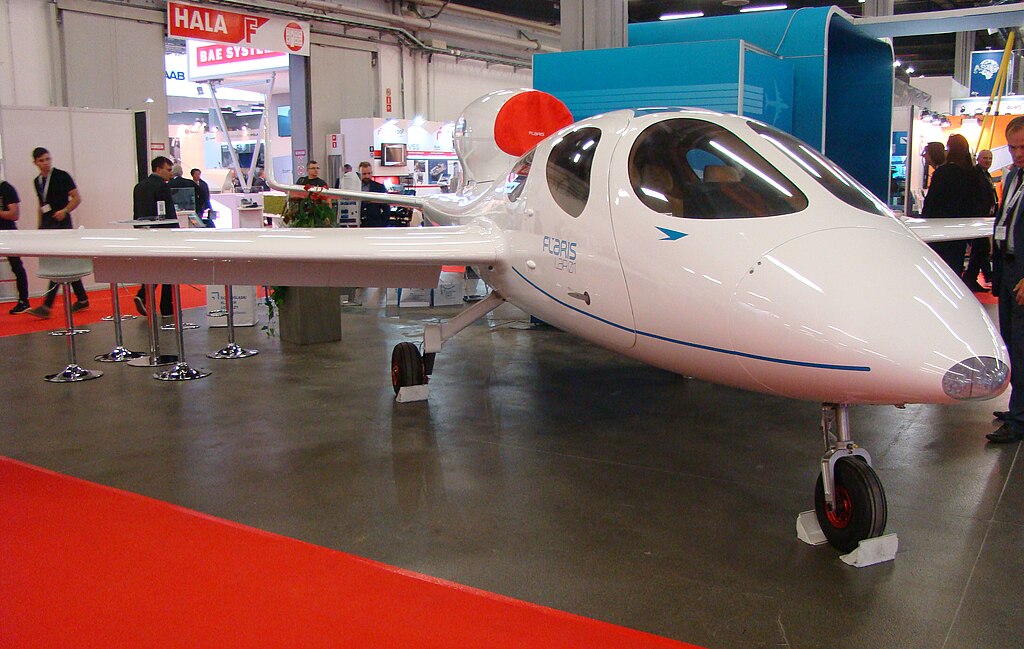
4. Flaris LAR-1
The Flaris LAR-1 is a small jet made in Poland that also includes a parachute system. It’s meant for personal and short business trips, similar to the Cirrus Vision series.
Safety Features:
- The Flaris includes a ballistic parachute designed to lower the plane and its passengers safely in an emergency.
- Advanced control systems help maintain balance and prevent dangerous angles during flight.
Performance Facts:
- Seats up to five people.
- Can take off from short runways, making it useful for smaller airports.
- Uses a single engine like the Vision Jet, giving a good balance of power and simplicity.
Though still gaining full certification, the LAR-1 has impressed pilots worldwide. It combines jet performance with personal-plane flexibility.
5. SubSonex JSX-2
The SubSonex JSX-2 is a tiny jet built for individual pilots who want the thrill of flying their own personal jet. It’s smaller than business-class models, but it includes safety features that make it stand out.
Safety System:
- Offers an optional BRS whole-aircraft parachute system.
- Can safely deploy the canopy during an emergency, even at lower altitudes.
Who Flies It:
- It’s a light jet for sport and training.
- Most owners are experienced pilots who enjoy the freedom of general aviation.
While it’s considered an experimental aircraft in the United States, the SubSonex gives pilots valuable experience in small-jet operation with an added layer of safety from its parachute.
6. SubSonex JSX-2T
This is a two-seat version of the JSX-2. It offers the same fun flying experience but adds room for a friend, co-pilot, or instructor.
Features:
- Optional whole airframe parachute system from BRS Aerospace.
- Same small jet design with simple controls and compact size.
Why It’s Special:
For pilots who love building or customizing their own aircraft, the JSX-2T makes aircraft ownership responsibilities more personal. It’s a hands-on project that also includes a smart safety solution.
7. Diamond D-Jet (Prototype)
The Diamond D-Jet never reached full production, but it deserves mention. Diamond Aircraft planned to make it the first business jet with a full airframe parachute system.
Design Goals:
- Create a small, efficient jet aircraft for private flyers.
- Include a built-in parachute recovery system for emergencies.
- Use modern carbon fiber materials for strength and lightweight performance.
Even though the project was paused, the D-Jet showed what was possible. It encouraged engineers to keep developing safer and smarter airplanes. Many of the ideas tested during the D-Jet program influenced newer models, including the Cirrus Vision series.
Honorable Mention: Lilium Jet (Electric Jet)
The Lilium Jet is an all-electric design still in testing. It’s not a traditional jet but aims to use ballistic parachute technology as part of its safety plan. It shows how future private aviation will combine energy efficiency, vertical takeoff, and full-aircraft safety systems.
Making Safety a Standard in Aviation
These seven jets, led by the Cirrus Vision Jet, show that safety doesn’t have to be complicated. Adding a parachute gives peace of mind to pilots and passengers. For families, business travelers, or anyone exploring fractional jet ownership, choosing a model with this technology makes sense.
Flying has always carried aircraft ownership responsibilities, from training and maintenance to decision-making in emergencies. With features like the Cirrus Airframe Parachute System and Safe Return autoland system, those responsibilities are easier to handle.
As technology keeps improving, the dream is clear: every private jet—big or small—should have a backup plan in the sky. And thanks to companies like Cirrus Aircraft, that dream is already taking flight.
Conclusion
The Cirrus Vision Jet has proven that even a fast, sleek private jet can protect its passengers in remarkable ways. Combining smart technology, solid design, and the Cirrus Airframe Parachute System, it shows that safety and innovation can fly side by side. As general aviation grows, these ideas may soon become standard for every personal jet.
If you’re curious about flying safely and learning more about advanced jet features, check out Flying411 for the latest updates and insights!
Frequently Asked Questions
1. How fast can a Cirrus Vision Jet fly?
It can reach around 345 miles per hour, depending on weather and weight.
2. Can anyone use the Safe Return system?
Yes. Passengers can press a button to activate the system if the pilot is unable to fly.
3. Has the Cirrus parachute system ever been used?
Yes. The Cirrus parachute has been deployed over 100 times, saving many lives.
4. What type of engine does the Vision Jet use?
It uses a single turbofan engine, making it a single-engine personal jet.
5. Is the parachute reusable?
No. After it’s deployed, the parachute system must be replaced by a certified service center.